
Showing 49–60 of 182 articles

The craft missing from the task list
Automating a procedure means choosing what counts as work. An imagined costume warehouse reveals the knowledge hidden behind a completed booking, and the working conditions needed to share that knowledge without wearing down the people who hold it.
Read article
The invisible weight of emotional labor after automation
Automating basic tasks does not eliminate human wear. By reducing volume, intensity often concentrates, demanding new forms of care, training, and organizational responsibility to protect those handling complex cases.
Read article
Speed vs. progress: The hidden trap of automation
Increasing speed can hide a backlog of repairs. We analyze how costs shift to invisible cases and what ethical guidelines should steer automation.
Read article
Automation and work: The power to decide
Automation does not just execute tasks; it sets rhythms and categories. Analyzing its impact requires reviewing who decides, how risk is assigned, and what real options remain for claiming rights when the system fails.
Read article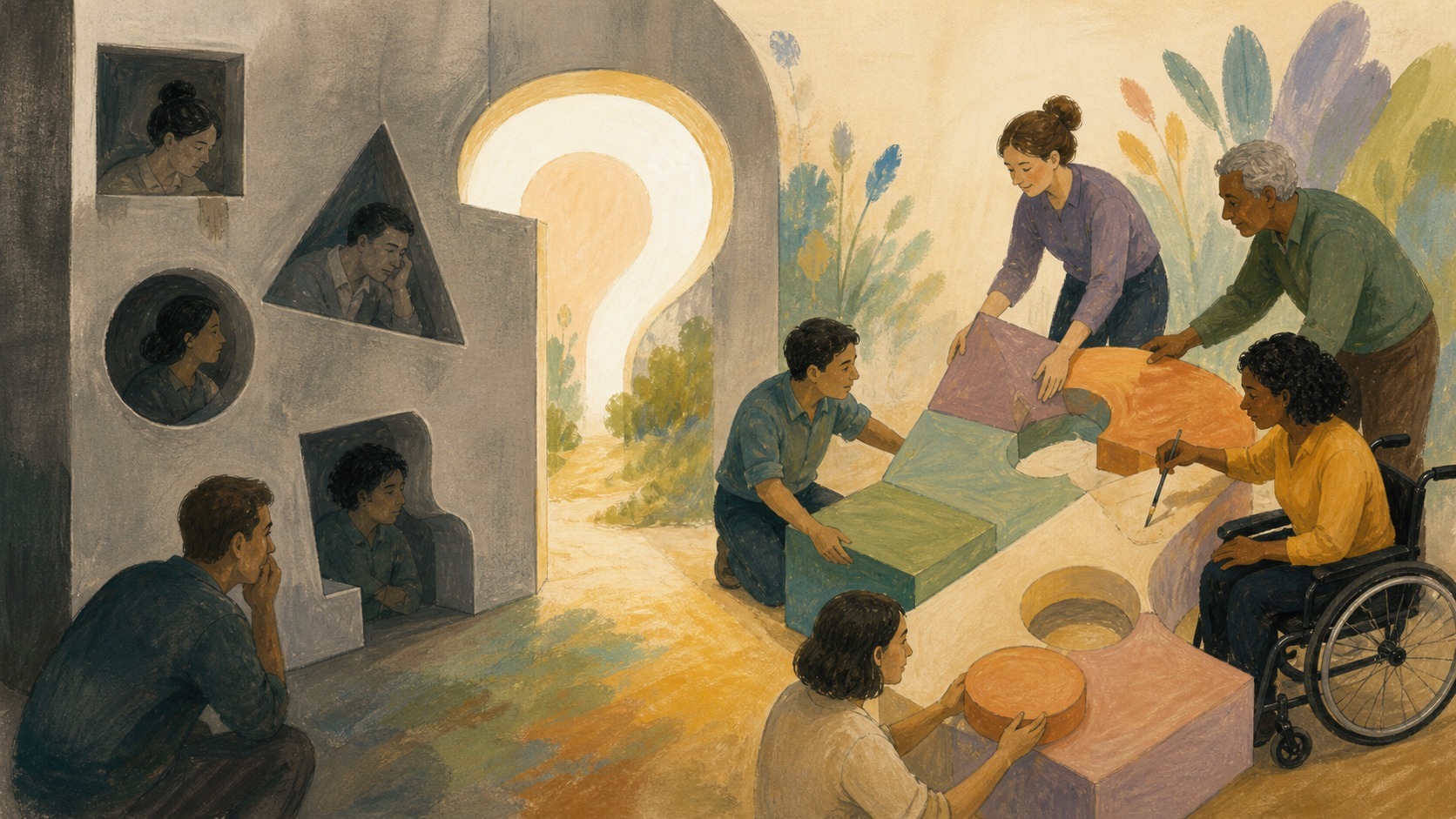
When the tool decides: automation and dignity
The boundary between tool and companion blurs. The conversational interface hides when it suggests, when it executes, and what data it relies on, displacing human responsibility.
Read article
Automation and work: The decision log
Traceability transforms automation. Without it, we cannot explain the failure, repair the process, or verify if the solution actually works for those who use it.
Read article
Automation and work: why it matters more now
Automation is accessible to everyone, yet safety and quality standards have not kept pace. We explore how to manage this gap through shared responsibility and human oversight.
Read article
When Algorithms Decide: Work, Dignity, and Automation
Automation already assigns tasks and shapes reputations. Beyond technical efficiency, we must ask who bears the risk, who retains control, and how we ensure dignified work amidst digital logic.
Read article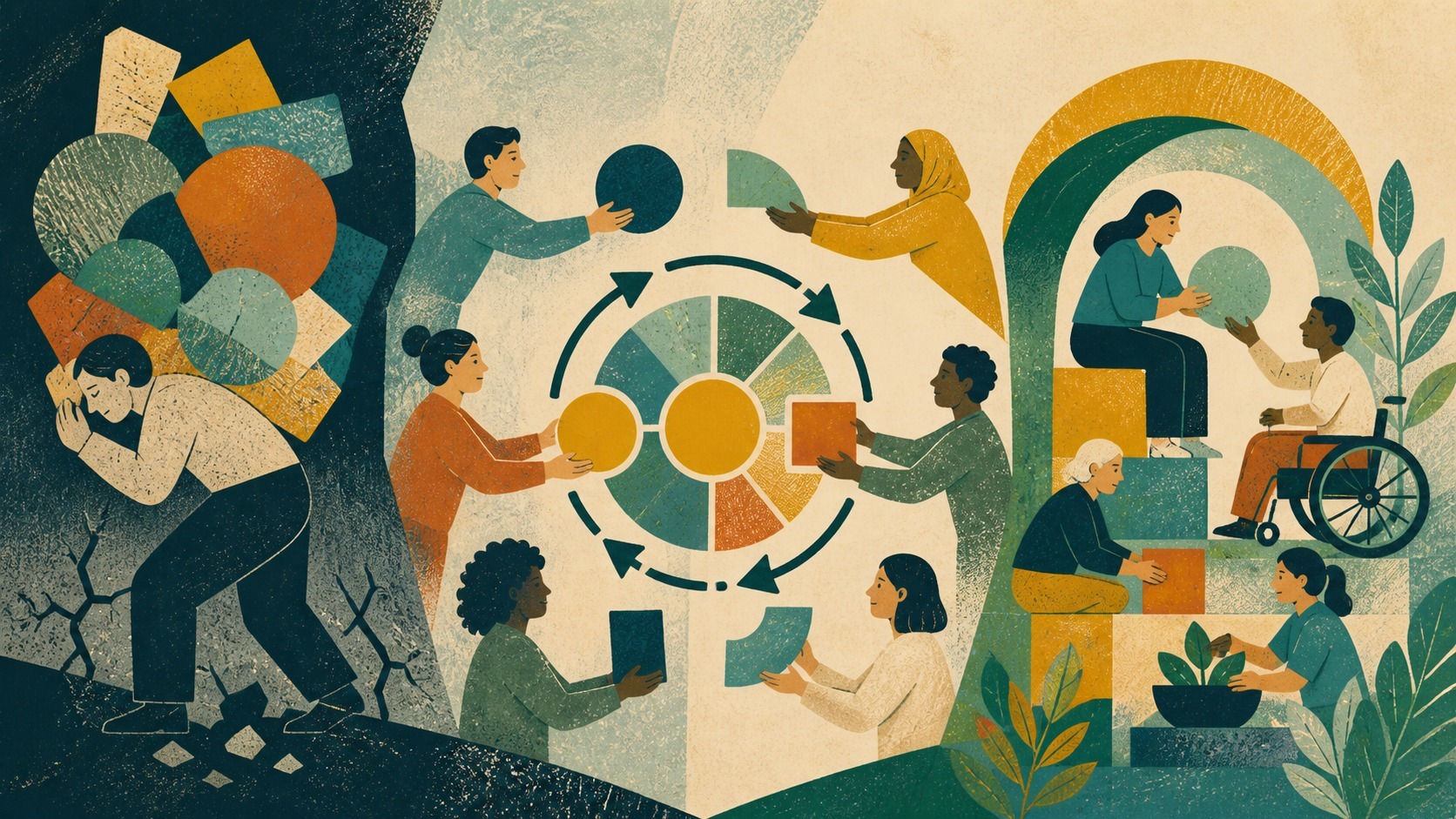
Beyond the numbers: the real impact of automation
Counting jobs created and destroyed hides work quality, responsibility distribution, and human decision-making capacity in digital change contexts.
Read article
Automation and Work: Beyond the Binary Choice
The choice to automate or not is a false dichotomy. The key lies in combining technology, ergonomic redesign, and human judgment to improve real outcomes, not just apparent efficiency.
Read article
Looking Slower: Quality and Automation
Observing calmly reveals whether quality holds up. Immediate volume hid small errors, loss of confidence, and professional learning that only surface over time.
Read article
Who suffers when automation fails
Average efficiency is often achieved by concentrating difficulty in a few people. We must observe who absorbs the exceptions and the invisible wear behind each automated system.
Read article