At the warehouse, the proposal arrived as a clean diagram: a line of boxes moving beside a machine, fewer movements, more orders prepared per hour. The presentation concluded that automating all packing would reduce injuries and increase capacity. The people preparing orders did not dispute that repeated lifting of heavy boxes hurt them. They knew it in their backs, wrists, and accumulated fatigue at the end of a shift. But they pointed out that “packing” was not one thing. It included lifting, reading an order, identifying a substitution, checking an allergy noted by a customer, spotting a damaged container, and deciding what to do when a product was missing.
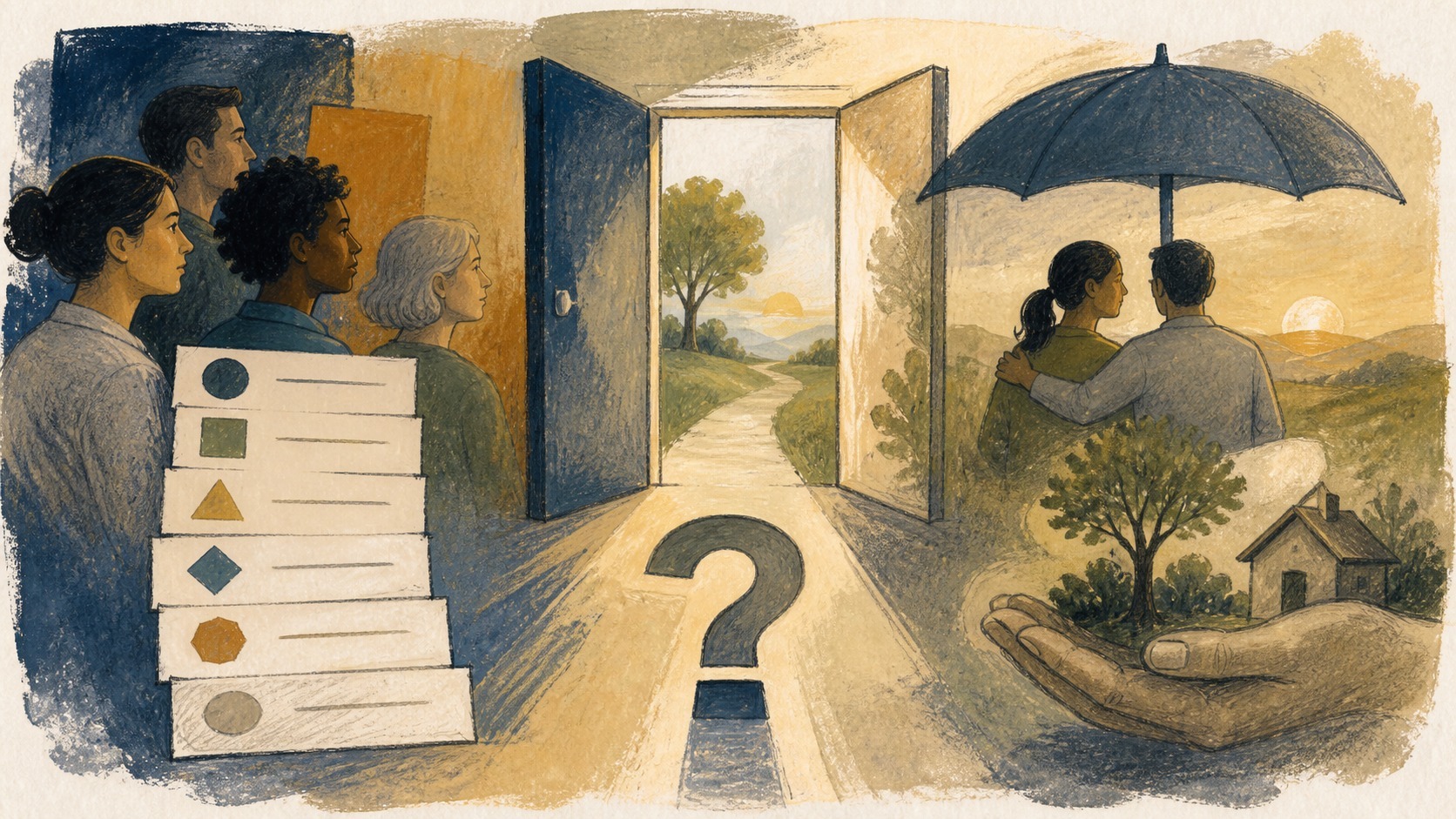
That distinction changes the decision. When an organization asks only whether to automate an entire task, it often forces itself to choose between two poor answers: keep harmful work exactly as it is, or replace it with a system that also removes judgment, learning, and the ability to handle an exception. Combined design begins with another question: Which specific part causes harm, which part needs context, and which part can be redesigned before it is delegated? Technology can remove a physical risk without turning people into passive watchers of a line they no longer understand.
A broad label hides different kinds of work#
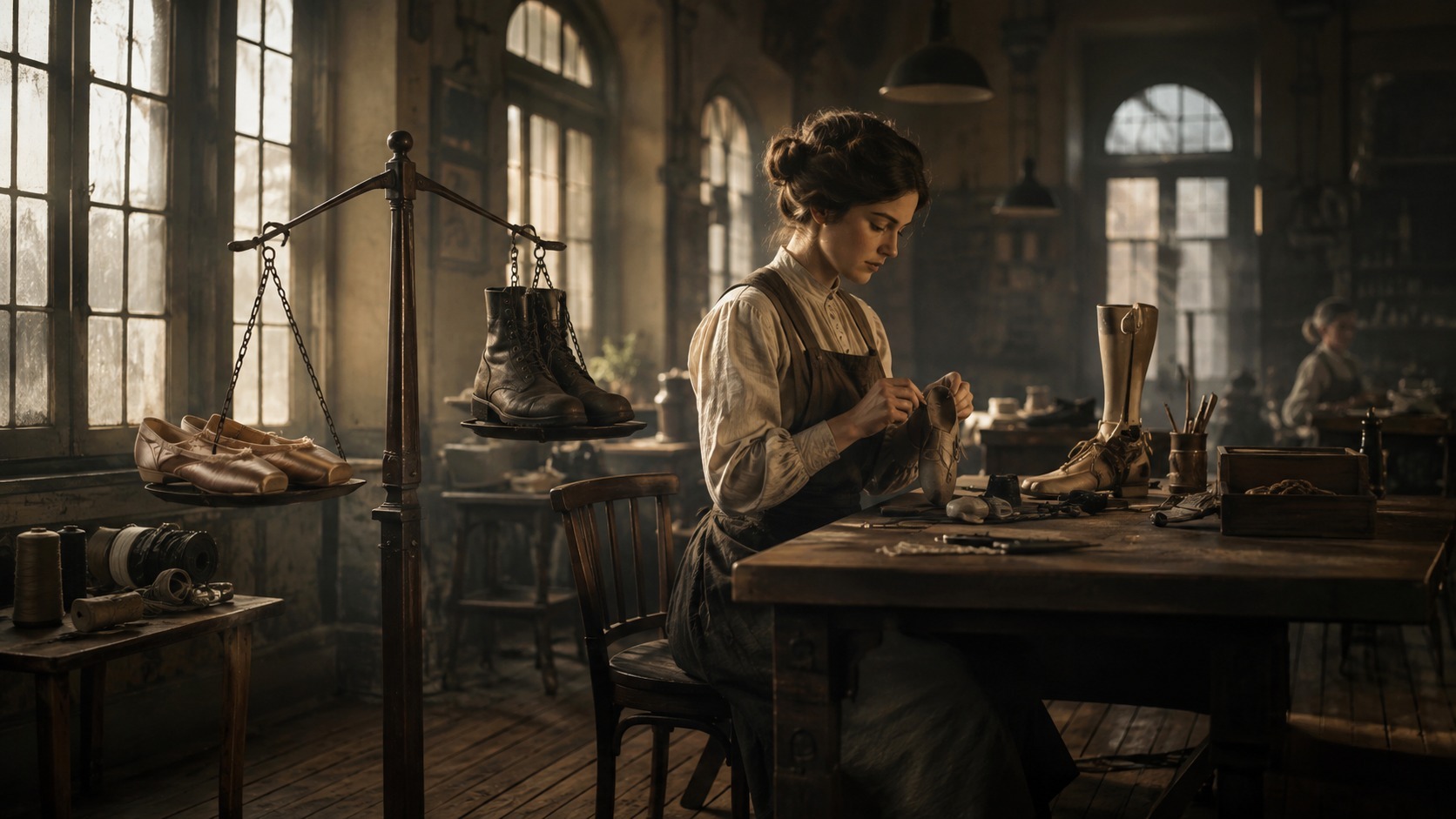
“Preparing an order” looks like a unit of work because that is how it appears on a production board. In practice, it combines movements, decisions, and relationships with different consequences. Lifting the same load one hundred times can injure someone. Confirming that a box contains the requested variety requires attention. Deciding whether a wet package should leave, return to the supplier, or be held for review requires information that is not always in a barcode. Speaking with a colleague when an order seems contradictory creates a correction that no speed counter records.
“Preparing an order” looks like a unit of work because that is how it appears on a production board.
Taking the task apart is not a way of delaying innovation. It is the preparatory work that stops a real problem from being solved by creating three new ones. The team can observe a full week, not just a demonstration on the best day, and record each step: force applied, repetition, posture, information consulted, exception, communication, and final decision. People who do the work should make that observation with safety, maintenance, and design staff. A camera or a stopwatch can show a sequence; neither can explain why someone stopped or what risk that pause avoided.
The resulting map can distinguish at least four areas: physically dangerous and repetitive steps; low-risk mechanical steps; moments where information is missing; and decisions that affect quality, safety, or trust. They do not deserve the same response. A lifting clamp can take on the first group. A better-positioned label or adjustable table can simplify the second. A system that displays relevant information can assist with the third. The fourth needs a person with time and authority to stop, ask, or correct.
Automating risk is not automating the craft#
At the warehouse, an appropriate solution might be a lifting aid that brings a box to a safe height and a conveyor that reduces loaded walking. Those mechanisms do not need to decide whether a food order contains an unrequested allergen or whether two parcels have been assigned the same destination by mistake. Their value lies in removing a specific load from a human body, not in imitating a person's entire sequence.
This distinction matters because physical risk does not vanish when a machine is added. It can move. A poorly positioned automated station can force someone to reach for buttons with a raised shoulder, twist to clear jams, or follow a pace that prevents safe posture. A “no-lift” station can still cause pain when there is no room to move, when the screen sits too low, or when one person must resolve incidents standing for hours. Ergonomics is not decoration added after automation. It determines whether the improvement works beyond the presentation.
Before installing equipment, it is worth running full-scale trials with varied heights, rhythms, and materials. Participation does not mean asking for an opinion at the end. It means letting the people who use the station adjust the table, test the reach, identify a pinch point, and change the flow before it becomes an investment that is hard to question. The knowledge of people who lift, inspect, and pack is not resistance to change. It is evidence about what the design does not yet know.
Final control needs the power to stop the line#
The last look at a parcel is often described as a simple check, but it gathers context. A person may notice that sealing tape will not protect a fragile product, that an address matches a previously suspended delivery, that a refrigerated item has waited too long, or that a customer note requires objects to be separated. A system can flag a predicted anomaly; it cannot guarantee that it will recognize a new situation or take responsibility for a doubtful decision.
Keeping that human review achieves nothing if it becomes a compulsory signature at the end of a line moving too fast. The role needs access to necessary information, a clear channel for asking for help, and real authority to stop or divert an order. It also needs a measure that does not punish that choice. If every pause lowers an individual score, the organization is teaching people to overlook an exception. Safety and quality become real only when stopping is not treated as failure.
The line can record these interventions without using them to monitor the individual. A useful record asks what type of problem appeared, what was corrected, and what process change might prevent it. If the same orders are diverted repeatedly, a label, supplier, or grouping rule may need to change. Turning alerts into collective learning prevents final control from becoming a silent burden placed on the last role.
Test the combination, not just the machine#
A responsible pilot compares the whole job before and after, not merely boxes per hour. It should observe injuries and discomfort, necessary pauses, recovered errors, damaged orders, training time, capacity to resolve exceptions, and the sense of control felt by people on the shift. It should also include days with peaks, absences, and difficult items. A trial run on homogeneous orders with expert staff can sell a stability that disappears when the real week arrives.
Results must be shared. People operating the equipment need to see what was measured, what was learned, and which decision remains open. Management can explain costs and maintenance; the team can explain where the pace became unsafe or where a new tool truly reduced effort. If data travel only upward, evaluation confuses supervision with improvement. If they return to the workplace and permit changes, the pilot becomes a conversation about actual conditions.
Keeping an alternative during the trial matters as well. Not because everything must always be done manually, but because it allows comparison of quality and restores room to act if the machine fails. Maintaining a limited manual route helps reveal what knowledge is being lost and prevents a jam from stopping the entire operation. Dependency is a design cost. It belongs in the evaluation beside speed and price.
The decision left after the false binary#
The outcome does not have to be “yes” or “no” to automation. It can be: automate repetitive lifting with an adjustable aid, redesign the station's height and space, keep a human final check with authority to stop, and review the system each month with the people who use it. This is less dramatic than total replacement, but it addresses the question that opened the discussion more precisely: reduce harm without losing the judgment that protects customers and colleagues.
The next step fits in a shift meeting. Choose a recent order that would have gone wrong without a person's intervention and take its journey apart. Mark which movement was harmful, what information was absent, and which decision changed the outcome. Then agree a small trial, an ergonomics owner, and a way to stop the pilot if risks or errors increase. Redesigning before automating is not indecision. It is how technology comes to serve work instead of forcing work to adapt to the first solution available.