
Showing 97–108 of 139 articles
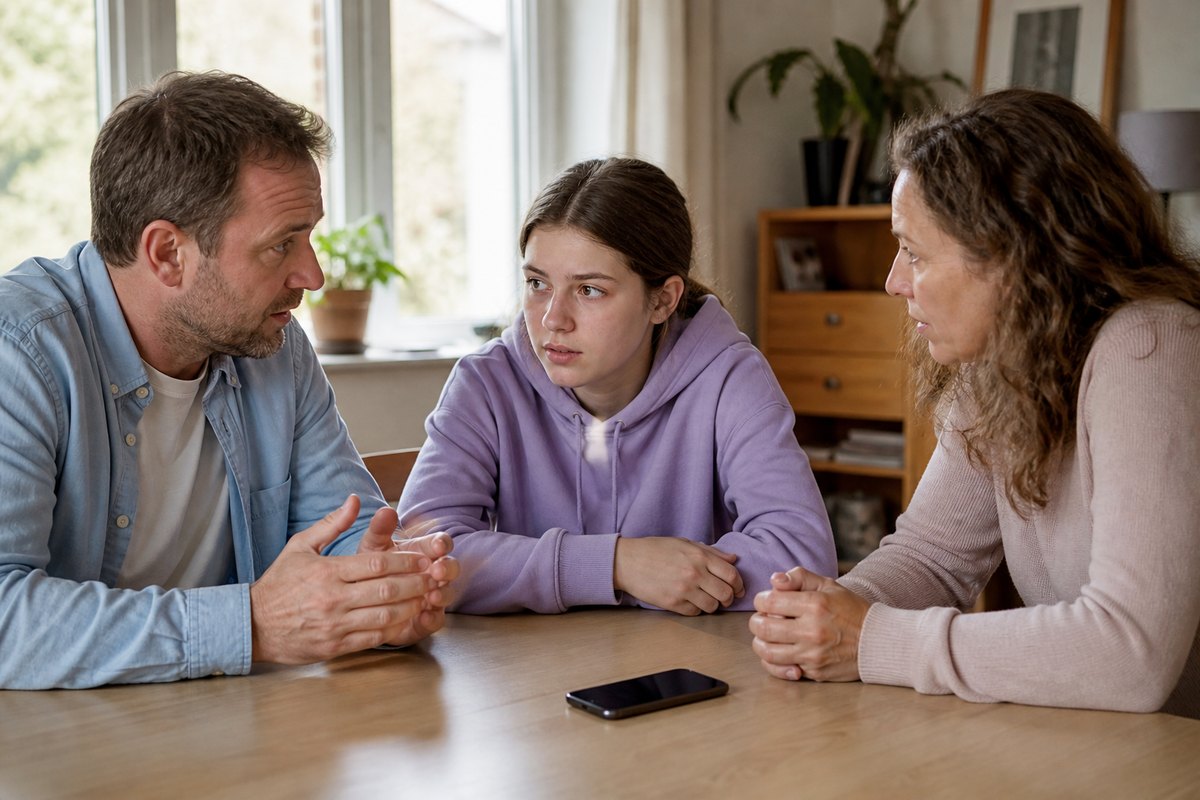
Accepting does not always mean having been able to choose: when the journey does not work for everyone — Accessibility and inclusion
Accepting a digital journey does not prove there was a real choice: barriers, equivalent alternatives, autonomy, and co-design determine whether participation is possible.
Read article
The first question must arrive before the tool: when the journey does not work for everyone — Accessibility and inclusion
Before selecting a digital tool or journey, it is essential to understand access barriers, functional diversity, context, and the alternatives people need to participate.
Read article
Participation changes the question and improves the response — before a crisis appears: Cybersecurity for daily life
Participation by users, families, teams, and community transforms prevention: it detects everyday risks, improves decisions, and enables a fairer response.
Read article
Caring also means not watching everything — before a crisis appears: Cybersecurity for daily life
Caring for digital security does not require watching everything: it requires protection with a clear purpose, minimal data, proportionate measures, and trust.
Read article
Overseeing demands being able to stop and correct — before a crisis strikes: Cybersecurity for daily life
Overseeing a tool is not watching a dashboard: it requires authority to pause, explain, correct, and check that repair works for affected people.
Read article
After launch, the important work begins — before a crisis appears: Cybersecurity for daily life
Launching a tool does not finish the work: caring for its permissions, alerts, and help routes keeps an everyday problem from becoming a crisis.
Read article
Participation changes the question and improves the answer — when organisation affects life: Work, care and organisation
Participation by people who work and care turns diffuse problems into fairer, more inclusive, sustainable decisions.
Read article
A rumour travels fast when it tries to care — when organisation affects life: Work, care and organisation
Information shared with an intention to help can cause harm if it is unverified, unnecessary, or does not respect confidentiality.
Read article
Conflict is not resolved by adding another screen — when organisation affects life: Work, care and organisation
Platforms can support agreements, but they do not replace conversation, visible allocation, boundaries, repair, or resources.
Read article
The exception reveals the quality of the system — when organisation affects life: Work, care and organisation
Exceptions in hours, shifts, and care reveal the quality, equity, and safety of organisational design.
Read article
A useful number can also lead us to the wrong place — when organisation affects life: Work, care and organisation
Productivity, availability, and care metrics can guide action, but they can also shift invisible work and harm rest. They need context, equity, organisational health, and limits.
Read article
Accepting does not always mean having been able to choose — when organisation affects life: Work, care and organisation
Accepting a schedule, task, or tool may reflect need, dependence, or a lack of alternatives. A responsible organisation examines power, care, participation, and accountability.
Read article