
Showing 73–84 of 139 articles

The minute a decision stops being abstract — work that does not surrender dignity: Decent work in the automated age
An automated decision becomes concrete when it changes a shift, a break, or an opportunity. Three composite cases show how to recognise that minute and restore voice, context, and accountability at work.
Read article
The Invisible Question That Changes Everything — work that does not surrender dignity: Decent work in the automated age
Before automating a task, an organisation should ask what a person needs to keep working with judgement, safety, and voice. Three composite cases show how that question reshapes scheduling, monitoring, and customer service.
Read article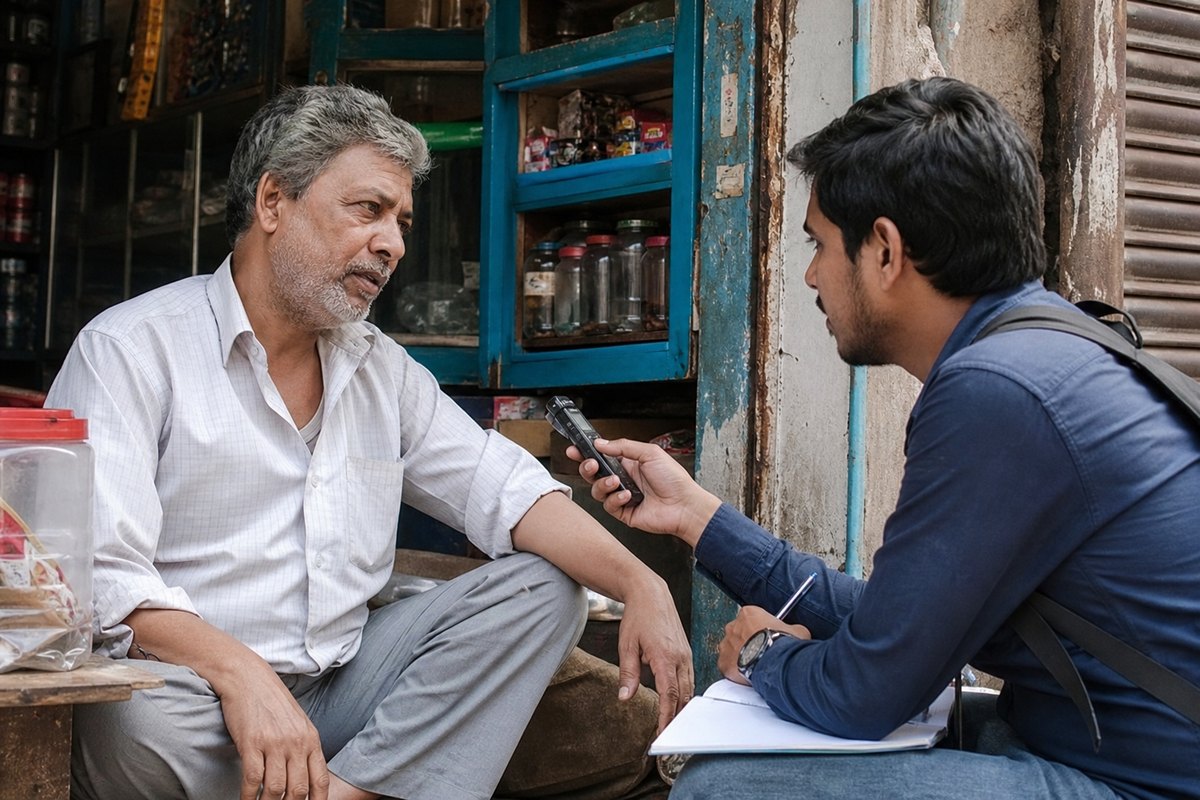
Participating Beforehand Changes Decisions; Participating Afterwards Only Decorates Them — the body no dashboard can summarise: Sport, body and data
Meaningful participation begins before deciding what will be measured, who may see it, and what consequences will follow. Four cases show how to include embodied experience without turning consultation into a decorative ceremony.
Read article
Inequality Often Hides Inside the Average — the body no dashboard can summarise: Sport, body and data
An average can describe a group while hiding who carries more load, receives fewer resources, or is absent from measurement. Four cases show how to read distributions, context, and voice before deciding.
Read article
Participating Beforehand Changes Decisions; Participating Afterwards Only Decorates Them — the home as the first laboratory of digital citizenship: Families in a connected world
Family participation in digital decisions is real when it happens before a choice is made, provides understandable information, allows influence over concrete options, and explains the outcome. Late consultation turns children's voices into decoration; timely deliberation teaches rights, limits, and shared responsibility.
Read article
Inequality Often Hides Inside the Average — the home as the first laboratory of digital citizenship: Families in a connected world
A household can appear well connected in statistics while distributing devices, time, privacy, support, and decision-making power very unequally. Looking inside the average reveals those gaps and helps make the home a fairer place for digital citizenship.
Read article
The Invisible Question That Changes Everything — the home as the first laboratory of digital citizenship: Families in a connected world
Digital citizenship begins in the household's small decisions: who may speak, which data are shared, how harm is repaired, and which question comes before every click. The invisible question—who benefits, who is exposed, and what relationship is being built—turns screen use into a daily practice of judgement, care, and participation.
Read article
Participation Beforehand Changes Decisions; Participation Afterwards Only Decorates Them — a school capable of learning from its own decisions: The school that learns to change
Participation transforms a school when it happens before options close, uses intelligible information, and can alter criteria, resources, and responsibilities. Listening after a decision may improve its explanation, but it does not turn decorative consultation into shared governance.
Read article
Inequality Often Hides Inside the Average — a school capable of learning from its own decisions: The school that learns to change
A favourable average can coexist with persistent barriers for particular groups. This article proposes disaggregating evidence, listening to experience, examining three cases, and assigning responsibility so that a school learns without turning anyone into an invisible number.
Read article
Power appears where someone can say enough — a school capable of learning from its own decisions: The school that learns to change
A school truly learns when it distributes authority to stop, review, and repair decisions. This article offers criteria, cases, and a protocol for evidence-informed change without turning innovation into obedience.
Read article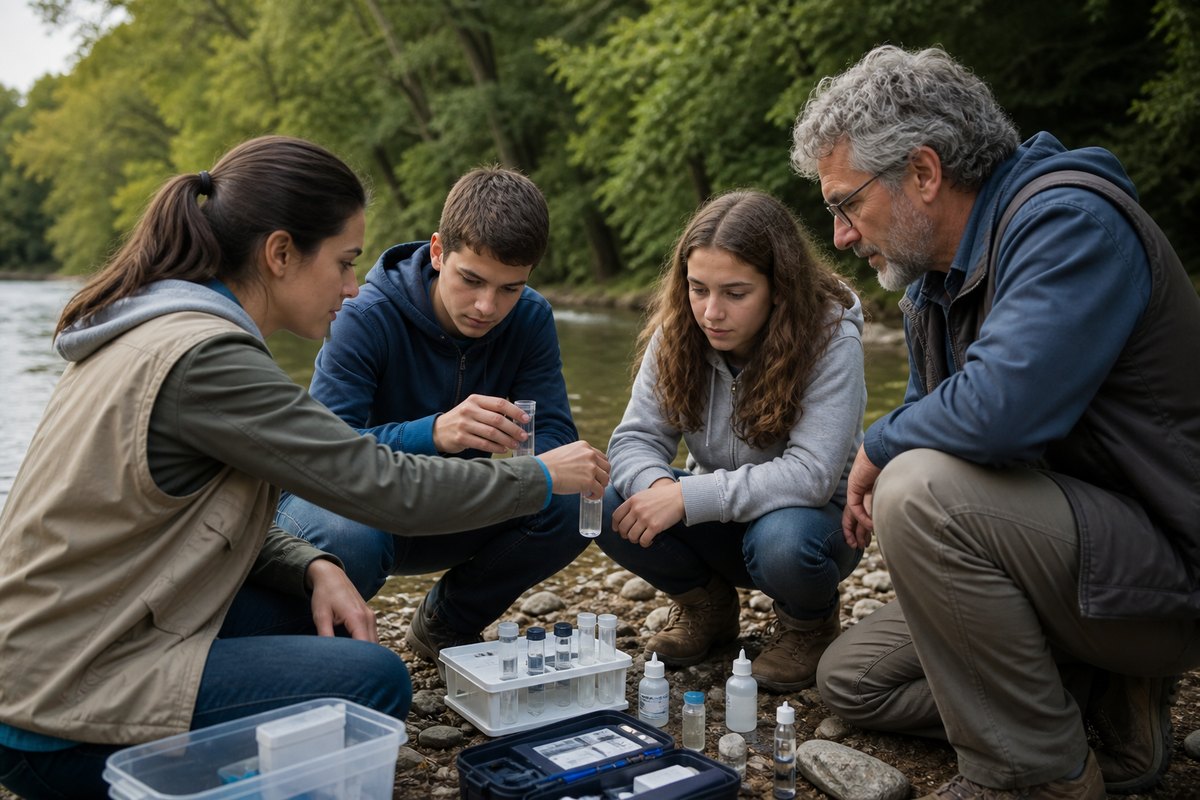
The invisible question that changes everything — a school capable of learning from its own decisions: The school that learns to change
A school truly learns when it does more than execute plans: it revisits its decisions, examines their effects, listens to those who experience them, and changes course without looking for culprits. That capacity turns every improvement into shared institutional knowledge.
Read article
Participation before decisions changes them; participation afterwards merely decorates them — a generation that talks with machines: Artificial intelligence and adolescence
Adolescent participation contributes knowledge that no late survey can replace: when it begins before an artificial intelligence tool is selected, it can change the problem, criteria, procurement, safeguards, and evaluation.
Read article