
Showing 13–23 of 23 articles

Automation and work: The decision log
Traceability transforms automation. Without it, we cannot explain the failure, repair the process, or verify if the solution actually works for those who use it.
Read article
Automation and work: why it matters more now
Automation is accessible to everyone, yet safety and quality standards have not kept pace. We explore how to manage this gap through shared responsibility and human oversight.
Read article
When Algorithms Decide: Work, Dignity, and Automation
Automation already assigns tasks and shapes reputations. Beyond technical efficiency, we must ask who bears the risk, who retains control, and how we ensure dignified work amidst digital logic.
Read article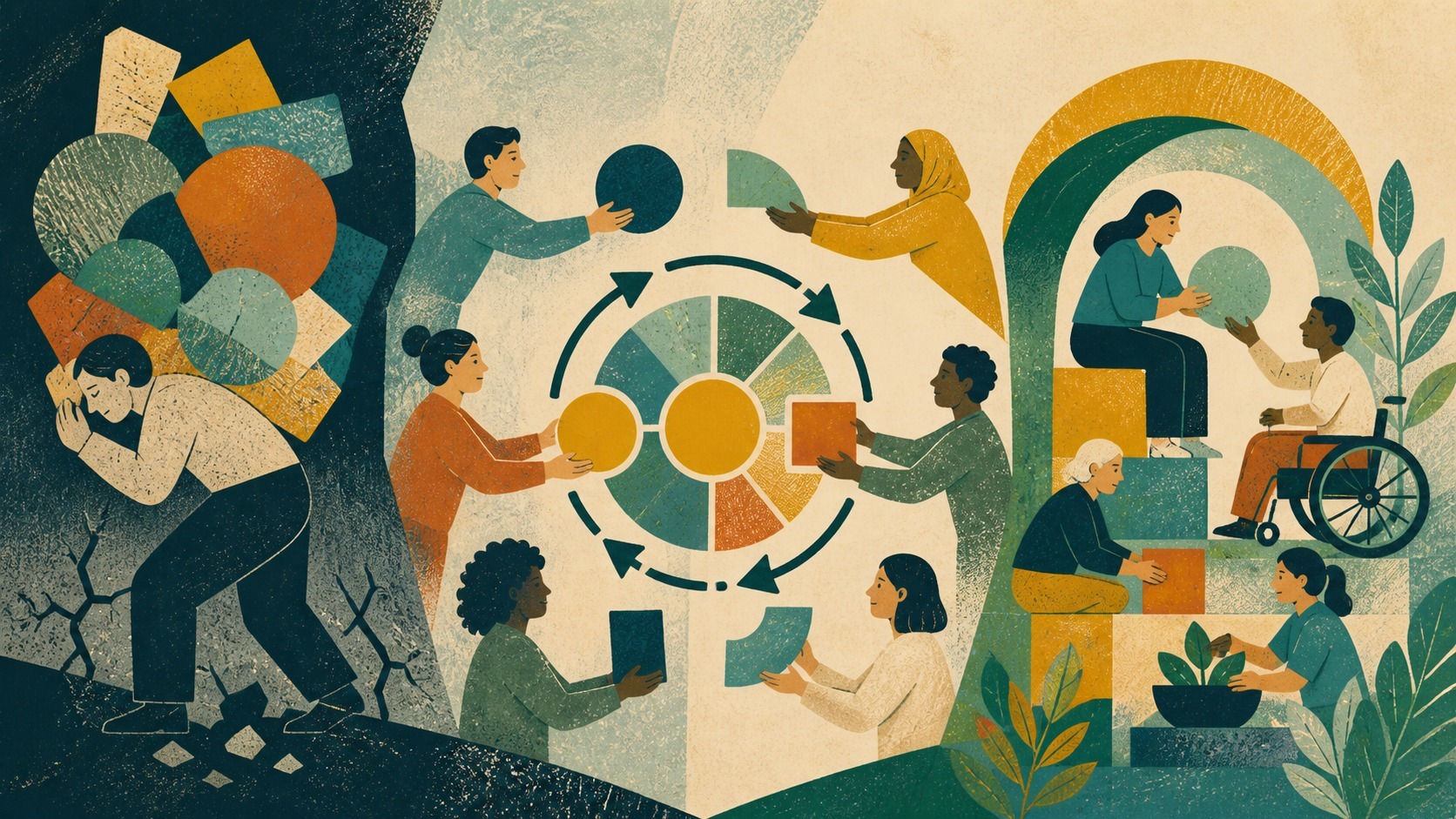
Beyond the numbers: the real impact of automation
Counting jobs created and destroyed hides work quality, responsibility distribution, and human decision-making capacity in digital change contexts.
Read article
Automation and Work: Beyond the Binary Choice
The choice to automate or not is a false dichotomy. The key lies in combining technology, ergonomic redesign, and human judgment to improve real outcomes, not just apparent efficiency.
Read article
Looking Slower: Quality and Automation
Observing calmly reveals whether quality holds up. Immediate volume hid small errors, loss of confidence, and professional learning that only surface over time.
Read article
Who suffers when automation fails
Average efficiency is often achieved by concentrating difficulty in a few people. We must observe who absorbs the exceptions and the invisible wear behind each automated system.
Read article
Automation and work: when novelty loses its innocence
Automation is no longer innocent when it monitors. Data created to coordinate was reused to discipline without new debate.
Read article
Automation and work: The question that arrives late
The employment question arises after deployment. Lack of participation turns a negotiable reorganization into a completed threat, unbalancing the relationship between people and technology.
Read article
The hidden debt of automated convenience
Digital convenience often accumulates invisible dependencies. We analyze how automated shortcuts can create operational debt, shifting difficult work and fragmenting knowledge within organizations.
Read article
Automation and work: The unsupervised promise
Automation promises to free up time, but it demands real oversight. The hours do not disappear: they shift tasks, people, and visibility. We analyze how to evaluate these tools with justice and dignity.
Read article