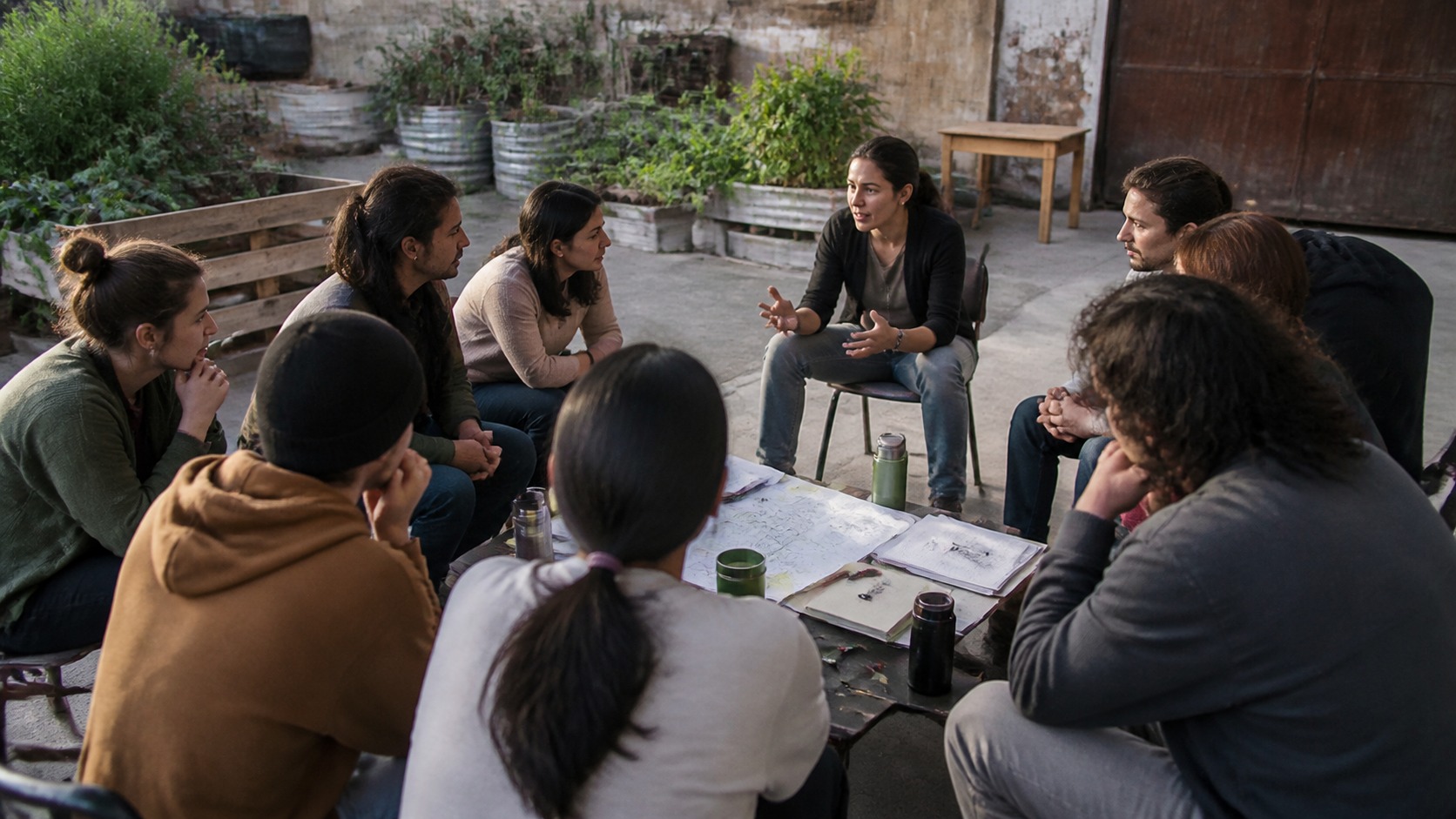
Adolescent sexual and reproductive health is best supported through clear information, privacy, and available adults. A realistic plan assumes neither experience nor one right decision: it helps a young person notice questions, protect wellbeing, and know where to ask for confidential, trustworthy guidance.
Start with rights, respect, and information#
This section concerns the right to understand one’s body and be treated with dignity. Begin with one specific situation and with what the person already knows or wants to ask, rather than turning the conversation into a test. Adolescence is not a single experience: age, culture, identity, orientation, disability, family setting, and access to services all shape what is needed. A helpful response therefore explains limits and options honestly, does not promise confidentiality a service cannot provide, and does not require intimate details. An adult can say “I do not know; let us find out” while keeping the door open. The next practical step is to use plain words and correct myths without shaming. That step needs a named person, a safe place, and a reasonable date for checking in. If there is pain, violence, coercion, a threat, sharing of intimate content, an unintended pregnancy, or a worry that prevents sleep or study, friends should not be left to manage it alone: contact an appropriate health, education, or safeguarding service. Care is not surveillance; it is expanding information and support so that a choice can be free, safe, and respectful.
This section concerns the right to understand one’s body and be treated with dignity.
Open conversations without assumptions#
This section concerns a question that comes up in an ordinary conversation. Begin with one specific situation and with what the person already knows or wants to ask, rather than turning the conversation into a test. Adolescence is not a single experience: age, culture, identity, orientation, disability, family setting, and access to services all shape what is needed. A helpful response therefore explains limits and options honestly, does not promise confidentiality a service cannot provide, and does not require intimate details. An adult can say “I do not know; let us find out” while keeping the door open. The next practical step is to set aside a calm moment and make clear that no answer is compulsory. That step needs a named person, a safe place, and a reasonable date for checking in. If there is pain, violence, coercion, a threat, sharing of intimate content, an unintended pregnancy, or a worry that prevents sleep or study, friends should not be left to manage it alone: contact an appropriate health, education, or safeguarding service. Care is not surveillance; it is expanding information and support so that a choice can be free, safe, and respectful.
Tell privacy, secrecy, and safety apart#
This section concerns the difference between protecting personal details and being left without support. Begin with one specific situation and with what the person already knows or wants to ask, rather than turning the conversation into a test. Adolescence is not a single experience: age, culture, identity, orientation, disability, family setting, and access to services all shape what is needed. A helpful response therefore explains limits and options honestly, does not promise confidentiality a service cannot provide, and does not require intimate details. An adult can say “I do not know; let us find out” while keeping the door open. The next practical step is to identify a trusted adult and a professional resource. That step needs a named person, a safe place, and a reasonable date for checking in. If there is pain, violence, coercion, a threat, sharing of intimate content, an unintended pregnancy, or a worry that prevents sleep or study, friends should not be left to manage it alone: contact an appropriate health, education, or safeguarding service. Care is not surveillance; it is expanding information and support so that a choice can be free, safe, and respectful.
Prepare decisions with reliable information#
This section concerns checking a question before acting on it. Begin with one specific situation and with what the person already knows or wants to ask, rather than turning the conversation into a test. Adolescence is not a single experience: age, culture, identity, orientation, disability, family setting, and access to services all shape what is needed. A helpful response therefore explains limits and options honestly, does not promise confidentiality a service cannot provide, and does not require intimate details. An adult can say “I do not know; let us find out” while keeping the door open. The next practical step is to write down the question and take it to a health source or appointment. That step needs a named person, a safe place, and a reasonable date for checking in. If there is pain, violence, coercion, a threat, sharing of intimate content, an unintended pregnancy, or a worry that prevents sleep or study, friends should not be left to manage it alone: contact an appropriate health, education, or safeguarding service. Care is not surveillance; it is expanding information and support so that a choice can be free, safe, and respectful.
Talk about consent in everyday language#
This section concerns asking permission, hearing an answer, and accepting no. Begin with one specific situation and with what the person already knows or wants to ask, rather than turning the conversation into a test. Adolescence is not a single experience: age, culture, identity, orientation, disability, family setting, and access to services all shape what is needed. A helpful response therefore explains limits and options honestly, does not promise confidentiality a service cannot provide, and does not require intimate details. An adult can say “I do not know; let us find out” while keeping the door open. The next practical step is to practise short phrases for stopping an unwanted situation. That step needs a named person, a safe place, and a reasonable date for checking in. If there is pain, violence, coercion, a threat, sharing of intimate content, an unintended pregnancy, or a worry that prevents sleep or study, friends should not be left to manage it alone: contact an appropriate health, education, or safeguarding service. Care is not surveillance; it is expanding information and support so that a choice can be free, safe, and respectful.
Approach prevention without fear#
This section concerns choosing prevention measures alongside a professional. Begin with one specific situation and with what the person already knows or wants to ask, rather than turning the conversation into a test. Adolescence is not a single experience: age, culture, identity, orientation, disability, family setting, and access to services all shape what is needed. A helpful response therefore explains limits and options honestly, does not promise confidentiality a service cannot provide, and does not require intimate details. An adult can say “I do not know; let us find out” while keeping the door open. The next practical step is to review options, access, and correct use with professional care. That step needs a named person, a safe place, and a reasonable date for checking in. If there is pain, violence, coercion, a threat, sharing of intimate content, an unintended pregnancy, or a worry that prevents sleep or study, friends should not be left to manage it alone: contact an appropriate health, education, or safeguarding service. Care is not surveillance; it is expanding information and support so that a choice can be free, safe, and respectful.
Case 1: a question that does not fit a joke#
This section concerns a question about body changes heard in class. Begin with one specific situation and with what the person already knows or wants to ask, rather than turning the conversation into a test. Adolescence is not a single experience: age, culture, identity, orientation, disability, family setting, and access to services all shape what is needed. A helpful response therefore explains limits and options honestly, does not promise confidentiality a service cannot provide, and does not require intimate details. An adult can say “I do not know; let us find out” while keeping the door open. The next practical step is to treat the question as valid and offer checkable information. That step needs a named person, a safe place, and a reasonable date for checking in. If there is pain, violence, coercion, a threat, sharing of intimate content, an unintended pregnancy, or a worry that prevents sleep or study, friends should not be left to manage it alone: contact an appropriate health, education, or safeguarding service. Care is not surveillance; it is expanding information and support so that a choice can be free, safe, and respectful.
Case 2: an appointment that needs privacy#
This section concerns arranging an appointment without forcing unnecessary disclosure. Begin with one specific situation and with what the person already knows or wants to ask, rather than turning the conversation into a test. Adolescence is not a single experience: age, culture, identity, orientation, disability, family setting, and access to services all shape what is needed. A helpful response therefore explains limits and options honestly, does not promise confidentiality a service cannot provide, and does not require intimate details. An adult can say “I do not know; let us find out” while keeping the door open. The next practical step is to ask what support is wanted and what information may be shared. That step needs a named person, a safe place, and a reasonable date for checking in. If there is pain, violence, coercion, a threat, sharing of intimate content, an unintended pregnancy, or a worry that prevents sleep or study, friends should not be left to manage it alone: contact an appropriate health, education, or safeguarding service. Care is not surveillance; it is expanding information and support so that a choice can be free, safe, and respectful.
Case 3: pressure in a friendship group#
This section concerns receiving repeated messages that create discomfort. Begin with one specific situation and with what the person already knows or wants to ask, rather than turning the conversation into a test. Adolescence is not a single experience: age, culture, identity, orientation, disability, family setting, and access to services all shape what is needed. A helpful response therefore explains limits and options honestly, does not promise confidentiality a service cannot provide, and does not require intimate details. An adult can say “I do not know; let us find out” while keeping the door open. The next practical step is to keep evidence if harassment is happening and seek help without replying under pressure. That step needs a named person, a safe place, and a reasonable date for checking in. If there is pain, violence, coercion, a threat, sharing of intimate content, an unintended pregnancy, or a worry that prevents sleep or study, friends should not be left to manage it alone: contact an appropriate health, education, or safeguarding service. Care is not surveillance; it is expanding information and support so that a choice can be free, safe, and respectful.
Know when and where to ask for help#
This section concerns available health, education, and safeguarding resources. Begin with one specific situation and with what the person already knows or wants to ask, rather than turning the conversation into a test. Adolescence is not a single experience: age, culture, identity, orientation, disability, family setting, and access to services all shape what is needed. A helpful response therefore explains limits and options honestly, does not promise confidentiality a service cannot provide, and does not require intimate details. An adult can say “I do not know; let us find out” while keeping the door open. The next practical step is to contact a health centre or safeguarding service when there is risk. That step needs a named person, a safe place, and a reasonable date for checking in. If there is pain, violence, coercion, a threat, sharing of intimate content, an unintended pregnancy, or a worry that prevents sleep or study, friends should not be left to manage it alone: contact an appropriate health, education, or safeguarding service. Care is not surveillance; it is expanding information and support so that a choice can be free, safe, and respectful.
General guidance sources#
WHO · UNFPA · CDC · NHS. Estas fuentes ofrecen orientación general y no sustituyen una valoración individual.