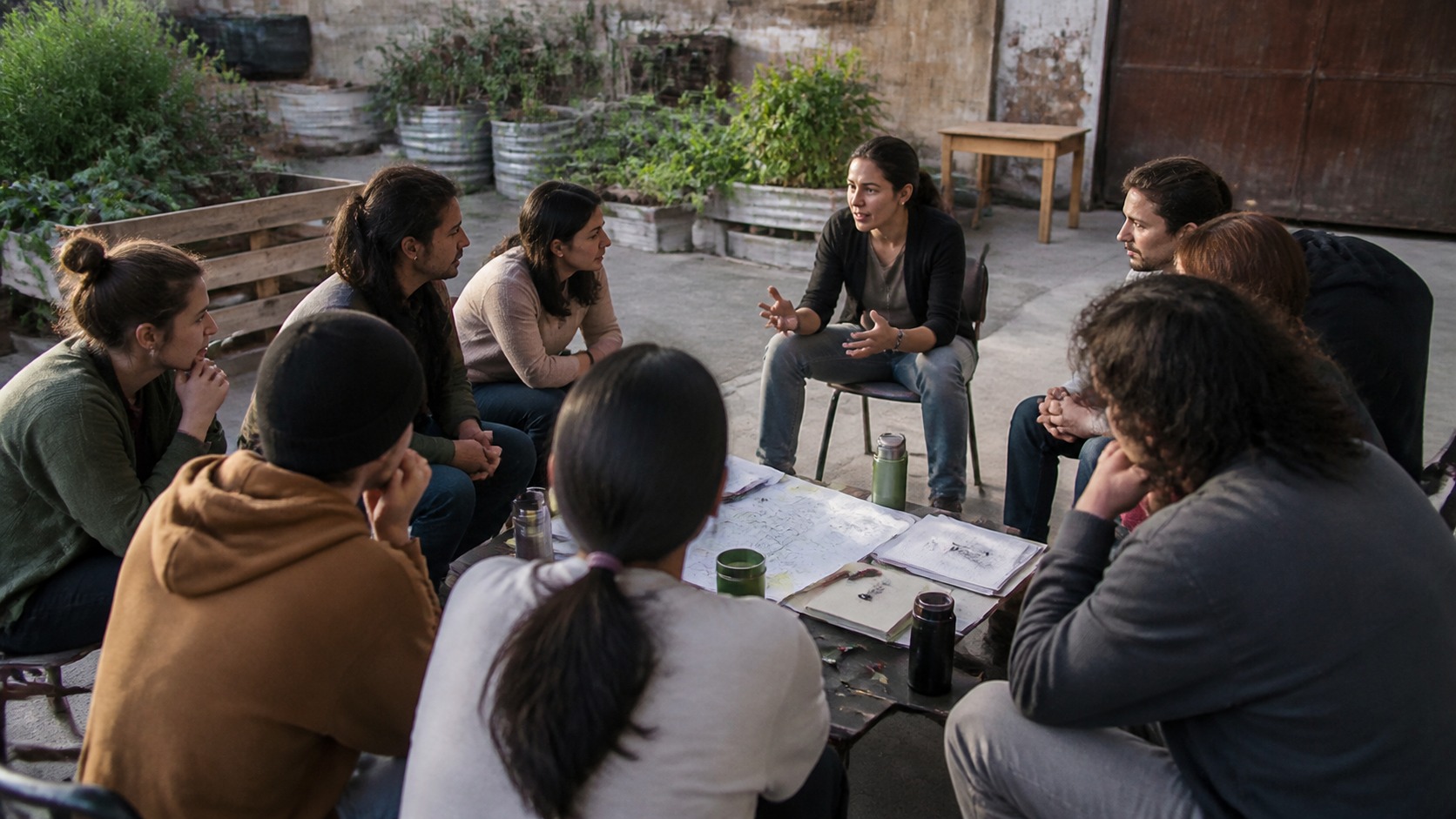
Signs of sexual and reproductive wellbeing in adolescence are not a matter of giving the right answer. They are present when information is understandable, limits are respected, and a young person can genuinely ask for help without fear or shame.
Put wellbeing before performance#
This section focuses on everyday wellbeing and the right to move at one’s own pace. A useful sign is described with facts and context, not labels: what happened, when it occurred, what changed, and what relieved or worsened the situation. That makes listening possible without turning a question into a test or demanding intimate explanations. Adolescence includes different paces, identities, cultures, and experiences; comparison with other people usually confuses more than it helps. Ask what the person already knows, what would help them feel safe, and who could accompany them if they choose to talk. From there, the practical step is to ask which support would be useful this week. The agreement should be realistic: one small action, one responsible person, and a date for checking whether it worked. If it brings calm, protects limits, or makes an appointment easier, keep it. If it does not help, that is not failure; it is information for adjusting support. Where there is risk, pain, violence, threats, sharing of intimate content, or a worry that prevents sleep, study, or relationships, seek competent support and do not leave friends carrying the whole burden.
This section focuses on everyday wellbeing and the right to move at one’s own pace.
Signs that a conversation is helping#
This section focuses on a conversation that leaves more calm and more options. A useful sign is described with facts and context, not labels: what happened, when it occurred, what changed, and what relieved or worsened the situation. That makes listening possible without turning a question into a test or demanding intimate explanations. Adolescence includes different paces, identities, cultures, and experiences; comparison with other people usually confuses more than it helps. Ask what the person already knows, what would help them feel safe, and who could accompany them if they choose to talk. From there, the practical step is to end the talk with a source and a person who are available. The agreement should be realistic: one small action, one responsible person, and a date for checking whether it worked. If it brings calm, protects limits, or makes an appointment easier, keep it. If it does not help, that is not failure; it is information for adjusting support. Where there is risk, pain, violence, threats, sharing of intimate content, or a worry that prevents sleep, study, or relationships, seek competent support and do not leave friends carrying the whole burden.
Tell ordinary questions from warning signs#
This section focuses on a concern that grows, hurts, or limits the day. A useful sign is described with facts and context, not labels: what happened, when it occurred, what changed, and what relieved or worsened the situation. That makes listening possible without turning a question into a test or demanding intimate explanations. Adolescence includes different paces, identities, cultures, and experiences; comparison with other people usually confuses more than it helps. Ask what the person already knows, what would help them feel safe, and who could accompany them if they choose to talk. From there, the practical step is to note the sign, its duration, and the appropriate resource. The agreement should be realistic: one small action, one responsible person, and a date for checking whether it worked. If it brings calm, protects limits, or makes an appointment easier, keep it. If it does not help, that is not failure; it is information for adjusting support. Where there is risk, pain, violence, threats, sharing of intimate content, or a worry that prevents sleep, study, or relationships, seek competent support and do not leave friends carrying the whole burden.
Notice consent and room to decide#
This section focuses on the freedom to stop, change one’s mind, and say no. A useful sign is described with facts and context, not labels: what happened, when it occurred, what changed, and what relieved or worsened the situation. That makes listening possible without turning a question into a test or demanding intimate explanations. Adolescence includes different paces, identities, cultures, and experiences; comparison with other people usually confuses more than it helps. Ask what the person already knows, what would help them feel safe, and who could accompany them if they choose to talk. From there, the practical step is to practise one short sentence for stopping a situation. The agreement should be realistic: one small action, one responsible person, and a date for checking whether it worked. If it brings calm, protects limits, or makes an appointment easier, keep it. If it does not help, that is not failure; it is information for adjusting support. Where there is risk, pain, violence, threats, sharing of intimate content, or a worry that prevents sleep, study, or relationships, seek competent support and do not leave friends carrying the whole burden.
Check that privacy is protected#
This section focuses on the difference between supporting and controlling personal data. A useful sign is described with facts and context, not labels: what happened, when it occurred, what changed, and what relieved or worsened the situation. That makes listening possible without turning a question into a test or demanding intimate explanations. Adolescence includes different paces, identities, cultures, and experiences; comparison with other people usually confuses more than it helps. Ask what the person already knows, what would help them feel safe, and who could accompany them if they choose to talk. From there, the practical step is to agree what information may be shared and with whom. The agreement should be realistic: one small action, one responsible person, and a date for checking whether it worked. If it brings calm, protects limits, or makes an appointment easier, keep it. If it does not help, that is not failure; it is information for adjusting support. Where there is risk, pain, violence, threats, sharing of intimate content, or a worry that prevents sleep, study, or relationships, seek competent support and do not leave friends carrying the whole burden.
Review the quality of received information#
This section focuses on sources that explain limits, options, and access. A useful sign is described with facts and context, not labels: what happened, when it occurred, what changed, and what relieved or worsened the situation. That makes listening possible without turning a question into a test or demanding intimate explanations. Adolescence includes different paces, identities, cultures, and experiences; comparison with other people usually confuses more than it helps. Ask what the person already knows, what would help them feel safe, and who could accompany them if they choose to talk. From there, the practical step is to check the message against a recognised health source. The agreement should be realistic: one small action, one responsible person, and a date for checking whether it worked. If it brings calm, protects limits, or makes an appointment easier, keep it. If it does not help, that is not failure; it is information for adjusting support. Where there is risk, pain, violence, threats, sharing of intimate content, or a worry that prevents sleep, study, or relationships, seek competent support and do not leave friends carrying the whole burden.
Record change without invading privacy#
This section focuses on observable facts that do not demand intimate disclosure. A useful sign is described with facts and context, not labels: what happened, when it occurred, what changed, and what relieved or worsened the situation. That makes listening possible without turning a question into a test or demanding intimate explanations. Adolescence includes different paces, identities, cultures, and experiences; comparison with other people usually confuses more than it helps. Ask what the person already knows, what would help them feel safe, and who could accompany them if they choose to talk. From there, the practical step is to choose a short voluntary check-in on a set date. The agreement should be realistic: one small action, one responsible person, and a date for checking whether it worked. If it brings calm, protects limits, or makes an appointment easier, keep it. If it does not help, that is not failure; it is information for adjusting support. Where there is risk, pain, violence, threats, sharing of intimate content, or a worry that prevents sleep, study, or relationships, seek competent support and do not leave friends carrying the whole burden.
Case 1: a persistent question after conflicting information#
This section focuses on a body-related question still lacking a reliable answer. A useful sign is described with facts and context, not labels: what happened, when it occurred, what changed, and what relieved or worsened the situation. That makes listening possible without turning a question into a test or demanding intimate explanations. Adolescence includes different paces, identities, cultures, and experiences; comparison with other people usually confuses more than it helps. Ask what the person already knows, what would help them feel safe, and who could accompany them if they choose to talk. From there, the practical step is to prepare two clear questions for a professional. The agreement should be realistic: one small action, one responsible person, and a date for checking whether it worked. If it brings calm, protects limits, or makes an appointment easier, keep it. If it does not help, that is not failure; it is information for adjusting support. Where there is risk, pain, violence, threats, sharing of intimate content, or a worry that prevents sleep, study, or relationships, seek competent support and do not leave friends carrying the whole burden.
Case 2: messages that cross a boundary#
This section focuses on digital pressure, persistence, and a need for support. A useful sign is described with facts and context, not labels: what happened, when it occurred, what changed, and what relieved or worsened the situation. That makes listening possible without turning a question into a test or demanding intimate explanations. Adolescence includes different paces, identities, cultures, and experiences; comparison with other people usually confuses more than it helps. Ask what the person already knows, what would help them feel safe, and who could accompany them if they choose to talk. From there, the practical step is to keep evidence and tell a trusted adult. The agreement should be realistic: one small action, one responsible person, and a date for checking whether it worked. If it brings calm, protects limits, or makes an appointment easier, keep it. If it does not help, that is not failure; it is information for adjusting support. Where there is risk, pain, violence, threats, sharing of intimate content, or a worry that prevents sleep, study, or relationships, seek competent support and do not leave friends carrying the whole burden.
Case 3: an appointment delayed by embarrassment#
This section focuses on access to a respectful and confidential appointment. A useful sign is described with facts and context, not labels: what happened, when it occurred, what changed, and what relieved or worsened the situation. That makes listening possible without turning a question into a test or demanding intimate explanations. Adolescence includes different paces, identities, cultures, and experiences; comparison with other people usually confuses more than it helps. Ask what the person already knows, what would help them feel safe, and who could accompany them if they choose to talk. From there, the practical step is to arrange contact with a competent service. The agreement should be realistic: one small action, one responsible person, and a date for checking whether it worked. If it brings calm, protects limits, or makes an appointment easier, keep it. If it does not help, that is not failure; it is information for adjusting support. Where there is risk, pain, violence, threats, sharing of intimate content, or a worry that prevents sleep, study, or relationships, seek competent support and do not leave friends carrying the whole burden.
When to seek a professional assessment#
This section focuses on pain, violence, coercion, or a persistent worry. A useful sign is described with facts and context, not labels: what happened, when it occurred, what changed, and what relieved or worsened the situation. That makes listening possible without turning a question into a test or demanding intimate explanations. Adolescence includes different paces, identities, cultures, and experiences; comparison with other people usually confuses more than it helps. Ask what the person already knows, what would help them feel safe, and who could accompany them if they choose to talk. From there, the practical step is to seek health, education, or safeguarding support without unnecessary delay. The agreement should be realistic: one small action, one responsible person, and a date for checking whether it worked. If it brings calm, protects limits, or makes an appointment easier, keep it. If it does not help, that is not failure; it is information for adjusting support. Where there is risk, pain, violence, threats, sharing of intimate content, or a worry that prevents sleep, study, or relationships, seek competent support and do not leave friends carrying the whole burden.
Guidance sources#
For general information, consult the WHO, UNFPA, the CDC, and the NHS. General information does not replace an individual assessment.