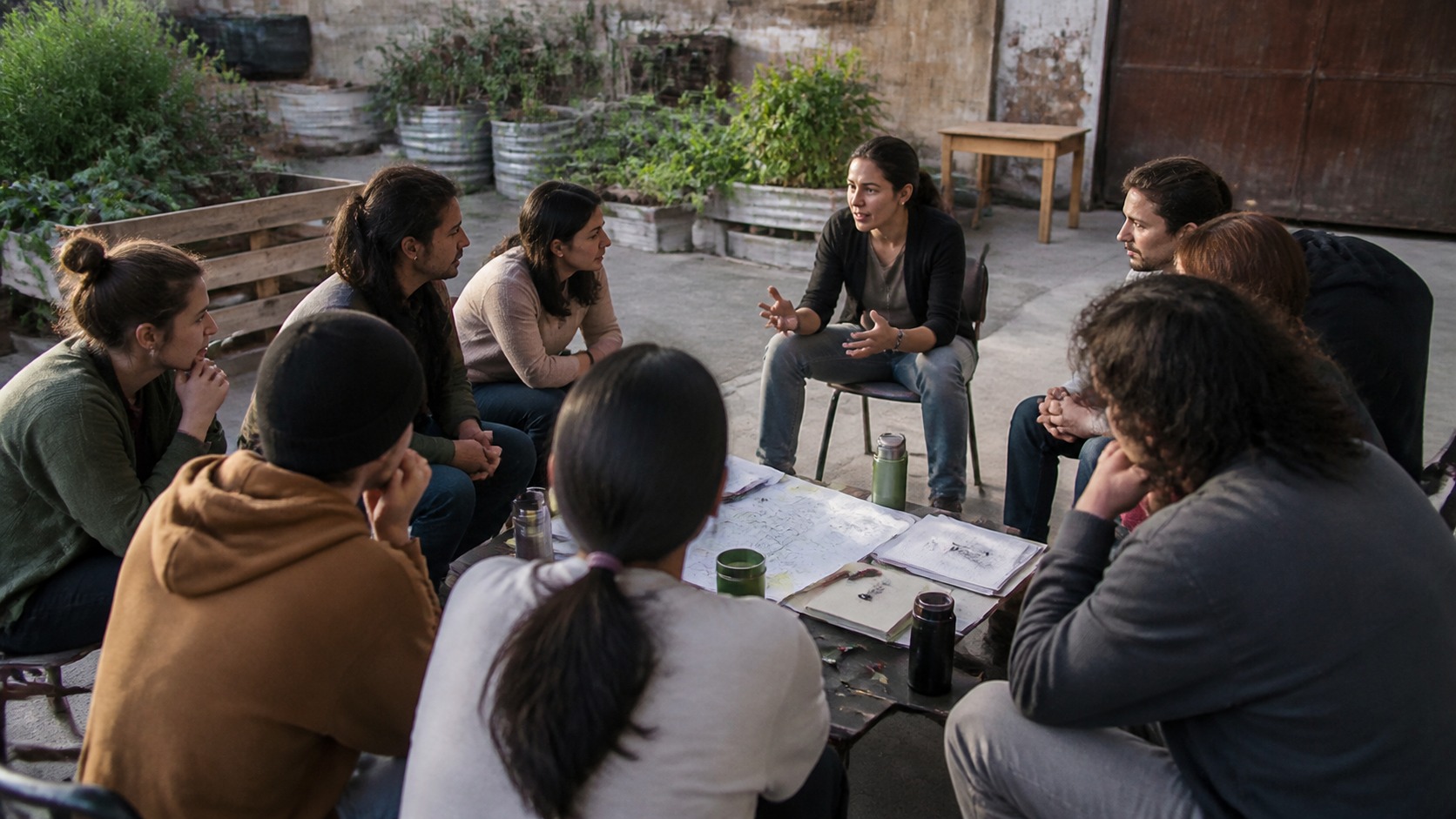
A useful agreement between family, school, and community begins with the adolescent participating in decisions that affect them. Before coordinating, each adult can say what support they offer, what information they truly need, and which privacy boundaries they will respect. This keeps care from becoming surveillance. When a sexual or reproductive health difficulty appears, a short plan helps people respond without panic, judgement, or leaving an adolescent alone. The priority is to combine safety, privacy, reliable information, and competent support.
Start with a care agreement#
A useful agreement between family, school, and community begins with the adolescent participating in decisions that affect them. Before coordinating, each adult can say what support they offer, what information they truly need, and which privacy boundaries they will respect. This keeps care from becoming surveillance. This step addresses immediate risk, pressure, or a situation that does not feel safe. Start by naming one specific situation, rather than assuming experiences, identity, orientation, or decisions. An adolescent may need time, plain language, and confidence that asking will not bring punishment. Listening does not mean promising absolute secrecy: it means honestly explaining what can remain private and when help is needed to protect someone. It is useful to tell a question that can be checked calmly from a sign that needs prompt support. The practical step is to step away from the situation, contact a trusted adult, or call an urgent service when needed. So the plan becomes more than a good intention, agree who will do it, where it will happen, and when the result will be checked. If the conversation increases fear, there is pressure to do something, pain appears, or boundaries are crossed, friends should not have to solve it alone. A health, education, or safeguarding resource can provide information, care, and respectful support. Reviewing the plan is not control: it makes sure the person keeps options, support, and room to decide.
A useful agreement between family, school, and community begins with the adolescent participating in decisions that affect them.
Set roles without intrusion#
Coordination does not mean that everyone receives the same details. A family can provide transport and listening, a school can offer guidance and everyday adjustments, and a health service can answer clinical questions. Setting these roles reduces conflicting messages and makes it easier to know whom to approach. This step addresses a conversation that lets someone share what is needed at their own pace. Start by naming one specific situation, rather than assuming experiences, identity, orientation, or decisions. An adolescent may need time, plain language, and confidence that asking will not bring punishment. Listening does not mean promising absolute secrecy: it means honestly explaining what can remain private and when help is needed to protect someone. It is useful to tell a question that can be checked calmly from a sign that needs prompt support. The practical step is to ask one open question and agree what information may be shared. So the plan becomes more than a good intention, agree who will do it, where it will happen, and when the result will be checked. If the conversation increases fear, there is pressure to do something, pain appears, or boundaries are crossed, friends should not have to solve it alone. A health, education, or safeguarding resource can provide information, care, and respectful support. Reviewing the plan is not control: it makes sure the person keeps options, support, and room to decide.
Prepare a safe conversation#
A coordination conversation works best when it starts with a question chosen by the adolescent: what support they want, what they fear may happen, and who may be present. Write down a short agreement with one action, one responsible person, and a review date. This step addresses separating facts, questions, rumours, and decisions still to be made. Start by naming one specific situation, rather than assuming experiences, identity, orientation, or decisions. An adolescent may need time, plain language, and confidence that asking will not bring punishment. Listening does not mean promising absolute secrecy: it means honestly explaining what can remain private and when help is needed to protect someone. It is useful to tell a question that can be checked calmly from a sign that needs prompt support. The practical step is to write down two questions and check them against a recognised health source. So the plan becomes more than a good intention, agree who will do it, where it will happen, and when the result will be checked. If the conversation increases fear, there is pressure to do something, pain appears, or boundaries are crossed, friends should not have to solve it alone. A health, education, or safeguarding resource can provide information, care, and respectful support. Reviewing the plan is not control: it makes sure the person keeps options, support, and room to decide.
Share information with consent#
Confidentiality needs clear explanations, not impossible promises. Before sharing information, agree which detail will be communicated, for what purpose, and with whom. Where there is serious risk, adults should explain why safeguarding must be activated and stay alongside the person through the process. This step addresses identifying the most suitable health, education, or safeguarding resource. Start by naming one specific situation, rather than assuming experiences, identity, orientation, or decisions. An adolescent may need time, plain language, and confidence that asking will not bring punishment. Listening does not mean promising absolute secrecy: it means honestly explaining what can remain private and when help is needed to protect someone. It is useful to tell a question that can be checked calmly from a sign that needs prompt support. The practical step is to book an appointment, speak with guidance staff, or ask a chosen person to accompany them. So the plan becomes more than a good intention, agree who will do it, where it will happen, and when the result will be checked. If the conversation increases fear, there is pressure to do something, pain appears, or boundaries are crossed, friends should not have to solve it alone. A health, education, or safeguarding resource can provide information, care, and respectful support. Reviewing the plan is not control: it makes sure the person keeps options, support, and room to decide.
Connect school and health care#
School does not replace health care, but it can be a respectful bridge. Guidance staff, a tutor, or school nursing can help locate services, make an appointment easier, and sustain routine without asking for intimate explanations. The agreement should state what is shared and what remains private. This step addresses checking whether the agreed measure reduced the problem or needs to change. Start by naming one specific situation, rather than assuming experiences, identity, orientation, or decisions. An adolescent may need time, plain language, and confidence that asking will not bring punishment. Listening does not mean promising absolute secrecy: it means honestly explaining what can remain private and when help is needed to protect someone. It is useful to tell a question that can be checked calmly from a sign that needs prompt support. The practical step is to set a short review and decide together what should stay or change. So the plan becomes more than a good intention, agree who will do it, where it will happen, and when the result will be checked. If the conversation increases fear, there is pressure to do something, pain appears, or boundaries are crossed, friends should not have to solve it alone. A health, education, or safeguarding resource can provide information, care, and respectful support. Reviewing the plan is not control: it makes sure the person keeps options, support, and room to decide.
Include community resources#
Youth services, health centres, community groups, and safeguarding services widen choices when family or school are not enough. Keeping a local list of contacts and opening hours prevents improvisation during a frightening moment. Choosing a service with the adolescent makes them more likely to use it. This step addresses sharing only necessary information with people able to help. Start by naming one specific situation, rather than assuming experiences, identity, orientation, or decisions. An adolescent may need time, plain language, and confidence that asking will not bring punishment. Listening does not mean promising absolute secrecy: it means honestly explaining what can remain private and when help is needed to protect someone. It is useful to tell a question that can be checked calmly from a sign that needs prompt support. The practical step is to explain each service’s confidentiality limits clearly. So the plan becomes more than a good intention, agree who will do it, where it will happen, and when the result will be checked. If the conversation increases fear, there is pressure to do something, pain appears, or boundaries are crossed, friends should not have to solve it alone. A health, education, or safeguarding resource can provide information, care, and respectful support. Reviewing the plan is not control: it makes sure the person keeps options, support, and room to decide.
Case 1: an appointment needing support#
In this case, coordination begins by asking whether the person wants to go alone, with a friend, or with a trusted adult. Family can arrange travel, school can prevent unnecessary absence problems, and the professional can explain appointment privacy. No one needs more detail than is necessary. This step addresses repeated messages seeking images or trying to force a reply. Start by naming one specific situation, rather than assuming experiences, identity, orientation, or decisions. An adolescent may need time, plain language, and confidence that asking will not bring punishment. Listening does not mean promising absolute secrecy: it means honestly explaining what can remain private and when help is needed to protect someone. It is useful to tell a question that can be checked calmly from a sign that needs prompt support. The practical step is to keep evidence, block when safe, and tell an adult or safeguarding service. So the plan becomes more than a good intention, agree who will do it, where it will happen, and when the result will be checked. If the conversation increases fear, there is pressure to do something, pain appears, or boundaries are crossed, friends should not have to solve it alone. A health, education, or safeguarding resource can provide information, care, and respectful support. Reviewing the plan is not control: it makes sure the person keeps options, support, and room to decide.
Case 2: messages crossing boundaries#
When insistent messages arrive, the agreement must prioritise safety and avoid blame. An adult can help preserve evidence and seek protection; school can activate its protocol if community life is affected; a specialist service can advise on next steps. The choice to disclose should respect the affected person’s possible pace. This step addresses a preventive decision that someone wants to understand before acting. Start by naming one specific situation, rather than assuming experiences, identity, orientation, or decisions. An adolescent may need time, plain language, and confidence that asking will not bring punishment. Listening does not mean promising absolute secrecy: it means honestly explaining what can remain private and when help is needed to protect someone. It is useful to tell a question that can be checked calmly from a sign that needs prompt support. The practical step is to take the question to a professional and review options, access, and correct use. So the plan becomes more than a good intention, agree who will do it, where it will happen, and when the result will be checked. If the conversation increases fear, there is pressure to do something, pain appears, or boundaries are crossed, friends should not have to solve it alone. A health, education, or safeguarding resource can provide information, care, and respectful support. Reviewing the plan is not control: it makes sure the person keeps options, support, and room to decide.
Case 3: a preventive decision#
A preventive decision becomes manageable when everyone agrees where to find information and who will accompany the person, without pressing for an answer. Health care clarifies options and use; family provides practical support; school protects time and dignity. A later review can correct access barriers. This step addresses fear that an appointment will reveal private information to others. Start by naming one specific situation, rather than assuming experiences, identity, orientation, or decisions. An adolescent may need time, plain language, and confidence that asking will not bring punishment. Listening does not mean promising absolute secrecy: it means honestly explaining what can remain private and when help is needed to protect someone. It is useful to tell a question that can be checked calmly from a sign that needs prompt support. The practical step is to prepare one sentence to request care and ask about privacy conditions. So the plan becomes more than a good intention, agree who will do it, where it will happen, and when the result will be checked. If the conversation increases fear, there is pressure to do something, pain appears, or boundaries are crossed, friends should not have to solve it alone. A health, education, or safeguarding resource can provide information, care, and respectful support. Reviewing the plan is not control: it makes sure the person keeps options, support, and room to decide.
Review agreements and seek help early#
Reviewing the agreement one week later shows whether it helped or added pressure. If pain, coercion, violence, threats, unintended pregnancy, or sharing of intimate content appears, do not wait for the next meeting: seek competent support. Good coordination keeps several routes to help open. This step addresses pain, coercion, violence, threats, unintended pregnancy, or sharing of intimate content. Start by naming one specific situation, rather than assuming experiences, identity, orientation, or decisions. An adolescent may need time, plain language, and confidence that asking will not bring punishment. Listening does not mean promising absolute secrecy: it means honestly explaining what can remain private and when help is needed to protect someone. It is useful to tell a question that can be checked calmly from a sign that needs prompt support. The practical step is to seek competent support without waiting for the situation to get harder. So the plan becomes more than a good intention, agree who will do it, where it will happen, and when the result will be checked. If the conversation increases fear, there is pressure to do something, pain appears, or boundaries are crossed, friends should not have to solve it alone. A health, education, or safeguarding resource can provide information, care, and respectful support. Reviewing the plan is not control: it makes sure the person keeps options, support, and room to decide.
General guidance sources#
A useful agreement between family, school, and community begins with the adolescent participating in decisions that affect them. Before coordinating, each adult can say what support they offer, what information they truly need, and which privacy boundaries they will respect. This keeps care from becoming surveillance. WHO · UNFPA · CDC · NHS. These sources provide general guidance and do not replace an individual assessment.