
Reflections & stories
Ideas, experiences and learnings about education, technology and coexistence.
Showing 324 of 341 articles

The discussion missing from the headlines: The digital rights we use without naming
The debate on digital protest needs guarantees.Moderate Fast protects against abuse and can also silence organization and evidence.
Read article
When convenience starts to get expensive: The digital rights we use without naming
Identity with a touch can be expensive.Concentrating comfort creates a point of failure capable of suspending digital life.
Read article
The question that a company cannot answer alone: The digital rights we use without naming
A company cannot decide on everyday biometrics alone.The body is a permanent credential and its use affects freedom, discrimination and security.
Read article
The silent change that is already underway: The digital rights we use without naming
The closure of non-digital channels modifies rights without announcing them.Internal efficiency can turn a private tool into a requirement for a public service.
Read article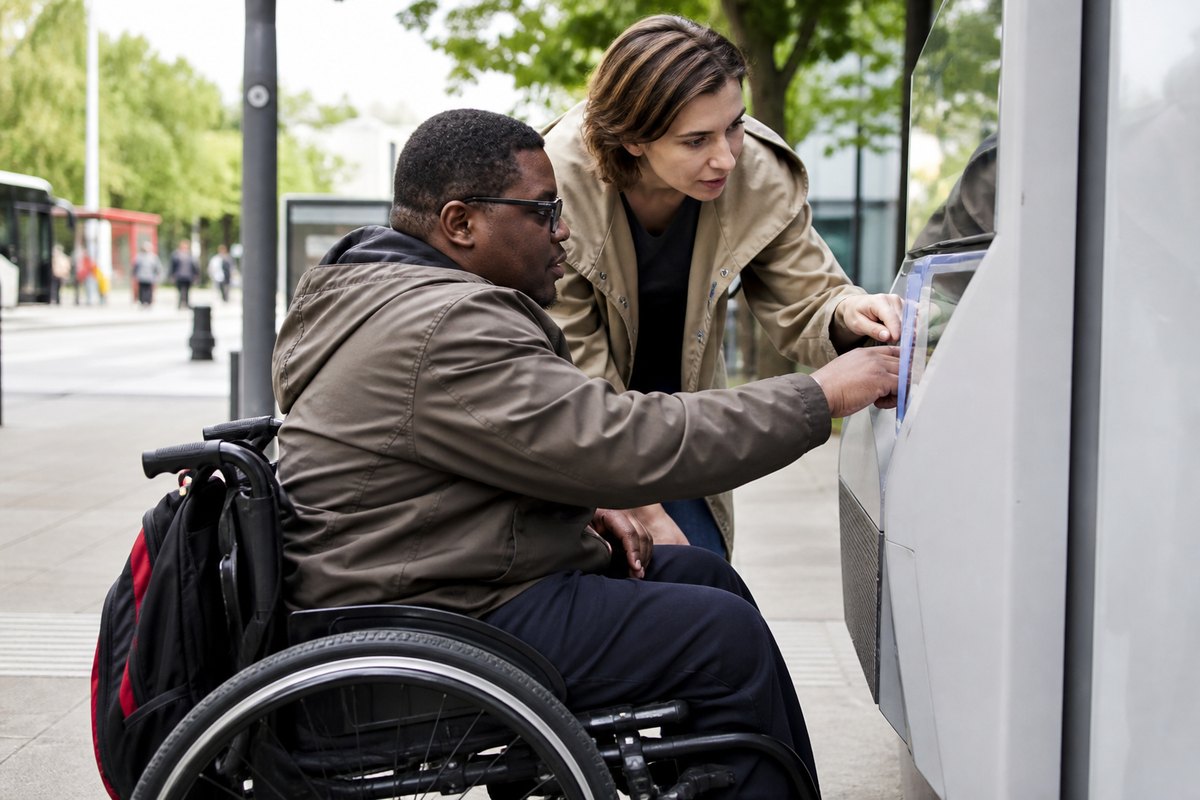
The promise that should be read carefully: The digital rights we use without naming
The smart city must be read as a city that observes.Urban comfort can expand surveillance without a new democratic decision.
Read article
The news that should worry us most: The digital rights we use without naming
Recovering an account is exercising several rights at the same time.Digital identity concentrates memory, services and the ability to demonstrate relationships.
Read article
The question that should open the next debate: Digital rights
The next debate must include the right not to be profiled. The formal alternative was much more expensive and made privacy a luxury.
Read article
The conversation that deserves more time: Digital rights
Digital heritage needs a longer conversation. Ownership, privacy, and memory come into tension when services do not offer understandable instructions.
Read article
What a screen cannot decide: Digital rights
A screen cannot assess a vital circumstance on its own. The ruler registered absence of activity but could not understand the cause or the severity of the consequence.
Read article
The problem is not technical, it is cultural: Digital rights
Rights are weakened when the exception is normalized. Repetition turned a debatable decision into a seemingly inevitable cultural routine.
Read article
The responsibility that no one can delegate: Digital rights
The institution retains responsibility for its suppliers. Hiring technology does not allow contracting outside the duty to motivate and review a public decision.
Read article
The future does not arrive the same for everyone: Digital rights
The digital future depends on infrastructures that not everyone has. Presenting a stable connection as a normal condition turns material inequality into user failure.
Read article