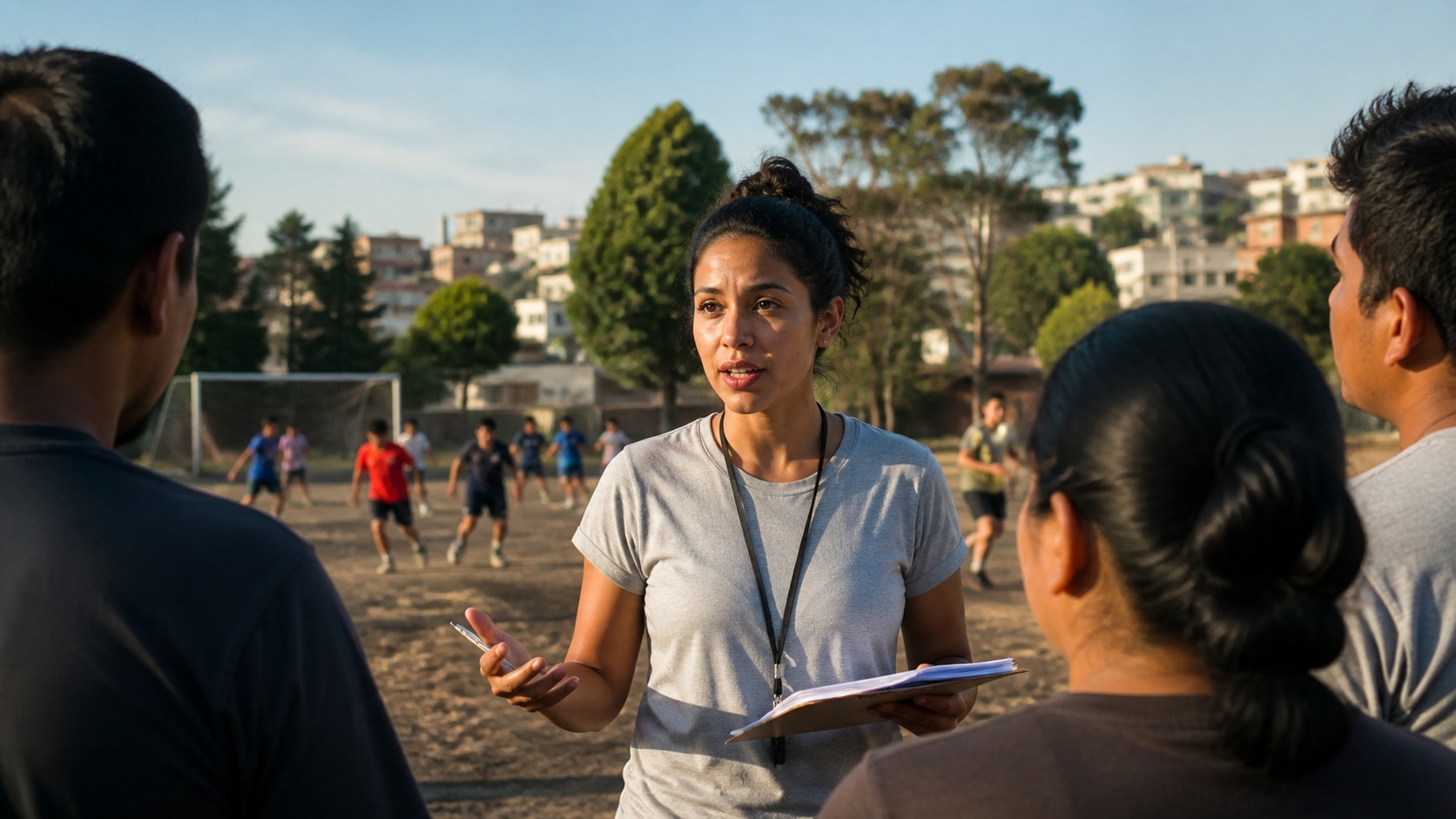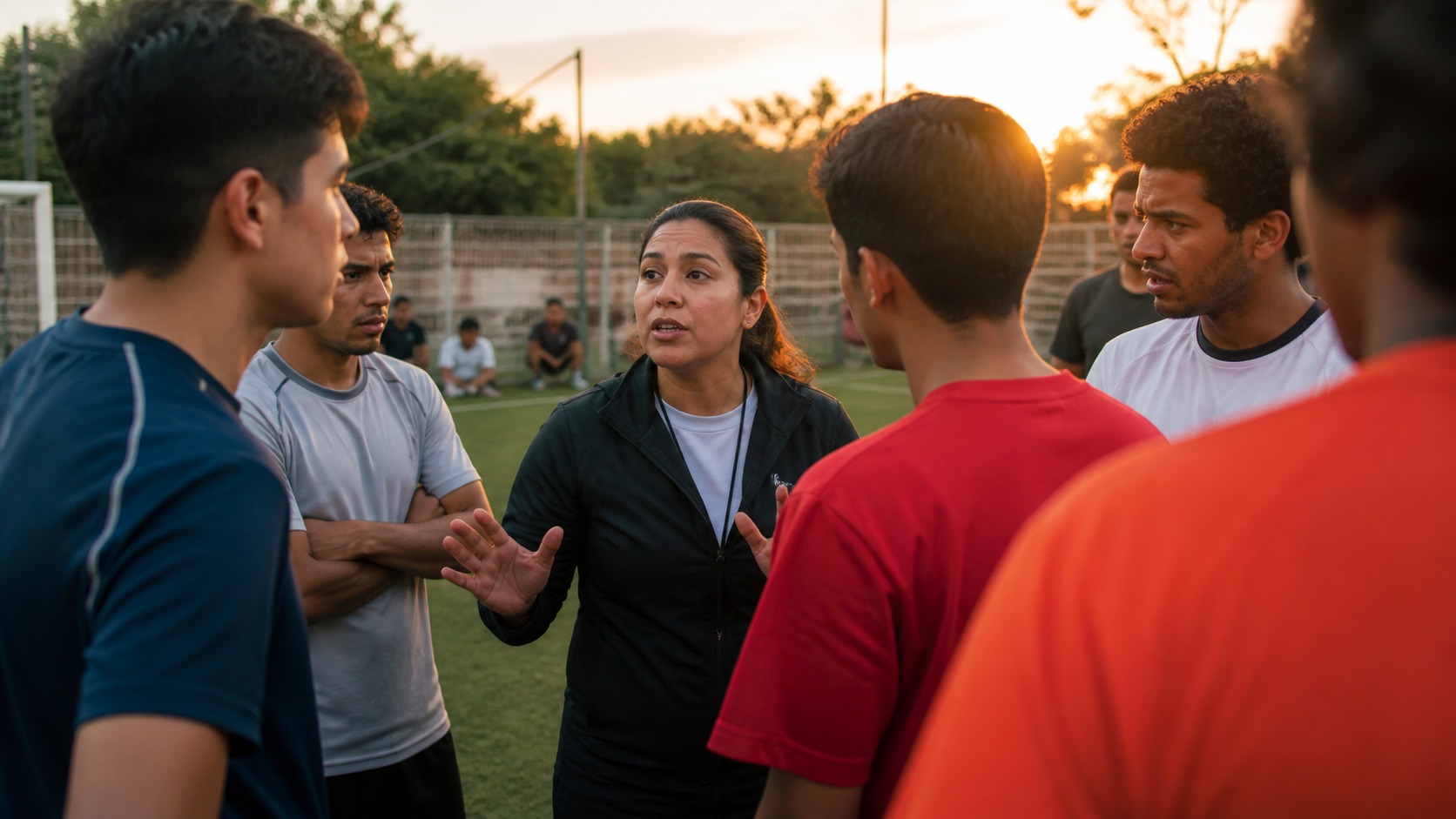
A youth programme looks simple when the room opens, the forms work and participants receive timely answers. That ease is produced by labour: arranging access, explaining language, calming conflict, remembering needs, documenting decisions and following up afterwards. When the budget and official story omit these tasks, they usually settle on the most caring young people, families or frontline workers. Making invisible work visible allows it to be reduced, shared and resourced, so participation creates influence without demanding endless personal sacrifice.
Every smooth experience has a hidden production line#
A ninety-minute forum may require days of messages, consent arrangements, travel plans, accessibility checks and relationship building. Afterwards someone writes notes, answers anxiety and pursues officials for decisions. The public agenda captures none of this. If evaluation counts only attendance and outputs, unpaid support becomes an unexplained efficiency. The organisation appears productive because the real cost is carried outside its accounts by people whose availability has been treated as natural.
A ninety-minute forum may require days of messages, consent arrangements, travel plans, accessibility checks and relationship building.
Hidden work follows social expectations. Young women are asked to care, multilingual participants to interpret, disabled participants to teach accessibility and experienced organisers to solve every procedural gap. Competence attracts more obligation. Praise can intensify the trap by calling someone indispensable while offering no relief or authority. Recognition should therefore lead to changed staffing, money and boundaries. It should not turn an unfair assignment into a heroic identity.
A work map covers invitation, preparation, access, facilitation, safeguarding, records, feedback and repair. For each stage it identifies tasks, estimated time, responsible roles, resources and backup. It also includes mental coordination: remembering exceptions, anticipating tension and connecting people to help. The map need not monitor every caring gesture. Its purpose is to reveal recurring functions on which the programme depends and prevent them from remaining permanent favours.
Recognition must be followed by reduction and redistribution#
Naming work is only the first move. Reduction removes duplicate forms, purposeless meetings and fragmented channels. Redistribution places legal, administrative and protective duties with institutions that hold authority and spreads other roles without fixing them to gender or personality. Payment and representation may also be required. The aim is not to commercialise every relationship. It is to ensure that solidarity supplements a responsible system rather than concealing its absence.
Technology should be assessed across the whole journey. A portal may save staff time while making applicants scan documents, reset passwords and seek informal support. A messaging group may speed announcements while turning one coordinator into a twenty-four-hour help desk. Automation creates shared efficiency only if total time, failures and exclusions fall. Otherwise labour has moved to people with less power and disappeared from the institutional dashboard.
Redistribution is not the same as rotating overload. A safeguarding crisis cannot be allocated to an untrained young volunteer in the name of ownership. Public and organisational obligations remain with accountable adults and services. Young people can shape priorities, evaluate support and share appropriate decisions. They should not become cheap replacements for professional care, administration or legal responsibility. Genuine power includes the authority to refuse an unsafe role.
Concrete case 1: the peer mentor who became an unpaid caseworker#
A college hired youth ambassadors to welcome new students. One ambassador was trusted by classmates facing housing and immigration problems. Staff began directing difficult conversations to her because she communicated well. Her contracted hours covered events, not case support, yet she answered private messages every evening and accompanied people to offices. The programme reported strong peer engagement while relying on a nineteen-year-old to bridge gaps between professional services.
A review separated welcoming, navigation and casework. The college funded a drop-in adviser, published referral boundaries and trained ambassadors to listen without assuming responsibility. The young woman received back pay for additional hours and support after distressing conversations. She helped redesign the referral card, but personal cases moved to qualified staff. An on-call number replaced her private account, and students could still choose peer company at appointments.
After a term, response times improved and ambassadors reported less pressure. More students reached specialist help because the route no longer depended on knowing one popular person. The mentor remained influential, presenting patterns to leadership without disclosing identities. Her contribution changed services rather than substituting for them. Repair recognised both the expertise she had developed and the harm of making that expertise endlessly available.
Concrete case 2: the youth council built on a parent's car#
A rural youth council met at the county headquarters and celebrated representation from distant villages. In practice, one parent drove four participants for three hours each meeting, waited outside and bought food. The council reimbursed members' bus fares, but no usable bus existed. Reports described equal regional access because every seat was filled. The apparent simplicity of attendance depended on unpaid transport and care supplied by one household.
The county mapped the whole trip rather than the meeting alone. It scheduled hybrid participation with reliable equipment, contracted a shared vehicle on decision days and moved some sessions between towns. Travel time received compensation and meals were provided. The parent joined a one-off access review but did not become transport coordinator. Members set standards for connection quality and could postpone a vote if a remote participant was excluded.
Over six months the council tracked journey time, cancellations, remote speaking and personal spending. Attendance became less dependent on family income and availability. Costs appeared higher in the public budget because they had previously been hidden in a home. The programme accepted that honest inclusion has a price and that filling a chair is not equal access when another person must donate an entire evening to make it possible.
Concrete case 3: the community podcast edited through the night#
A youth media project released a weekly podcast presented as collective production. One participant quietly removed harmful details, balanced audio, wrote descriptions and obtained music permissions after everyone else left. Deadlines kept being met, so managers assumed the workflow was effective. When she asked for a break, the group worried that the series would fail. Creative ownership had hidden specialised editing, legal checks and emotional responsibility inside one volunteer role.
The project reduced frequency, purchased accessible editing support and divided editorial, technical and safeguarding decisions. Contributors submitted files through a consistent checklist. Two people learned each essential process during paid sessions, while the original editor chose a narrower creative role. Publication dates included review time, and an episode could be delayed without blaming a participant. Consent for personal stories was checked again after editing rather than presumed at recording.
The podcast released fewer episodes but improved accuracy and retention. Work logs showed that production time had been three times the estimate. The revised budget funded what the project actually required, and no single absence could halt publication. The editor's invisible expertise became design knowledge shared on her terms. Simplicity was redefined as a dependable process, not a polished product created by concealed exhaustion.
Authoritative frameworks connect care, participation and rights#
The International Labour Organization's care economy framework includes paid and unpaid, direct and indirect work that sustains quality of life, capabilities, agency, autonomy and dignity. This broad understanding helps youth programmes recognise preparation, education and emotional support as productive conditions. Care is not a decorative kindness added after the real work; it is part of the infrastructure that makes action possible.
UN Women guidance on unpaid care work advances recognition, reduction and redistribution, with reward and representation in the expanded framework. Its emphasis on data, enabling policies and public services prevents recognition from ending in gratitude. Applied to youth engagement, the framework asks who creates the conditions for participation and whether carers can influence decisions about resources and design.
UNICEF's resources for meaningful youth engagement include guidance on consultation, compensation, disability, seldom-heard groups and safer settings. Together, they demonstrate that a visible contribution rests on substantial preparation and support. Expenses and payment require transparent, equitable decisions. Follow-up needs ownership. Young people's enthusiasm cannot replace the institution's duty to build conditions in which different people can participate.
The UNICEF protocol on Young People's Participation and Mental Health asks practitioners to reflect on power, bias, resources and organisational capacity. It is directly relevant when invisible labour includes holding distress after a difficult conversation. Safe participation needs boundaries, referral and trained support. An empathetic young participant should not become the unofficial mental-health service because the programme failed to prepare one.
The Office of the High Commissioner for Human Rights Youth Rights Advocacy Toolkit links meaningful participation with equality, safety, privacy, transparency and public accountability. This rights frame reveals a key distinction: distributing tasks is not distributing power. Youth labour that keeps a process running but cannot influence budgets, implementation or evaluation may reproduce marginalisation under an empowering label.
An honest budget pays attention before and after the event#
Budget lines should cover design, outreach, access, compensation, facilitation, safeguarding, records, feedback and repair. Contingency is essential because genuine inclusion reveals needs that initial planners may miss. When every resource is spent on venue, branding and the public moment, later barriers search for private generosity. A detailed budget shows what an organisation considers real and protects support work from disappearing first when pressure arrives.
Compensation needs context rather than one universal rate. Participation may involve representation, learning, employment or specialist advice. Expenses should never be a barrier, and payments must be timely, usable and compatible with individual circumstances. Certificates, authorship and visibility can be valuable when chosen, but they should not disguise wages or reimbursements owed. Payment recognises time; it cannot purchase agreement or waive the right to criticise.
Professional time must also be realistic. One staff member cannot facilitate, safeguard, document and follow up simultaneously without quality falling or work leaving paid hours. Capacity planning may require a smaller programme. That is not a failure of ambition. A limited process that keeps commitments is more respectful than a large one sustained by hidden overtime and participant rescue. Saying no to unfunded activity can be an act of care.
No person should become human infrastructure#
When one individual holds passwords, relationships, conflict history and practical knowledge, the organisation creates both power concentration and vulnerability. Shared procedures and paired roles enable rest and succession, but sensitive information must remain protected. Distributing responsibility does not mean copying every confidence. A robust system distinguishes what each role needs, limits access and deletes personal data when its purpose ends.
Emotional roles require explicit boundaries. Listening and welcoming do not include absorbing threats, harassment or crisis without support. Participants should know who responds, when an issue must be escalated and what confidentiality can be promised. Peer supporters need training, supervision and an ordinary right to step away. Community solidarity should connect people to care, not provide an excuse for institutions to withhold it.
Repair begins by naming what was taken without a fair agreement: time, money, privacy, creative credit or emotional exposure. Responses can include payment, removal of content, apology, respite, replacement and protocol change. Gratitude offered after burnout is insufficient. A credible repair changes the structure that produced dependency, otherwise another helpful person will inherit the same invisible job under a new title.
Whole-system measures produce a different result#
Evaluation can track hours by task and role, personal spending, after-hours contact, attrition, response time and number of people able to provide backup. Qualitative questions ask whether work was chosen, supported and connected to influence. This evidence is not designed to police generosity. It identifies when a celebrated outcome is financed through unequal access to time and care and gives decision-makers grounds to change scope or resources.
Feedback should reach everyone who sustained the process, not only public speakers. It explains which burden was recognised, what was removed and who will own remaining functions. Participants can correct the map. A short call may rely on years of trust; a convenient form may generate hours of help elsewhere. Their operational knowledge prevents an institution from turning its own blind spot into the official measure of efficiency.
A young voice with power does not have to carry everything. It can name hidden costs, refuse an unjust expectation and help decide how resources move. When preparation, translation, care and follow-up enter the design, simplicity stops being a fiction maintained by exhaustion. More people can contribute, organisations remain accountable for their duties and youth leadership becomes sustainable. Dignity, security and repair then live inside everyday operations rather than at the edge of the story.