A carefully held conflict can strengthen a community because it reveals what easy agreement leaves unseen. When young people have genuine power to transform decisions, disagreement is not evidence of disloyalty. It is knowledge about barriers, trade-offs and needs. Care does not require a cheerful ending. It requires dignity, safety, understandable decisions and a credible way to repair harm created by the process itself.
Youth participation is often welcomed while it confirms an institution's preferred story. Its quality is tested when a student challenges a budget, an apprentice rejects an impossible schedule or a neighborhood group questions a professionally designed plan. At that point, the invitation either permits influence or becomes decoration. Holding the conflict requires rules, information and accountable adults rather than exceptional courage from a young person.
A quiet meeting is not necessarily a healthy meeting. Silence may express trust, but it may also reflect fear of losing an opportunity, a grant or an adult's approval. Communities therefore need better evidence than the number of objections. They should ask whether disagreement can be raised early, whether it receives a reasoned response and whether people who defend a minority position remain connected afterward.
Conflict reveals knowledge hidden beneath positions#
The visible position is only one layer. A demand for later opening hours may contain needs for autonomy, safety, rest and belonging. Beneath those needs sits power: who controls the agenda, who has the figures and who can afford to wait. A compromise between positions can remain unjust if it ignores the unequal conditions that produced them.
The visible position is only one layer. A demand for later opening hours may contain needs for autonomy, safety, rest and belonging.
Young people contribute situated expertise. They understand what it means to miss the last bus, share a device, depend on a stipend or navigate contradictory expectations between family and school. This experience does not replace technical evidence. It completes evidence that would otherwise be partial. A responsible institution explains how both forms of knowledge were weighed and identifies what changed because young people spoke.
Separating the person from the problem is an early act of care. A firm objection does not make someone a difficult person. It also helps to separate intention, impact and responsibility. Well-intended action may cause serious harm. Recognizing that harm does not require an accusation of malice, but it does create an obligation to respond.
Safety protects voice rather than managerial comfort#
A safe space does not promise freedom from discomfort. It prevents discomfort from becoming humiliation, threat, retaliation or exclusion. Ground rules for speaking turns, privacy, records and support should be known before tension rises. The group also needs to know which conduct will pause a session and how the process will resume. Improvised safeguards usually favor whoever already holds authority.
Adult power remains present in an informal room. A coach, principal or municipal officer may control assessment, funding or future invitations. They carry an additional duty to disclose interests, avoid closing debate and offer alternative channels. If public disagreement with the decision-maker is the only route, participation selects for confidence, time and social protection.
Conflict must also be distinguished from violence. Harassment and threats require immediate protection, not mediation that invents equal responsibility. Differences about priorities, rules or resources can benefit from facilitation, evidence and temporary agreements. Confusing these categories can abandon a harmed person in one situation and criminalize legitimate dissent in another.
Concrete case: a school council divides a cultural budget#
A school council planned to spend most of its youth budget on an annual festival. Several students proposed using part of the money for transport to weekly activities. Leaders defended the festival as a shared tradition and said commitments had been announced. Tension grew because both sides protected a recognizable good: collective identity and continuous access. The first mistake was portraying the issue as gratitude versus disruption.
A facilitator published the figures, identified reversible contracts and asked who would be excluded by each option. The group learned that many lower-income students missed rehearsals because travel was expensive. It reduced one stage feature, created transport support and scheduled a six-month review. Nobody received everything, yet student knowledge left a trace in the budget and the cost of the agreement became visible.
Build an architecture for disagreement in advance#
Prevention does not eliminate differences. It creates infrastructure for addressing them. Before a consequential decision, an institution should state what remains open, what legal or financial limits apply and who will decide. Young participants need time to consult peers. Demanding an instant answer in a room full of specialists rewards fluency in institutional language and turns participation into an improvisation test.
A concise decision record connects listening to action. It can include the proposal, evidence, objections, response, owner and review date without exposing personal data. When an idea is rejected, the explanation should identify the criterion and a route for reconsideration. A generic expression of thanks is not accountability because it leaves participants unable to learn or challenge the reasoning.
Roles should rotate as well. If adults always facilitate and decide while young members take notes, hierarchy survives inside a participation program. Sharing preparation, moderation and follow-up reveals different capacities. Training in budgets, questions and facilitation can expand access, but it must not become an endless prerequisite used to postpone the transfer of power.
Concrete case: a sports club argues about commitment#
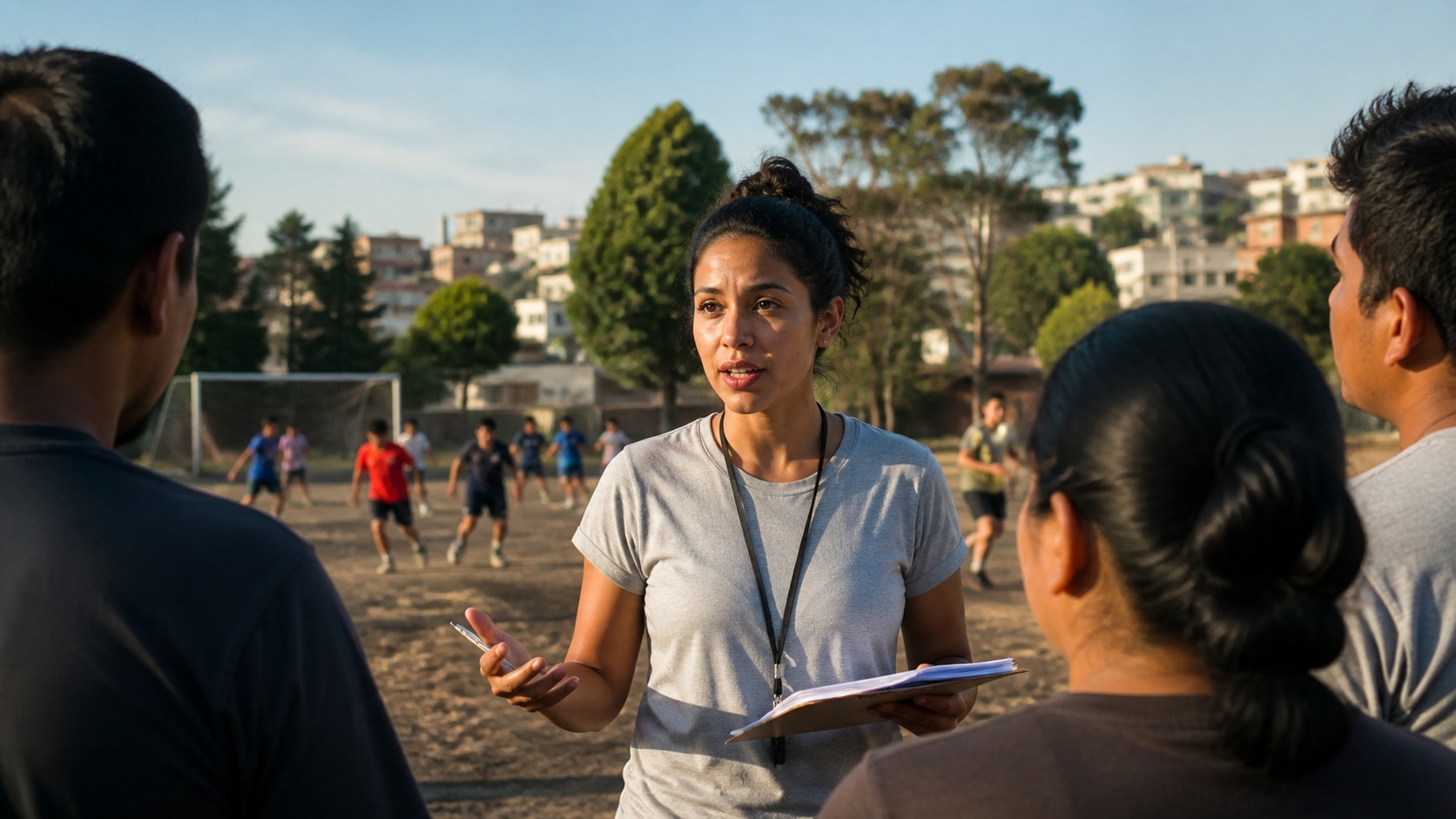
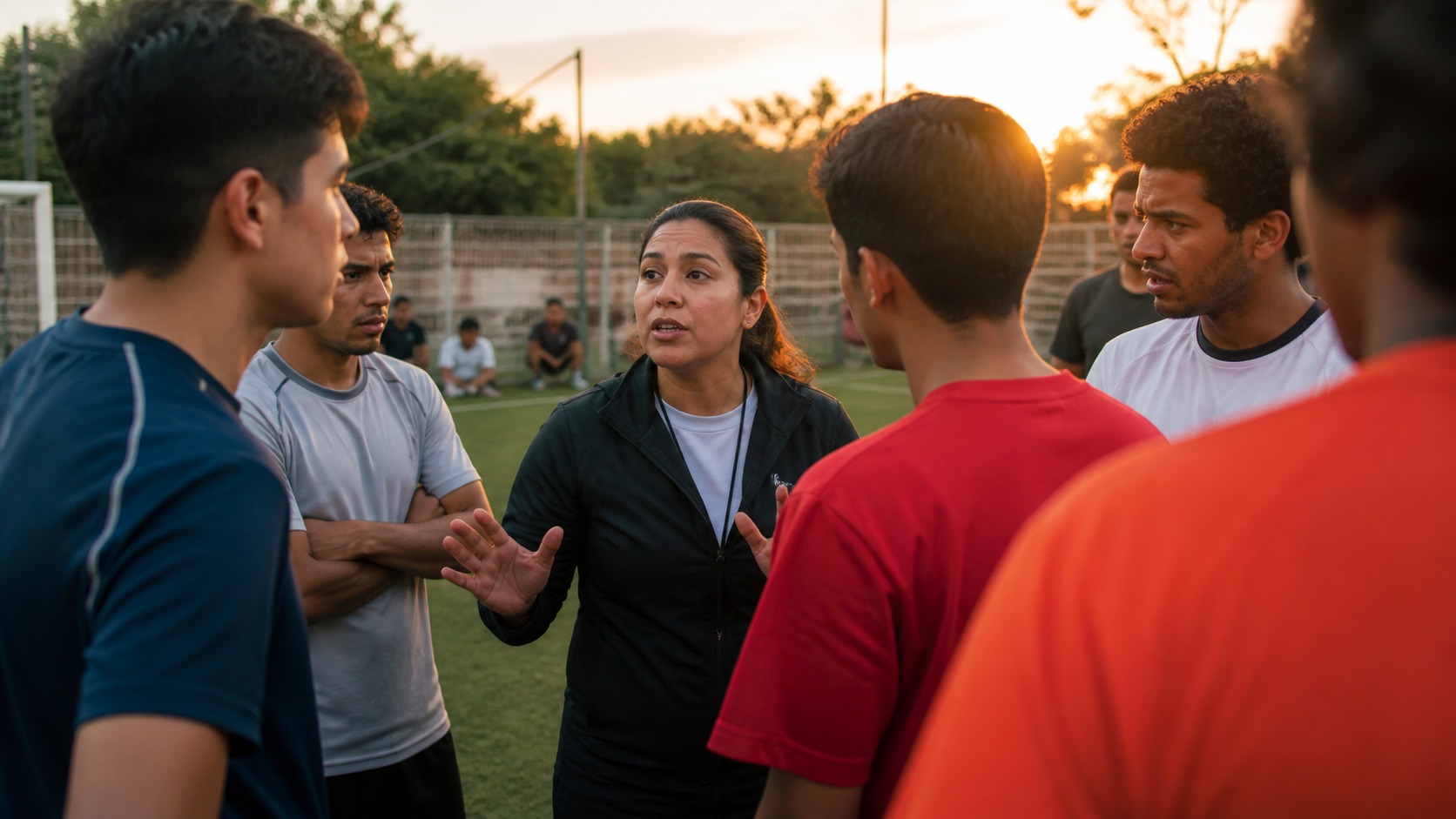
A neighborhood team wanted later training because some players worked or studied. Other families feared night travel, and staff cited additional costs. Meetings became judgments about commitment. Late arrivals appeared undisciplined; requests for earlier sessions appeared unambitious. The moral label concealed different constraints and distributed blame without solving the schedule.
For eight weeks the club tested alternating sessions, a shared route and limited travel support. It measured attendance, fatigue, incidents and cost while collecting anonymous accounts. The final rule allowed two time bands and prohibited sporting penalties for choosing one because of work or care. Conflict strengthened the club by replacing labels with evidence and creating a scheduled correction point.
Facilitation should hold the process without taming it#
A facilitator may summarize, distribute speaking time and request examples. They should not translate every youth contribution into polished adult language until its force disappears. Anger may contain evidence of repeated harm. It needs boundaries that protect others, but it does not need professional presentation to deserve attention. Respect, rather than familiarity with official style, is the relevant standard.
Useful questions include what each party needs in order to continue, which facts are shared and which uncertainties remain. It also helps to identify reversible choices. A pilot with a review date lowers the pressure to design a permanent solution immediately. Yet pilots must not postpone basic rights. When discrimination, accessibility or safety is at stake, protection comes before experimentation.
Silence can participate through different channels. Some people prefer writing, speaking through a trusted person or contributing after the meeting. Those routes improve diagnosis only when the institution explains how input will be used, how long data will be kept and when a response will arrive. An unanswered suggestion box teaches cynicism rather than agency.
Concrete case: a youth association debates sponsorship#
An association received an offer that could secure its annual gathering. Some members welcomed financial stability; others questioned the company's labor record. The board requested an immediate vote because the offer had a short deadline. Conflict intensified because contract information was unevenly distributed and a commercial deadline had been presented as a collective emergency without collective consent.
The association requested a short extension, published the terms and agreed on criteria for independence, privacy and reputation. It negotiated a smaller contribution with no access to personal data and no control of programming, followed by a public review. Several members retained their objections, but those objections changed the contract. Continued membership did not require manufactured unanimity.
Repair turns error into responsibility#
Even a thoughtful process may create harm. Repair begins with a concrete account of what happened, who was affected and which duty failed. A useful apology does not center the authority holder's intention. It is followed by action: correcting a record, restoring a resource, providing support, changing a rule or ensuring that the affected person does not carry the entire burden of follow-up.
Repair is not always a return to the previous condition, because that condition may already have been unjust. Its purpose is to restore dignity, safety and agency. The harmed person should be able to describe needs without becoming solely responsible for designing the solution. The institution still has to investigate patterns and prevent repetition.
Restorative practices can connect impact, accountability and community when participation is voluntary and competent support is available. They are not tools for forcing forgiveness or avoiding formal procedures in high-risk cases. Their promise lies in helping people understand effects, accept obligations and rebuild conditions for trust without reducing justice to punishment or forgetfulness.
Authoritative frameworks support a demanding practice#
UNICEF's adolescent participation guidance links engagement to safety, inclusion and influence. The Council of Europe's Have Your Say manual connects participation and citizenship. UNESCO treats youth as partners, while the European Union Youth Strategy emphasizes engagement and connection. The OECD's work on deliberative processes offers standards for representation, information and accountability.
These sources do not supply an automatic recipe. They help a community ask who is included, what support they receive, how their contribution affects the outcome and what remedy exists. Institutional authority should raise the standard of explanation, not override local experience or end debate.
Measure whether conflict actually strengthened the community#
Agreement is not the only measure of success. A review should ask whether understanding improved, whether minority participants remained involved, whether barriers decreased and whether promised revisions happened. It should also identify who performed emotional and administrative labor. A process can produce an elegant document while exhausting the same young people and weakening future participation.
After a consequential conflict, the group can examine which information arrived late, which rule protected discussion and where fear appeared. People who left or remained quiet matter to this assessment. Quantitative indicators such as attendance, diversity, response time and adopted proposals need accounts that explain the mechanism. Numbers reveal patterns; experience reveals how those patterns were produced.
A stronger community is not one that thinks alike. It can disagree without turning difference into expulsion, protect people without silencing them and repair harm without erasing responsibility. When a young voice changes a budget, schedule or rule, participation becomes more than occupying a chair. Carefully held conflict becomes shared knowledge, a practice of dignity and credible evidence that transformation is possible.