
Showing 1–12 of 12 articles

An everyday scene
A homework afternoon can be redesigned with pauses and agreements without reducing anyone to a result.
Read article
The exception does not break the rule: it explains it — the future as a common practice, not a spectacle: Communities rehearsing the future
A well-documented exception reveals which assumptions sustain a rule, whom it leaves out, and how it should be corrected. Three cases show how to turn anomalies into public learning without becoming arbitrary.
Read article
When measuring better requires looking beyond a single figure — the future as a common practice, not a spectacle: Communities rehearsing the future
Better measurement does not mean accumulating indicators; it means combining outcomes, distribution, experience, and the capacity to correct. Three cases show how a community can reveal what an aggregate figure leaves out.
Read article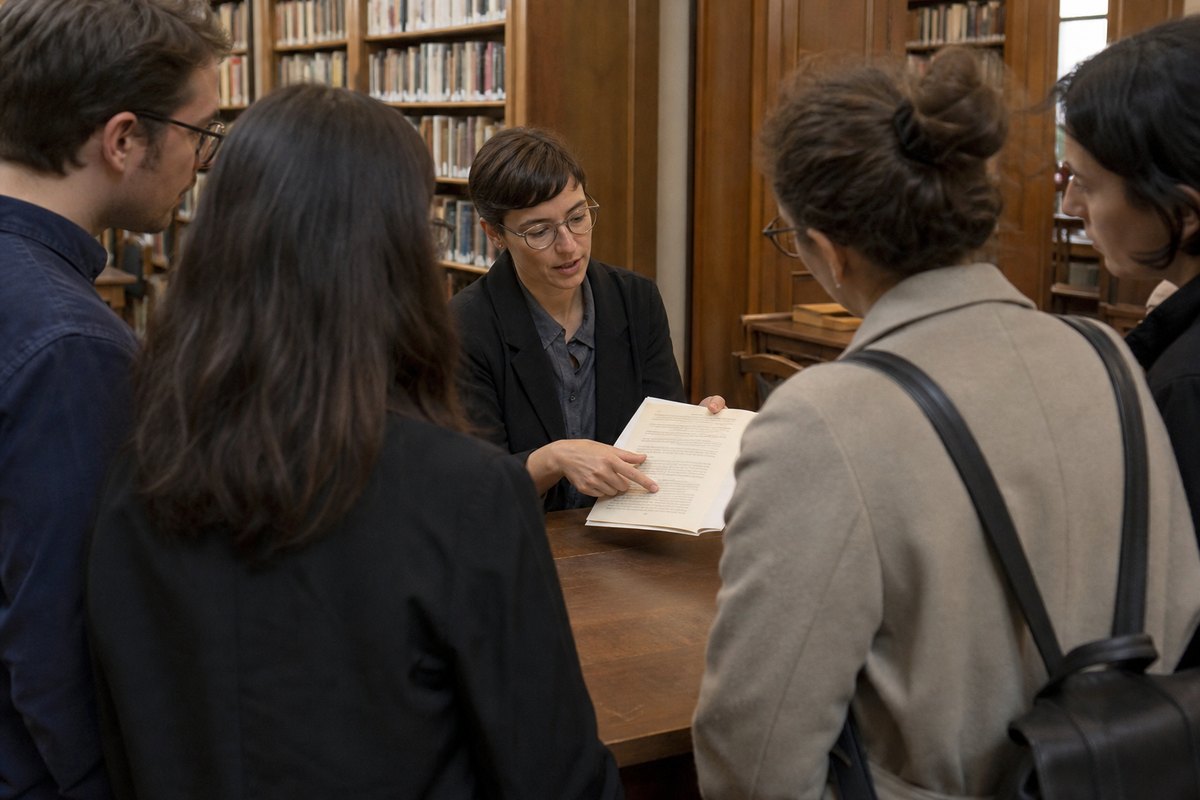
The minute a decision stops being abstract — the future as a common practice, not a spectacle: Communities rehearsing the future
A decision stops being abstract when a community represents its effects, identifies who will live with them, and tests alternatives before committing shared resources, rights, and time.
Read article
The invisible question that changes everything — the future as a common practice, not a spectacle: Communities rehearsing the future
The invisible question that changes everything is simple: who is missing? When a community asks it before deciding, the future ceases to be a distant spectacle and becomes a common practice for anticipating effects, rehearsing alternatives, and sharing the capacity to act.
Read article
Trust Begins When Reporting a Failure Is Not Frightening — the body no dashboard can summarise: Sport, body and data
Trust does not come from a flawless dashboard, but from a culture where a person can report a failure, a doubt, or a limit without fearing retaliation. Four cases show how incomplete data can become responsible learning.
Read article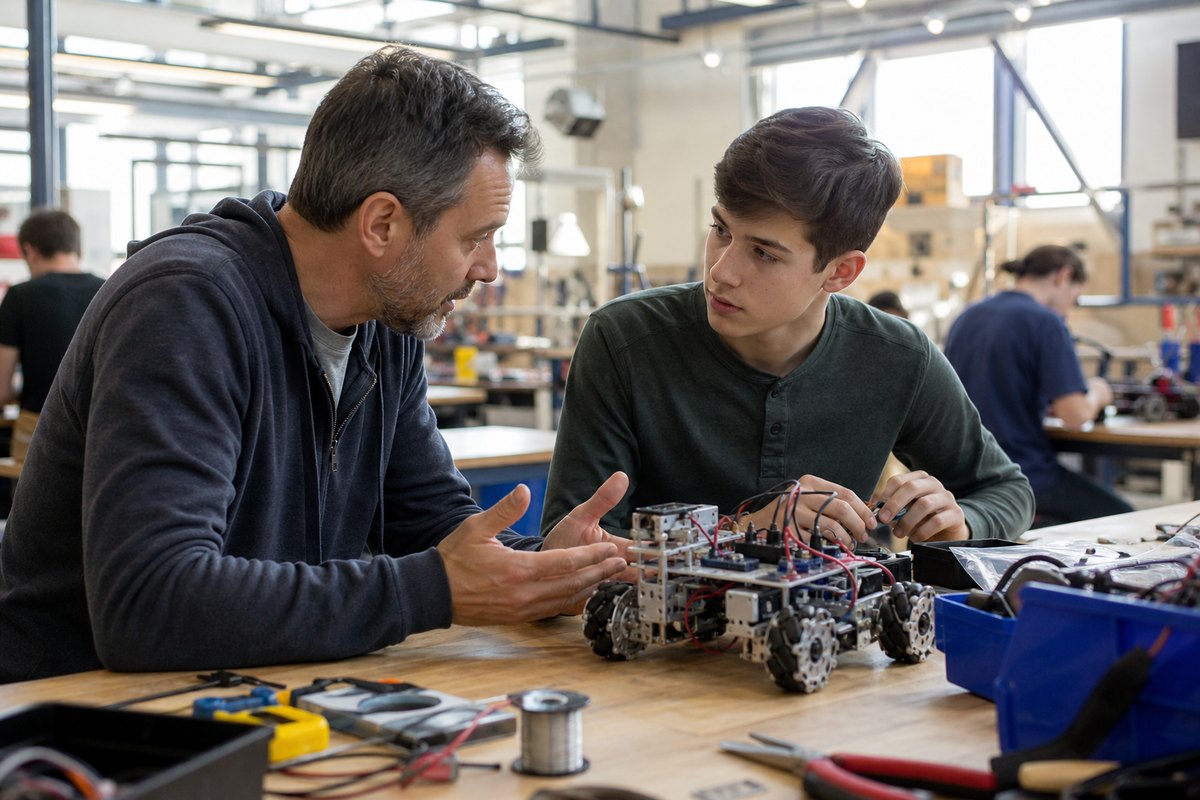
The future becomes human when it keeps an exit — the real quantum leap begins by asking better questions: Quantum technologies without magic
A quantum technology serves people when its project can be stopped, compared, and reframed. The first innovation is not the device: it is a question capable of revealing needs, limits, and exits.
Read article
Participating early changes decisions; participating later only decorates them — a quantum door that must also open opportunities: Quantum technologies without magic
Participation in quantum technologies matters when it arrives before the problem, budget, and success criteria are fixed. Opening a technological door also requires sharing the capacity to decide, learn, and benefit.
Read article
Time turns a provisional solution into something else — the maze of possibilities where finding a useful exit matters: Quantum technologies without magic
In quantum optimisation, a fast answer does not become valuable because it looks sophisticated, but because it remains useful when data, deadlines and constraints change. Time is part of the problem and part of the test.
Read article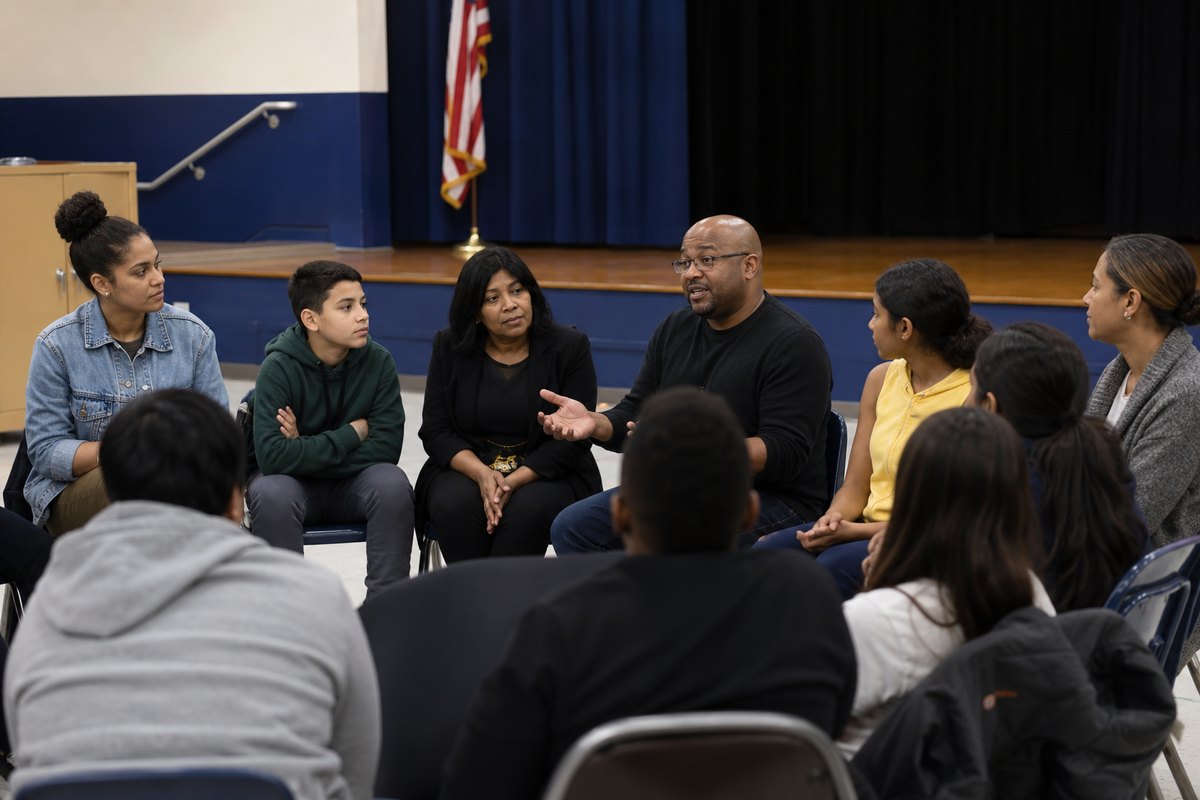
After launch, the important work begins — when deciding requires listening: Leadership and collective decisions
Launching a project does not close the process: it opens a period of observation, care and shared decisions in which listening to real experience makes it possible to correct, sustain and improve what was built.
Read article
A useful figure can also lead us to the wrong place — when deciding requires listening: Leadership and collective decisions
A metric clarifies one part of reality, but it can hide costs, voices and inequality. Sound decisions compare numbers with experience, deliberation and a genuine ability to correct course.
Read article
What works for most can drive someone out — when creating also means recognizing: Creativity, culture and authorship
What works for most can drive someone out. In creativity, culture and authorship, the favorable media concealed barriers concentrated on those with less margin.
Read article