
Showing 85–96 of 113 articles

The maintenance notebook of responsible AI
Artificial intelligence does not end at activation. A maintenance notebook makes visible who corrects, learns, and decides when to stop.
Read article
The Monday test for AI that looks new
A demonstration cannot say how a tool works during an ordinary week. The Monday test returns that question to the team.
Read article
The objection worth rehearsing before automation
Human review matters when it can change something. Rehearsing a concrete objection shows whether that power exists.
Read article
The exception queue that pays for AI convenience
Apparent efficiency changes hands when exceptions accumulate. Measuring them makes a decision honest.
Read article
Before buying AI, agree on how to leave
Responsible AI procurement starts with an exit: recoverable data, human authority, and a fallback that works on the hard day.
Read article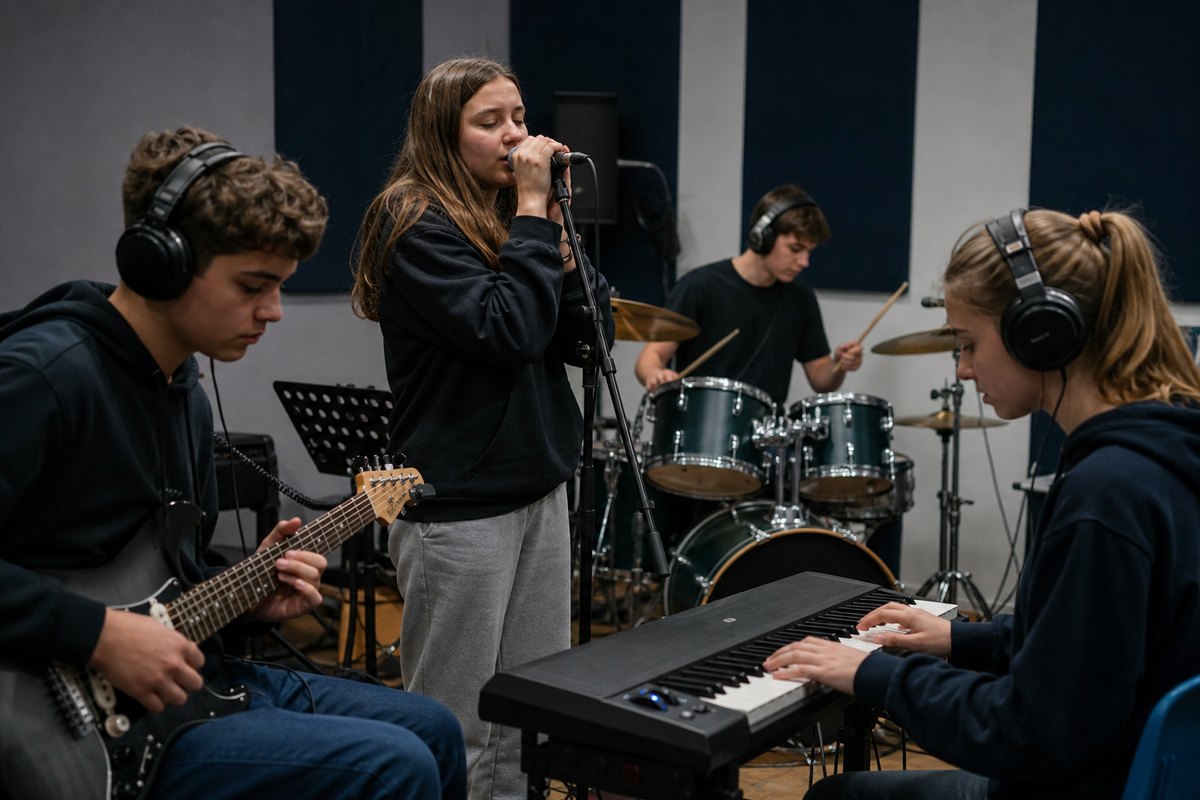
The exception does not break the rule: it explains it — a generation that talks with machines: Artificial intelligence and adolescence
When an adolescent treats artificial intelligence as a tutor, confidant, or opponent, the exception reveals something important: governing the tool is not enough; the relationship itself must be educated.
Read article
The minute a decision stops being abstract — a generation that talks with machines: Artificial intelligence and adolescence
Artificial intelligence stops being an abstract idea when a recommendation changes an assignment, a friendship, or a request for help; that minute demands judgement, protection, and responsibility that cannot rest on adolescents alone.
Read article
The invisible question that changes everything — a generation that talks with machines: Artificial intelligence and adolescence
When an adolescent talks with artificial intelligence, the decisive question is not only what the machine answers, but what function the exchange serves and which relationship, learning process, or source of help it may be displacing.
Read article
A rumour travels fast when it tries to protect — when a rule enters the home: Families and digital parenting
Alarmist messages about children and technology may begin in care. Verification, privacy, and conversation protect better than panic.
Read article
Supervision requires the power to stop and correct: Screens and attention
Supervising a tool means noticing when it exhausts attention and having real authority to stop it, correct it, or restore a safe alternative.
Read article
After launch, the important work begins: Screens and attention
Launching a tool does not prove it works well under pressure. The important work starts by observing how it distributes attention, uncertainty, and the ability to correct.
Read article
Safety begins when an error can be reported: Screens and attention
Screen safety does not depend only on blocking risks: it depends on an error being reportable, reviewable, and correctable without punishing the person who notices it.
Read article