
Reflections & stories
Ideas, experiences and learnings about education, technology and coexistence.
Showing 1477–1488 of 1,735 articles
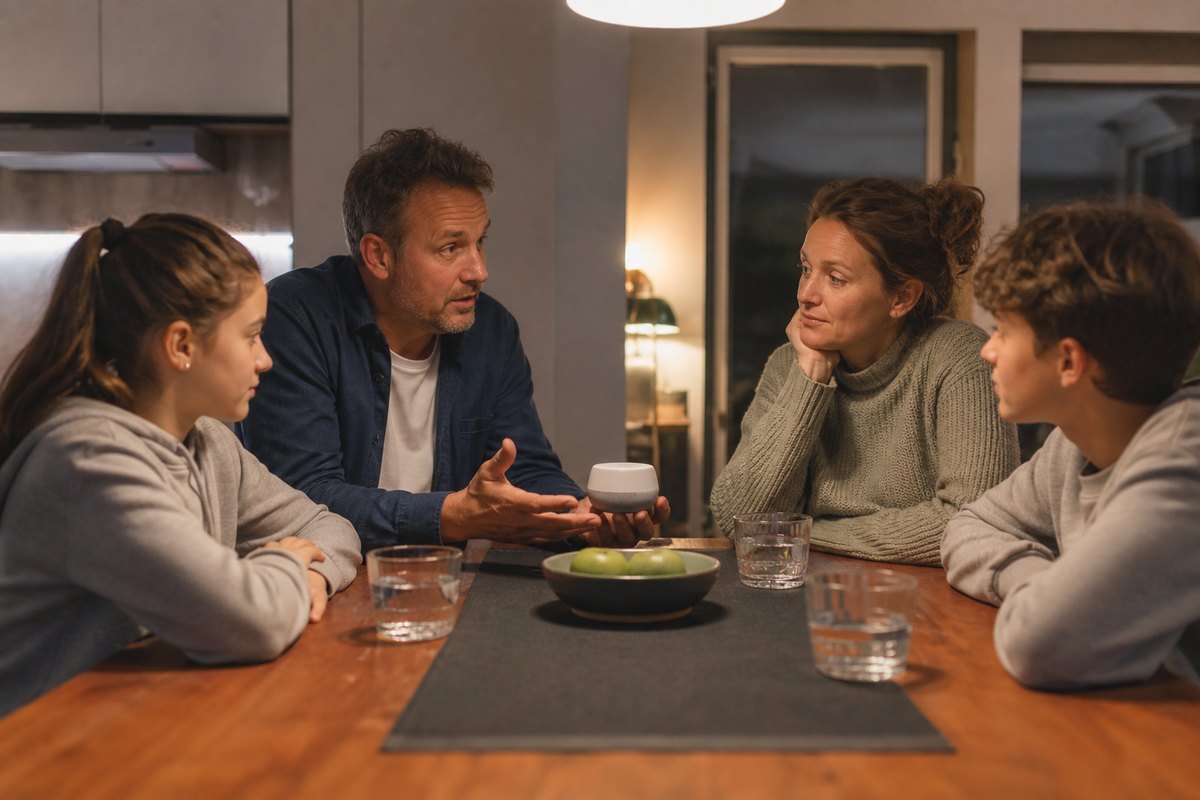
Supervision requires the power to stop and correct — when creating also means recognising: Creativity, culture and authorship
Supervising cultural creation requires the power to stop, correct, attribute, and repair. Responsible governance needs authority and resources to respond to harm.
Read article
After the premiere begins the important work — when creating also means recognizing: Creativity, culture and authorship
After the premiere the important work begins. In creativity, culture and authorship, the launch was funded, but not maintenance that turns a promise into service.
Read article
Security starts when telling a mistake is possible — when creating also means recognizing: Creativity, culture and authorship
Security begins when telling a mistake is possible. In creativity, culture and authorship, the protocol called for speed, but culture punished precisely early information.
Read article
What works for most can drive someone out — when creating also means recognizing: Creativity, culture and authorship
What works for most can drive someone out. In creativity, culture and authorship, the favorable media concealed barriers concentrated on those with less margin.
Read article
Conflict is not resolved by adding another screen when creating also means recognising
Conflicts over authorship and culture are not fixed by another interface: they require dialogue, attribution, repair, clear rules, and real alternatives.
Read article
The exception reveals the quality of a system when creating also means recognising
Unforeseen cases show whether a creative practice can attribute, repair, and sustain participation when the process stops being convenient.
Read article
Accepting does not always mean being able to choose — when creating also means acknowledging: Creativity, culture and authorship
Accepting a creative tool’s terms is not always a free choice. Authorship, licences, data, consent and alternatives must be understandable and open to discussion.
Read article
The first question must come before the tool — when creating also means acknowledging: Creativity, culture and authorship
Before using a creative tool, ask about purpose, authorship, culture, consent and recognition.
Read article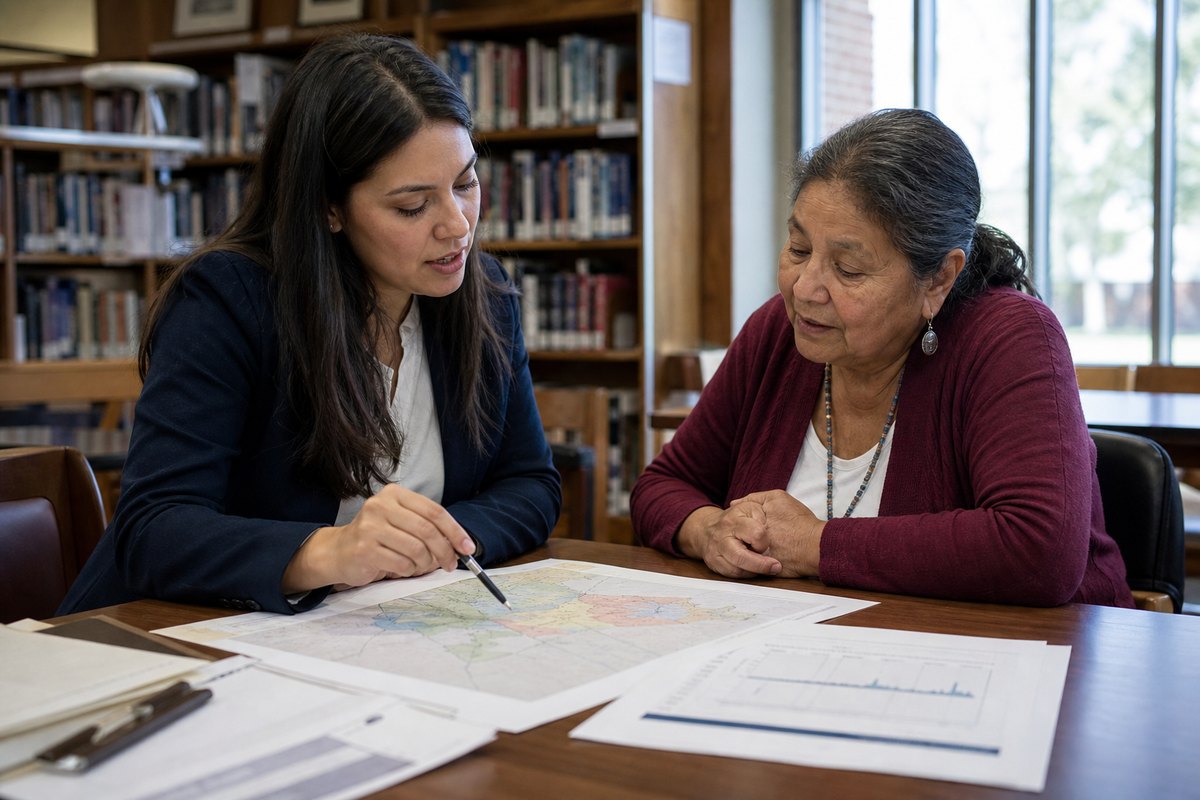
Participating changes the question and improves the answer — when the journey does not serve everyone: Accessibility and inclusion
Participating changes the question and improves the answer. In accessibility and inclusion, the consultation came late and turned valuable experiences into a formality.
Read article
Care also means not watching everything — when the journey does not work for everyone: Accessibility and inclusion
Accessible care protects privacy and autonomy: it uses only necessary information, with consent, real alternatives, and proportionate review.
Read article
Supervision requires the power to stop and correct — when the journey does not work for everyone: Accessibility and inclusion
Accessibility oversight is real only if someone can stop a change, offer an alternative, and repair harm. Governance, testing, and complaints make that authority an accountable practice.
Read article
After the launch, the important work begins — when the journey does not work for everyone: Accessibility and inclusion
Publishing an accessible experience is not the end: monitoring, user testing, maintenance, and accountability determine whether it remains accessible.
Read article