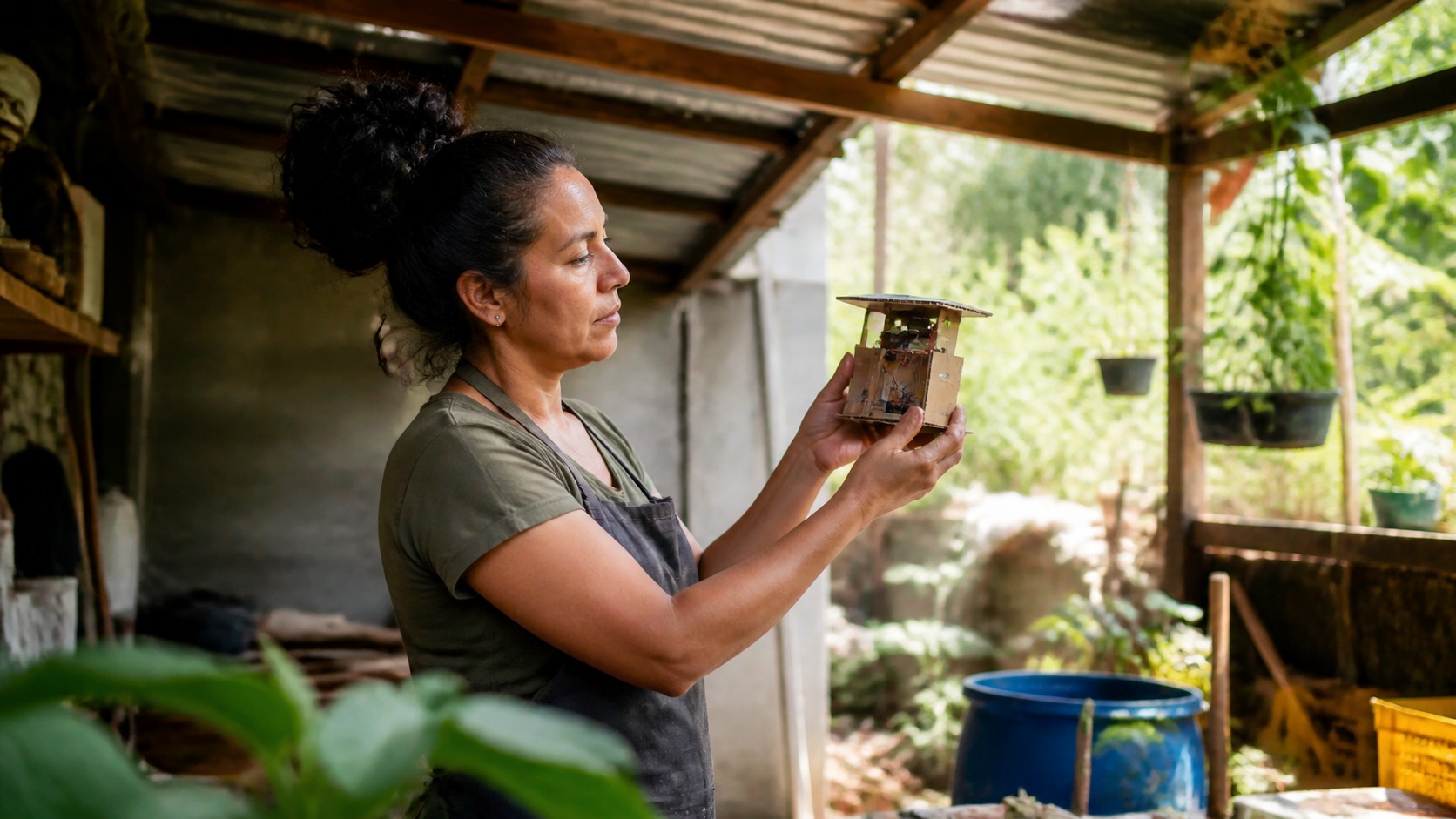
One autumn afternoon, Clara opened the drawer holding bills, a torch with flat batteries, and several chargers that no longer matched anything. She was not predicting a disaster. A three-hour power cut had shown her that everyone in the house assumed somebody else knew where the radio was, how to open the building door without its remote, or whom to contact. That modest discovery is a useful beginning. Preparedness is not collecting objects or living under a stream of alerts. It is reducing foreseeable confusion, caring for people, and leaving room to follow the directions of those who manage an incident.
Start with one concrete scene, not an endless scenario#
The word emergency can produce enormous images and stop a conversation before it begins. Choose a familiar situation instead: a night without power, a storm that keeps people indoors, a water outage, an evacuation ordered by public services, or a heatwave affecting an older neighbour. The opening question is not, “What would we do about everything?” It is, “Which decision would be hard in the first hour?” It might be finding medication, confirming that a relative arrived safely, opening a shared entrance, or locating trustworthy information when a phone battery is low.
The word emergency can produce enormous images and stop a conversation before it begins.
That smaller scale makes a plan possible. Bring together, for twenty minutes, the people who share a home or depend on one another. Describe what already happens in an ordinary week: who collects a child, who knows a pet's routine, who needs mobility support, which contact lives outside the neighbourhood. There is no need to write a solemn handbook. It is enough to record decisions that currently exist only in one person's memory. The aim is to stop an absence, haste, or a poor connection turning a minor disruption into a chain of unhelpful calls.
Make a map of everyday dependencies#
Before buying anything, walk through the home with a notebook. Notice which tasks rely on electricity, internet access, a key, a password, or one particular person. A motorised blind, cordless phone, entry system, specific cooker, or heating system can change a difficult evening substantially. Record what should not be improvised as well: the name of a treatment, the veterinary contact, the secure location of essential documents, or how to reach someone who does not use instant messaging.
The map does not need to put private information in an exposed place. It can hold access instructions, initials, agreed locations, and a reminder of where sensitive details are kept. If you keep digital copies, protect them and make sure at least one authorised person can retrieve them. If you keep paper copies, choose a dry, familiar location. Responsible preparation improves privacy: it makes it less likely that, under pressure, people send photographs of documents or health information to groups that are far too broad.
Separate reliable alerts from noise#
When routine changes, screenshots, voice messages, and forecasts spread quickly and sound urgent. A realistic plan has one simple rule: consult the competent source before making an important decision. In Spain, depending on the event and area, that may mean 112, Civil Protection, the local council, AEMET, or health services. Their guidance can change, which is why a generic internet checklist should never become a permanent order.
Agree in advance where information will be checked and what messages will be shared inside the family. One person might verify the official channel and send a brief note with the time, source, and decision: “At 18:10, the municipal notice says to remain at home; we do not leave until the next update.” This reduces repeat calls and prevents five people from interpreting the same rumour in five ways. If there is immediate danger, smoke, flooding, violence, or a medical emergency, the priority is not finishing a notebook. Move away from the risk and contact the appropriate emergency service.
Design communication that still works when everything is slow#
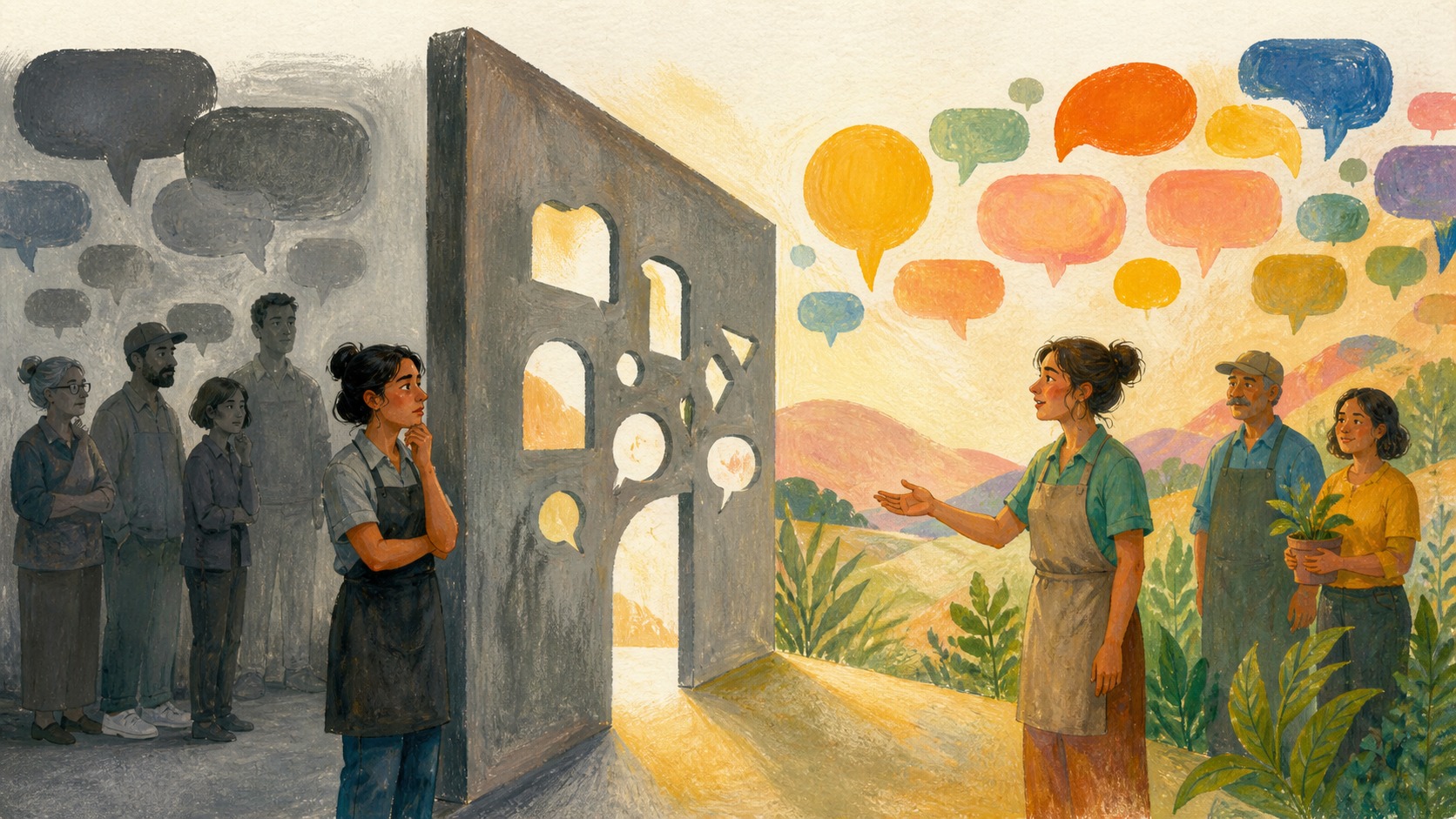
Many households rely on one messaging group that becomes chaotic as soon as something goes wrong. Choose two alternatives: a reference contact living in another area and a short sentence for confirming status. “I am safe, I am at home, I will reply when I can charge” often communicates more than ten anxious messages. It also helps to set a primary meeting point and an alternative, always subject to those places being safe and to authorities not giving different instructions.
Practise the logistics without drama. Ask each person to keep two important numbers on paper and to know how to make a voice call if data service fails. Check whether anyone with hearing, sight, language, or mobility barriers would receive the message in a usable form. Ask what happens for people who work at night, travel often, or care for someone in another home. A useful network does not assume that everyone can move in the same way or respond at the same hour.
Keep modest resources that are actually used#
A small, checked box near the exit can be more valuable than an impressive bag forgotten in a cupboard. Include safe lighting, water suited to ordinary needs, a way to charge or preserve power within the manufacturer's recommendations, a copy of contacts, hygiene items, and the specific things you already know people use. Medication needs particular care: do not change treatments or stockpile products without consulting the relevant professional, and check expiry dates with the same seriousness used for a prescription.
The important part is assigning a review person and a date. On a family calendar, ten minutes at the change of season may be enough to check batteries, torch, spare glasses, water, and written phone numbers. If there are babies, pets, people with chronic conditions, or support equipment, adapt the list to those realities. Preparing does not replace professional help or promise complete self-sufficiency. It offers a few minutes of orientation while suitable help is requested and followed.
Turn the plan into small rehearsals#
A gentle rehearsal reveals faults without frightening anybody. One evening, turn off the lights for fifteen minutes by choice and notice what is missing. Perhaps the torch is somewhere a child cannot reach, the corridor contains an obstacle, the radio needs a different battery, or nobody remembers where the keys were left. On another day, practise contacting the reference person using only a call. There is no need to simulate a disaster or impose uncomfortable tests. The purpose is to learn from the home and its routines.
Afterwards, collect three findings and make only three changes. For example: move the torch, write a number on the fridge, and agree who takes the dog. Do not turn the review into an endless list that nobody wants to see again. Plans survive when they fit real life. If a measure requires money, time, or training, list it as a separate project rather than pretending it is already solved.
Look toward the community as well#
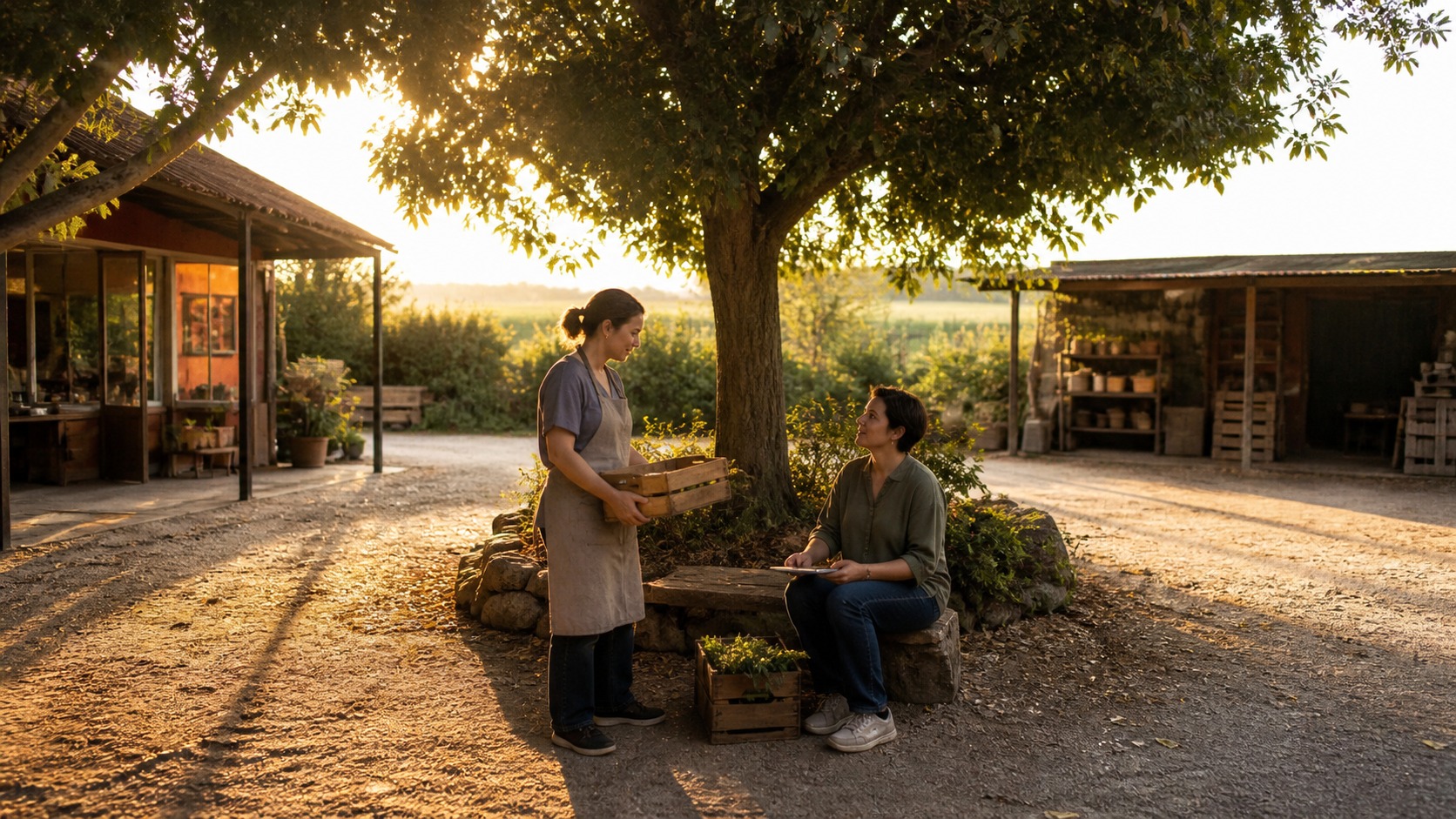
Individual preparation has clear limits. A neighbour living alone, a stairwell without good access, or a family that does not understand the language of official notices may need a wider network. Without intruding on anyone's privacy, it can help to exchange a basic way to contact each other, know who has difficulty with stairs, or agree that somebody will call one particular person when a relevant alert is issued. These conversations must remain voluntary and respectful. Helping is not monitoring, and it is not promising tasks you cannot carry out.
Consider nearby resources: the health centre, municipal information point, pharmacy, neighbourhood association, school, and workplace. Knowing their channels is not the same as trusting rumours. It tells you where to verify a changed schedule, a shelter resource, or an evacuation instruction. During a real evacuation, do not return home for the box or drive toward a restricted area just to complete the plan. Official procedures have priority because they incorporate information a household cannot see from its window.
Keep the plan alive without feeding fear#
A calm review can follow a meaningful change: moving home, new medication, a pet arriving, renovation, a change of school, or somebody beginning to live alone. Ask what changed and which part of the plan no longer makes sense. Removing an obsolete instruction is maintenance too. If the reference contact has a new number, an old sheet may be worse than no sheet at all.
The conversation with children or teenagers deserves particular clarity. Explain what they can do themselves, whom they may call, and when they should ask an adult or 112 for help, without asking them to solve adult responsibilities. Instead of discussing abstract dangers, use concrete actions: put on shoes, listen to an instruction, do not touch a candle, wait at a safe point. Calm does not come from denying risks; it comes from knowing which part belongs to each person.
One first decision for this week#
The best beginning fits into half an hour. Choose one everyday scene, write down two contacts who do not rely on the same place, locate medication or documents that should not be searched for in a hurry, and agree how people will confirm that they are safe. Then set a short date to review it. If an emergency occurs, attend first to alerts and competent services. If it does not, the plan will still have done its work: turning a vague worry into specific, shared, and revisable care.