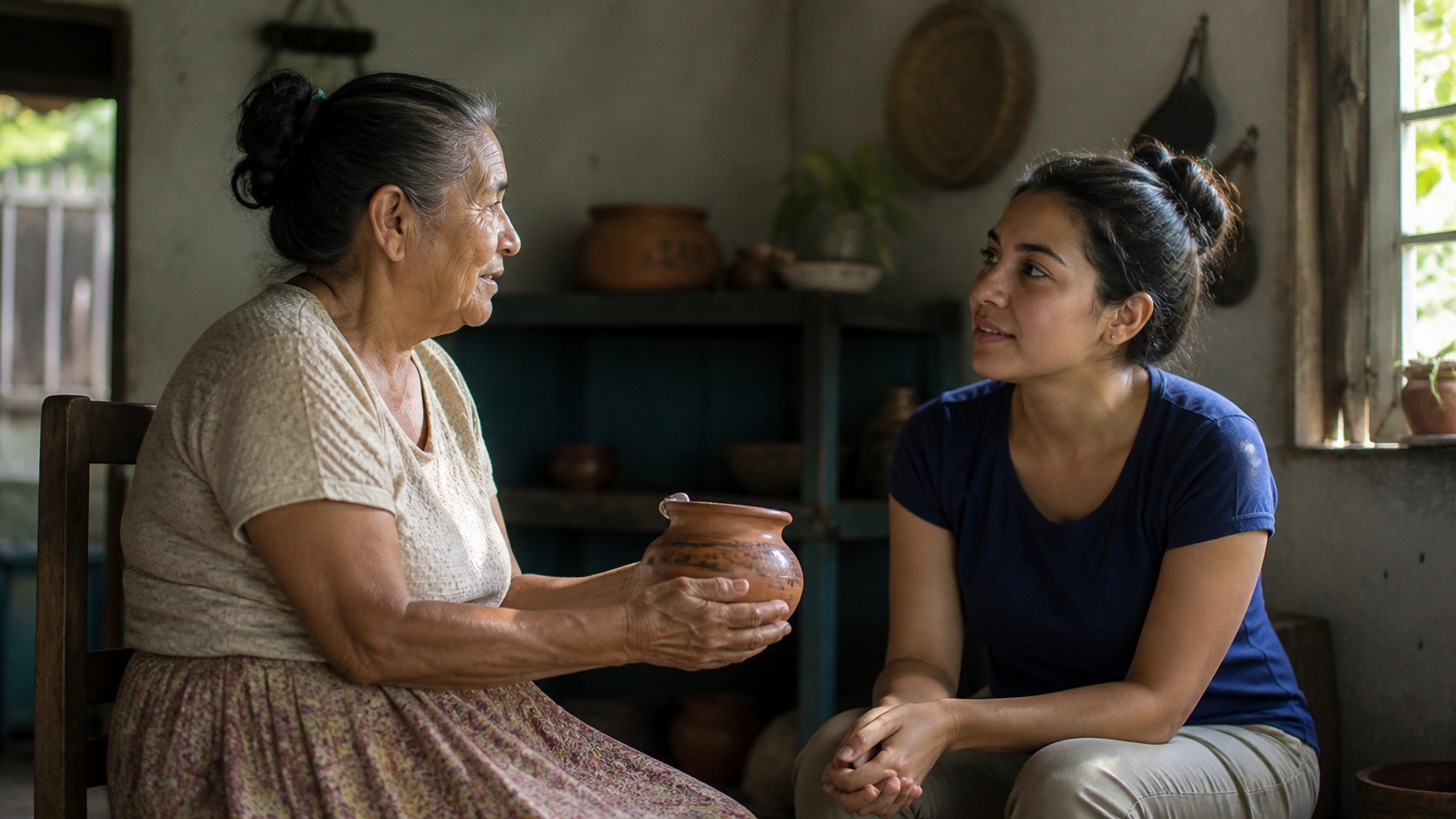
A caring masculinity is recognised less by what it claims and more by its everyday effects. Is there more safety, time, autonomy and support? This guide offers observable signs of change without turning care into a test. Where there is violence, threats, self-harm risk or an emergency, safety and specialist help come first.
Signs people can observe#
Progress shows in repeated conduct: taking full responsibility without reminders, organising resources, giving notice and repairing mistakes. It also means hearing a boundary, asking before helping and respecting decisions. The ILO notes that care work sustains life; making planning and rest visible helps share it fairly.
Progress shows in repeated conduct: taking full responsibility without reminders, organising resources, giving notice and repairing mistakes.
Measure agreements#
A useful agreement states what happens, when it is reviewed and how disruption is handled. Case: Raul plans two dinners, shops and cleans for a month. When Thursday becomes impossible, he rearranges the turn before someone else carries it. Anticipation is a sign of care.
Listening and autonomy#
Ask whether someone wants company, information or practical support. Respecting no and seeking permission before sharing information protects autonomy. The WHO links social support and timely help to wellbeing. Case: Omar coordinates relief for his caregiving friend only after asking permission.
Share power in groups#
Notice who sets up, welcomes and mediates. Rotating work prevents care being assigned by gender. UNICEF supports safe participation. Case: a club creates a rotation for equipment, welcome and coordination, then reviews participation after a term.
Repair mistakes#
Repair names the effect of a missed commitment, meets the immediate need and proposes a specific safeguard. UN Women and EIGE explain that co-responsibility changes norms and power; an apology is not enough if the load remains unequal.
When to seek help#
Seek professional support for violence, control, fear, isolation, risky substance use, intense distress or escalating conflict. Case: checking a partners phone is not concern but control. Prioritise safety and specialist services, rather than mediation that could increase risk.
Sources and next step#
Consult the ILO, UN Women, WHO, UNICEF and EIGE for further guidance. Choose one complete responsibility, ask what support is useful and set a review date. Fewer reminders, more autonomy and the ability to request relief are concrete signs of progress.
A caring masculinity is recognised less by what it claims and more by its everyday effects. Is there more safety, time, autonomy and support? This guide offers observable signs of change without turning care into a test. Where there is violence, threats, self-harm risk or an emergency, safety and specialist help come first.
Signs people can observe#
Progress shows in repeated conduct: taking full responsibility without reminders, organising resources, giving notice and repairing mistakes. It also means hearing a boundary, asking before helping and respecting decisions. The ILO notes that care work sustains life; making planning and rest visible helps share it fairly.
Measure agreements#
A useful agreement states what happens, when it is reviewed and how disruption is handled. Case: Raul plans two dinners, shops and cleans for a month. When Thursday becomes impossible, he rearranges the turn before someone else carries it. Anticipation is a sign of care.
Listening and autonomy#
Ask whether someone wants company, information or practical support. Respecting no and seeking permission before sharing information protects autonomy. The WHO links social support and timely help to wellbeing. Case: Omar coordinates relief for his caregiving friend only after asking permission.
Share power in groups#
Notice who sets up, welcomes and mediates. Rotating work prevents care being assigned by gender. UNICEF supports safe participation. Case: a club creates a rotation for equipment, welcome and coordination, then reviews participation after a term.
Repair mistakes#
Repair names the effect of a missed commitment, meets the immediate need and proposes a specific safeguard. UN Women and EIGE explain that co-responsibility changes norms and power; an apology is not enough if the load remains unequal.
When to seek help#
Seek professional support for violence, control, fear, isolation, risky substance use, intense distress or escalating conflict. Case: checking a partners phone is not concern but control. Prioritise safety and specialist services, rather than mediation that could increase risk.
Sources and next step#
Consult the ILO, UN Women, WHO, UNICEF and EIGE for further guidance. Choose one complete responsibility, ask what support is useful and set a review date. Fewer reminders, more autonomy and the ability to request relief are concrete signs of progress.
A caring masculinity is recognised less by what it claims and more by its everyday effects. Is there more safety, time, autonomy and support? This guide offers observable signs of change without turning care into a test. Where there is violence, threats, self-harm risk or an emergency, safety and specialist help come first.
Signs people can observe#
Progress shows in repeated conduct: taking full responsibility without reminders, organising resources, giving notice and repairing mistakes. It also means hearing a boundary, asking before helping and respecting decisions. The ILO notes that care work sustains life; making planning and rest visible helps share it fairly.
Measure agreements#
A useful agreement states what happens, when it is reviewed and how disruption is handled. Case: Raul plans two dinners, shops and cleans for a month. When Thursday becomes impossible, he rearranges the turn before someone else carries it. Anticipation is a sign of care.
Listening and autonomy#
Ask whether someone wants company, information or practical support. Respecting no and seeking permission before sharing information protects autonomy. The WHO links social support and timely help to wellbeing. Case: Omar coordinates relief for his caregiving friend only after asking permission.
Share power in groups#
Notice who sets up, welcomes and mediates. Rotating work prevents care being assigned by gender. UNICEF supports safe participation. Case: a club creates a rotation for equipment, welcome and coordination, then reviews participation after a term.
Repair mistakes#
Repair names the effect of a missed commitment, meets the immediate need and proposes a specific safeguard. UN Women and EIGE explain that co-responsibility changes norms and power; an apology is not enough if the load remains unequal.
When to seek help#
Seek professional support for violence, control, fear, isolation, risky substance use, intense distress or escalating conflict. Case: checking a partners phone is not concern but control. Prioritise safety and specialist services, rather than mediation that could increase risk.
Sources and next step#
Consult the ILO, UN Women, WHO, UNICEF and EIGE for further guidance. Choose one complete responsibility, ask what support is useful and set a review date. Fewer reminders, more autonomy and the ability to request relief are concrete signs of progress.
A caring masculinity is recognised less by what it claims and more by its everyday effects. Is there more safety, time, autonomy and support? This guide offers observable signs of change without turning care into a test. Where there is violence, threats, self-harm risk or an emergency, safety and specialist help come first.
Signs people can observe#
Progress shows in repeated conduct: taking full responsibility without reminders, organising resources, giving notice and repairing mistakes. It also means hearing a boundary, asking before helping and respecting decisions. The ILO notes that care work sustains life; making planning and rest visible helps share it fairly.
Measure agreements#
A useful agreement states what happens, when it is reviewed and how disruption is handled. Case: Raul plans two dinners, shops and cleans for a month. When Thursday becomes impossible, he rearranges the turn before someone else carries it. Anticipation is a sign of care.
Listening and autonomy#
Ask whether someone wants company, information or practical support. Respecting no and seeking permission before sharing information protects autonomy. The WHO links social support and timely help to wellbeing. Case: Omar coordinates relief for his caregiving friend only after asking permission.
Share power in groups#
Notice who sets up, welcomes and mediates. Rotating work prevents care being assigned by gender. UNICEF supports safe participation. Case: a club creates a rotation for equipment, welcome and coordination, then reviews participation after a term.
Repair mistakes#
Repair names the effect of a missed commitment, meets the immediate need and proposes a specific safeguard. UN Women and EIGE explain that co-responsibility changes norms and power; an apology is not enough if the load remains unequal.
When to seek help#
Seek professional support for violence, control, fear, isolation, risky substance use, intense distress or escalating conflict. Case: checking a partners phone is not concern but control. Prioritise safety and specialist services, rather than mediation that could increase risk.
Sources and next step#
Consult the ILO, UN Women, WHO, UNICEF and EIGE for further guidance. Choose one complete responsibility, ask what support is useful and set a review date. Fewer reminders, more autonomy and the ability to request relief are concrete signs of progress.
A caring masculinity is recognised less by what it claims and more by its everyday effects. Is there more safety, time, autonomy and support? This guide offers observable signs of change without turning care into a test. Where there is violence, threats, self-harm risk or an emergency, safety and specialist help come first.
Signs people can observe#
Progress shows in repeated conduct: taking full responsibility without reminders, organising resources, giving notice and repairing mistakes. It also means hearing a boundary, asking before helping and respecting decisions. The ILO notes that care work sustains life; making planning and rest visible helps share it fairly.
Measure agreements#
A useful agreement states what happens, when it is reviewed and how disruption is handled. Case: Raul plans two dinners, shops and cleans for a month. When Thursday becomes impossible, he rearranges the turn before someone else carries it. Anticipation is a sign of care.
Listening and autonomy#
Ask whether someone wants company, information or practical support. Respecting no and seeking permission before sharing information protects autonomy. The WHO links social support and timely help to wellbeing. Case: Omar coordinates relief for his caregiving friend only after asking permission.
Share power in groups#
Notice who sets up, welcomes and mediates. Rotating work prevents care being assigned by gender. UNICEF supports safe participation. Case: a club creates a rotation for equipment, welcome and coordination, then reviews participation after a term.
Repair mistakes#
Repair names the effect of a missed commitment, meets the immediate need and proposes a specific safeguard. UN Women and EIGE explain that co-responsibility changes norms and power; an apology is not enough if the load remains unequal.
When to seek help#
Seek professional support for violence, control, fear, isolation, risky substance use, intense distress or escalating conflict. Case: checking a partners phone is not concern but control. Prioritise safety and specialist services, rather than mediation that could increase risk.
Sources and next step#
Consult the ILO, UN Women, WHO, UNICEF and EIGE for further guidance. Choose one complete responsibility, ask what support is useful and set a review date. Fewer reminders, more autonomy and the ability to request relief are concrete signs of progress.