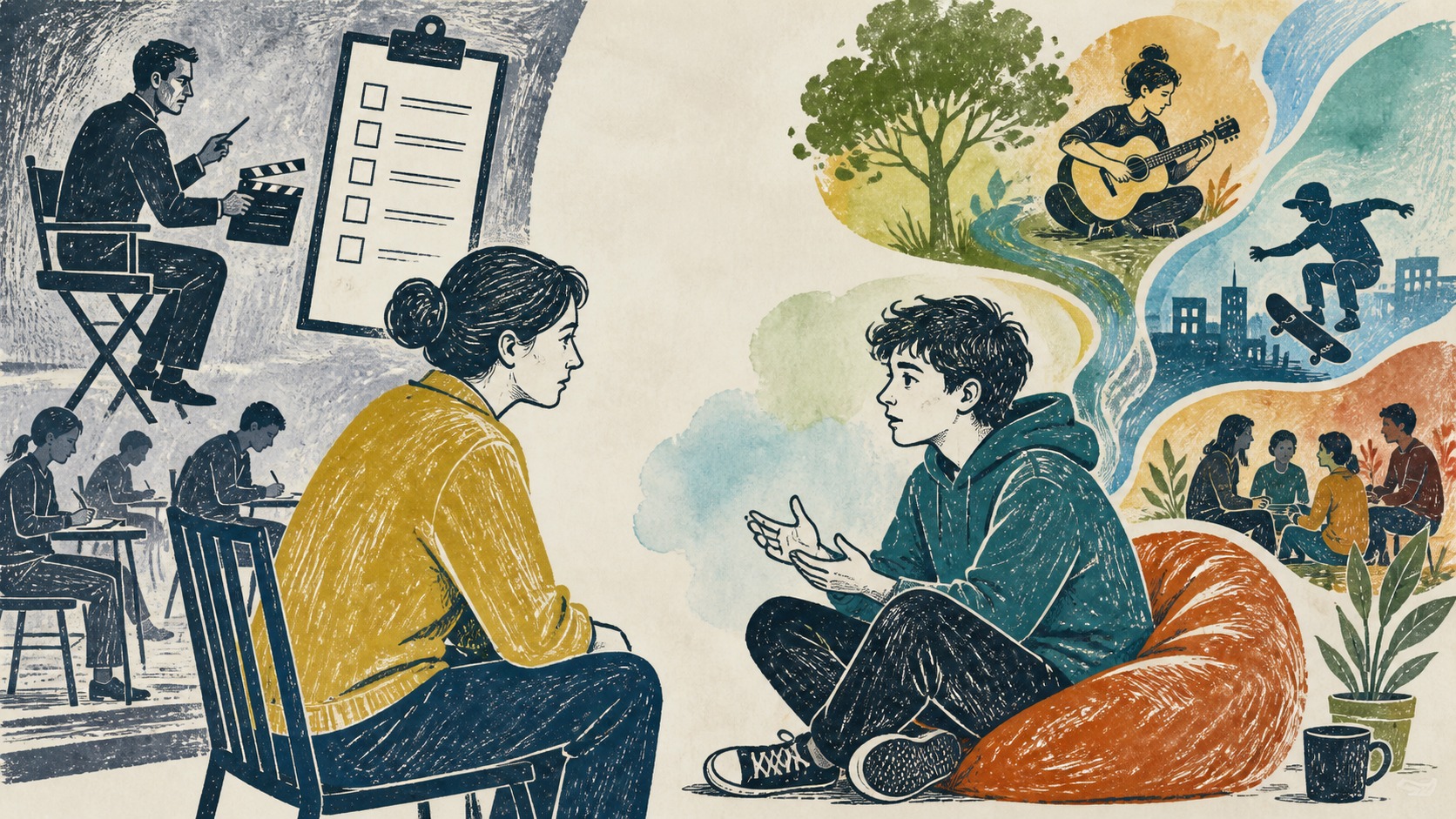
Knowing whether support respects an autistic person means looking at their experience, participation, and safety, not their ability to appear less autistic. This guide offers observable signs for reviewing agreements and deciding when to seek help.
Define what it means for support to work#
Define what it means for support to work. Useful progress is described through facts and through the person’s own words. It may mean anticipating a transition with less anxiety, asking for a break before reaching a limit, understanding an instruction, or keeping energy for a chosen activity. It is not progress when somebody stops communicating a need in order to avoid a reprimand. Choose two or three agreed indicators, note the context, and compare weeks rather than judging one isolated day. The person’s preferences and goals should guide every review. In this review, the team can agree a small, responsible, and reviewable action.
Define what it means for support to work. Useful progress is described through facts and through the person’s own words.
Define what it means for support to work. It also matters what has changed around the person. A clear timetable, less noise, literal explanation, time to answer, or a quiet exit can reduce barriers without reducing opportunities. Families, schools, and professionals can ask which adjustment helped, who maintained it, and whether it protects privacy and choice. WHO explains that environmental barriers affect disability; the NHS provides practical autism information; NICE publishes evidence-based guidance; and Autism Europe advocates rights and inclusion. These sources inform questions, but they do not replace individual assessment. The review should be brief, respectful, and based on what the person considers useful.
Listen to the person’s experience#
Listen to the person’s experience. Useful progress is described through facts and through the person’s own words. It may mean anticipating a transition with less anxiety, asking for a break before reaching a limit, understanding an instruction, or keeping energy for a chosen activity. It is not progress when somebody stops communicating a need in order to avoid a reprimand. Choose two or three agreed indicators, note the context, and compare weeks rather than judging one isolated day. The person’s preferences and goals should guide every review. In this review, the team can agree a small, responsible, and reviewable action.
Listen to the person’s experience. It also matters what has changed around the person. A clear timetable, less noise, literal explanation, time to answer, or a quiet exit can reduce barriers without reducing opportunities. Families, schools, and professionals can ask which adjustment helped, who maintained it, and whether it protects privacy and choice. WHO explains that environmental barriers affect disability; the NHS provides practical autism information; NICE publishes evidence-based guidance; and Autism Europe advocates rights and inclusion. These sources inform questions, but they do not replace individual assessment. The review should be brief, respectful, and based on what the person considers useful.
Notice participation without demanding masking#
Notice participation without demanding masking. Useful progress is described through facts and through the person’s own words. It may mean anticipating a transition with less anxiety, asking for a break before reaching a limit, understanding an instruction, or keeping energy for a chosen activity. It is not progress when somebody stops communicating a need in order to avoid a reprimand. Choose two or three agreed indicators, note the context, and compare weeks rather than judging one isolated day. The person’s preferences and goals should guide every review. In this review, the team can agree a small, responsible, and reviewable action.
Notice participation without demanding masking. It also matters what has changed around the person. A clear timetable, less noise, literal explanation, time to answer, or a quiet exit can reduce barriers without reducing opportunities. Families, schools, and professionals can ask which adjustment helped, who maintained it, and whether it protects privacy and choice. WHO explains that environmental barriers affect disability; the NHS provides practical autism information; NICE publishes evidence-based guidance; and Autism Europe advocates rights and inclusion. These sources inform questions, but they do not replace individual assessment. The review should be brief, respectful, and based on what the person considers useful.
Review energy, rest, and regulation#
Review energy, rest, and regulation. Useful progress is described through facts and through the person’s own words. It may mean anticipating a transition with less anxiety, asking for a break before reaching a limit, understanding an instruction, or keeping energy for a chosen activity. It is not progress when somebody stops communicating a need in order to avoid a reprimand. Choose two or three agreed indicators, note the context, and compare weeks rather than judging one isolated day. The person’s preferences and goals should guide every review. In this review, the team can agree a small, responsible, and reviewable action.
Review energy, rest, and regulation. It also matters what has changed around the person. A clear timetable, less noise, literal explanation, time to answer, or a quiet exit can reduce barriers without reducing opportunities. Families, schools, and professionals can ask which adjustment helped, who maintained it, and whether it protects privacy and choice. WHO explains that environmental barriers affect disability; the NHS provides practical autism information; NICE publishes evidence-based guidance; and Autism Europe advocates rights and inclusion. These sources inform questions, but they do not replace individual assessment. The review should be brief, respectful, and based on what the person considers useful.
Check whether the environment is accessible#
Check whether the environment is accessible. Useful progress is described through facts and through the person’s own words. It may mean anticipating a transition with less anxiety, asking for a break before reaching a limit, understanding an instruction, or keeping energy for a chosen activity. It is not progress when somebody stops communicating a need in order to avoid a reprimand. Choose two or three agreed indicators, note the context, and compare weeks rather than judging one isolated day. The person’s preferences and goals should guide every review. In this review, the team can agree a small, responsible, and reviewable action.
Check whether the environment is accessible. It also matters what has changed around the person. A clear timetable, less noise, literal explanation, time to answer, or a quiet exit can reduce barriers without reducing opportunities. Families, schools, and professionals can ask which adjustment helped, who maintained it, and whether it protects privacy and choice. WHO explains that environmental barriers affect disability; the NHS provides practical autism information; NICE publishes evidence-based guidance; and Autism Europe advocates rights and inclusion. These sources inform questions, but they do not replace individual assessment. The review should be brief, respectful, and based on what the person considers useful.
Record progress briefly and usefully#
Record progress briefly and usefully. Useful progress is described through facts and through the person’s own words. It may mean anticipating a transition with less anxiety, asking for a break before reaching a limit, understanding an instruction, or keeping energy for a chosen activity. It is not progress when somebody stops communicating a need in order to avoid a reprimand. Choose two or three agreed indicators, note the context, and compare weeks rather than judging one isolated day. The person’s preferences and goals should guide every review. In this review, the team can agree a small, responsible, and reviewable action.
Record progress briefly and usefully. It also matters what has changed around the person. A clear timetable, less noise, literal explanation, time to answer, or a quiet exit can reduce barriers without reducing opportunities. Families, schools, and professionals can ask which adjustment helped, who maintained it, and whether it protects privacy and choice. WHO explains that environmental barriers affect disability; the NHS provides practical autism information; NICE publishes evidence-based guidance; and Autism Europe advocates rights and inclusion. These sources inform questions, but they do not replace individual assessment. The review should be brief, respectful, and based on what the person considers useful.
Case 1: fewer conflicts in the morning#
Case 1: fewer conflicts in the morning. Useful progress is described through facts and through the person’s own words. It may mean anticipating a transition with less anxiety, asking for a break before reaching a limit, understanding an instruction, or keeping energy for a chosen activity. It is not progress when somebody stops communicating a need in order to avoid a reprimand. Choose two or three agreed indicators, note the context, and compare weeks rather than judging one isolated day. The person’s preferences and goals should guide every review. In this review, the team can agree a small, responsible, and reviewable action.
Case 1: fewer conflicts in the morning. It also matters what has changed around the person. A clear timetable, less noise, literal explanation, time to answer, or a quiet exit can reduce barriers without reducing opportunities. Families, schools, and professionals can ask which adjustment helped, who maintained it, and whether it protects privacy and choice. WHO explains that environmental barriers affect disability; the NHS provides practical autism information; NICE publishes evidence-based guidance; and Autism Europe advocates rights and inclusion. These sources inform questions, but they do not replace individual assessment. Warning signs deserve early, blame-free attention: persistent distress, a marked loss of participation, exhaustion not improved by rest, intense anxiety, sleep problems, unwanted isolation, risk of harm, or sudden changes in eating and communication. These signs should not be interpreted as disobedience. A health, education, or social-care consultation can clarify causes, review support, and agree proportionate actions. Bringing concrete examples, strengths, and written questions makes it easier for the person to take part in understandable decisions.
Case 2: taking part without enduring noise#
Case 2: taking part without enduring noise. Useful progress is described through facts and through the person’s own words. It may mean anticipating a transition with less anxiety, asking for a break before reaching a limit, understanding an instruction, or keeping energy for a chosen activity. It is not progress when somebody stops communicating a need in order to avoid a reprimand. Choose two or three agreed indicators, note the context, and compare weeks rather than judging one isolated day. The person’s preferences and goals should guide every review. In this review, the team can agree a small, responsible, and reviewable action.
Case 2: taking part without enduring noise. It also matters what has changed around the person. A clear timetable, less noise, literal explanation, time to answer, or a quiet exit can reduce barriers without reducing opportunities. Families, schools, and professionals can ask which adjustment helped, who maintained it, and whether it protects privacy and choice. WHO explains that environmental barriers affect disability; the NHS provides practical autism information; NICE publishes evidence-based guidance; and Autism Europe advocates rights and inclusion. These sources inform questions, but they do not replace individual assessment. Warning signs deserve early, blame-free attention: persistent distress, a marked loss of participation, exhaustion not improved by rest, intense anxiety, sleep problems, unwanted isolation, risk of harm, or sudden changes in eating and communication. These signs should not be interpreted as disobedience. A health, education, or social-care consultation can clarify causes, review support, and agree proportionate actions. Bringing concrete examples, strengths, and written questions makes it easier for the person to take part in understandable decisions.
Case 3: an overload signal that is understood#
Case 3: an overload signal that is understood. Useful progress is described through facts and through the person’s own words. It may mean anticipating a transition with less anxiety, asking for a break before reaching a limit, understanding an instruction, or keeping energy for a chosen activity. It is not progress when somebody stops communicating a need in order to avoid a reprimand. Choose two or three agreed indicators, note the context, and compare weeks rather than judging one isolated day. The person’s preferences and goals should guide every review. In this review, the team can agree a small, responsible, and reviewable action.
Case 3: an overload signal that is understood. It also matters what has changed around the person. A clear timetable, less noise, literal explanation, time to answer, or a quiet exit can reduce barriers without reducing opportunities. Families, schools, and professionals can ask which adjustment helped, who maintained it, and whether it protects privacy and choice. WHO explains that environmental barriers affect disability; the NHS provides practical autism information; NICE publishes evidence-based guidance; and Autism Europe advocates rights and inclusion. These sources inform questions, but they do not replace individual assessment. Warning signs deserve early, blame-free attention: persistent distress, a marked loss of participation, exhaustion not improved by rest, intense anxiety, sleep problems, unwanted isolation, risk of harm, or sudden changes in eating and communication. These signs should not be interpreted as disobedience. A health, education, or social-care consultation can clarify causes, review support, and agree proportionate actions. Bringing concrete examples, strengths, and written questions makes it easier for the person to take part in understandable decisions.
When to consult and how to prepare for help#
When to consult and how to prepare for help. Useful progress is described through facts and through the person’s own words. It may mean anticipating a transition with less anxiety, asking for a break before reaching a limit, understanding an instruction, or keeping energy for a chosen activity. It is not progress when somebody stops communicating a need in order to avoid a reprimand. Choose two or three agreed indicators, note the context, and compare weeks rather than judging one isolated day. The person’s preferences and goals should guide every review. In this review, the team can agree a small, responsible, and reviewable action.
When to consult and how to prepare for help. It also matters what has changed around the person. A clear timetable, less noise, literal explanation, time to answer, or a quiet exit can reduce barriers without reducing opportunities. Families, schools, and professionals can ask which adjustment helped, who maintained it, and whether it protects privacy and choice. WHO explains that environmental barriers affect disability; the NHS provides practical autism information; NICE publishes evidence-based guidance; and Autism Europe advocates rights and inclusion. These sources inform questions, but they do not replace individual assessment. Warning signs deserve early, blame-free attention: persistent distress, a marked loss of participation, exhaustion not improved by rest, intense anxiety, sleep problems, unwanted isolation, risk of harm, or sudden changes in eating and communication. These signs should not be interpreted as disobedience. A health, education, or social-care consultation can clarify causes, review support, and agree proportionate actions. Bringing concrete examples, strengths, and written questions makes it easier for the person to take part in understandable decisions.
WHO · NHS · NICE · Autism Europe.