A community genuinely rehearses the future when it can intervene before a decision becomes locked inside a budget, contract or interface. Early participation does not guarantee unanimity or turn every proposal into a command, but it creates room to redefine the problem, compare alternatives and anticipate effects the commissioning team had not seen. Late participation produces something else: comments on a solution whose political, technical or financial cost now makes change difficult. The distinction is not how many people complete a form, but which parts of the decision remain available for reasoned amendment.
Participation is a capacity to influence, not a ceremony#
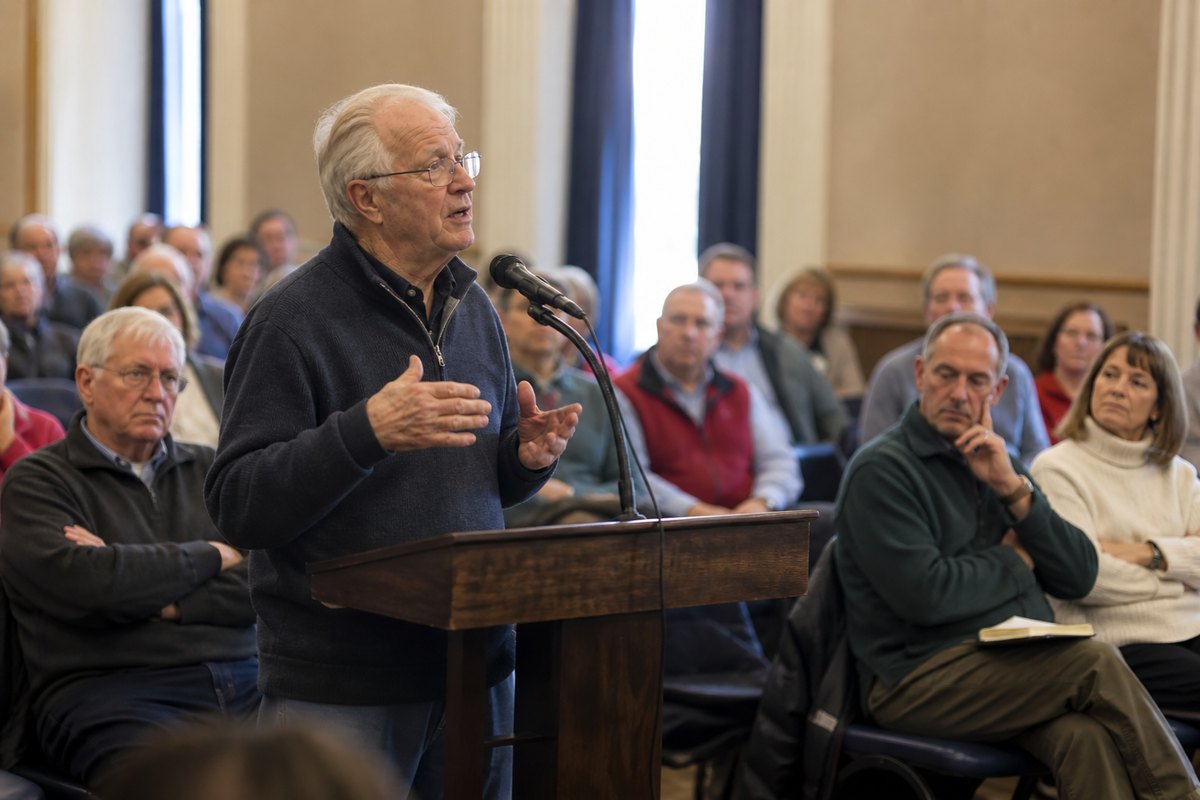
A crowded meeting can be irrelevant when it merely presents a settled decision. Equally, a small group can be decisive when it becomes involved while purpose, boundaries and success criteria are still under discussion. Process quality depends on the relationship between an input and the decision: who can raise a need, what evidence is accepted, which authority listens and how the effect of the conversation is recorded. A serious process explains that relationship from the outset and does not confuse information, consultation, deliberation and shared decision-making.
A crowded meeting can be irrelevant when it merely presents a settled decision. Equally, a small group can be decisive when it becomes involved while purpose, boundaries and success criteria are still under discussion.
Information means providing understandable facts about something that is going to happen. Consultation gathers views without promising that each one will be accepted. Deliberation adds time to compare reasons, costs and conflicts. Co-decision reserves a defined portion of authority for participants. No mode is universally superior; deception begins when an institution advertises an influence it does not actually grant. If only a minor detail can change, that limit should be stated. If the whole direction remains open, the process should also name who will close the decision and under which rules.
The right moment begins before a solution is framed#
Early involvement often starts with a question that remains uncomfortable: which problem deserves attention, and for whom is it a problem? A public authority may believe it needs an app; residents may need more predictable opening hours, face-to-face assistance or a less fragmented procedure. If consultation begins with screens, debate is confined to colour, buttons and ease of use. If it begins by describing the experience that should improve, organisational, regulatory and human alternatives emerge without depending on a technology purchase.
The criteria used to compare options must also remain open. Initial cost, response time, accessibility, energy use, data protection and burdens shifted onto families can lead to different choices. Making these criteria explicit allows disagreement to become productive. The community is not merely discussing preferences; it helps determine which consequences count. The accountable team retains its obligation to test feasibility, legality and fairness, but can no longer hide value judgements behind a purely technical appearance.
A clear architecture protects the process#
Before issuing an invitation, the commissioning body needs to publish a short framework: the question, scope, genuine constraints, timetable, available resources and accountable person. It should also identify what cannot change and explain why. That transparency prevents participants from spending effort on nonexistent possibilities and allows them to challenge a constraint that may have been described as inevitable when it is not. The framework should state where contributions will go, how they will be analysed and when a response will appear.
Participant selection requires attention beyond those already fluent in institutional channels. An open call offers breadth, but tends to favour people with time, confidence and specialist language. Targeted invitations, civic lotteries, partnerships with associations and active outreach to affected people can complement it. No method removes every bias. The final report should therefore explain who took part, who was missing and which steps reduced barriers, without suggesting that the group automatically represented the entire population.
Advance information should be sufficient, plural and readable. Participants need to understand the problem, known options, areas of disagreement and uncertainty. Independent facilitation can allocate speaking time, separate facts from judgements and make unanswered questions visible. Documentation must not turn the process into an examination reserved for specialists. Its purpose is to create common ground from which different experiences can engage with technical knowledge rather than be subordinated to it.
Case 1: a public square changes before the final plan#
A composite case makes the distinction visible. A municipality plans to renovate a public square and already has a fixed budget and safety requirements. Under late participation, it would display three nearly finished plans and ask people to choose benches or planting. Under an early process, it would present the identified problems — heat, unsafe crossings, little space to linger and conflicts between uses — before commissioning the final solution. Residents, shopkeepers, children, maintenance staff and people with limited mobility could describe routes and times that a static map does not show.
The contributions would not determine the building work on their own, but they would change the professional brief. They might reveal that an apparently empty area is a school route, that shade matters most in late afternoon or that a particular surface impedes movement. The technical team would test these observations against regulation, drainage and cost. It would then publish which criteria it incorporated and which it rejected, with reasons. Participation would have changed the problem and specification rather than decorated a closed plan.
Success would not be measured by attendance alone. It would also include diversity of perspectives, traceability between contributions and changes, compliance with accessibility requirements and evaluation of use after opening. If the project created an unforeseen effect, the community would know the review channel and date. That feedback would turn a one-off construction project into public learning.
Case 2: digitising a service without making the channel the goal#
In a second composite case, a social organisation wants to digitise applications for assistance. If consultation begins after the platform has been contracted, users can only identify navigation errors. Money already committed creates pressure to retain the architecture even when the process excludes someone who shares a device, lacks stable documentation or needs to describe circumstances that do not fit predetermined categories. Subsequent participation then works as usability testing, not as a discussion about the model of care.
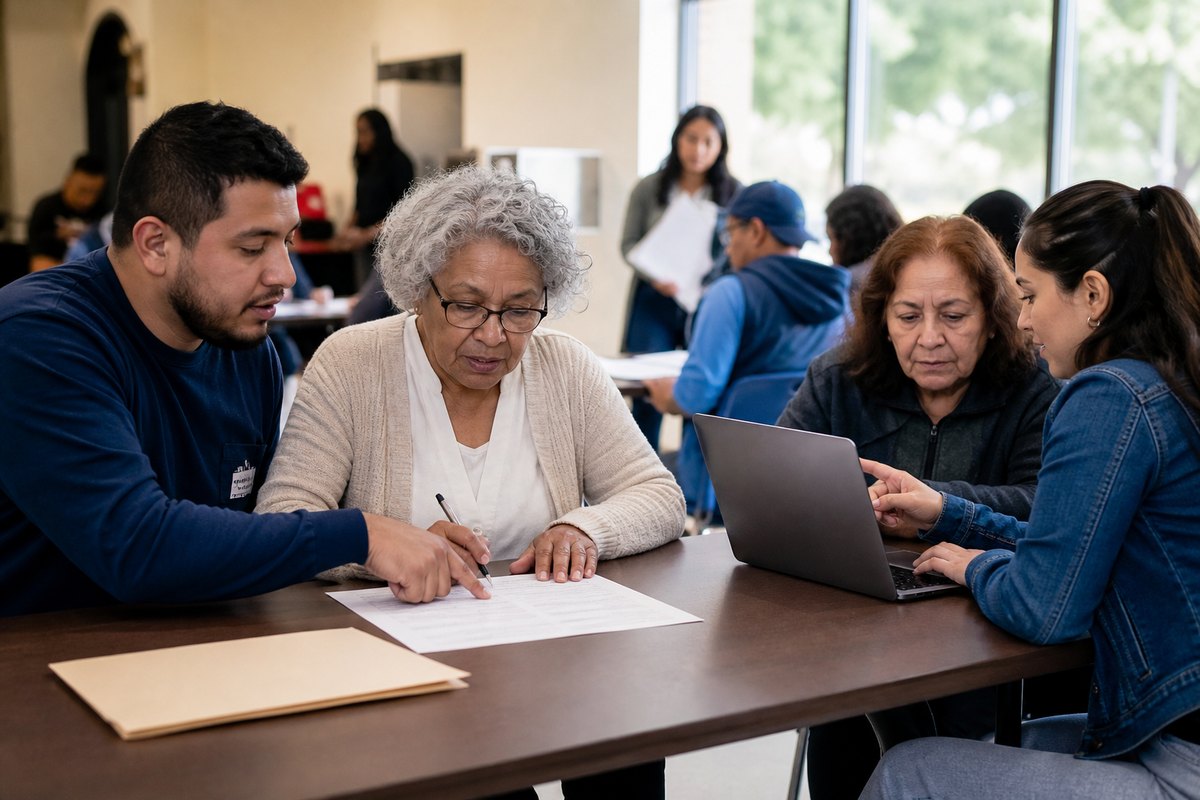
Prior involvement would bring together users, frontline practitioners, privacy officers and administrative staff to reconstruct the complete journey. The group might decide that the goal is not to maximise digital forms but to reduce repetition and provide an understandable answer. That definition opens a combination of channels: a short form, telephone support, an in-person appointment and the ability to save progress without losing information. It also forces the organisation to specify which data are essential and who can correct a record.
The organisation would document genuine tensions: speed against support, fraud prevention against a presumption of good faith, automation against human review. They would not all disappear. They would, however, become visible decisions with named owners and safeguards. A pilot could measure abandonment, time, errors and differences between groups before full deployment. The experience of affected people would influence the service while contractual and operational choices still remain open.
Case 3: an energy transition whose benefits are discussed from the start#
A third composite case concerns a local cooperative considering shared solar power. A meeting held after roofs, fees and supplier have been selected would permit comments but barely affect the distribution of benefits. An early approach would begin by asking who can participate, which households face greater energy vulnerability, what risks the cooperative accepts and how savings, resilience and emissions reduction should be combined. Technology would become an option inside a community purpose rather than the unquestioned starting point.
Deliberation might show that a flat contribution excludes households with less liquidity even though they most need lower bills. It could also reveal concerns about maintenance, future shading or residents moving away. Using this information, legal and financial teams could assess tiered contributions, a solidarity fund, exit rules and repair reserves. The final outcome would still need to be feasible, but feasibility would include distribution rather than technical performance alone.
When closing the decision, the cooperative would publish a simple matrix: proposal received, assessment, response and next milestone. Ideas that conflict with law or budget would receive an explanation rather than silence. If installation proceeded, an annual review would compare predicted and actual benefits across groups. Participation would continue through implementation because consequences produce knowledge too.
Inclusion means changing times, channels and conditions#
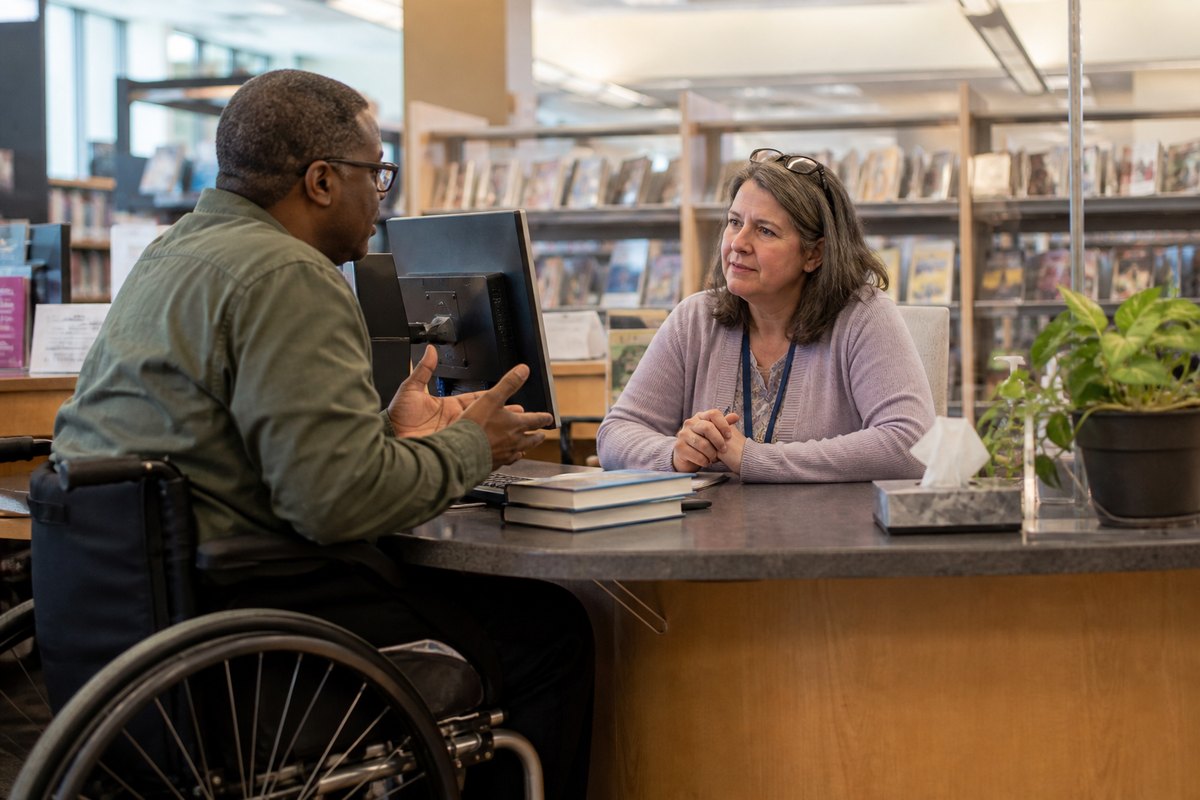
Inclusion is not achieved by translating an invitation. It depends on times compatible with work and care, accessible venues, transport support, compensation when the commitment is substantial, materials in understandable formats and alternatives to a digital channel. Safety in disagreement also matters. A person who depends on a service may fear that criticism will affect their care; a worker may remain silent when a manager is present. Confidential mechanisms and facilitators with autonomy reduce those risks.
Children, older people, migrant communities and disabled people do not form homogeneous blocs. An institution should avoid treating one spokesperson as definitive and combine organised knowledge with direct experience. When it cannot incorporate a relevant perspective, it should acknowledge the absence and limit its conclusions. That honesty improves the process more than a diverse photograph that hides who had time to speak, whose intervention received an answer and who left before completion.
Feedback turns listening into accountability#
Credible participation leaves a trace. A closing report need not reproduce every comment, but it should group themes, explain the method, preserve material disagreements and connect contributions with changes. The response can distinguish accepted, partially incorporated, deferred and rejected proposals. Each category needs an understandable reason. This practice protects the community and the deciding team: it prevents vague promises and demonstrates that listening is not the same as obeying without assessment.
Feedback must arrive before memory fades and continue during delivery. If an accepted recommendation disappears after a budget change, the institution should communicate that fact. If a proposal creates a better result than expected, it is worth documenting too. Mature participation recognises that decisions evolve with new evidence, while requiring every change to have an owner, reasons and a route for review.
Evaluating the process requires more than counting registrations. Useful questions include who received the invitation, who could complete participation, which forms of knowledge entered the decision, how much the outcome changed, which conflicts remained and whether people understood the response. Indicators should be defined at the beginning so that only flattering measures cannot be selected afterwards. Independent evaluation becomes particularly valuable when a decision has wide impact or takes place across an unequal power relationship.
A practical sequence for rehearsing open decisions#
A community or institution can arrange the work in nine moves. First, it defines the problem without anticipating a solution. Next, it identifies which decisions remain open and who holds final authority. Third, it maps affected people, including those who rarely attend. It then removes access barriers and prepares plural information. The fifth move selects a method consistent with the promised influence. The sixth facilitates exchange and records reasons, not votes alone.
The seventh move tests proposals against evidence, rights, resources and distributive effects. The eighth publishes a traceable response before implementation. The ninth reviews results and maintains a correction channel. This sequence does not turn every routine choice into an assembly. It helps select matters where distributed knowledge, legitimate conflict or collective impact warrants deeper participation. The scale of the process should remain proportionate to what is at stake.
Participating early changes decisions because it acts on questions, criteria and alternatives. Participating afterwards only decorates them when the material framework remains untouchable and listening is used as a seal of approval. A community rehearsing the future does not promise permanent consensus. It creates conditions for disagreement to arrive in time, produce verifiable reasons and leave a route for correction. Participation then ceases to be spectacle: it becomes a concrete part of how knowledge, responsibility and power are distributed.
Institutional sources for further reading#
- OECD, Guidelines for Citizen Participation Processes: a ten-step framework covering purpose, recruitment, methods, feedback and evaluation.
- Council of Europe, participatory democracy documents: includes the revised Code of Good Practice for Civil Participation in the Decision-Making Process.
- European Commission, Better Regulation Toolbox: institutional guidance on consultation, analysis of contributions and transparency.
- Spanish Official State Gazette, Law 39/2015: the legal text governing, among other matters, citizen participation in rulemaking and access to sufficient information.