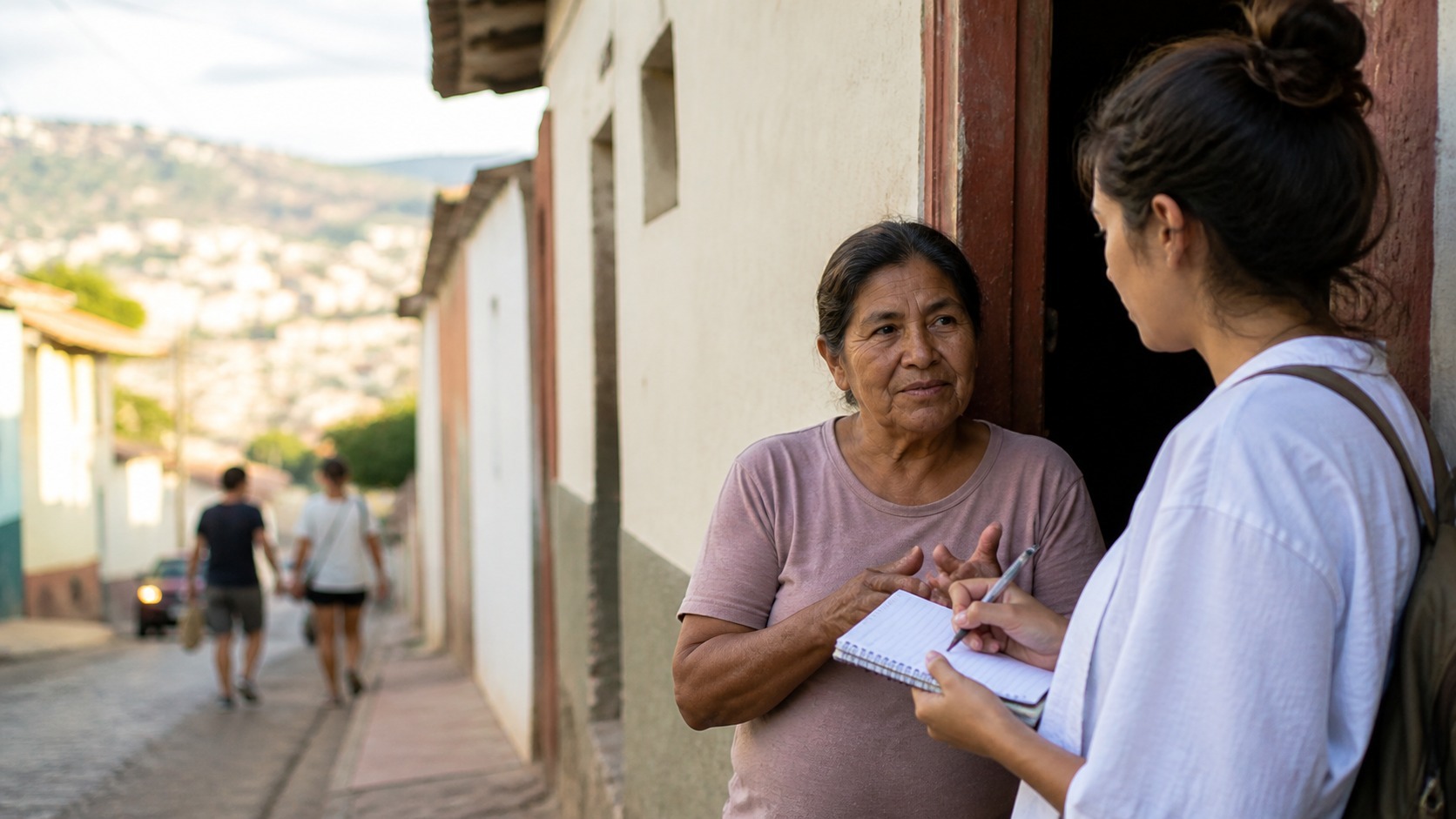
Dating violence can begin with behaviour framed as care: demanding passwords, monitoring friends, persisting after a no, or treating jealousy as love. This guide offers a realistic safety plan for recognising warning signs, rebuilding support, and seeking help without blame.
Name the behaviour without minimising it#
A healthy relationship allows disagreement but does not require fear, isolation, or obedience. It is a warning sign when someone changes clothes, friends, routines, or posts to prevent a partner reaction. Reading a phone without permission, tracking location, humiliation, threats to share images, and cycles of intense affection and contempt are also controlling behaviours. No argument justifies physical, sexual, digital, financial, or emotional violence.
A healthy relationship allows disagreement but does not require fear, isolation, or obedience.
Writing down dates, messages, witnesses, injuries, or changes in behaviour can help organise what happened. This is never an obligation and should not create extra risk. Keep information only where it is safe, or ask a trusted person or specialist service how to preserve it.
Start with a practical safety plan#
The priority is not winning an argument or persuading the other person to understand. It is safety. Choose two contacts, agree a code word, and consider where you could go if you need to leave. Where possible, keep access to documents, medication, a charger, money, and transport. If devices are monitored, use a safer device and seek advice before changing settings.
A plan can be small: tell a friend before meeting, choose a public place, or arrange a check-in call. If there is immediate danger, threats, assault, or fear of going home, contact emergency services or a local specialist resource.
Case 1: jealousy made into a rule#
Lucia stops attending training because her partner messages constantly and later accuses her of hiding something. A teammate asks why she no longer comes. Saying the messages aloud helps Lucia notice that she has lost her own spaces. They agree she will return to one activity, tell a safe person, and contact a support service. Rebuilding support is not provoking a partner; it is restoring the ability to choose.
Case 2: digital pressure and a threat#
Adrian is told private conversations will be published if he ends the relationship. Rather than reply for hours, he saves evidence, speaks to a trusted adult, and receives advice about safer blocking. His school explains its safeguarding process. A digital threat deserves support even when it is not carried out.
Case 3: an apology after assault#
After pushing Nuria during an argument, her partner cries, promises change, and asks her to tell nobody. Nuria notices she is afraid to disagree. She speaks with a professional and arranges a safe place to stay. Responsibility for stopping violence belongs to the person using it; affection or an apology does not oblige anyone to remain.
Support without taking control#
If someone shares a concern, listen and believe them. Ask what would help them feel safer today and whether they want help finding information. Avoid blame or pressure to report. Offer practical help: accompany them to an appointment, keep a copy of documents, or be available at an agreed time. Confronting a partner yourself can raise risk; specialist support is safer.
Public health, social care, equality, and safeguarding services can explain local options. Emergency help is appropriate when there is serious or immediate danger. Seeking support can coexist with deciding at ones own pace.
Rights, consent, and accountability#
Consent must be freely given, informed, specific, and reversible. Fear, intoxication, dependence, or a power imbalance can make a free decision impossible. Violence is not limited to injuries: sexual coercion, financial control, isolation, and humiliation also cause harm. People harmed by violence deserve medical, psychological, legal, and community support whether or not they report.
Anyone who recognises controlling or violent behaviour must stop it, accept responsibility, and seek specialist intervention. An apology does not replace respecting boundaries, repair, or consequences. Safety must never depend on a private negotiation.
Reliable sources and a next step#
The World Health Organization, UN Women, UNICEF, and the Council of Europe provide authoritative information on intimate partner violence, prevention, and rights. Local public health and safeguarding services can identify nearby help. Seek urgent assistance for injuries, sexual violence, stalking, threats, or suicide risk.
The next step may be discreet: save a resource, message a safe person, or book an advice appointment. A relationship should not make your world smaller. Recovering safety, information, and support is a practical way to regain choice.
Name the behaviour without minimising it#
A healthy relationship allows disagreement but does not require fear, isolation, or obedience. It is a warning sign when someone changes clothes, friends, routines, or posts to prevent a partner reaction. Reading a phone without permission, tracking location, humiliation, threats to share images, and cycles of intense affection and contempt are also controlling behaviours. No argument justifies physical, sexual, digital, financial, or emotional violence.
Writing down dates, messages, witnesses, injuries, or changes in behaviour can help organise what happened. This is never an obligation and should not create extra risk. Keep information only where it is safe, or ask a trusted person or specialist service how to preserve it.
Start with a practical safety plan#
The priority is not winning an argument or persuading the other person to understand. It is safety. Choose two contacts, agree a code word, and consider where you could go if you need to leave. Where possible, keep access to documents, medication, a charger, money, and transport. If devices are monitored, use a safer device and seek advice before changing settings.
A plan can be small: tell a friend before meeting, choose a public place, or arrange a check-in call. If there is immediate danger, threats, assault, or fear of going home, contact emergency services or a local specialist resource.
Case 1: jealousy made into a rule#
Lucia stops attending training because her partner messages constantly and later accuses her of hiding something. A teammate asks why she no longer comes. Saying the messages aloud helps Lucia notice that she has lost her own spaces. They agree she will return to one activity, tell a safe person, and contact a support service. Rebuilding support is not provoking a partner; it is restoring the ability to choose.
Case 2: digital pressure and a threat#
Adrian is told private conversations will be published if he ends the relationship. Rather than reply for hours, he saves evidence, speaks to a trusted adult, and receives advice about safer blocking. His school explains its safeguarding process. A digital threat deserves support even when it is not carried out.
Case 3: an apology after assault#
After pushing Nuria during an argument, her partner cries, promises change, and asks her to tell nobody. Nuria notices she is afraid to disagree. She speaks with a professional and arranges a safe place to stay. Responsibility for stopping violence belongs to the person using it; affection or an apology does not oblige anyone to remain.
Support without taking control#
If someone shares a concern, listen and believe them. Ask what would help them feel safer today and whether they want help finding information. Avoid blame or pressure to report. Offer practical help: accompany them to an appointment, keep a copy of documents, or be available at an agreed time. Confronting a partner yourself can raise risk; specialist support is safer.
Public health, social care, equality, and safeguarding services can explain local options. Emergency help is appropriate when there is serious or immediate danger. Seeking support can coexist with deciding at ones own pace.
Rights, consent, and accountability#
Consent must be freely given, informed, specific, and reversible. Fear, intoxication, dependence, or a power imbalance can make a free decision impossible. Violence is not limited to injuries: sexual coercion, financial control, isolation, and humiliation also cause harm. People harmed by violence deserve medical, psychological, legal, and community support whether or not they report.
Anyone who recognises controlling or violent behaviour must stop it, accept responsibility, and seek specialist intervention. An apology does not replace respecting boundaries, repair, or consequences. Safety must never depend on a private negotiation.
Reliable sources and a next step#
The World Health Organization, UN Women, UNICEF, and the Council of Europe provide authoritative information on intimate partner violence, prevention, and rights. Local public health and safeguarding services can identify nearby help. Seek urgent assistance for injuries, sexual violence, stalking, threats, or suicide risk.
The next step may be discreet: save a resource, message a safe person, or book an advice appointment. A relationship should not make your world smaller. Recovering safety, information, and support is a practical way to regain choice.
Name the behaviour without minimising it#
A healthy relationship allows disagreement but does not require fear, isolation, or obedience. It is a warning sign when someone changes clothes, friends, routines, or posts to prevent a partner reaction. Reading a phone without permission, tracking location, humiliation, threats to share images, and cycles of intense affection and contempt are also controlling behaviours. No argument justifies physical, sexual, digital, financial, or emotional violence.
Writing down dates, messages, witnesses, injuries, or changes in behaviour can help organise what happened. This is never an obligation and should not create extra risk. Keep information only where it is safe, or ask a trusted person or specialist service how to preserve it.
Start with a practical safety plan#
The priority is not winning an argument or persuading the other person to understand. It is safety. Choose two contacts, agree a code word, and consider where you could go if you need to leave. Where possible, keep access to documents, medication, a charger, money, and transport. If devices are monitored, use a safer device and seek advice before changing settings.
A plan can be small: tell a friend before meeting, choose a public place, or arrange a check-in call. If there is immediate danger, threats, assault, or fear of going home, contact emergency services or a local specialist resource.
Case 1: jealousy made into a rule#
Lucia stops attending training because her partner messages constantly and later accuses her of hiding something. A teammate asks why she no longer comes. Saying the messages aloud helps Lucia notice that she has lost her own spaces. They agree she will return to one activity, tell a safe person, and contact a support service. Rebuilding support is not provoking a partner; it is restoring the ability to choose.
Case 2: digital pressure and a threat#
Adrian is told private conversations will be published if he ends the relationship. Rather than reply for hours, he saves evidence, speaks to a trusted adult, and receives advice about safer blocking. His school explains its safeguarding process. A digital threat deserves support even when it is not carried out.
Case 3: an apology after assault#
After pushing Nuria during an argument, her partner cries, promises change, and asks her to tell nobody. Nuria notices she is afraid to disagree. She speaks with a professional and arranges a safe place to stay. Responsibility for stopping violence belongs to the person using it; affection or an apology does not oblige anyone to remain.
Support without taking control#
If someone shares a concern, listen and believe them. Ask what would help them feel safer today and whether they want help finding information. Avoid blame or pressure to report. Offer practical help: accompany them to an appointment, keep a copy of documents, or be available at an agreed time. Confronting a partner yourself can raise risk; specialist support is safer.
Public health, social care, equality, and safeguarding services can explain local options. Emergency help is appropriate when there is serious or immediate danger. Seeking support can coexist with deciding at ones own pace.
Rights, consent, and accountability#
Consent must be freely given, informed, specific, and reversible. Fear, intoxication, dependence, or a power imbalance can make a free decision impossible. Violence is not limited to injuries: sexual coercion, financial control, isolation, and humiliation also cause harm. People harmed by violence deserve medical, psychological, legal, and community support whether or not they report.
Anyone who recognises controlling or violent behaviour must stop it, accept responsibility, and seek specialist intervention. An apology does not replace respecting boundaries, repair, or consequences. Safety must never depend on a private negotiation.
Reliable sources and a next step#
The World Health Organization, UN Women, UNICEF, and the Council of Europe provide authoritative information on intimate partner violence, prevention, and rights. Local public health and safeguarding services can identify nearby help. Seek urgent assistance for injuries, sexual violence, stalking, threats, or suicide risk.
The next step may be discreet: save a resource, message a safe person, or book an advice appointment. A relationship should not make your world smaller. Recovering safety, information, and support is a practical way to regain choice.