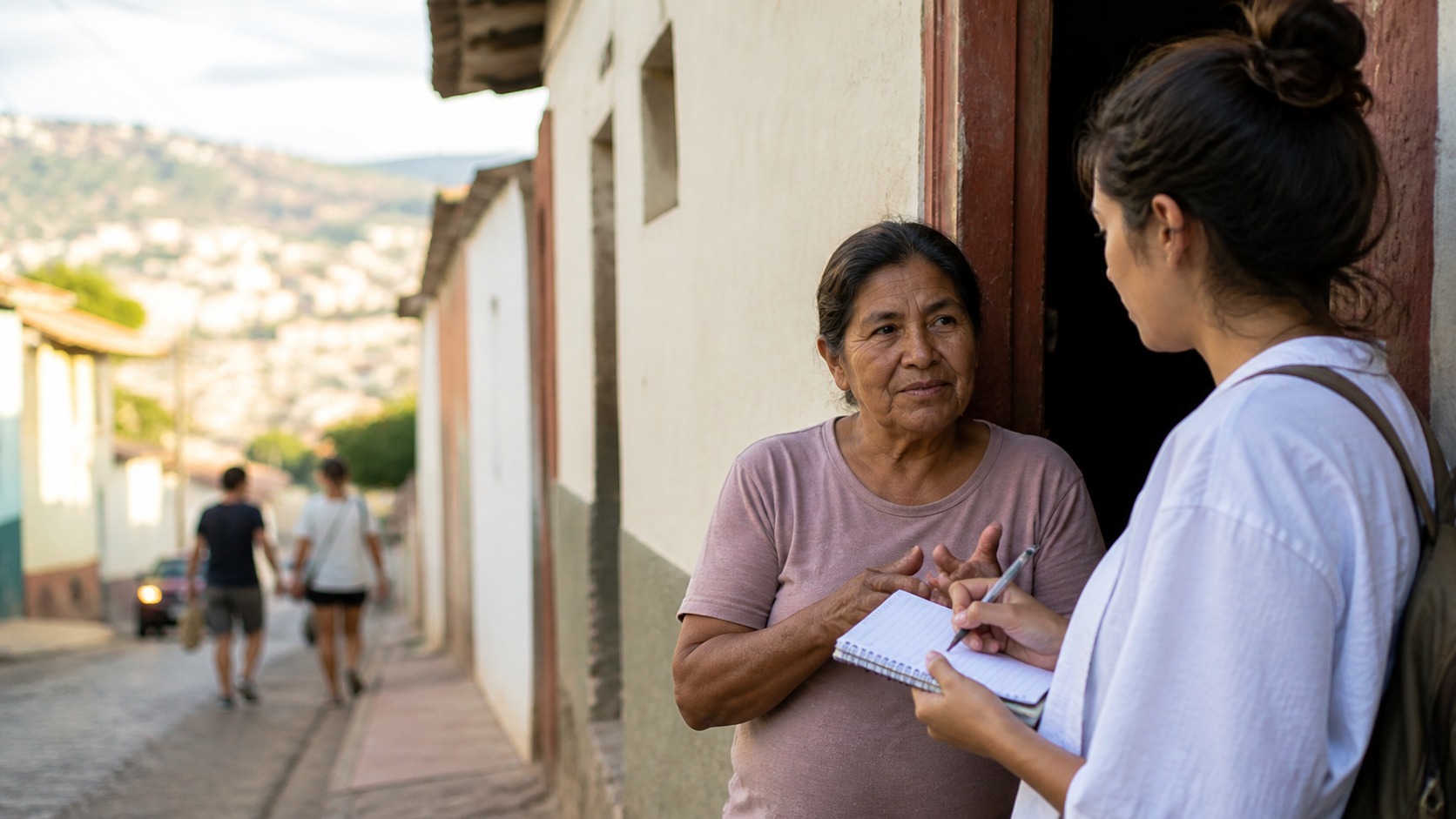
When a relationship begins to feel frightening, a plan is not meant to persuade anyone or solve violence through a perfect conversation. It is meant to restore options, reduce isolation, and put safety first. These five steps can be adapted to digital control, jealousy, threats, sexual pressure, or fear of leaving without requiring a report or a decision that is unsafe today.
First: name the problem without minimising it#
An argument is not automatically violence. The problem begins when one person uses fear, control, humiliation, isolation, pressure, or threats to impose their will. Checking a phone, demanding location access, mocking someone in public, deciding whom they may speak with, or continuing after a no are behaviours that deserve attention. Naming them precisely avoids the idea that everything is jealousy, intense love, alcohol, or a bad week. Responsibility belongs to the person choosing to control or harm.
An argument is not automatically violence. The problem begins when one person uses fear, control, humiliation, isolation, pressure, or threats to impose their will.
It helps to describe observable facts: what happened, when, who was present, what was said, what changed afterwards, and how freedom was affected. A record need not be perfect and should not be kept if it creates more risk. Telling a trusted person or making notes from a safer device can be enough. The purpose is not to build a case for someone else; it is to recognise a pattern and ask for support clearly.
Second: assess risk before acting#
Before confronting a partner, blocking an account, announcing a break-up, or changing passwords, ask: am I afraid of a reaction? Have there been threats, stalking, weapons, strangulation, sexual pressure, or damage to property? Does the person know my routine? Can they access my devices or accounts? Are children or dependent people involved? Where danger is immediate, the priority is reaching a safer place and contacting emergency services or a specialist resource. The whole relationship does not need to be resolved at that moment.
Risk can rise when a boundary is set or when someone tries to leave. That is why deleting messages or meeting alone is not safe in every situation. Health, social, education, youth, and specialist services can provide confidential local guidance. If digital monitoring is suspected, seek advice from a device the partner cannot access. A safety plan should fit the real circumstances rather than follow a generic checklist blindly.
Third: choose one person and one small action#
A plan works best when it begins with an achievable action. That might mean saving a helpline under a neutral name, reconnecting with a friend, booking a health appointment, identifying an exit from home, or agreeing a code word. The chosen person does not need to investigate or confront the partner. They can listen, accompany someone, keep a copy of information if safe, or attend an appointment. Having one ally reduces the weight of deciding alone.
The action must protect autonomy. A supporter can ask, “What do you need today?”, “Is there a safe way to contact you?”, and “What would you do if things got worse?” Avoid blaming questions or demands to report. Listening and believing are more useful than organising a rescue without consent, except where serious and immediate danger requires protective action.
Fourth: prepare concrete options#
A short list turns concern into options. It can include two safer places, two phone numbers, possible transport, important documents, medication, and someone who can take a call. If living together or studying together complicates matters, a person might arrange to leave with company, avoid being alone during high-conflict conversations, and alert a service at school or work. Not every measure is needed; the plan has to fit the person who will use it.
Digital safety needs its own section. Checking open sessions, cloud backups, shared accounts, location settings, passwords, and linked devices can matter, but visible changes may alert a controlling person. A specialist service can advise on the safer sequence. Screenshots or messages may be useful, yet should never be saved if doing so exposes someone to harm. Technology-based control is a form of violence, not a trust problem to solve by offering more access.
Fifth: review, seek support, and adjust#
A plan is not written once and forgotten. Each week, review four questions: Can I decide without fear? Do I maintain my own relationships? Do I know whom to call? What recent behaviour worries me? The answers make it possible to adjust the strategy. New threats, harassment, sexual pressure, physical harm, or growing fear call for specialist support promptly. In an emergency, contact local emergency services.
The World Health Organization, UN Women, UNICEF, and the Council of Europe describe intimate partner violence as a rights, health, and prevention issue, not a private conflict someone should endure. Their materials help people recognise coercion, protect young people, and support survivors without blame. A local resource can explain available legal and social options without imposing a single route.
Case 1: shared location becomes surveillance#
Lucia turns on location sharing so she can meet her partner after class. Within weeks, she receives messages if she is ten minutes late, must justify every detour, and stops visiting a friend because she expects an argument. Lucia’s first step is calling that friend from her education centre and describing specific events. They agree a code word and consult a support service. She does not change every account at once; first she asks how to do so without raising risk.
This case shows how technology can move from convenience to control. The important sign is not whether an app exists, but whether Lucia remains free to say no and travel without punishment. Her plan gradually gives her choices back.
Case 2: a break-up that needs company#
Samir wants to end the relationship after his partner breaks an object and threatens to publish private conversations. He does not answer the provocation or agree to meet alone. He speaks with a relative, saves the contact of a specialist service, and chooses to communicate his boundary from a place where he has company. He also asks two friends not to share information about his routine. When further threatening messages arrive, he does not negotiate under pressure and seeks advice.
The decision to leave belongs to Samir, but he does not have to carry it without a network. Preparing company, transport, and a response to persistent messages changes an unpredictable situation into a safer sequence. Threatening to distribute intimate material is violence and may require specialist support.
Case 3: sexual pressure presented as love#
Nora repeatedly hears that, if she truly loved her partner, she would agree to practices she does not want. Each refusal ends with anger, silence, or accusations of selfishness. Nora speaks with a health professional, who confirms that consent must be free, specific, informed, and reversible. They arrange a follow-up appointment, and Nora reconnects with a classmate who can listen without judgement.
Affection does not remove pressure. A useful plan does not require Nora to educate the person who persists or prove that her boundary is reasonable. It gives her information, support, and safer ways to decide. Young people have a right to relationships in which no is respected the first time.
How to support without adding danger#
Someone who receives a disclosure can do much through simple actions: believe the person, thank them for trusting you, ask what help is safe, and offer specific resources. They can accompany a consultation, wait for a call, or save a contact. They should not message the partner, publish information, demand evidence, or arrange a meeting to “clear things up.” Even well-meant initiatives can increase monitoring or retaliation.
Confidentiality matters too. Do not share location, the plan, or the story without permission unless there is a duty to protect someone from serious danger. A professional or specialist service can help assess that exception. The goal is not to take control of another person’s life; it is to increase their safety and capacity to choose.
A possible way out starts today#
The five-step plan does not promise that violence will disappear by magic. It provides an order: name it, assess risk, connect, prepare, and review. It can begin with a call, an appointment, or a message to someone safe. Asking for help does not force a report, an immediate break-up, or disclosure of every detail. It means recognising that nobody deserves to live around another person’s reaction and that safety deserves real support.
If this reflects a current situation, prioritise a safer place and contact a local service or emergency support where danger exists. If you are supporting someone, remain available without pressure. A healthy relationship expands friendship, rest, and decision-making; violence reduces them. Reclaiming them step by step is a concrete form of care.
After first contact: document and rebuild support#
When doing so does not increase risk, noting dates, messages, screenshots, or changes in behaviour can help organise what is happening and explain it to a specialist service. It is not evidence someone must collect in order to deserve help, and it is not urgent if it could expose them. Keep information away from shared devices where possible, and review passwords, open sessions, and location sharing with professional support. Rebuilding friendships, personal routines, and rest also matters: it reduces the isolation that often accompanies controlling behaviour.
Guidance should come from official or specialist sources. In Spain, 016 provides information and support for violence against women, while 112 is for emergencies. Local services, schools, and health centres can arrange support without forcing one fixed decision. A consultation can help someone understand options, rehearse a safe message, and choose the next step calmly.
Where there are children, financial dependence, injuries, or intense fear, professional assessment is especially important. Nobody has to wait for an extreme incident before seeking advice. A discreet plan may include one trusted person, a code word, and a safe way to make contact again. The person living the situation keeps control of each decision.