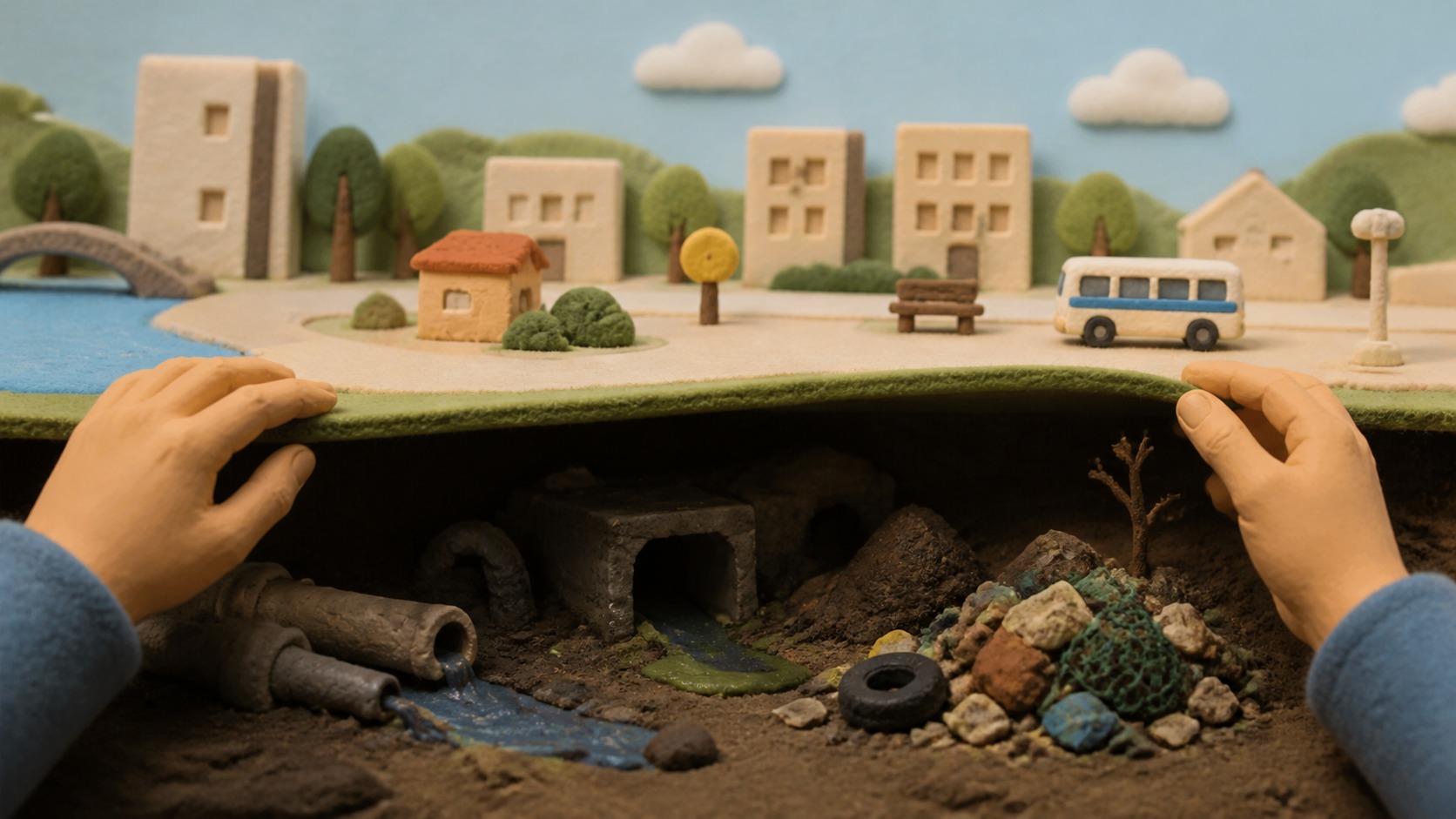
On a Tuesday afternoon, Dani leaves the library with a small new decision: for the first time, he will ask a repair shop how much it costs to fix his tablet. He has written down two questions, knows the budget he cannot exceed, and has agreed to message his father when he is finished. This is not a test of maturity or a mission to prove that he needs nobody. It is a rehearsal. If he takes a wrong turn, does not understand an explanation, or prefers to wait, there is a clear way to stop, ask for help, and review what happened.
That scene captures a useful idea for families, schools, and adolescents: autonomy does not grow by suddenly removing all support. It grows by practising real decisions with proportionate support around them. The aim is not flawless independence. It is helping a young person recognise what they know, what they still need, which boundary protects them, and whom they can contact when a situation is bigger than their current resources.
Change the question that structures the conversation#
When adolescence brings a change, adults often ask whether a young person is old enough to do something alone. That question can end in a broad yes or no and miss the details that matter. A more practical question is: which specific part of this decision can they practise now, and what support would make the practice safe? Preparing a purchase, travelling home, handling a disagreement, organising an appointment, and explaining a need all call for different skills.
When adolescence brings a change, adults often ask whether a young person is old enough to do something alone.
Breaking a decision into parts avoids two extremes. One is controlling every step because an error feels frightening. The other is handing over too much responsibility so that the young person will supposedly learn. Between them is productive ground: choose a visible step, anticipate reasonable obstacles, agree on an exit, and review it later without turning the review into an interrogation. The skill being practised is not thoughtless compliance. It is deciding, communicating, and repairing.
A safety net is not permanent surveillance#
A safety net has only a few elements and is explained before it is needed. It may include a safe place to go, a contact person, a limited amount of money, a time to check in, or a prepared sentence for leaving an uncomfortable situation. It should also state which events change the plan: feeling followed, being lost with no battery, receiving a frightening proposal, witnessing violence, or feeling pressure that cannot be managed.
The difference between support and surveillance lies in purpose and proportion. Asking, “Would you like us to review the route?” invites collaboration; demanding constant location without a reason can damage trust. Some circumstances justify extra measures, but adults should explain them, set a duration, and review them. Privacy belongs to learning autonomy. Safety does not require an adolescent to give up every part of their private life.
Begin with a fact, not a label#
When something goes wrong, labels such as irresponsible, distracted, or impossible close the inquiry before it starts. It is more useful to describe what can be checked: they arrived twenty minutes late twice, could not find a document they needed, or left an activity after an argument. Then adults can ask what happened beforehand, what the young person thought, what they tried, and what help would have been acceptable.
This change in language matters because adolescent mistakes often have several causes. Information may be missing; sleep may be short; asking may feel embarrassing; there may be peer conflict, an unclear rule, an overlarge task, or an unspoken worry. Describing the fact does not remove responsibility. It makes it possible to choose a response that teaches something. An automatic punishment may interrupt behaviour for a day, but it does not always build the capacity needed tomorrow.
Design reversible decisions#
Not every decision carries the same risk. A good first step is to choose reversible decisions: compare two prices before buying, prepare part of an outing, write a message without sending it yet, practise a route once with someone, or manage a small budget. If something does not work, it can be corrected at limited cost. The possibility of repair reduces fear and makes it more likely that a young person will share a difficulty in time.
Less reversible decisions need different preparation. Sharing intimate images, travelling with someone who has used substances, accepting sexual pressure, disappearing without notice, or entering a fight are not training fields for seeing what happens. Here boundaries must be clear and adult help may be immediate. Explaining why a boundary exists is usually more respectful and more effective than presenting an order as a contest of power.
A short script for asking for support#
Asking for help is a skill, not the failure of autonomy. Many young people avoid it because they expect anger, cannot find the words, or think they must solve everything first. Rehearsing a short sentence can change that moment: “I am somewhere I do not recognise and need help deciding”; “I do not understand this task and want to prepare a question for tomorrow”; “People are pushing me and I want to leave.”
The adult who receives that call has a role too. If their first response is humiliation, the next call will come later or not at all. If they listen, address the immediate issue, and leave the review for a calmer moment, they teach that asking for support fits with taking responsibility. Afterwards they can discuss what was missing from the plan: battery, information, a contact, a time margin, or a recognisable warning sign.
Case: a purchase that teaches comparison#
Nora wants to buy headphones with her savings. Her aunt does not decide for her, nor does she hand over an unlimited card. Together they set a budget, review which details matter — warranty, returns, compatibility, and final cost — and agree that Nora will save a screenshot of two options. At the shop, Nora discovers that one offer excludes the charger. She does not buy impulsively; she says she will return another day and checks the information.
The achievement is not choosing the perfect product. It is noticing a condition she did not understand, pausing a reversible decision, and coming back with a specific question. At review, her aunt can ask which information proved useful and what Nora would change. Turning every consumer choice into a lecture would be exhausting; selecting a few real experiences for practising judgment can be enough.
Case: a difficult conversation without doing it for someone else#
Iker has stopped contributing to a group project because he believes his classmates ignore his ideas. At home, options include sending an angry message or abandoning the project. His older sister helps him separate facts from interpretations: two people changed the allocation without telling him, but he does not yet know why. They prepare a sentence: “I want to understand how the work was organised and agree on a specific part I can take on.”
The conversation is not perfect. Iker becomes nervous and needs to read his note again. Even so, he manages to request a defined task and set a date to review it. Learning relational autonomy does not mean winning every argument. It means expressing a boundary, hearing an explanation, requesting reasonable repair, and knowing when to seek mediation. If bullying, threats, or sustained humiliation appear, the next step is not to persist alone: responsible adults need to be told.
Case: a journey home that allows for surprises#
Alma starts an activity that ends after dark. Before the first week, she and her family run a rehearsal: they identify the stop, check the timetable, agree on a lit place if the bus is delayed, and decide which message she will send on leaving. They also talk about what she will not do: get into a car with an unknown person, walk through an area that feels unsafe, or hide a changed plan to avoid a reprimand.
One afternoon the bus is cancelled. Alma enters an open café, sends the message, and waits for an agreed alternative. The incident does not prove she is unready to travel home; it proves that the plan had an exit. Review can include the battery, the waiting time, and how she felt. If incidents repeat, the route or support can be adjusted. Adjusting is not going backwards; it uses experience to protect the next attempt.
The ten-minute review#
An effective review is brief and uses a few questions: what did you want to do, what happened, what helped, which obstacle did you not expect, and what would you keep or change next time? Format matters. A conversation that begins with “I knew this would happen” turns review into defence. A conversation that admits an adult mistake — for instance, giving unclear instructions — shows that responsibility can be shared without erasing each person's part.
An adolescent's life does not need to be recorded like a case file. For one specific goal, a private five-line note may be enough: situation, decision, agreed support, outcome, and next step. It should be kept carefully and not shared without need. If a professional or school is consulted, brief facts can help explain what changed and which strategies have already been tried.
Signs that support is working#
Progress is rarely linear. Valuable signs include warning someone earlier about a problem, asking a more precise question, using a strategy without a reminder, recognising a need for a pause, or repairing a consequence. Being able to disagree respectfully also counts. Autonomy is not always following an adult instruction; it includes developing judgment within boundaries that protect health and dignity.
It helps to observe trends over several weeks and in more than one context. One difficult afternoon does not define a trajectory. Likewise, one compliant week does not prove a plan is sustainable. If support becomes unnecessary, it can be reduced by agreement. If a task overwhelms, it can be made smaller. Proportionate adjustment keeps learning possible and prevents each setback from becoming an identity.
When the net needs to widen#
Some situations should not be handled only through a family agreement. Advice is warranted for intense or persistent sadness, anxiety that prevents attendance or relationships, major changes in sleep or eating, marked isolation, problematic substance use, self-harm, violence, coercion, bullying, or a substantial loss of daily functioning. A family should not diagnose at home. Its role is to listen, gather concrete facts, facilitate access to appropriate resources, and act urgently where there is immediate risk.
The adolescent deserves to know, to an appropriate extent, what information will be shared and with whom. Tutors, school support, primary care, paediatrics, nursing, mental-health services, and community resources can offer entry points depending on the concern. If there is danger of self-harm, abuse, serious violence, poisoning, or disappearance, do not wait for a scheduled review: contact emergency services or the competent local resource.
Sources that help prepare questions#
The World Health Organization, UNICEF, health ministries, paediatric associations, education services, and data-protection authorities provide information that can guide conversations about wellbeing, development, safety, and privacy. These sources can help someone prepare questions, check whether viral advice is oversimplifying a risk, and locate public resources. They do not replace an individual assessment, especially when distress persists or danger exists.
The final aim of an autonomy rehearsal is not that Dani, Nora, Iker, or Alma never need support again. It is that they can use it without shame, that the people around them can offer it without intrusion, and that each decision leaves a tool for the next one. Trying, pausing, asking for help, repairing, and trying again builds something far stronger than pretending to be certain or imposing independence.