
Showing 1–12 of 15 articles

Accompanying life transitions: what should not be solved alone
Distinguishing accompaniment from shared responsibility helps seek appropriate guidance in time.
Read article
The agreement that protects
A simple agreement can reduce tension when it is reviewed without turning home into surveillance.
Read article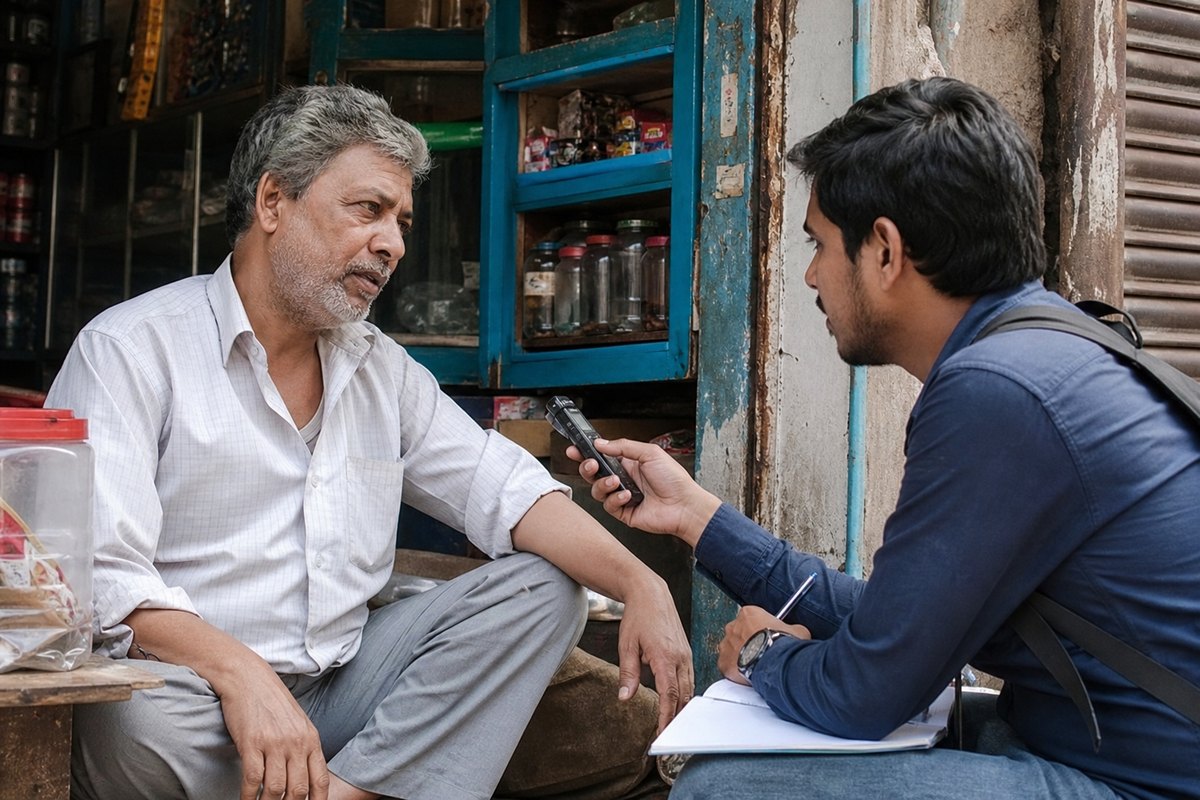
Participating Beforehand Changes Decisions; Participating Afterwards Only Decorates Them — the body no dashboard can summarise: Sport, body and data
Meaningful participation begins before deciding what will be measured, who may see it, and what consequences will follow. Four cases show how to include embodied experience without turning consultation into a decorative ceremony.
Read article
Power Appears Where Someone Can Say Enough — the home as the first laboratory of digital citizenship: Families in a connected world
Digital citizenship begins when any household member can stop a connected practice, ask for reasons, and be heard without fear. A legitimate boundary protects rights, distributes responsibility, and keeps a route to review and repair open.
Read article
The minute a decision stops being abstract — a school capable of learning from its own decisions: The school that learns to change
A school decision stops being abstract when it enters a classroom, changes an opportunity, and meets a response the institution is willing to hear. Learning from that moment requires observing effects, assigning responsibility, correcting course in time, and preserving a memory that improves the next decision.
Read article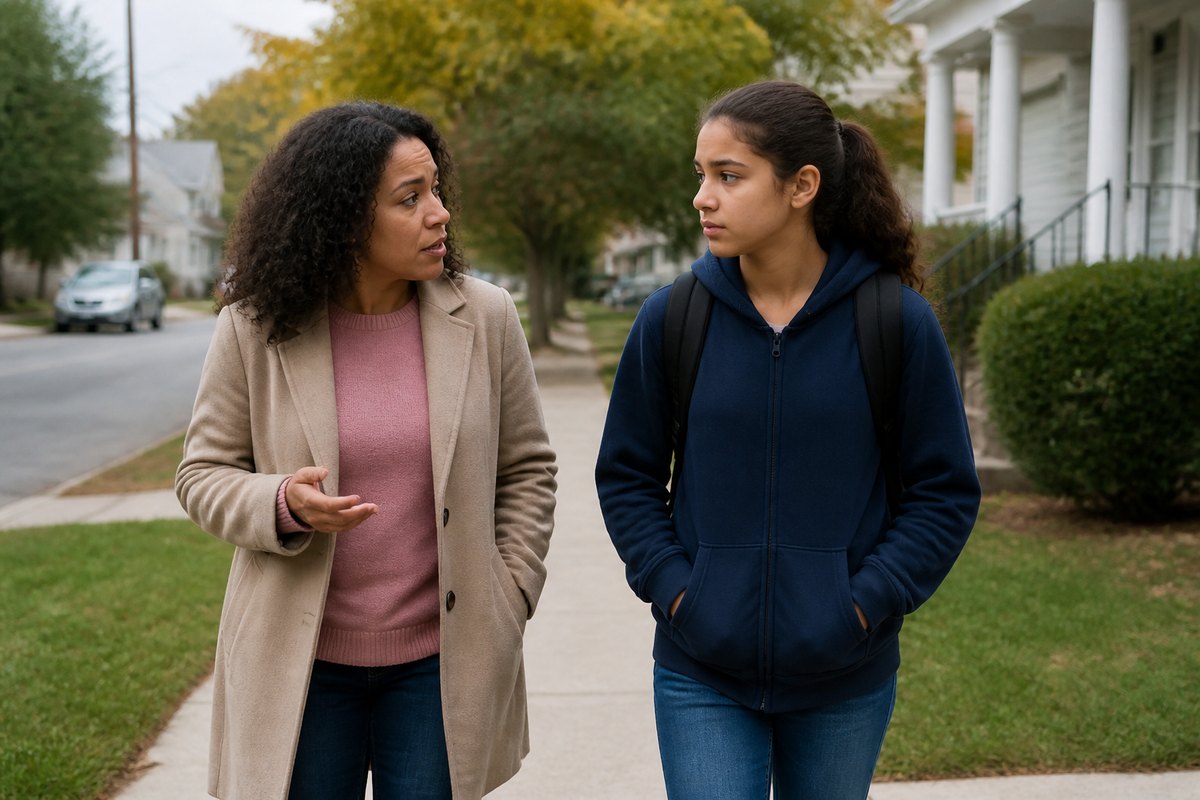
Accepting does not always mean being able to choose — when deciding requires listening: Leadership and collective decisions
Acceptance is valid only when understandable alternatives, sufficient time, and a real ability to disagree without penalty have existed.
Read article
The first question must arrive before the tool — when deciding requires listening: Leadership and collective decisions
Good decisions do not begin by selecting a solution: they begin by defining, with people who will live with the consequences, the problem worth addressing.
Read article
Participation changes the question and improves the response — before a crisis appears: Cybersecurity for daily life
Participation by users, families, teams, and community transforms prevention: it detects everyday risks, improves decisions, and enables a fairer response.
Read article
Participation changes the question and improves the answer — when organisation affects life: Work, care and organisation
Participation by people who work and care turns diffuse problems into fairer, more inclusive, sustainable decisions.
Read article
Participation changes the question and improves the answer before sharing it with the whole community: Citizenship and networks
A useful consultation does not seek to confirm a decision already made: it changes questions, criteria, and answers so the community can see what changed.
Read article
Participation changes the question and improves the answer — when the group needs to care for itself: Digital coexistence
Meaningful participation by young people and families turns digital rules into understandable, reviewable, and more protective agreements.
Read article
After the launch, the important work begins — when the group needs care: Digital coexistence
A rule, app, or coexistence agreement is not finished when it is launched. Listening to real use, correcting obstacles, and repairing harm turn it into everyday care for families, schools, and young people.
Read article