
Showing 1–10 of 10 articles

The Future Becomes Human When It Keeps a Way Out — a school capable of learning from its own decisions: The school that learns to change
A school protects dignity when it designs revisable decisions, provides safe exits, and turns unforeseen effects into institutional knowledge. Keeping a way out does not weaken commitment; it prevents a rule, technology, or reform from trapping people when reality contradicts the plan.
Read article
Participation Beforehand Changes Decisions; Participation Afterwards Only Decorates Them — a school capable of learning from its own decisions: The school that learns to change
Participation transforms a school when it happens before options close, uses intelligible information, and can alter criteria, resources, and responsibilities. Listening after a decision may improve its explanation, but it does not turn decorative consultation into shared governance.
Read article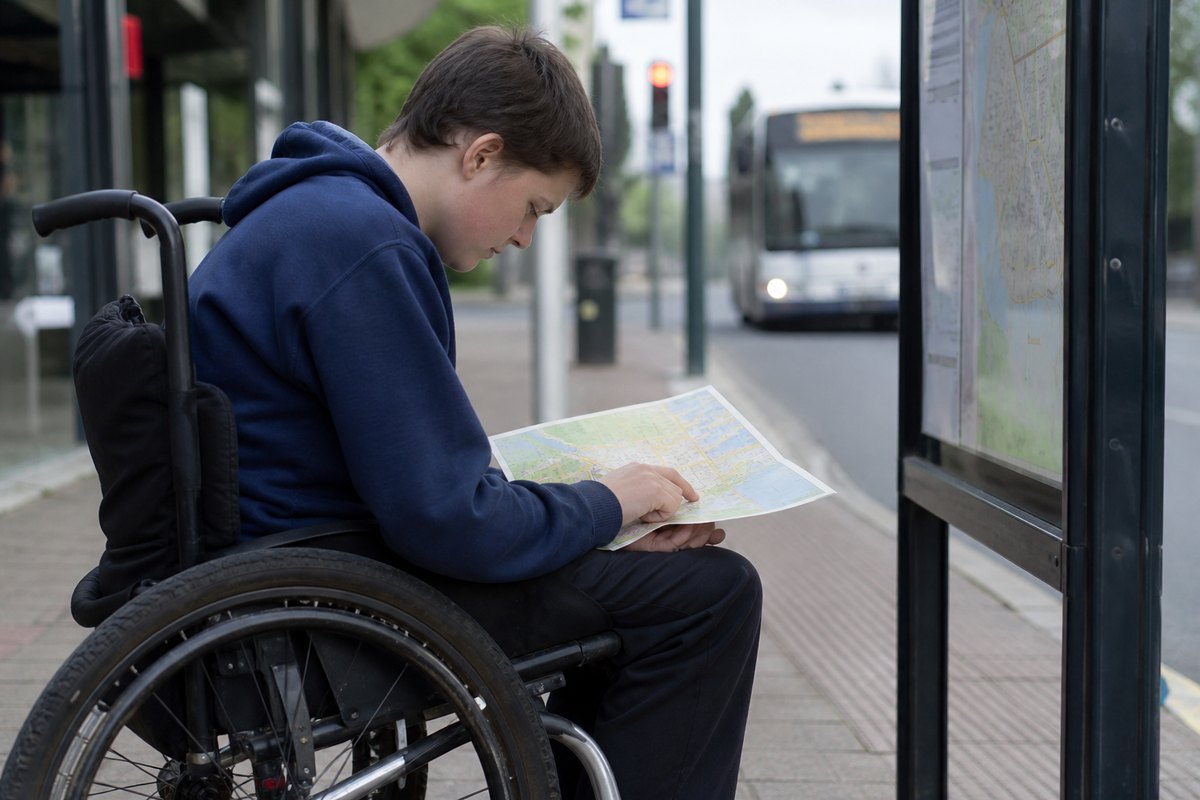
Trust Begins When Reporting a Failure Is Not Frightening — a school capable of learning from its own decisions: The school that learns to change
A school learns when it can discover failures before they become routine. Doing so requires psychological safety, clear reporting routes, fair responses, and disciplined inquiry that turns every signal into shared improvement.
Read article
Inequality Often Hides Inside the Average — a school capable of learning from its own decisions: The school that learns to change
A favourable average can coexist with persistent barriers for particular groups. This article proposes disaggregating evidence, listening to experience, examining three cases, and assigning responsibility so that a school learns without turning anyone into an invisible number.
Read article
Time Turns a Temporary Solution into Something Else — a school capable of learning from its own decisions: The school that learns to change
Every temporary measure contains a promise of review. When that promise disappears, an exception becomes a system without debate or learning. This article proposes expiry dates, records, cases, and responsibilities so that a school can decide what to retain, correct, or withdraw.
Read article
Power appears where someone can say enough — a school capable of learning from its own decisions: The school that learns to change
A school truly learns when it distributes authority to stop, review, and repair decisions. This article offers criteria, cases, and a protocol for evidence-informed change without turning innovation into obedience.
Read article
The exception does not break the rule: it explains it — a school capable of learning from its own decisions: The school that learns to change
An exception is not a nuisance to hide in order to save a rule. It is information about the rule’s limits, assumptions, and effects. This guide shows how to hear singular cases, protect rights, and turn them into institutional learning without abandoning consistency.
Read article
When measuring better requires stopping looking at a single figure — a school capable of learning from its own decisions: The school that learns to change
A school measures better when no single figure can declare success by itself. Outcomes, processes, equity, and experience must speak to one another so evaluation explains what changes, for whom, and at what cost, and so each decision can be corrected before harm becomes established.
Read article
The minute a decision stops being abstract — a school capable of learning from its own decisions: The school that learns to change
A school decision stops being abstract when it enters a classroom, changes an opportunity, and meets a response the institution is willing to hear. Learning from that moment requires observing effects, assigning responsibility, correcting course in time, and preserving a memory that improves the next decision.
Read article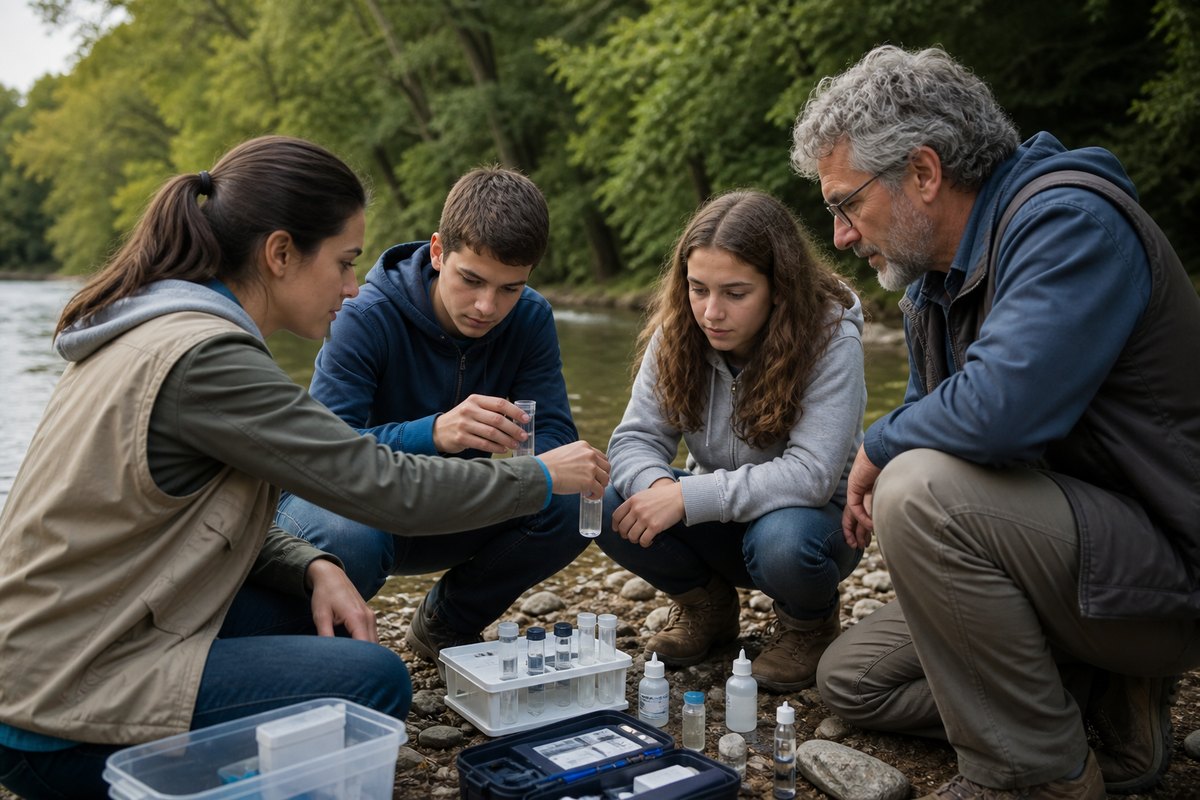
The invisible question that changes everything — a school capable of learning from its own decisions: The school that learns to change
A school truly learns when it does more than execute plans: it revisits its decisions, examines their effects, listens to those who experience them, and changes course without looking for culprits. That capacity turns every improvement into shared institutional knowledge.
Read article