
Showing 1–10 of 10 articles

The future becomes human when it keeps a way out — a generation that talks with machines: Artificial intelligence and adolescence
Technology designed for adolescents remains legitimate only when they can refuse it, interrupt it, and obtain a human alternative without punishment or lost opportunities. Designing the exit means designing freedom, safety, and accountability.
Read article
Participation before decisions changes them; participation afterwards merely decorates them — a generation that talks with machines: Artificial intelligence and adolescence
Adolescent participation contributes knowledge that no late survey can replace: when it begins before an artificial intelligence tool is selected, it can change the problem, criteria, procurement, safeguards, and evaluation.
Read article
Trust begins when reporting a mistake is not frightening — a generation that talks with machines: Artificial intelligence and adolescence
When a teenager can say without fear that an artificial intelligence system was wrong, manipulated them, or received intimate data, genuine protection can begin: listening, checking, repairing, and learning without turning the mistake into blame.
Read article
Inequality often hides inside the average — a generation that talks with machines: Artificial intelligence and adolescence
The average results of an artificial intelligence tool may look positive while hiding who receives worse answers, who gives up more data, and who lacks a human alternative.
Read article
Time turns a temporary solution into something else — a generation that talks with machines: Artificial intelligence and adolescence
An artificial intelligence tool can begin as temporary support and end up organising habits, assessment, and relationships; protecting adolescents requires reviewing that change before routine replaces decision.
Read article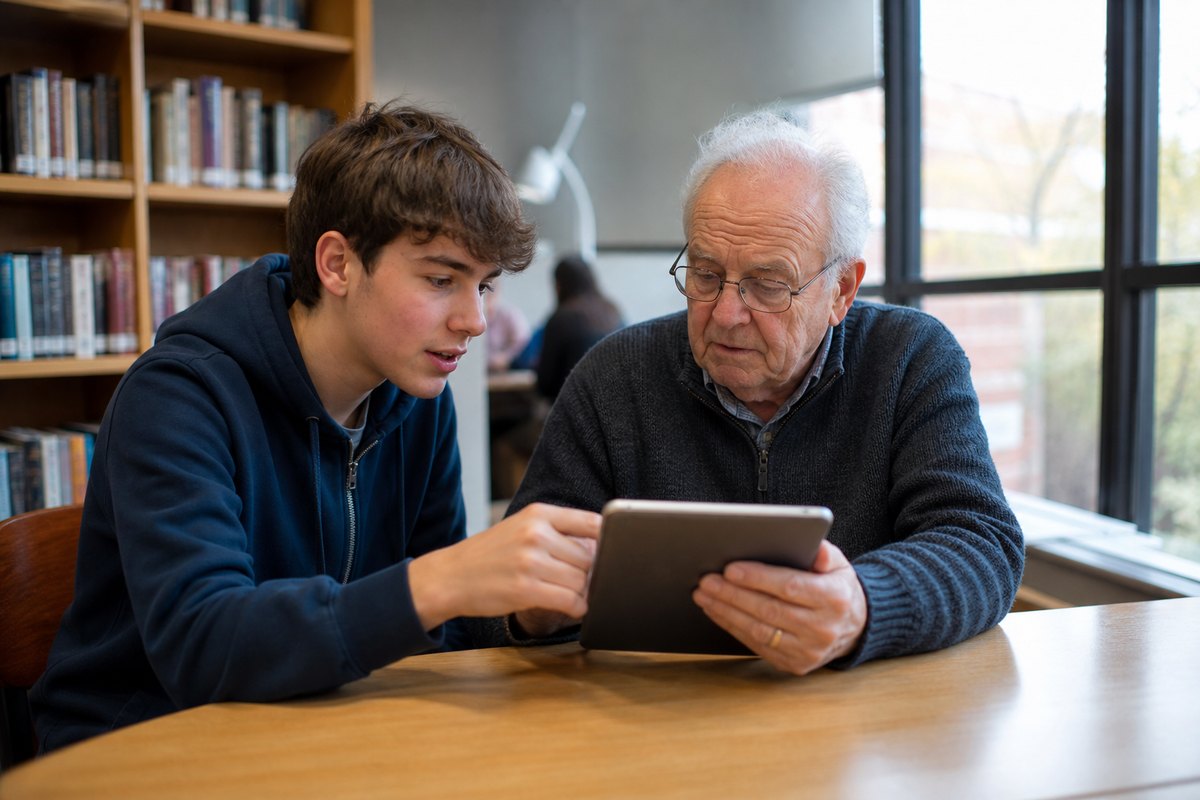
Power appears where someone can say stop — a generation that talks with machines: Artificial intelligence and adolescence
Adolescent autonomy around artificial intelligence is measured not only by the ability to enter a conversation, but by the real right to stop it, question it, and find a human way out.
Read article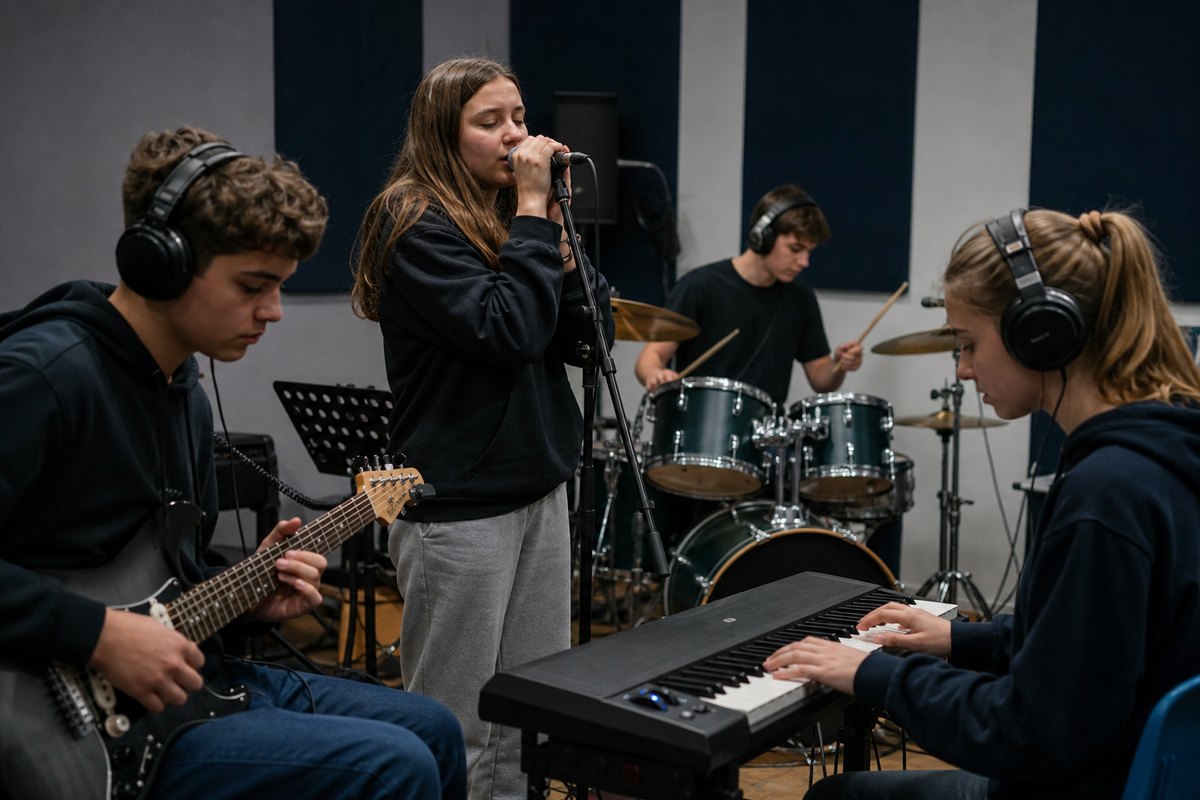
The exception does not break the rule: it explains it — a generation that talks with machines: Artificial intelligence and adolescence
When an adolescent treats artificial intelligence as a tutor, confidant, or opponent, the exception reveals something important: governing the tool is not enough; the relationship itself must be educated.
Read article
When measuring better requires looking beyond a single number — a generation that talks with machines: Artificial intelligence and adolescence
A single number may look objective while concealing learning, inequality, well-being, and artificial-intelligence errors. Better measurement requires combining evidence, listening to adolescents, and always preserving the possibility of reviewing a decision.
Read article
The minute a decision stops being abstract — a generation that talks with machines: Artificial intelligence and adolescence
Artificial intelligence stops being an abstract idea when a recommendation changes an assignment, a friendship, or a request for help; that minute demands judgement, protection, and responsibility that cannot rest on adolescents alone.
Read article
The invisible question that changes everything — a generation that talks with machines: Artificial intelligence and adolescence
When an adolescent talks with artificial intelligence, the decisive question is not only what the machine answers, but what function the exchange serves and which relationship, learning process, or source of help it may be displacing.
Read article