
Showing 1–12 of 12 articles
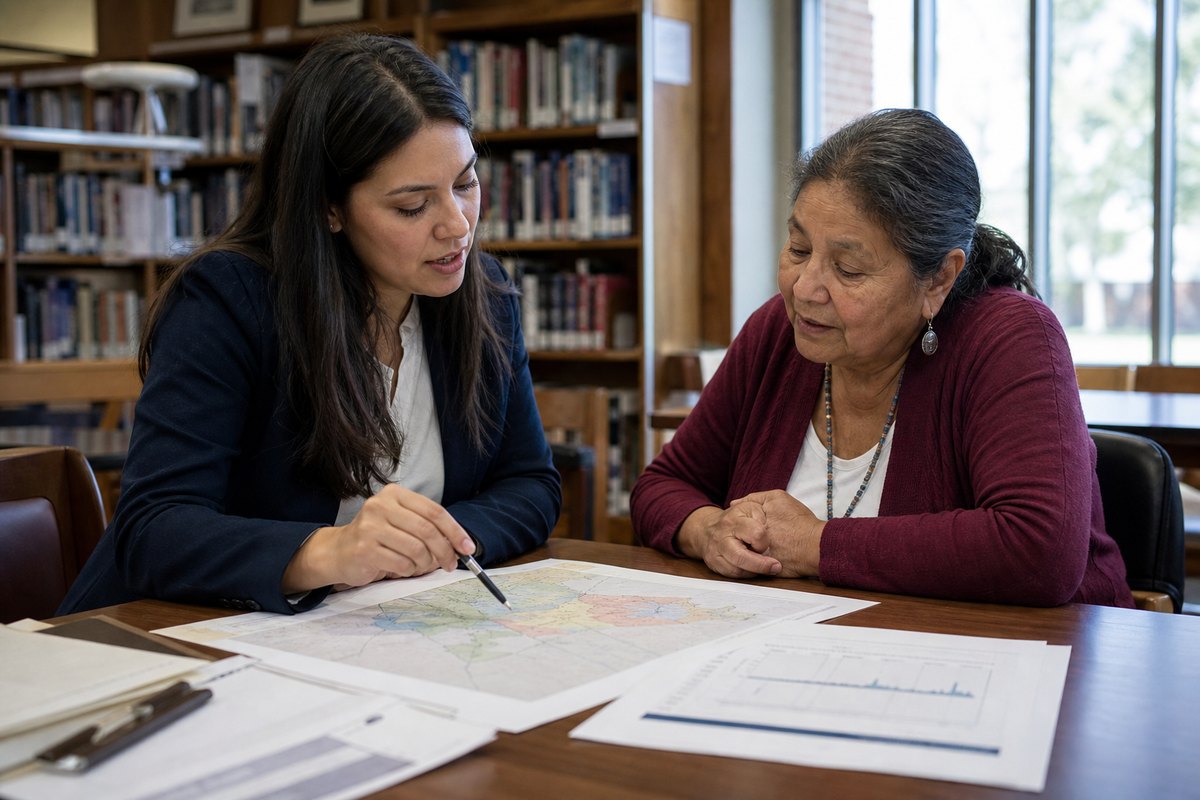
Participating changes the question and improves the answer — when the journey does not serve everyone: Accessibility and inclusion
Participating changes the question and improves the answer. In accessibility and inclusion, the consultation came late and turned valuable experiences into a formality.
Read article
Care also means not watching everything — when the journey does not work for everyone: Accessibility and inclusion
Accessible care protects privacy and autonomy: it uses only necessary information, with consent, real alternatives, and proportionate review.
Read article
Supervision requires the power to stop and correct — when the journey does not work for everyone: Accessibility and inclusion
Accessibility oversight is real only if someone can stop a change, offer an alternative, and repair harm. Governance, testing, and complaints make that authority an accountable practice.
Read article
After the launch, the important work begins — when the journey does not work for everyone: Accessibility and inclusion
Publishing an accessible experience is not the end: monitoring, user testing, maintenance, and accountability determine whether it remains accessible.
Read article
Safety begins when reporting an error is possible — when the journey does not serve everyone: Accessibility and inclusion
Safety begins when a barrier can be reported without blame. A response with repair and participation turns an error into an accessible improvement.
Read article
What works for most people can exclude someone — when the journey does not serve everyone: Accessibility and inclusion
What works for most people can exclude someone. Accessibility and inclusion review the full journey so that an exception does not become exclusion.
Read article
A rumor travels fast when you try to take care of — when the tour doesn't serve everyone: Accessibility and inclusion
A rumor travels quickly when it tries to care. In accessibility and inclusion, urgency and good intention replaced verification and then made correction difficult.
Read article
The conflict is not solved by adding another screen — when the tour does not serve everyone: Accessibility and inclusion
An accessibility conflict is resolved by removing barriers, maintaining equivalent alternatives, reviewing processes, and giving participation real power.
Read article
The exception reveals the quality of a system — when the journey does not work for everyone: Accessibility and inclusion
Exceptions show where a journey excludes; listening to them makes it possible to adjust, offer equivalent alternatives, and design with affected people.
Read article
A useful number can also lead us to the wrong place: when the journey does not work for everyone — Accessibility and inclusion
Accessibility metrics guide when interpreted with people, contexts, testing, and real barriers; alone, they can conceal exclusion.
Read article
Accepting does not always mean having been able to choose: when the journey does not work for everyone — Accessibility and inclusion
Accepting a digital journey does not prove there was a real choice: barriers, equivalent alternatives, autonomy, and co-design determine whether participation is possible.
Read article
The first question must arrive before the tool: when the journey does not work for everyone — Accessibility and inclusion
Before selecting a digital tool or journey, it is essential to understand access barriers, functional diversity, context, and the alternatives people need to participate.
Read article