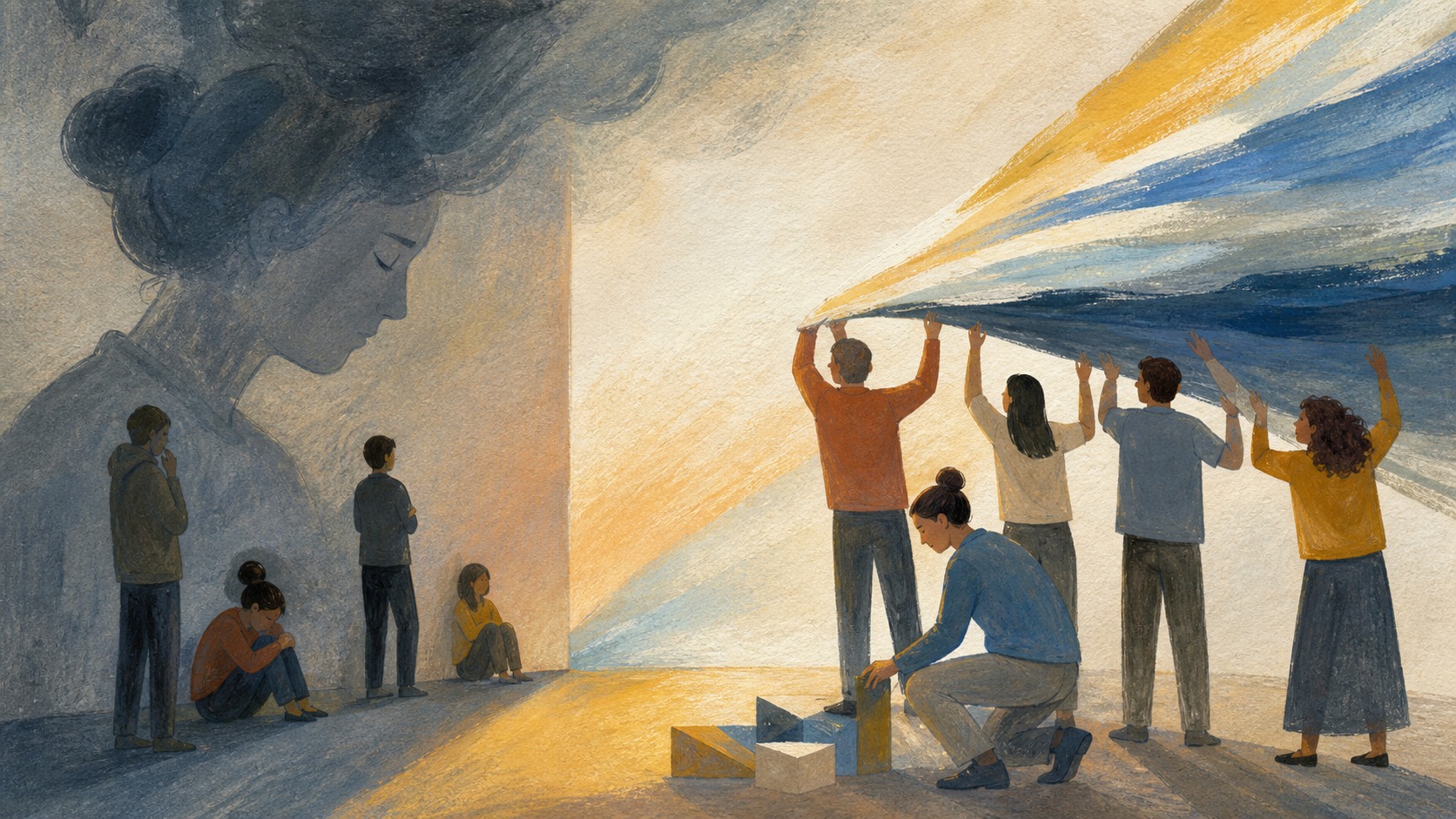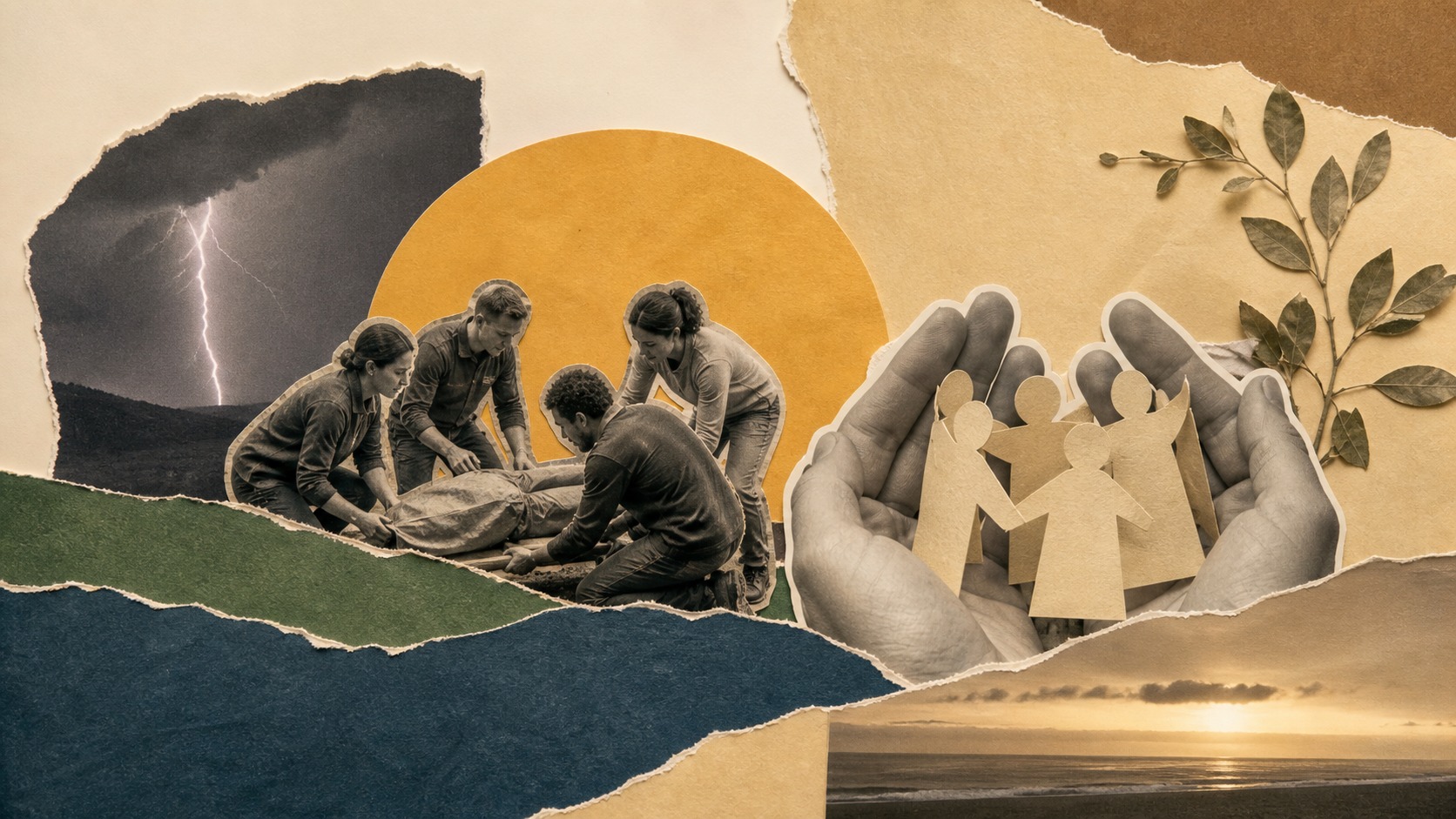
Reviewing a privacy incident involving a child should help people learn, repair and choose the next step without turning a mistake into blame.
Review to understand, not to punish#
A useful review of review to understand, not to punish begins by slowing down and describing what happened, who could see it and what information actually travelled. A young person does not need an interrogation or a public lesson; they need to know they can explain events without losing support. A family, school or community group can agree on a short conversation, a private channel and a named adult contact. Ask what purpose the data served, whether permission existed, how far it reached and which action now reduces harm. Then choose a concrete repair: remove a post, ask people not to forward it, change a setting, report through the appropriate channel or seek advice. The Spanish Data Protection Agency, INCIBE, UNICEF, UNESCO and the World Health Organization provide guidance on rights, safety and wellbeing. End the review with a follow-up date so everyone can check whether the action worked and what can be learned without turning one mistake into a label for the child.
A useful review of review to understand, not to punish begins by slowing down and describing what happened, who could see it and what information actually travelled.
Make the conversation safe#
A useful review of make the conversation safe begins by slowing down and describing what happened, who could see it and what information actually travelled. A young person does not need an interrogation or a public lesson; they need to know they can explain events without losing support. A family, school or community group can agree on a short conversation, a private channel and a named adult contact. Ask what purpose the data served, whether permission existed, how far it reached and which action now reduces harm. Then choose a concrete repair: remove a post, ask people not to forward it, change a setting, report through the appropriate channel or seek advice. The Spanish Data Protection Agency, INCIBE, UNICEF, UNESCO and the World Health Organization provide guidance on rights, safety and wellbeing. End the review with a follow-up date so everyone can check whether the action worked and what can be learned without turning one mistake into a label for the child.
Case 1: a photograph sent to a group#
A useful review of case 1: a photograph sent to a group begins by slowing down and describing what happened, who could see it and what information actually travelled. A young person does not need an interrogation or a public lesson; they need to know they can explain events without losing support. A family, school or community group can agree on a short conversation, a private channel and a named adult contact. Ask what purpose the data served, whether permission existed, how far it reached and which action now reduces harm. Then choose a concrete repair: remove a post, ask people not to forward it, change a setting, report through the appropriate channel or seek advice. The Spanish Data Protection Agency, INCIBE, UNICEF, UNESCO and the World Health Organization provide guidance on rights, safety and wellbeing. End the review with a follow-up date so everyone can check whether the action worked and what can be learned without turning one mistake into a label for the child.
Questions that separate facts from assumptions#
A useful review of questions that separate facts from assumptions begins by slowing down and describing what happened, who could see it and what information actually travelled. A young person does not need an interrogation or a public lesson; they need to know they can explain events without losing support. A family, school or community group can agree on a short conversation, a private channel and a named adult contact. Ask what purpose the data served, whether permission existed, how far it reached and which action now reduces harm. Then choose a concrete repair: remove a post, ask people not to forward it, change a setting, report through the appropriate channel or seek advice. The Spanish Data Protection Agency, INCIBE, UNICEF, UNESCO and the World Health Organization provide guidance on rights, safety and wellbeing. End the review with a follow-up date so everyone can check whether the action worked and what can be learned without turning one mistake into a label for the child.
Case 2: an account created without understanding settings#
A useful review of case 2: an account created without understanding settings begins by slowing down and describing what happened, who could see it and what information actually travelled. A young person does not need an interrogation or a public lesson; they need to know they can explain events without losing support. A family, school or community group can agree on a short conversation, a private channel and a named adult contact. Ask what purpose the data served, whether permission existed, how far it reached and which action now reduces harm. Then choose a concrete repair: remove a post, ask people not to forward it, change a setting, report through the appropriate channel or seek advice. The Spanish Data Protection Agency, INCIBE, UNICEF, UNESCO and the World Health Organization provide guidance on rights, safety and wellbeing. End the review with a follow-up date so everyone can check whether the action worked and what can be learned without turning one mistake into a label for the child.
Repair with proportionate action#
A useful review of repair with proportionate action begins by slowing down and describing what happened, who could see it and what information actually travelled. A young person does not need an interrogation or a public lesson; they need to know they can explain events without losing support. A family, school or community group can agree on a short conversation, a private channel and a named adult contact. Ask what purpose the data served, whether permission existed, how far it reached and which action now reduces harm. Then choose a concrete repair: remove a post, ask people not to forward it, change a setting, report through the appropriate channel or seek advice. The Spanish Data Protection Agency, INCIBE, UNICEF, UNESCO and the World Health Organization provide guidance on rights, safety and wellbeing. End the review with a follow-up date so everyone can check whether the action worked and what can be learned without turning one mistake into a label for the child.
Case 3: a screenshot shared impulsively#
A useful review of case 3: a screenshot shared impulsively begins by slowing down and describing what happened, who could see it and what information actually travelled. A young person does not need an interrogation or a public lesson; they need to know they can explain events without losing support. A family, school or community group can agree on a short conversation, a private channel and a named adult contact. Ask what purpose the data served, whether permission existed, how far it reached and which action now reduces harm. Then choose a concrete repair: remove a post, ask people not to forward it, change a setting, report through the appropriate channel or seek advice. The Spanish Data Protection Agency, INCIBE, UNICEF, UNESCO and the World Health Organization provide guidance on rights, safety and wellbeing. End the review with a follow-up date so everyone can check whether the action worked and what can be learned without turning one mistake into a label for the child.
Give the child a voice without assigning blame#
A useful review of give the child a voice without assigning blame begins by slowing down and describing what happened, who could see it and what information actually travelled. A young person does not need an interrogation or a public lesson; they need to know they can explain events without losing support. A family, school or community group can agree on a short conversation, a private channel and a named adult contact. Ask what purpose the data served, whether permission existed, how far it reached and which action now reduces harm. Then choose a concrete repair: remove a post, ask people not to forward it, change a setting, report through the appropriate channel or seek advice. The Spanish Data Protection Agency, INCIBE, UNICEF, UNESCO and the World Health Organization provide guidance on rights, safety and wellbeing. End the review with a follow-up date so everyone can check whether the action worked and what can be learned without turning one mistake into a label for the child.
Record the minimum and remove the rest#
A useful review of record the minimum and remove the rest begins by slowing down and describing what happened, who could see it and what information actually travelled. A young person does not need an interrogation or a public lesson; they need to know they can explain events without losing support. A family, school or community group can agree on a short conversation, a private channel and a named adult contact. Ask what purpose the data served, whether permission existed, how far it reached and which action now reduces harm. Then choose a concrete repair: remove a post, ask people not to forward it, change a setting, report through the appropriate channel or seek advice. The Spanish Data Protection Agency, INCIBE, UNICEF, UNESCO and the World Health Organization provide guidance on rights, safety and wellbeing. End the review with a follow-up date so everyone can check whether the action worked and what can be learned without turning one mistake into a label for the child.
Consult authoritative sources#
A useful review of consult authoritative sources begins by slowing down and describing what happened, who could see it and what information actually travelled. A young person does not need an interrogation or a public lesson; they need to know they can explain events without losing support. A family, school or community group can agree on a short conversation, a private channel and a named adult contact. Ask what purpose the data served, whether permission existed, how far it reached and which action now reduces harm. Then choose a concrete repair: remove a post, ask people not to forward it, change a setting, report through the appropriate channel or seek advice. The Spanish Data Protection Agency, INCIBE, UNICEF, UNESCO and the World Health Organization provide guidance on rights, safety and wellbeing. End the review with a follow-up date so everyone can check whether the action worked and what can be learned without turning one mistake into a label for the child.
Make review a routine#
A useful review of make review a routine begins by slowing down and describing what happened, who could see it and what information actually travelled. A young person does not need an interrogation or a public lesson; they need to know they can explain events without losing support. A family, school or community group can agree on a short conversation, a private channel and a named adult contact. Ask what purpose the data served, whether permission existed, how far it reached and which action now reduces harm. Then choose a concrete repair: remove a post, ask people not to forward it, change a setting, report through the appropriate channel or seek advice. The Spanish Data Protection Agency, INCIBE, UNICEF, UNESCO and the World Health Organization provide guidance on rights, safety and wellbeing. End the review with a follow-up date so everyone can check whether the action worked and what can be learned without turning one mistake into a label for the child.
Privacy that makes learning possible#
A useful review of privacy that makes learning possible begins by slowing down and describing what happened, who could see it and what information actually travelled. A young person does not need an interrogation or a public lesson; they need to know they can explain events without losing support. A family, school or community group can agree on a short conversation, a private channel and a named adult contact. Ask what purpose the data served, whether permission existed, how far it reached and which action now reduces harm. Then choose a concrete repair: remove a post, ask people not to forward it, change a setting, report through the appropriate channel or seek advice. The Spanish Data Protection Agency, INCIBE, UNICEF, UNESCO and the World Health Organization provide guidance on rights, safety and wellbeing. End the review with a follow-up date so everyone can check whether the action worked and what can be learned without turning one mistake into a label for the child.