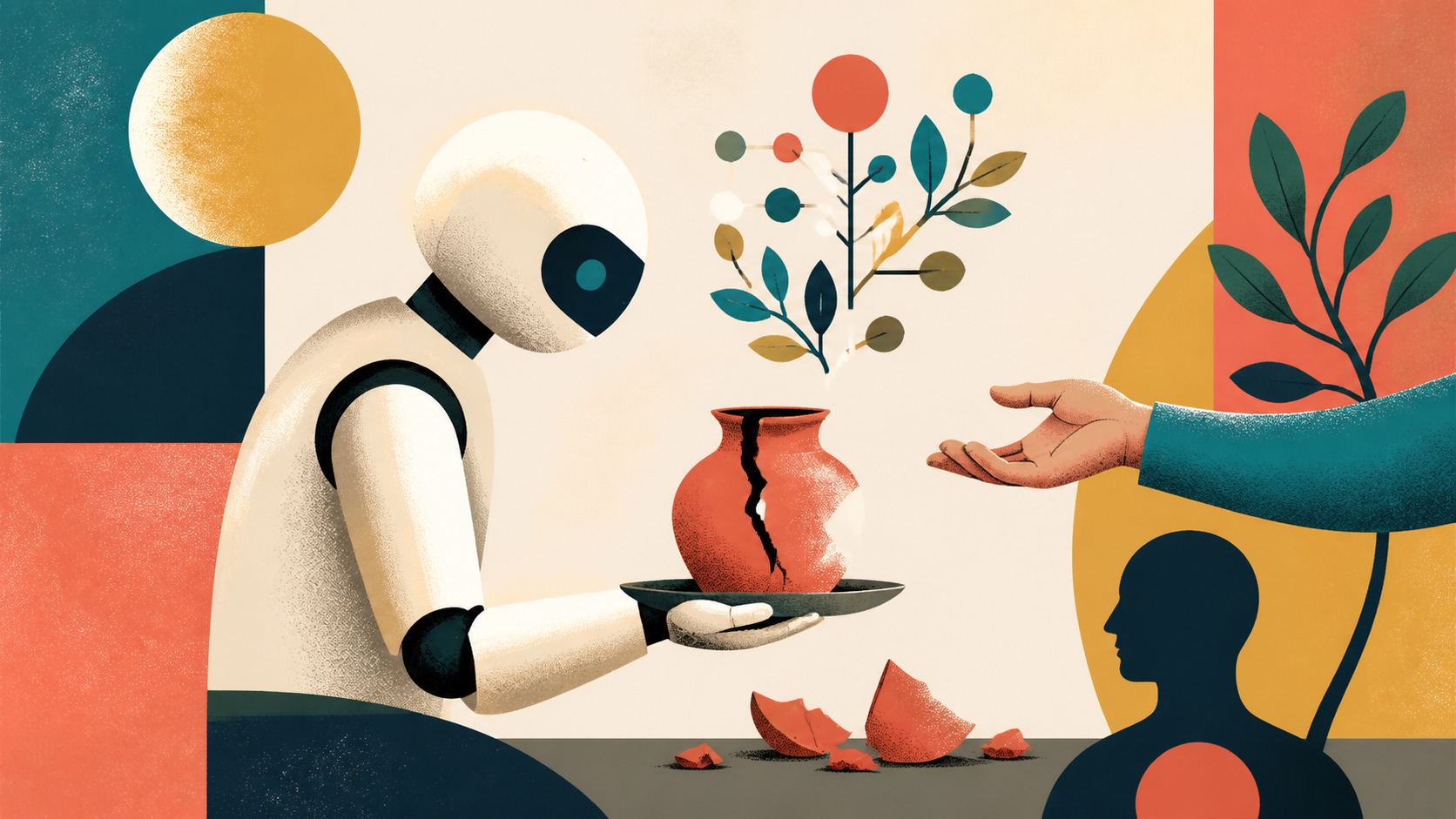
Reviewing a school adaptation is for learning, not for assigning blame. When a support does not produce the expected result, the useful question is not who failed but which barrier remains, what information is missing, and which small adjustment can be tried safely next.
A review that protects relationships#
A team can review progress in twenty minutes when it arrives with simple facts. For one week, record the activity, moment, demand, available support, and student response. This makes the discussion specific and avoids broad labels. Families contribute what they see outside school; staff describe the context; and the student says what helps when possible. The purpose is to understand a barrier, not to judge a person.
A team can review progress in twenty minutes when it arrives with simple facts. For one week, record the activity, moment, demand, available support, and student response.
Start by restating the goal: participation, understanding, rest, or independence. Then compare two agreed indicators, such as time needed to begin a task or the ability to complete an activity in an accessible format. A single data point should not dictate a decision. Looking for patterns across several opportunities makes adjustments fairer and more sustainable.
Questions that change a dead end#
Asking “what worked, even a little?” changes the conversation. Other useful questions are “under what conditions did it happen?”, “which part was difficult?”, and “what can we simplify without lowering expectations?” These questions separate the goal from the strategy. If a strategy does not work, change it; the expectation that the student can participate still matters.
End each review with a testable hypothesis. If the instruction is written in numbered steps, Marta will begin science work with fewer reminders. The hypothesis names an action, a context, and an observable sign. Set a realistic review date and a person responsible for collecting the information. The agreement then becomes a practice that can improve rather than a vague promise.
Three cases for respectful review#
Marta froze when copying long instructions. Her team tried a three-step card, a worked example, and a way to tick off each finished step. After two weeks, she started more quickly and asked for fewer repetitions. The issue was not content difficulty but the combined load of remembering, copying, and organizing. She could choose either a printed card or a digital version with text-to-speech.
Ilyas returned from recess distressed. Observation showed that noise, a narrow line, and time pressure increased tension. The plan allowed him to leave two minutes early, drink water in a quiet place, and use a visual cue before the transition. A rainy-day alternative was prepared. UNICEF notes that listening to children and adolescents is central to inclusive education; Ilyas explained that knowing where the group would be reduced uncertainty.
Noa could explain studied material in conversation, but written tests did not show that knowledge. Reading questions aloud, extending time, and allowing oral responses for part of the test made learning visible. The European Agency for Special Needs and Inclusive Education recommends assessment that supports every learner. A short record protected continuity when a teacher changed.
Repair and continue#
Sometimes a plan is forgotten or arrives late. Repair begins by naming it: “the card was unavailable on Tuesday; we will ensure it is ready tomorrow.” The responsible person prepares the material, the team creates an accessible copy, and the student knows whom to ask. The World Health Organization highlights supportive environments for well-being, so teams should observe fatigue, belonging, and safety as well as academic outcomes.
A practical cycle has four movements: observe, discuss, adjust, and observe again. A shared sheet with date, goal, action, owner, evidence, and next review is enough. The UN Convention on the Rights of Persons with Disabilities calls for reasonable accommodation and equal participation. If an option works, keep it; if not, modify it without turning the attempt into failure.
Sources that guide decisions#
UNESCO calls for removing barriers to participation, while Universal Design for Learning offers multiple ways to access information and show learning. UNICEF centers student voice. WHO connects timely support with well-being. The European Agency provides guidance on inclusive assessment. These sources do not replace day-to-day knowledge, but they help teams ask better questions and make accountable decisions.
A review can end with one clear sentence: “for ten days we will try this option, watch these signs, and speak again on Friday.” Useful adaptations are built through attention, respect, and a willingness to learn from the process. Better questions allow progress without blame and maintain high expectations for every student.