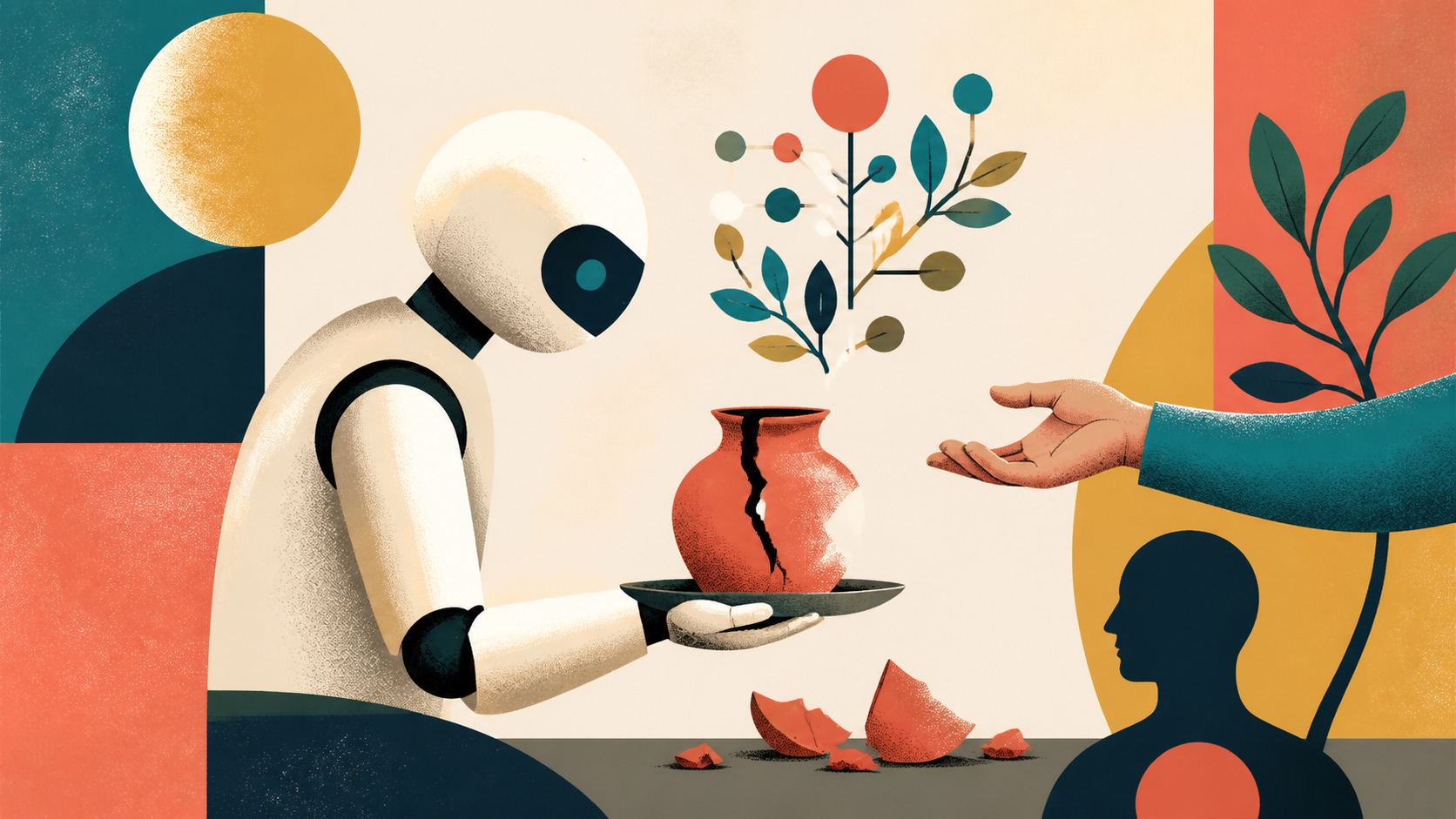
Coordinating a school adjustment does not mean holding endless meetings. It means agreeing on what a student needs, who will take each action, when it will be reviewed, and how everyone will know it works. This article offers a practical system for families, schools, and communities to give consistent support without making the student carry messages between adults.
Start with an observable need#
A helpful adjustment starts with facts: a specific barrier, its impact, and the support that reduces that impact. Conversation improves when general labels are replaced with observable situations. Rather than saying a learner does not try, the team can describe what happens, when it happens, what signals appear, and which supports have already been tried. Recording one situation for two weeks helps distinguish an occasional difficulty from a pattern. Note the time, activity, demand, response, and available support so decisions rest on evidence. It also means families do not have to repeat their story at every meeting. The record is not for watching a student; it is for understanding and removing a barrier.
A helpful adjustment starts with facts: a specific barrier, its impact, and the support that reduces that impact.
Build a short shared agreement#
A helpful adjustment starts with facts: a specific barrier, its impact, and the support that reduces that impact. Conversation improves when general labels are replaced with observable situations. Rather than saying a learner does not try, the team can describe what happens, when it happens, what signals appear, and which supports have already been tried. An agreement can fit on one page: need, goal, actions, responsible person, frequency, materials, and review date. Every sentence should be observable. "Provide support" does not say what to do; "give the instruction in writing and check understanding before the task starts" can be checked. An accessible shared copy keeps information consistent across settings.
Share responsibility without overload#
A helpful adjustment starts with facts: a specific barrier, its impact, and the support that reduces that impact. Conversation improves when general labels are replaced with observable situations. Rather than saying a learner does not try, the team can describe what happens, when it happens, what signals appear, and which supports have already been tried. Responsibilities must be realistic. A teacher can warn about routine changes; family can share a relevant signal; a support professional can suggest adjustments and review data; the student can choose how to request a break. Community partners can contribute transport, after-school support, or inclusive activities. No one person should carry the whole system alone.
Three cases that turn ideas into action#
A helpful adjustment starts with facts: a specific barrier, its impact, and the support that reduces that impact. Conversation improves when general labels are replaced with observable situations. Rather than saying a learner does not try, the team can describe what happens, when it happens, what signals appear, and which supports have already been tried. Case 1: Marta freezes when copying long instructions. The team agrees on a three-step card, a photograph of the board, and two minutes to check understanding at the start. Case 2: Ilyas avoids the playground because of noise. They agree on approved headphones, a trusted adult, and a quiet area. Case 3: Noa arrives after therapy. A discreet entry and a summary of the first task keep her connected.
Review, adjust, and protect dignity#
A helpful adjustment starts with facts: a specific barrier, its impact, and the support that reduces that impact. Conversation improves when general labels are replaced with observable situations. Rather than saying a learner does not try, the team can describe what happens, when it happens, what signals appear, and which supports have already been tried. For every case, decide which data will show progress: tasks started, breaks requested before distress, playground participation, or attendance without anxiety. Review is not an examination of the person; it is an evaluation of the environments usefulness. If a measure does not work, change it without blame and explain why.
Sources that support constructive dialogue#
A helpful adjustment starts with facts: a specific barrier, its impact, and the support that reduces that impact. Conversation improves when general labels are replaced with observable situations. Rather than saying a learner does not try, the team can describe what happens, when it happens, what signals appear, and which supports have already been tried. Student voice comes first. Questions such as "What helps you?", "What would you rather adults did not do?", and "How will we know today went better?" return control. Privacy matters: share only necessary information and avoid presenting an adjustment as proof of incapacity. Respectful language is also an intervention.
Start with an observable need#
The goal is not a vague promise to help. It is a predictable response that enables participation, learning, and safety. Small, visible, reviewable agreements usually protect a student better than a long document nobody opens again. Recording one situation for two weeks helps distinguish an occasional difficulty from a pattern. Note the time, activity, demand, response, and available support so decisions rest on evidence. It also means families do not have to repeat their story at every meeting. The record is not for watching a student; it is for understanding and removing a barrier.
Build a short shared agreement#
The goal is not a vague promise to help. It is a predictable response that enables participation, learning, and safety. Small, visible, reviewable agreements usually protect a student better than a long document nobody opens again. An agreement can fit on one page: need, goal, actions, responsible person, frequency, materials, and review date. Every sentence should be observable. "Provide support" does not say what to do; "give the instruction in writing and check understanding before the task starts" can be checked. An accessible shared copy keeps information consistent across settings.
Share responsibility without overload#
The goal is not a vague promise to help. It is a predictable response that enables participation, learning, and safety. Small, visible, reviewable agreements usually protect a student better than a long document nobody opens again. Responsibilities must be realistic. A teacher can warn about routine changes; family can share a relevant signal; a support professional can suggest adjustments and review data; the student can choose how to request a break. Community partners can contribute transport, after-school support, or inclusive activities. No one person should carry the whole system alone.
Three cases that turn ideas into action#
The goal is not a vague promise to help. It is a predictable response that enables participation, learning, and safety. Small, visible, reviewable agreements usually protect a student better than a long document nobody opens again. Case 1: Marta freezes when copying long instructions. The team agrees on a three-step card, a photograph of the board, and two minutes to check understanding at the start. Case 2: Ilyas avoids the playground because of noise. They agree on approved headphones, a trusted adult, and a quiet area. Case 3: Noa arrives after therapy. A discreet entry and a summary of the first task keep her connected.
Review, adjust, and protect dignity#
The goal is not a vague promise to help. It is a predictable response that enables participation, learning, and safety. Small, visible, reviewable agreements usually protect a student better than a long document nobody opens again. For every case, decide which data will show progress: tasks started, breaks requested before distress, playground participation, or attendance without anxiety. Review is not an examination of the person; it is an evaluation of the environments usefulness. If a measure does not work, change it without blame and explain why.
Sources that support constructive dialogue#
The goal is not a vague promise to help. It is a predictable response that enables participation, learning, and safety. Small, visible, reviewable agreements usually protect a student better than a long document nobody opens again. Student voice comes first. Questions such as "What helps you?", "What would you rather adults did not do?", and "How will we know today went better?" return control. Privacy matters: share only necessary information and avoid presenting an adjustment as proof of incapacity. Respectful language is also an intervention.
Start with an observable need#
A helpful adjustment starts with facts: a specific barrier, its impact, and the support that reduces that impact. Conversation improves when general labels are replaced with observable situations. Rather than saying a learner does not try, the team can describe what happens, when it happens, what signals appear, and which supports have already been tried. Recording one situation for two weeks helps distinguish an occasional difficulty from a pattern. Note the time, activity, demand, response, and available support so decisions rest on evidence. It also means families do not have to repeat their story at every meeting. The record is not for watching a student; it is for understanding and removing a barrier.
Build a short shared agreement#
A helpful adjustment starts with facts: a specific barrier, its impact, and the support that reduces that impact. Conversation improves when general labels are replaced with observable situations. Rather than saying a learner does not try, the team can describe what happens, when it happens, what signals appear, and which supports have already been tried. An agreement can fit on one page: need, goal, actions, responsible person, frequency, materials, and review date. Every sentence should be observable. "Provide support" does not say what to do; "give the instruction in writing and check understanding before the task starts" can be checked. An accessible shared copy keeps information consistent across settings.
Share responsibility without overload#
A helpful adjustment starts with facts: a specific barrier, its impact, and the support that reduces that impact. Conversation improves when general labels are replaced with observable situations. Rather than saying a learner does not try, the team can describe what happens, when it happens, what signals appear, and which supports have already been tried. Responsibilities must be realistic. A teacher can warn about routine changes; family can share a relevant signal; a support professional can suggest adjustments and review data; the student can choose how to request a break. Community partners can contribute transport, after-school support, or inclusive activities. No one person should carry the whole system alone.
Three cases that turn ideas into action#
A helpful adjustment starts with facts: a specific barrier, its impact, and the support that reduces that impact. Conversation improves when general labels are replaced with observable situations. Rather than saying a learner does not try, the team can describe what happens, when it happens, what signals appear, and which supports have already been tried. Case 1: Marta freezes when copying long instructions. The team agrees on a three-step card, a photograph of the board, and two minutes to check understanding at the start. Case 2: Ilyas avoids the playground because of noise. They agree on approved headphones, a trusted adult, and a quiet area. Case 3: Noa arrives after therapy. A discreet entry and a summary of the first task keep her connected.
Review, adjust, and protect dignity#
A helpful adjustment starts with facts: a specific barrier, its impact, and the support that reduces that impact. Conversation improves when general labels are replaced with observable situations. Rather than saying a learner does not try, the team can describe what happens, when it happens, what signals appear, and which supports have already been tried. For every case, decide which data will show progress: tasks started, breaks requested before distress, playground participation, or attendance without anxiety. Review is not an examination of the person; it is an evaluation of the environments usefulness. If a measure does not work, change it without blame and explain why.
Sources that support constructive dialogue#
A helpful adjustment starts with facts: a specific barrier, its impact, and the support that reduces that impact. Conversation improves when general labels are replaced with observable situations. Rather than saying a learner does not try, the team can describe what happens, when it happens, what signals appear, and which supports have already been tried. Student voice comes first. Questions such as "What helps you?", "What would you rather adults did not do?", and "How will we know today went better?" return control. Privacy matters: share only necessary information and avoid presenting an adjustment as proof of incapacity. Respectful language is also an intervention.
Start with an observable need#
The goal is not a vague promise to help. It is a predictable response that enables participation, learning, and safety. Small, visible, reviewable agreements usually protect a student better than a long document nobody opens again. Recording one situation for two weeks helps distinguish an occasional difficulty from a pattern. Note the time, activity, demand, response, and available support so decisions rest on evidence. It also means families do not have to repeat their story at every meeting. The record is not for watching a student; it is for understanding and removing a barrier.
Build a short shared agreement#
The goal is not a vague promise to help. It is a predictable response that enables participation, learning, and safety. Small, visible, reviewable agreements usually protect a student better than a long document nobody opens again. An agreement can fit on one page: need, goal, actions, responsible person, frequency, materials, and review date. Every sentence should be observable. "Provide support" does not say what to do; "give the instruction in writing and check understanding before the task starts" can be checked. An accessible shared copy keeps information consistent across settings.
Share responsibility without overload#
The goal is not a vague promise to help. It is a predictable response that enables participation, learning, and safety. Small, visible, reviewable agreements usually protect a student better than a long document nobody opens again. Responsibilities must be realistic. A teacher can warn about routine changes; family can share a relevant signal; a support professional can suggest adjustments and review data; the student can choose how to request a break. Community partners can contribute transport, after-school support, or inclusive activities. No one person should carry the whole system alone.
Three cases that turn ideas into action#
The goal is not a vague promise to help. It is a predictable response that enables participation, learning, and safety. Small, visible, reviewable agreements usually protect a student better than a long document nobody opens again. Case 1: Marta freezes when copying long instructions. The team agrees on a three-step card, a photograph of the board, and two minutes to check understanding at the start. Case 2: Ilyas avoids the playground because of noise. They agree on approved headphones, a trusted adult, and a quiet area. Case 3: Noa arrives after therapy. A discreet entry and a summary of the first task keep her connected.
Review, adjust, and protect dignity#
The goal is not a vague promise to help. It is a predictable response that enables participation, learning, and safety. Small, visible, reviewable agreements usually protect a student better than a long document nobody opens again. For every case, decide which data will show progress: tasks started, breaks requested before distress, playground participation, or attendance without anxiety. Review is not an examination of the person; it is an evaluation of the environments usefulness. If a measure does not work, change it without blame and explain why.
Sources that support constructive dialogue#
The goal is not a vague promise to help. It is a predictable response that enables participation, learning, and safety. Small, visible, reviewable agreements usually protect a student better than a long document nobody opens again. Student voice comes first. Questions such as "What helps you?", "What would you rather adults did not do?", and "How will we know today went better?" return control. Privacy matters: share only necessary information and avoid presenting an adjustment as proof of incapacity. Respectful language is also an intervention.
Una práctica que se puede sostener#
Respectful coordination does not ask a student to adapt to an avoidable barrier. It asks adults to change the environment consistently. Begin with one concrete agreement, share it with the people who need it, and review it soon. The steady follow-through on these simple actions is the adjustment that builds the most trust.