The council published a short message at dawn: “There is no contamination risk in municipal water.” It arrived after two days of rumors, photographs of strangely colored taps, and families buying bottled water. For the communications office, the sentence was meant to calm concern. For people who still could not see a measurement, sample date, or explanation of what happened, it sounded like another order to trust. The response denied the reported problem but did not open the evidence that would allow residents to understand it.
An institution does not recover credibility by asking for faith in its conclusion. It recovers it when people can distinguish what is known, what is still being investigated, and what was communicated late. That means publishing understandable and raw data, explaining uncertainty without hiding in it, opening questions with traceable answers, and recognizing harm created by delay. Transparency is not handing over an incomprehensible folder. It is offering a route through which a resident can follow the reasoning and find someone responsible for correcting it.
Evidence must be readable and checkable#
A technical report can be correct and still inaccessible. A family needs to know what was measured, at which points, when samples were collected, what values were found, and what they mean for daily use. The explanation must avoid both reassuring language without basis and alarm created by numbers without context. It can include a simple table, a note on established limits, and comparison with earlier measurements, always with visible dates.
A technical report can be correct and still inaccessible. A family needs to know what was measured, at which points, when samples were collected, what values were found, and what they mean for daily use.
Raw data should also be available to people who want to review them. Publishing original samples, the analysis method, the laboratory, and collection conditions allows associations, journalists, and specialists to ask grounded questions. Not everyone will read a data file, but its existence stops the institution from being the only possible interpreter. Public evidence is stronger when it admits independent checking.
Accessibility is material as well. The council can offer downloadable data, a plain-language explanation, mobile-friendly versions, and an in-person place where someone helps interpret them. If information is published only on a hard-to-find page or in a scanned PDF, transparency is reserved for people with time, expertise, and stable connection. Public information works when it reaches those who would bear risk first.
Uncertainty does not remove the duty to explain#
Environmental measurements rarely answer everything immediately. Samples may be pending, areas may vary, or a cause may remain unknown. Acknowledging this is not institutional weakness. It is a condition for residents to understand which precautions are reasonable and when new information will arrive. Saying “we do not know yet” with a review date is more responsible than promising certainty in order to close an uncomfortable conversation.
An explanation should separate facts, interpretation, and decision. A fact may be that two samples sit within a particular limit. An interpretation may be that they do not indicate general risk at that time. A decision may be to maintain additional monitoring and recommend avoiding one point until an incident is confirmed. When these layers blend, a provisional recommendation looks like absolute truth and any later change is treated as contradiction.
It also helps to explain the limits of evidence. One measurement represents one place and hour, not every tap or every day. A result without anomaly does not prove that a photograph is false; it may show that it belongs to another moment or a private installation. Naming these limits prevents institutional overstatement and stops the community using a conclusion beyond what data permit.
Questions must leave a public trace#
Opening comments without answering them increases frustration. A useful question route shows what was asked, who responds, which source supports the answer, and when it will be updated. Personal information need not be published. Repeated doubts can be grouped, situations anonymized, and changes recorded. What matters is that a family can check that a question about its street did not vanish into a one-way inbox.
Difficult questions deserve an answer explaining why it takes time. If an association asks about one substance and the laboratory must repeat a test, the council can say so, name the expected date, and publish the result in the same thread. This traceability turns delay into a checkable process. Without it, silence looks like a decision not to respond.
Participation improves evidence quality. Neighbors can point to changes in smell, hours when water runs cloudy, or buildings with old installations. These observations do not replace measurement, but they can guide where to test and which hypotheses to revisit. Hearing them respectfully avoids the false choice between expert knowledge and everyday experience.
Acknowledging what arrived late also repairs#
The harm of opaque communication does not disappear once data are published. People bought water without knowing whether it was necessary, families avoided using taps, and small businesses received questions they could not answer. If an institution waited too long to inform, it should say so clearly: what information it had, when it had it, why it did not share it sooner, and what will change in the protocol.
This recognition is not decorative. It makes responsibility assessable and prevents the same delay from happening again. Perhaps a laboratory sent a result without an on-call channel, nobody had authority to publish a provisional note, or the team feared saying it was investigating. Each cause needs different repair: a public deadline, a named contact, an alert protocol, or training in communicating uncertainty.
Correction must travel through the places where the rumor did. If the brief message spread through networks, posters, and neighborhood groups, data and update must appear there too. Correcting an official page is not enough while an old screenshot circulates. Responsible communication asks where harm continues and carries explanation to those spaces without blaming people who shared information because they lacked better sources.
A conversation that can be sustained#
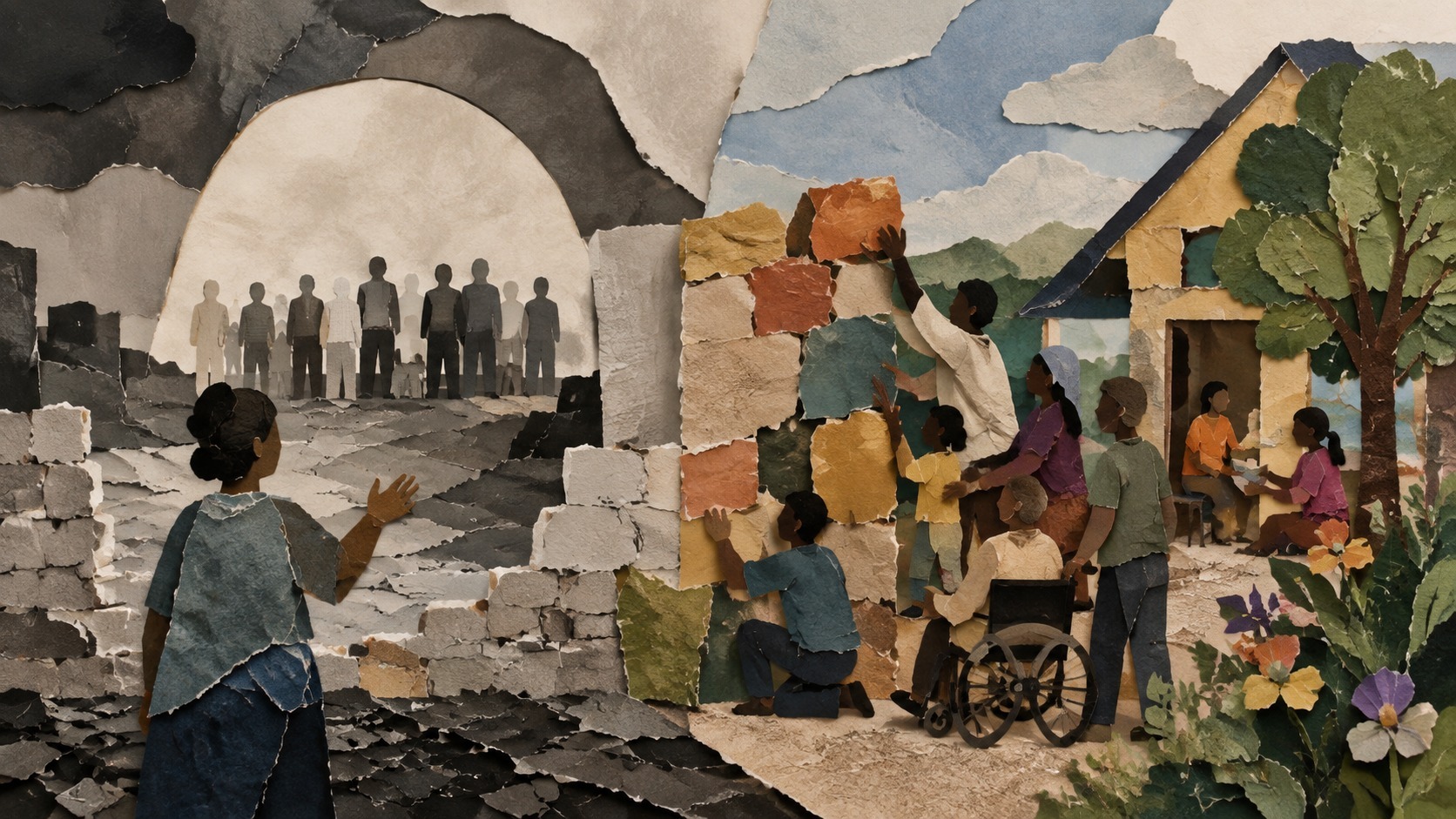
The council can build a living page rather than a closed statement. It should show the latest update, link data, display which questions remain open, and announce the next review. It can include a contact with power to answer rather than a general mailbox. This structure offers an alternative to rumor: not a perfect voice, but an institution that shows how it knows and how it corrects.
The next step is concrete. Publish measurements today with date, method, and area; add a clear account of what they mean; open a question log with an owner and deadline; and explain which information was delayed. In one week, review which doubts repeated and which part of the protocol must change. Trust does not return because an administration says it is right. It returns when a person can see evidence, ask about its limits, and check that delay will not be hidden again.
The page should preserve earlier versions, with a date and the reason for every change. A correction then does not erase prior uncertainty or force residents to remember what the institution claimed. That history lets the community learn from a corrected measurement and protects people who consulted information in good faith before new data appeared. It also makes later review practical for local groups and reporters.
Publish a plain contact schedule as well: when staff will answer, what questions require laboratory confirmation, and where residents can report a local observation without having to repeat it in public.