On Thursday, a local account posted that a municipal scholarship had been cancelled and families should stop submitting applications. The screenshot carried a familiar logo, a cutback figure, and a forceful headline. Before noon it was moving through school chats, associations, and neighbourhood groups. That afternoon the council clarified that the call remained open: someone had confused a budget draft with the final decision. The outlet corrected the original article. The screenshot did not disappear, though. It kept travelling without a link, a date, or the correction that disproved it.
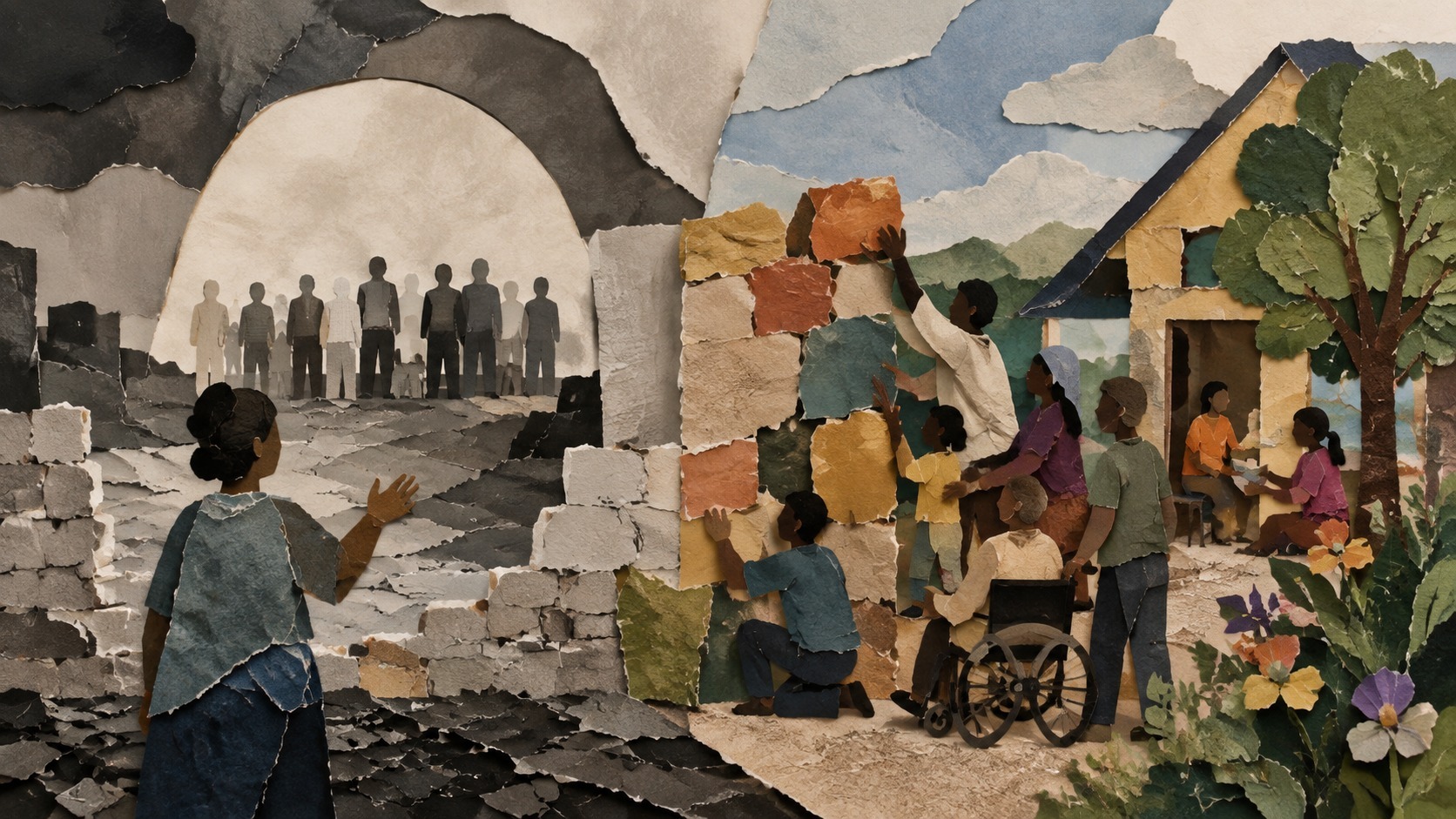
Fixing the source is necessary, but it does not by itself repair the copies that have left it. A screenshot, copied paragraph, or video summarising a headline gains its own life as soon as it enters other channels. Someone seeing that fragment has no reason to know a later page exists or where to find it. Useful correction is therefore not cleaning a sentence at the origin. It is following the error's route, warning clearly, and returning to affected people information they can find, understand, and share.
Error does not stay where it was published#
The first question after discovering a false claim should be simple: where is it circulating now? The answer is rarely just one URL. There may be screenshots in messaging groups, reposts on social networks, comments repeating the claim, and offline conversations started by an image. Each format preserves something different. A URL can be corrected; a screenshot retains the old headline. A post can be labelled; a forwarded message loses its source. Responsible repair begins by recognising that variety, not by declaring the case closed because the main page has changed.
The first question after discovering a false claim should be simple: where is it circulating now?
The harm from the scholarship claim is not equal for every recipient. One family may stop gathering documents, a school adviser may answer dozens of questions, and an association may share the news in good faith. Correction does not require blaming those people for trusting a plausible source. It requires identifying which decision the error could alter and giving a proportionate answer: the call is still open, this is the deadline, this is the official page, and this is what went wrong.
Reach should determine priority. A post with few views that was shared by several schools deserves direct contact. A highly visible comment may need a pinned public response. There is no need to monitor every private conversation or chase every person. There is a need to use available signals — forwards, mentions, received screenshots, user questions — to focus work where the claim is still changing behaviour.
A correction must be visible in its own right#
A rectification hidden at the end of an article assumes that the audience will read it again. Someone who already shared the headline may never return. The corrected page should show, from the original URL, that a change occurred: a visible dated note, a brief explanation of the error, and a link to the history. Quietly replacing a sentence is not enough. It may improve the current text, but it leaves someone arriving with a screenshot unable to learn that the document changed.
The same visibility must travel to the channels where the story spread. If the outlet posted the error on a network, the correction should appear there in a recognisable form and link to the current information. If an institution shared the claim in a newsletter, it should send a rectification to the same list. Repair is not advertising an organisation's good behaviour. It is a duty to people who received a message capable of changing their decisions.
Language matters. “Updated” can hide a minor change or a complete falsehood. It is better to say what was claimed, why it was wrong, and what is confirmed. A clear formula would be: “On 12 June we incorrectly reported that the scholarship was cancelled. Applications remain open until 30 June. We confused a budget draft with the final decision.” Precision prevents two harms: people believing there was never an error, or imagining a problem larger than the real one.
Contacting nodes is not chasing the audience#
Active correction means looking at who amplified the error in a meaningful way. That might be a parent association, neighbourhood account, union, school, or person whose screenshot reached many people. Contacting those nodes respectfully lets the rectification travel part of the route backward. The message should make the task easy: include the short correction, a verifiable link, and a specific request to update or add context. Defensive essays that make others reconstruct the incident are unlikely to help.
This work has limits. It does not authorise gathering private data or harassing someone who forwarded a mistake. Nor does it demand total removal, an often impossible goal. It means taking responsibility for one's own distribution segment and asking collaboration from people able to repair theirs. An organisation that identifies three groups where the false cancellation is still active and gives them a shareable correction does more for truth than one that publishes a flawless statement on a page few people visit.
In some cases, the rectification should also reach those who might have suffered a direct consequence. If a school cancelled an information session because of the rumour, it may need a specific call or email. If a family filed a complaint, it deserves a personal response. Repair is not measured only in impressions or reactions. It is measured by whether people who changed a plan regain a reasonable opportunity to act on correct information.
History gives digital memory context#
Keeping a history does not mean displaying an error as punishment. It lets a person understand how information evolved. The record can show publication time, correction time, change made, reason, and the source for the rectification. It should be readable, not a technical list of versions. When a claim is removed without trace, it creates room for suspicion and makes it harder for others to challenge old copies.
History improves internal work as well. It can reveal repeated conditions: headlines drafted before a document is confirmed, weak review processes, ambiguous file names, or pressure to publish first. The purpose is not turning every slip into individual blame. It is examining what made a draft look like a final decision. A correction that produces learning reduces the chance of needing the same correction again.
There should be an owner, a deadline, and a closure criterion. Someone must check the URL, prepare network messages, contact known nodes, and record actions. The case does not end when the note is published. It ends when planned measures have been taken and the reach of the rectification has been evaluated. It may never equal the original error, but measuring responses, clicks on the explanation, and answered enquiries helps show which channels worked and which were missed.
The scholarship remained open, but correct information did not return to every chat by itself. A visible URL note, a pinned social correction, messages to the associations that shared the screenshot, and an accessible history were needed. None of these steps erased digital memory at once. Together, they changed the direction of available information. Correction repairs a route; it is not an eraser passed over a page. When the next headline travels, people have more reason to trust an organisation that does not hide mistakes and works to bring truth to the places where error left its mark.