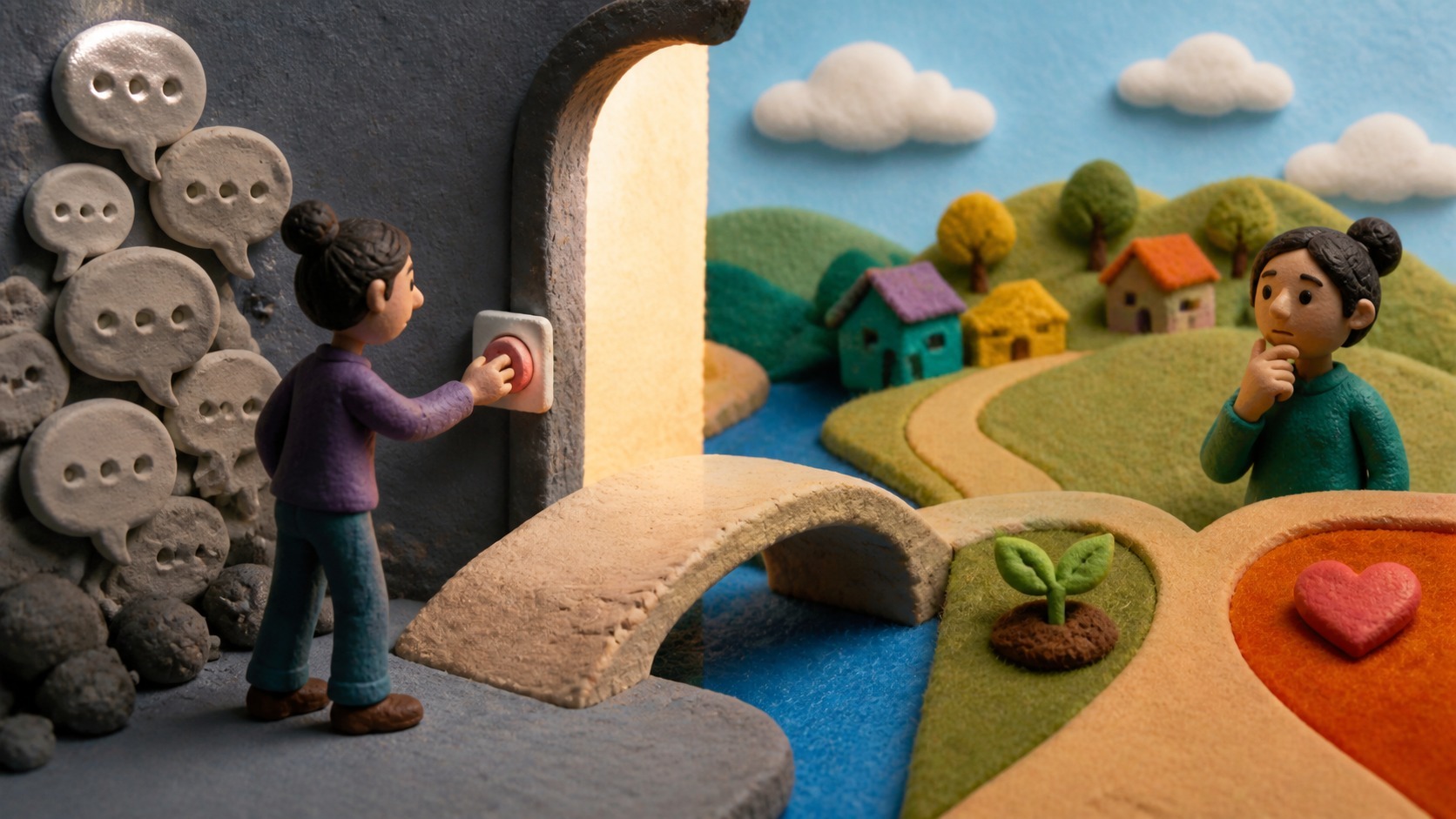
Coordinating a nearby-nature experience is not about filling a schedule: it is about agreeing on safe, accessible, sustainable conditions so that caring for a place also cares for people.
Start with a small, checkable agreement#
A good agreement names an action, a contact person, a reasonable deadline, and a way to check it. Here, the group can decide what it will do so nearby nature feels welcoming rather than demanding: open a courtyard one afternoon, reserve a short route, bring water, give advance notice, or secure an indoor alternative. Participation must remain voluntary, and people can change their minds without explaining why. Ask which barriers arise —heat, allergies, fear, noise, cost, distance, or lack of time— and adjust the plan before judging outcomes. The WHO provides guidance on healthy urban environments at https://www.who.int/europe; the European Environment Agency brings together environment-and-health data at https://www.eea.europa.eu/; the European Commission explains nature policy at https://environment.ec.europa.eu/topics/nature-and-biodiversity_en; and UNESCO offers education for sustainable development resources at https://www.unesco.org/en/education/sustainable-development. These sources provide context, but they do not replace health advice or the knowledge of people who use the place. The agreement on start with a small, checkable agreement will be reviewed through a concrete question: what will stay, what will change, and who needs to be heard before the next meeting.
A good agreement names an action, a contact person, a reasonable deadline, and a way to check it.
Share responsibilities without loading one person#
A good agreement names an action, a contact person, a reasonable deadline, and a way to check it. Here, the group can decide what it will do so nearby nature feels welcoming rather than demanding: open a courtyard one afternoon, reserve a short route, bring water, give advance notice, or secure an indoor alternative. Participation must remain voluntary, and people can change their minds without explaining why. Ask which barriers arise —heat, allergies, fear, noise, cost, distance, or lack of time— and adjust the plan before judging outcomes. The WHO provides guidance on healthy urban environments at https://www.who.int/europe; the European Environment Agency brings together environment-and-health data at https://www.eea.europa.eu/; the European Commission explains nature policy at https://environment.ec.europa.eu/topics/nature-and-biodiversity_en; and UNESCO offers education for sustainable development resources at https://www.unesco.org/en/education/sustainable-development. These sources provide context, but they do not replace health advice or the knowledge of people who use the place. The agreement on share responsibilities without loading one person will be reviewed through a concrete question: what will stay, what will change, and who needs to be heard before the next meeting.
Listen to health, mobility, and rest needs#
A good agreement names an action, a contact person, a reasonable deadline, and a way to check it. Here, the group can decide what it will do so nearby nature feels welcoming rather than demanding: open a courtyard one afternoon, reserve a short route, bring water, give advance notice, or secure an indoor alternative. Participation must remain voluntary, and people can change their minds without explaining why. Ask which barriers arise —heat, allergies, fear, noise, cost, distance, or lack of time— and adjust the plan before judging outcomes. The WHO provides guidance on healthy urban environments at https://www.who.int/europe; the European Environment Agency brings together environment-and-health data at https://www.eea.europa.eu/; the European Commission explains nature policy at https://environment.ec.europa.eu/topics/nature-and-biodiversity_en; and UNESCO offers education for sustainable development resources at https://www.unesco.org/en/education/sustainable-development. These sources provide context, but they do not replace health advice or the knowledge of people who use the place. The agreement on listen to health, mobility, and rest needs will be reviewed through a concrete question: what will stay, what will change, and who needs to be heard before the next meeting.
Choose places with real safety and access#
A good agreement names an action, a contact person, a reasonable deadline, and a way to check it. Here, the group can decide what it will do so nearby nature feels welcoming rather than demanding: open a courtyard one afternoon, reserve a short route, bring water, give advance notice, or secure an indoor alternative. Participation must remain voluntary, and people can change their minds without explaining why. Ask which barriers arise —heat, allergies, fear, noise, cost, distance, or lack of time— and adjust the plan before judging outcomes. The WHO provides guidance on healthy urban environments at https://www.who.int/europe; the European Environment Agency brings together environment-and-health data at https://www.eea.europa.eu/; the European Commission explains nature policy at https://environment.ec.europa.eu/topics/nature-and-biodiversity_en; and UNESCO offers education for sustainable development resources at https://www.unesco.org/en/education/sustainable-development. These sources provide context, but they do not replace health advice or the knowledge of people who use the place. The agreement on choose places with real safety and access will be reviewed through a concrete question: what will stay, what will change, and who needs to be heard before the next meeting.
Case 1: a courtyard becomes shared again#
A good agreement names an action, a contact person, a reasonable deadline, and a way to check it. Here, the group can decide what it will do so nearby nature feels welcoming rather than demanding: open a courtyard one afternoon, reserve a short route, bring water, give advance notice, or secure an indoor alternative. Participation must remain voluntary, and people can change their minds without explaining why. Ask which barriers arise —heat, allergies, fear, noise, cost, distance, or lack of time— and adjust the plan before judging outcomes. The WHO provides guidance on healthy urban environments at https://www.who.int/europe; the European Environment Agency brings together environment-and-health data at https://www.eea.europa.eu/; the European Commission explains nature policy at https://environment.ec.europa.eu/topics/nature-and-biodiversity_en; and UNESCO offers education for sustainable development resources at https://www.unesco.org/en/education/sustainable-development. These sources provide context, but they do not replace health advice or the knowledge of people who use the place. The agreement on case 1: a courtyard becomes shared again will be reviewed through a concrete question: what will stay, what will change, and who needs to be heard before the next meeting.
Case 2: a school outing with alternatives#
A good agreement names an action, a contact person, a reasonable deadline, and a way to check it. Here, the group can decide what it will do so nearby nature feels welcoming rather than demanding: open a courtyard one afternoon, reserve a short route, bring water, give advance notice, or secure an indoor alternative. Participation must remain voluntary, and people can change their minds without explaining why. Ask which barriers arise —heat, allergies, fear, noise, cost, distance, or lack of time— and adjust the plan before judging outcomes. The WHO provides guidance on healthy urban environments at https://www.who.int/europe; the European Environment Agency brings together environment-and-health data at https://www.eea.europa.eu/; the European Commission explains nature policy at https://environment.ec.europa.eu/topics/nature-and-biodiversity_en; and UNESCO offers education for sustainable development resources at https://www.unesco.org/en/education/sustainable-development. These sources provide context, but they do not replace health advice or the knowledge of people who use the place. The agreement on case 2: a school outing with alternatives will be reviewed through a concrete question: what will stay, what will change, and who needs to be heard before the next meeting.
Case 3: a supported neighbourhood walk#
A good agreement names an action, a contact person, a reasonable deadline, and a way to check it. Here, the group can decide what it will do so nearby nature feels welcoming rather than demanding: open a courtyard one afternoon, reserve a short route, bring water, give advance notice, or secure an indoor alternative. Participation must remain voluntary, and people can change their minds without explaining why. Ask which barriers arise —heat, allergies, fear, noise, cost, distance, or lack of time— and adjust the plan before judging outcomes. The WHO provides guidance on healthy urban environments at https://www.who.int/europe; the European Environment Agency brings together environment-and-health data at https://www.eea.europa.eu/; the European Commission explains nature policy at https://environment.ec.europa.eu/topics/nature-and-biodiversity_en; and UNESCO offers education for sustainable development resources at https://www.unesco.org/en/education/sustainable-development. These sources provide context, but they do not replace health advice or the knowledge of people who use the place. The agreement on case 3: a supported neighbourhood walk will be reviewed through a concrete question: what will stay, what will change, and who needs to be heard before the next meeting.
Prepare materials, permissions, and communication#
A good agreement names an action, a contact person, a reasonable deadline, and a way to check it. Here, the group can decide what it will do so nearby nature feels welcoming rather than demanding: open a courtyard one afternoon, reserve a short route, bring water, give advance notice, or secure an indoor alternative. Participation must remain voluntary, and people can change their minds without explaining why. Ask which barriers arise —heat, allergies, fear, noise, cost, distance, or lack of time— and adjust the plan before judging outcomes. The WHO provides guidance on healthy urban environments at https://www.who.int/europe; the European Environment Agency brings together environment-and-health data at https://www.eea.europa.eu/; the European Commission explains nature policy at https://environment.ec.europa.eu/topics/nature-and-biodiversity_en; and UNESCO offers education for sustainable development resources at https://www.unesco.org/en/education/sustainable-development. These sources provide context, but they do not replace health advice or the knowledge of people who use the place. The agreement on prepare materials, permissions, and communication will be reviewed through a concrete question: what will stay, what will change, and who needs to be heard before the next meeting.
Record what works without monitoring people#
A good agreement names an action, a contact person, a reasonable deadline, and a way to check it. Here, the group can decide what it will do so nearby nature feels welcoming rather than demanding: open a courtyard one afternoon, reserve a short route, bring water, give advance notice, or secure an indoor alternative. Participation must remain voluntary, and people can change their minds without explaining why. Ask which barriers arise —heat, allergies, fear, noise, cost, distance, or lack of time— and adjust the plan before judging outcomes. The WHO provides guidance on healthy urban environments at https://www.who.int/europe; the European Environment Agency brings together environment-and-health data at https://www.eea.europa.eu/; the European Commission explains nature policy at https://environment.ec.europa.eu/topics/nature-and-biodiversity_en; and UNESCO offers education for sustainable development resources at https://www.unesco.org/en/education/sustainable-development. These sources provide context, but they do not replace health advice or the knowledge of people who use the place. The agreement on record what works without monitoring people will be reviewed through a concrete question: what will stay, what will change, and who needs to be heard before the next meeting.
Resolve disagreements through a short review#
A good agreement names an action, a contact person, a reasonable deadline, and a way to check it. Here, the group can decide what it will do so nearby nature feels welcoming rather than demanding: open a courtyard one afternoon, reserve a short route, bring water, give advance notice, or secure an indoor alternative. Participation must remain voluntary, and people can change their minds without explaining why. Ask which barriers arise —heat, allergies, fear, noise, cost, distance, or lack of time— and adjust the plan before judging outcomes. The WHO provides guidance on healthy urban environments at https://www.who.int/europe; the European Environment Agency brings together environment-and-health data at https://www.eea.europa.eu/; the European Commission explains nature policy at https://environment.ec.europa.eu/topics/nature-and-biodiversity_en; and UNESCO offers education for sustainable development resources at https://www.unesco.org/en/education/sustainable-development. These sources provide context, but they do not replace health advice or the knowledge of people who use the place. The agreement on resolve disagreements through a short review will be reviewed through a concrete question: what will stay, what will change, and who needs to be heard before the next meeting.
Connect the project with learning and community#
A good agreement names an action, a contact person, a reasonable deadline, and a way to check it. Here, the group can decide what it will do so nearby nature feels welcoming rather than demanding: open a courtyard one afternoon, reserve a short route, bring water, give advance notice, or secure an indoor alternative. Participation must remain voluntary, and people can change their minds without explaining why. Ask which barriers arise —heat, allergies, fear, noise, cost, distance, or lack of time— and adjust the plan before judging outcomes. The WHO provides guidance on healthy urban environments at https://www.who.int/europe; the European Environment Agency brings together environment-and-health data at https://www.eea.europa.eu/; the European Commission explains nature policy at https://environment.ec.europa.eu/topics/nature-and-biodiversity_en; and UNESCO offers education for sustainable development resources at https://www.unesco.org/en/education/sustainable-development. These sources provide context, but they do not replace health advice or the knowledge of people who use the place. The agreement on connect the project with learning and community will be reviewed through a concrete question: what will stay, what will change, and who needs to be heard before the next meeting.
When to stop and seek specialist support#
A good agreement names an action, a contact person, a reasonable deadline, and a way to check it. Here, the group can decide what it will do so nearby nature feels welcoming rather than demanding: open a courtyard one afternoon, reserve a short route, bring water, give advance notice, or secure an indoor alternative. Participation must remain voluntary, and people can change their minds without explaining why. Ask which barriers arise —heat, allergies, fear, noise, cost, distance, or lack of time— and adjust the plan before judging outcomes. The WHO provides guidance on healthy urban environments at https://www.who.int/europe; the European Environment Agency brings together environment-and-health data at https://www.eea.europa.eu/; the European Commission explains nature policy at https://environment.ec.europa.eu/topics/nature-and-biodiversity_en; and UNESCO offers education for sustainable development resources at https://www.unesco.org/en/education/sustainable-development. These sources provide context, but they do not replace health advice or the knowledge of people who use the place. The agreement on when to stop and seek specialist support will be reviewed through a concrete question: what will stay, what will change, and who needs to be heard before the next meeting.
Sources for learning and deciding well#
A good agreement names an action, a contact person, a reasonable deadline, and a way to check it. Here, the group can decide what it will do so nearby nature feels welcoming rather than demanding: open a courtyard one afternoon, reserve a short route, bring water, give advance notice, or secure an indoor alternative. Participation must remain voluntary, and people can change their minds without explaining why. Ask which barriers arise —heat, allergies, fear, noise, cost, distance, or lack of time— and adjust the plan before judging outcomes. The WHO provides guidance on healthy urban environments at https://www.who.int/europe; the European Environment Agency brings together environment-and-health data at https://www.eea.europa.eu/; the European Commission explains nature policy at https://environment.ec.europa.eu/topics/nature-and-biodiversity_en; and UNESCO offers education for sustainable development resources at https://www.unesco.org/en/education/sustainable-development. These sources provide context, but they do not replace health advice or the knowledge of people who use the place. The agreement on sources for learning and deciding well will be reviewed through a concrete question: what will stay, what will change, and who needs to be heard before the next meeting.