
Showing 229–238 of 238 articles

Security starts when telling a mistake is possible — when creating also means recognizing: Creativity, culture and authorship
Security begins when telling a mistake is possible. In creativity, culture and authorship, the protocol called for speed, but culture punished precisely early information.
Read article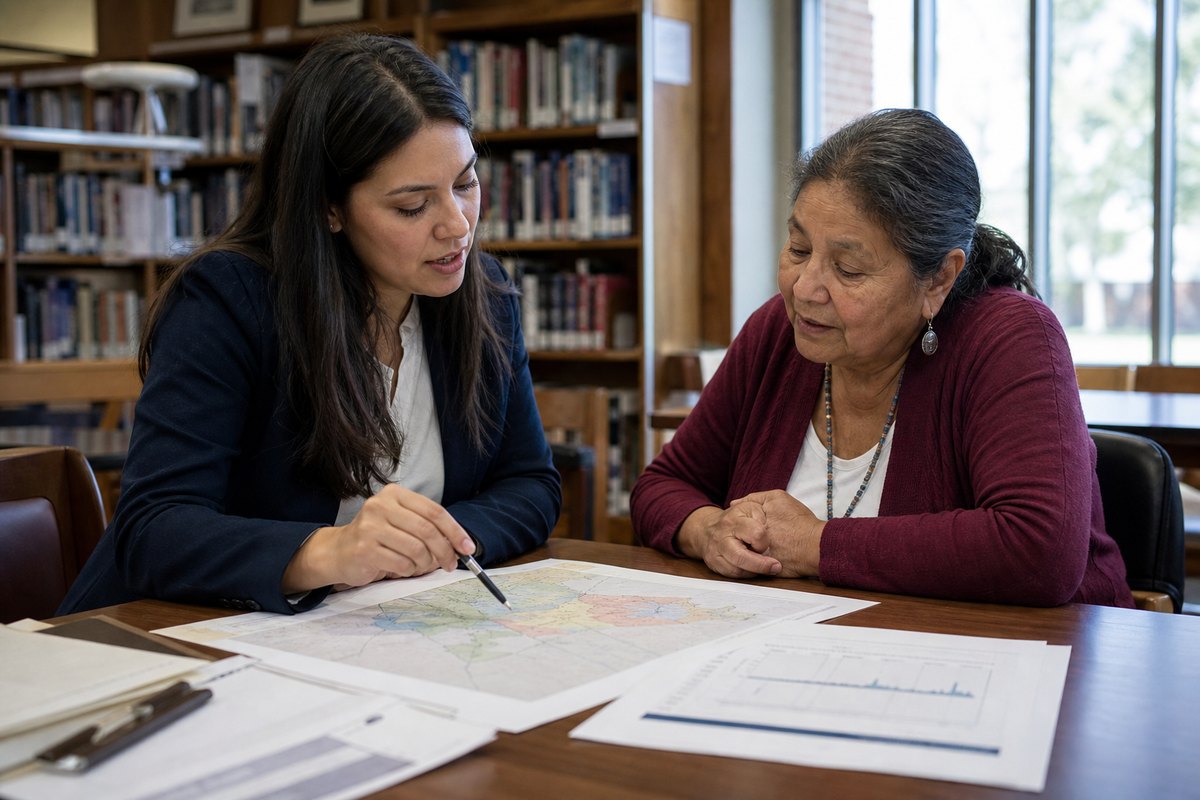
Participating changes the question and improves the answer — when the journey does not serve everyone: Accessibility and inclusion
Participating changes the question and improves the answer. In accessibility and inclusion, the consultation came late and turned valuable experiences into a formality.
Read article
Care also means not monitoring everything — when organisation affects life: Work, care and organisation
Organisational care protects people without turning performance, availability, or workload into permanent surveillance.
Read article
The first question must come before the tool — when a rule enters the home: Families and digital parenting
A responsible digital rule starts by understanding the need, developmental stage, safety, and alternatives.
Read article
Care also means not monitoring everything — on and off the playing field: Sport and community
Care in youth sport protects better when it limits data, explains decisions and preserves alternatives.
Read article
Care also means not watching everything — when someone needs support: Digital health and wellbeing
Digital monitoring of children’s wellbeing should be necessary, understandable, and limited: trust is protected through conversation, proportionate controls, and safe access to help.
Read article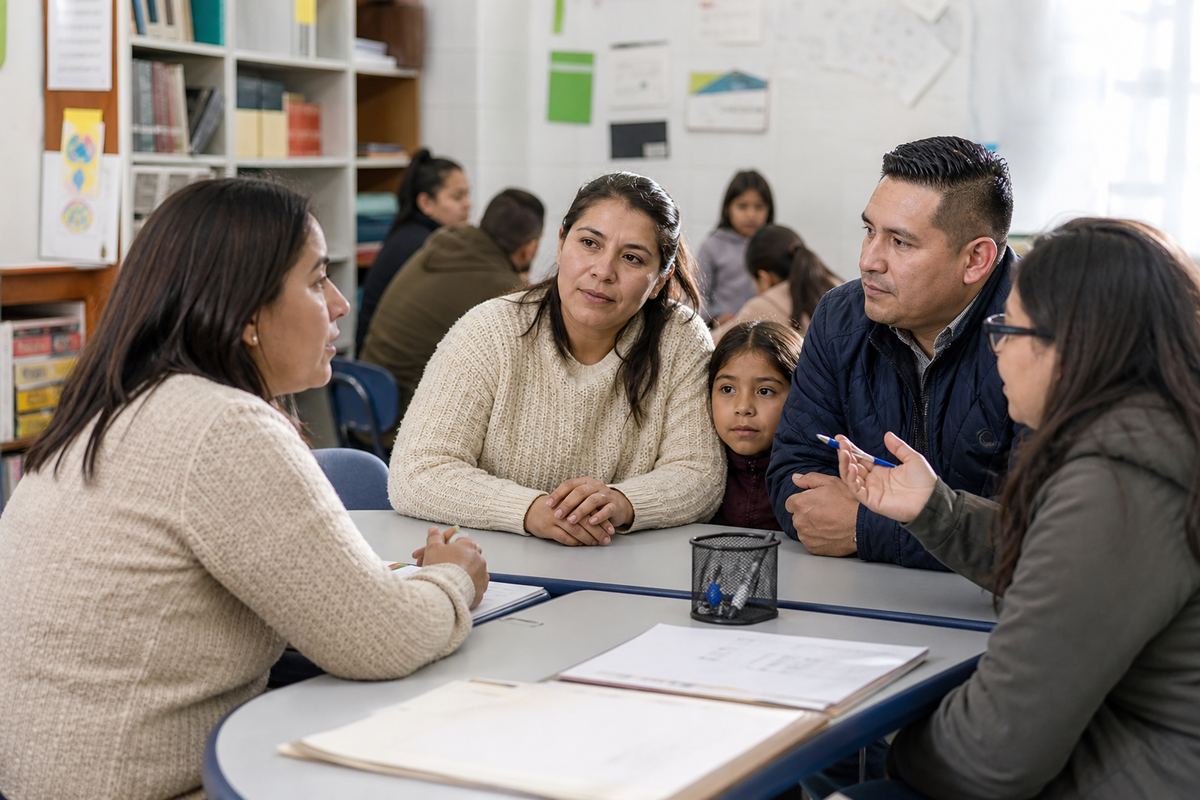
Safety begins when an error can be reported — when someone needs support: Digital health and wellbeing
A support platform is safer when it lets people report errors, harm, and distress without blame, with repair and a human response.
Read article
Safety starts when reporting an error is possible, before sharing with the whole community: Citizenship and networks
A safe network is not one that hides its failures, but one that allows them to be reported, corrected, and learned from without exposing or punishing the reporter.
Read article
Care also means not watching everything — when the group needs to care for itself: Digital coexistence
Privacy makes it possible to ask for help, learn boundaries, and build trust among young people, families, and schools.
Read article
Safety begins when it is possible to report a mistake — when the group needs care: Digital coexistence
A community is safer when an accidental click, misdirected message, or uncertainty can be raised without humiliation. Early reporting, limited exposure, and supported repair make digital safety a shared responsibility.
Read article