
Reflections & stories
Ideas, experiences and learnings about education, technology and coexistence.
Showing 1537–1548 of 1,735 articles
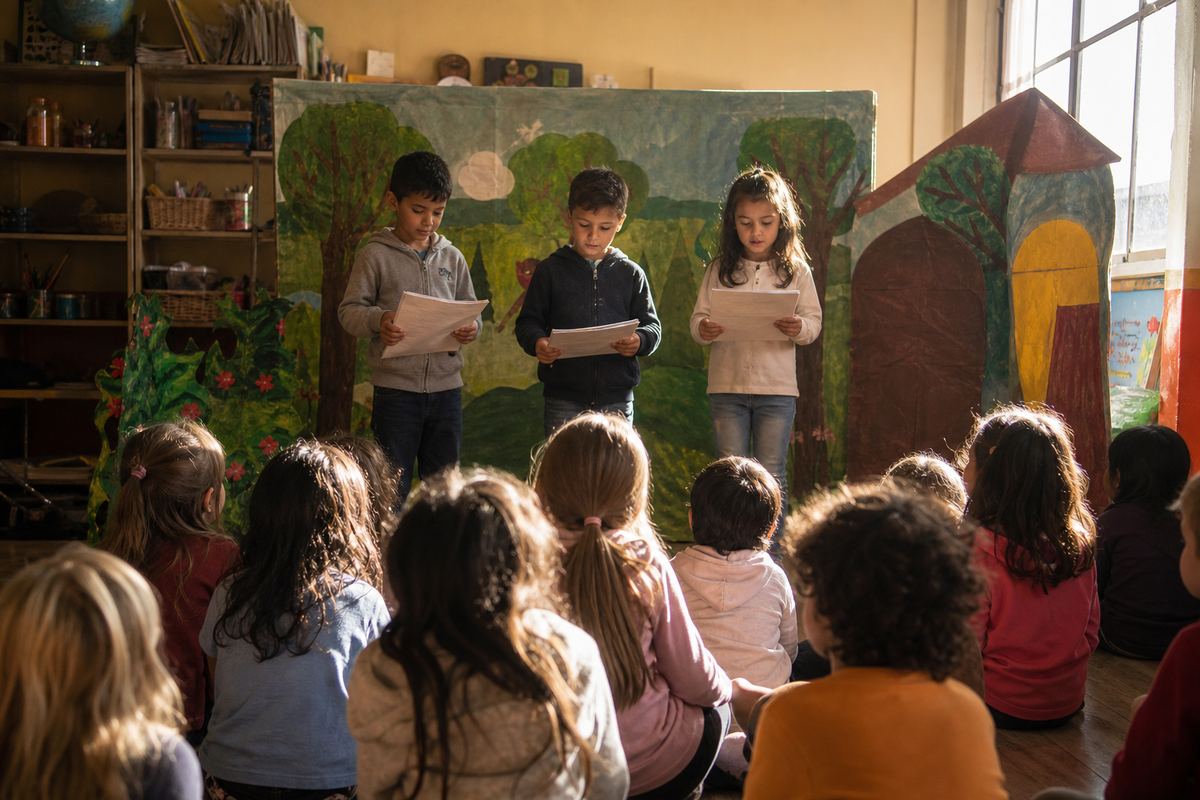
Safety begins when reporting a mistake is possible — on and off the field: Sport and community
A safe sporting culture makes it possible to report a mistake, injury, bullying, abuse, or incident without punishment or shame.
Read article
What works for most people can exclude someone — on and off the field: Sport and community
Rules, schedules, equipment, and apparently neutral messages can limit young people’s participation. Accessibility must be designed, reviewed, and discussed.
Read article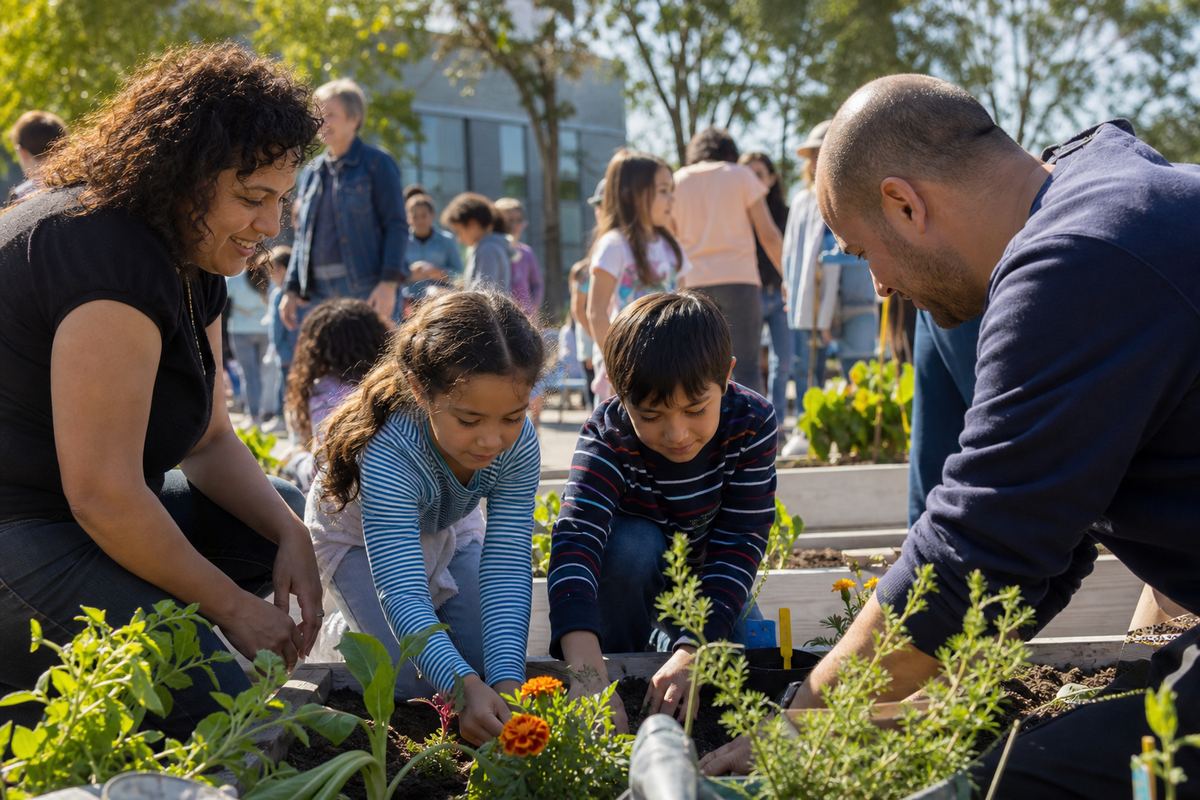
A rumour travels quickly when it tries to care — on and off the field: Sport and community
Rumours about injury, conduct, performance, or wellbeing need verification, privacy, and restorative conversation—not a message chain.
Read article
Conflict is not resolved by adding another screen — on and off the field: Sport and community
Conflict in youth sport requires listening, mediation, and clear rules; another group or app can amplify harm if the relationship does not change.
Read article
The exception reveals the quality of a system — on and off the field: Sport and community
Cases that do not fit a rule, a data point, or a routine show whether a club can care, include, and respond.
Read article
A useful number can still lead us to the wrong place — on and off the field: Sport and community
Youth metrics can guide questions, but they must not decide an athlete’s worth, safety, or future.
Read article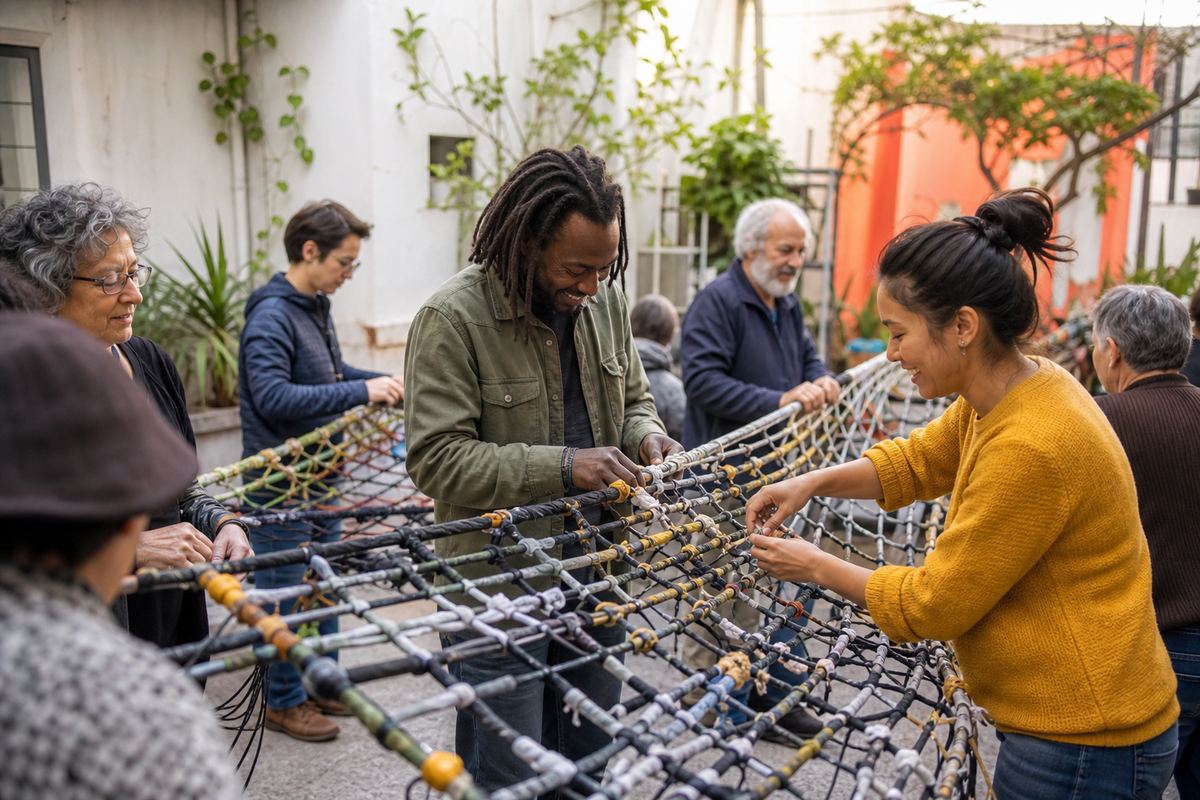
Accepting does not always mean being able to choose — on and off the field: Sport and community
In youth sport, meaningful consent requires real alternatives, understanding, and freedom from pressure when deciding about data, images, workload, and technology.
Read article
The first question must come before the tool — on and off the field: Sport and community
In youth sport, understanding need, relationship and safety before adding an app protects inclusion and educational purpose.
Read article
Participation changes the question and improves the response — when someone needs support: Digital health and wellbeing
Meaningful participation by young people, families, and non-clinical professionals changes priorities and reduces harm in digital wellbeing.
Read article
Care also means not watching everything — when someone needs support: Digital health and wellbeing
Digital monitoring of children’s wellbeing should be necessary, understandable, and limited: trust is protected through conversation, proportionate controls, and safe access to help.
Read article
Oversight requires the power to stop and correct — when someone needs support: Digital health and wellbeing
A wellbeing tool can only be considered supervised when there are accountable owners, routes to challenge it, and real power to stop, correct, and repair harm.
Read article
After launch, the important work begins — when someone needs support: Digital health and wellbeing
Launching a wellbeing tool does not end responsibility: it begins the follow-up of effects, incidents, participation, maintenance, and responsible retirement.
Read article