
Showing 1–12 of 12 articles

Participation changes the question and improves the answer — when organisation affects life: Work, care and organisation
Participation by people who work and care turns diffuse problems into fairer, more inclusive, sustainable decisions.
Read article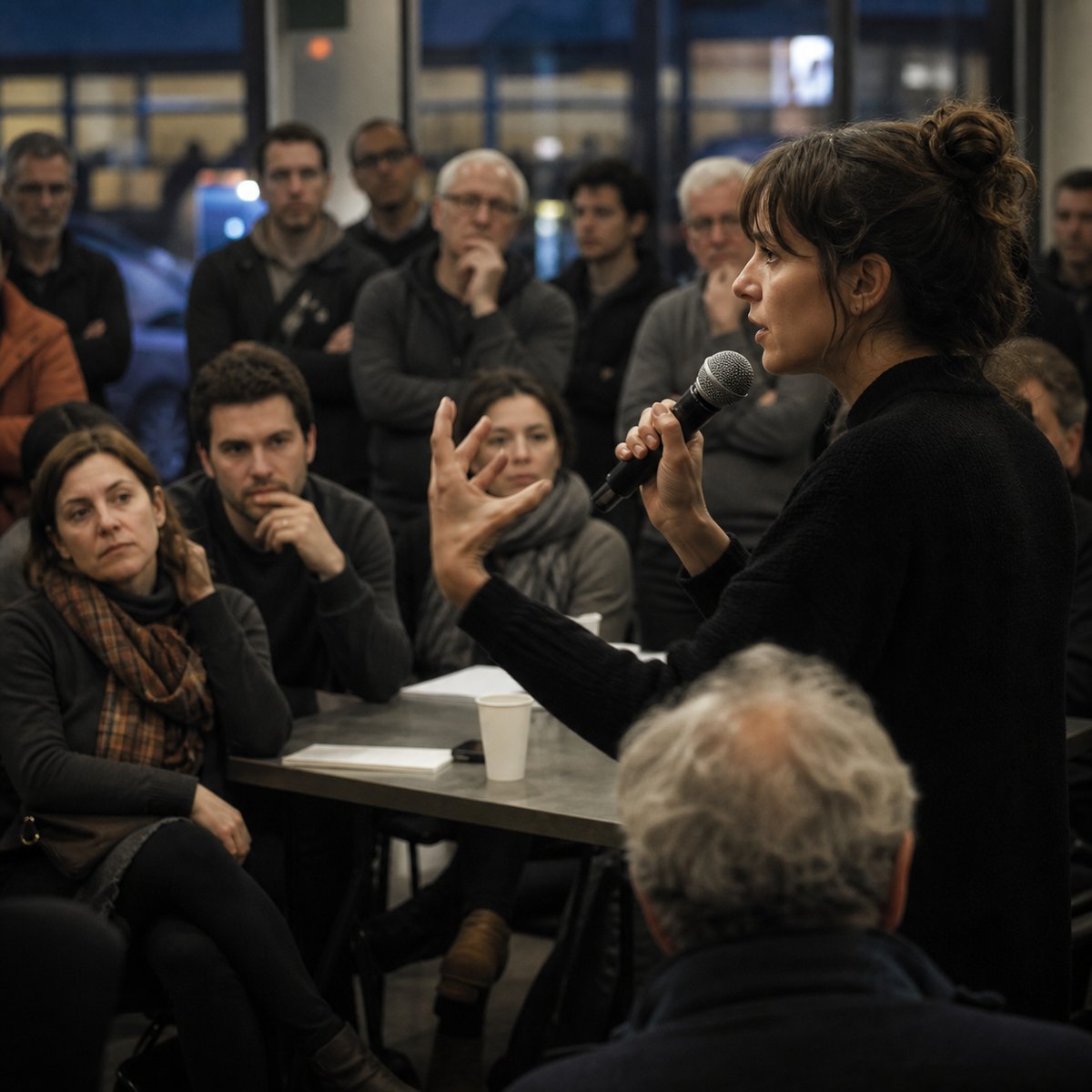
Care also means not monitoring everything — when organisation affects life: Work, care and organisation
Organisational care protects people without turning performance, availability, or workload into permanent surveillance.
Read article
Supervision requires power to stop and correct — when organisation affects life: Work, care and organisation
Supervision requires power to pause practices, correct harm, and redistribute burden through transparency, accountability, and effective participation.
Read article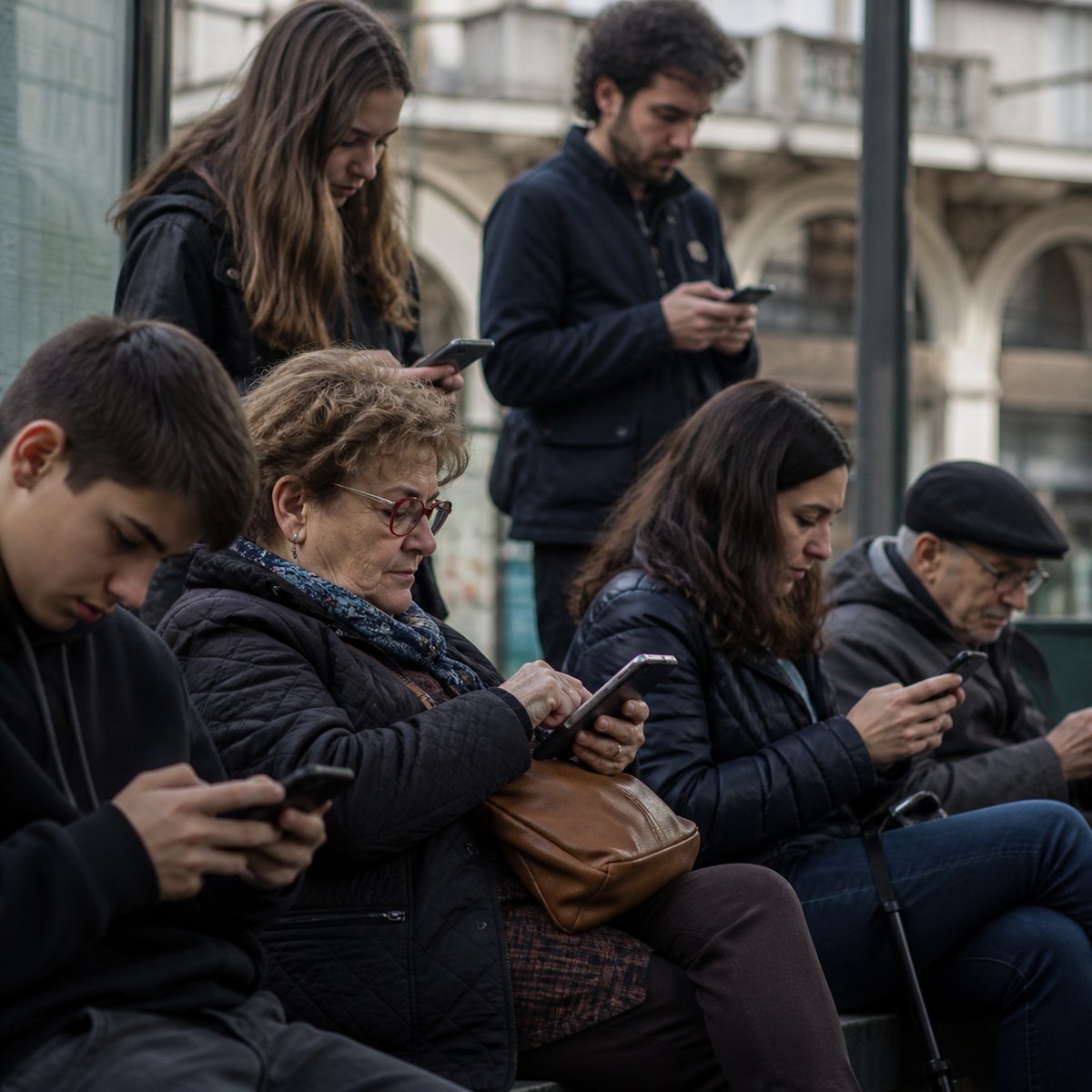
After launch, the important work begins — when organisation affects life: Work, care and organisation
Launching an organisational tool or system does not complete change: its effects on time, care and health must be observed, corrected, accounted for, and ended if it causes harm.
Read article
Safety begins when it is possible to report an error — when organisation affects life: Work, care and organisation
A safe organisation allows errors, overload, process failures and incidents to be reported without automatic blame; it responds, repairs, learns and protects people.
Read article
What works for most people can exclude someone — when organisation affects life: Work, care and organisation
An apparently neutral rule can exclude because of disability, hours, care, language or resources. Inclusive design identifies barriers, provides alternatives and reviews its effects.
Read article
A rumour travels fast when it tries to care — when organisation affects life: Work, care and organisation
Information shared with an intention to help can cause harm if it is unverified, unnecessary, or does not respect confidentiality.
Read article
Conflict is not resolved by adding another screen — when organisation affects life: Work, care and organisation
Platforms can support agreements, but they do not replace conversation, visible allocation, boundaries, repair, or resources.
Read article
The exception reveals the quality of the system — when organisation affects life: Work, care and organisation
Exceptions in hours, shifts, and care reveal the quality, equity, and safety of organisational design.
Read article
A useful number can also lead us to the wrong place — when organisation affects life: Work, care and organisation
Productivity, availability, and care metrics can guide action, but they can also shift invisible work and harm rest. They need context, equity, organisational health, and limits.
Read article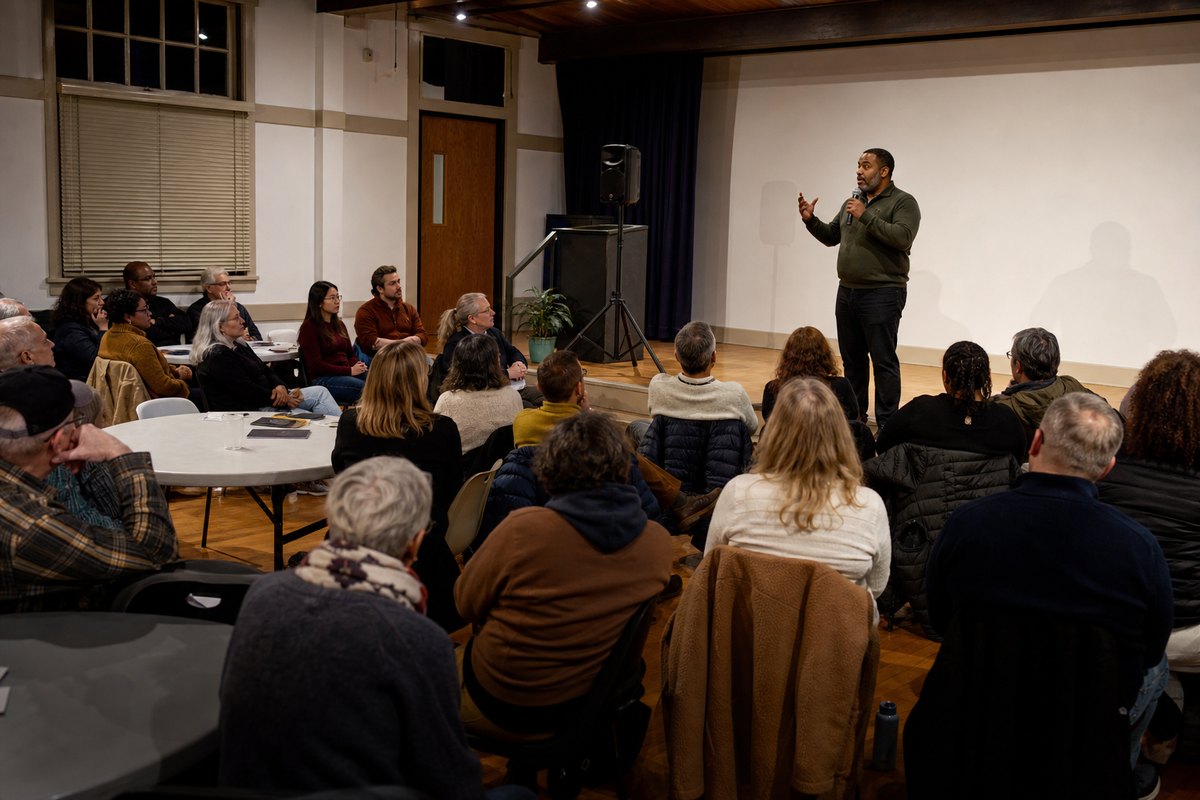
Accepting does not always mean having been able to choose — when organisation affects life: Work, care and organisation
Accepting a schedule, task, or tool may reflect need, dependence, or a lack of alternatives. A responsible organisation examines power, care, participation, and accountability.
Read article
The first question must come before the tool — when organisation affects life: Work, care and organisation
Before introducing a tool that organises work and care, define the problem, distribute burdens, hear those living with the change, and choose the least intrusive limit.
Read article