The conflict is not solved by adding another screen. In “The conflict is not solved by adding another screen — when creating also means recognizing: Creativity, culture and authorship”, technology is the starting point, not the center of history. The center is young creators, teachers, artists, publics and platforms: what they can understand, what margin they retain and who they turn to when a decision designed to help produces a problem.
This conflict issue appears in workshops, libraries, classrooms, studies and networks. Uniforms and schedules change, but the same tension is repeated: we seek to expand creativity without erasing authorship or learning and we can end up weakening our own voice, memory and recognition of work. The criterion appears when both possibilities and consequences are examined.
In “The conflict is not solved by adding another screen”, an improvement only counts if it retains voice, context and ability to correct. Applied to technology-mediated cultural creation from a conflict perspective, this approach requires that purpose be written before choosing the function and that from the beginning it be recognized which damage would not be acceptable.
Conflict is not solved by adding another screen
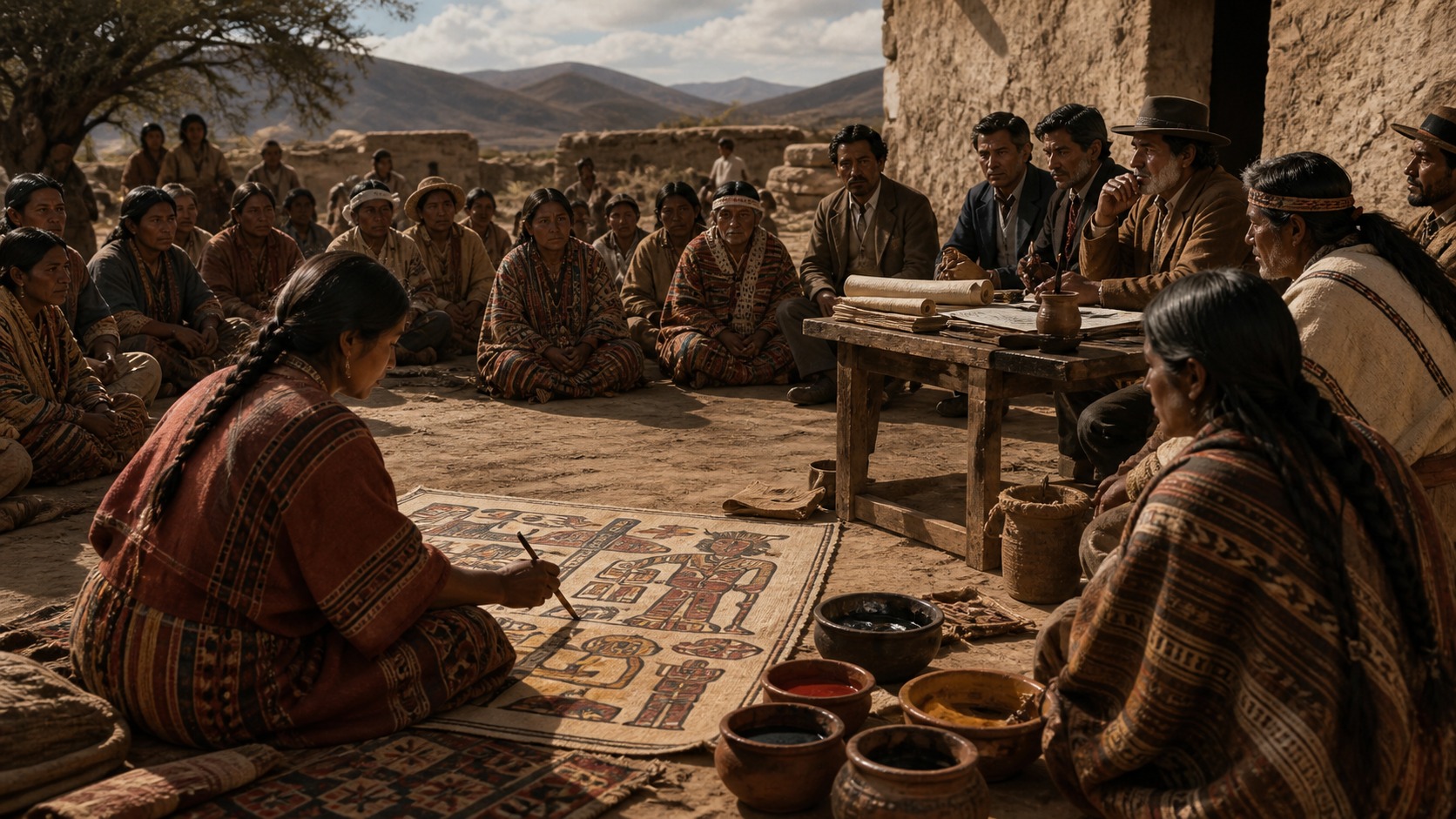
Imagine a scene of conflict in creativity, culture and authorship: two groups interpreted the same rule in opposite ways and the conversation ended with messages, captures and guilty. No need to look for absurd behavior.
In creativity, culture and authorship, the diagnosis of conflict is that technology amplified a disagreement that needed context, listening and a common rule. The last visible action rarely explains everything. Rebuilding the scene allows you to see who decided and what choice was missing.
It is also important to separate intention, design and consequence when studying conflict in cultural creation mediated by technology. The intention can be to expand creativity without erasing authorship or learning; design can reward speed or comfort; and the consequence can end in imitation, dependence and disappearance of contributions.
The experiences of young creators, teachers, artists, audiences and platforms provide different perspectives when analyzing the conflict. In creativity, culture and authorship, use, maintenance, care and direction must provide their different evidence.
Before measuring the results of “The the initiative” you have to define what counts as improvement. For “The conflict is not solved by adding another screen”, you would observe time, errors, abandonments, differences and the exact point where someone was left dead.
In creativity, culture and authorship, the exception reports on the actual limit of design; it is not a statistical nuisance. If the journey of cultural creation mediated by conflict-related technology only works with good connection, calmness, prior knowledge or family help, that condition must be recorded. “The conflict is not solved by adding another screen”, a responsible organization distinguishes resistance from barrier.
Practical test: Creativity, culture and authorship
In creativity, culture and authorship, when reviewing conflict, the priority intervention would be to reconstruct the facts separately, bring the parties together with a specific question and document the agreement. It can start in a small part of workshops, libraries, classrooms, studies and networks, without turning the entire community into an involuntary participant in a test.
To address conflict in creativity, culture and authorship, the first week would describe the current state. The third, to observe a habitual and difficult case. The closure forces to choose between holding, adjusting or leaving.
The conflict test must include a failure related to cultural creation mediated by technology. To test it calmly allows checking phones, permits, language and times before imitation, dependence and disappearance of contributions becomes an urgency.
Addressing the conflict also requires a dignified alternative. In creativity, culture and authorship, having an alternative protects those with the least resources and offers an honest comparison of the real value of the main solution.
The communication of “The the proposal” can fit into a page: what it is used for, what it will not do, what information intervenes, how long it will last, who responds and how to ask for revision.
Responsibility: Creativity, culture and authorship
In creativity, culture and authorship, supervising requires authority to pause, explain and repair. In the case of technology-mediated cultural creation and its conflict dimension, it is not enough to place a person at the end of an automatic chain. He needs access to evidence, time to listen and real ability to change the rule when it damages his own voice, memory and recognition of work.
For young people living through technology-mediated cultural creation, the message in addressing conflict should not be “more careful” as the only defense.
In addressing the conflict, families, teachers, trainers and business leaders must remember that accompanying does not amount to controlling each movement. It means agreeing boundaries, explaining reasons, observing changes and accepting that autonomy must grow in relation to cultural creation mediated by technology.
The conflict is not resolved by adding another screen in creativity, culture and authorship: a mature community does not promise absence of faults; it prepares an understandable way to detect them, limit damage and change what made them probable.
The final revision of “The this case” can answer six questions: what we wanted to improve?, what changed?, who benefited?, who took up work or risk?, what happened with the exception? and who can stop it now? If “The conflict is not solved by adding another screen” ends in “we will see”, an operational decision is still missing.
The analysis of “The the issue” leaves a practical conclusion: start with a shared need, try on a human scale and preserve output. Thus technology can help to expand creativity without erasing authorship or learning without assuming as a silent price to advance this damage: imitation, dependence and disappearance of contributions.