There are decisions that improve when we take them away from speed. Not because slowness is a virtue in itself, but because some questions only appear when we stop confusing the quick answer with the right answer. Artificial intelligence offers us speed; the criterion still needs a pause.
On a screen everything may seem solved in seconds: a text written, an ordered list, an image created, a prepared recommendation. But the utility is not measured only at the moment of delivery. It is measured later, when someone uses that result, it detects an absence or has to fix an error that was not visible at first.
Speed also decides for us
When a tool responds immediately, it invites us to accept immediately. It is human: a fluid result transmits security, especially when we are tired or in a hurry. However, something that sounds convincing does not mean that it is accurate or that it fits the specific problem before us.
Speed introduces a silent decision: it reduces the time we spend checking, asking for a second opinion or remembering what the tool does not know. That is why we have to protect a few minutes of friction. Read again. Contrast a data. Ask if the text says the same thing we want to say and not just something anyone could say.
A quick response can be a good draft, not necessarily a good decision. This distinction avoids two extremes: idealizing or rejecting technology completely. The draft can save the boot; the decision requires context, responsibility and a person who is willing to support it.
Let's think about a message to a family. An assistant can help sort an explanation or find a clear tone. But he doesn't know that the message comes after a difficult conversation, that there is a previous concern, or that a seemingly neutral phrase may sound cold. To look slowly is to return to that text the relationship that a tool cannot perceive.
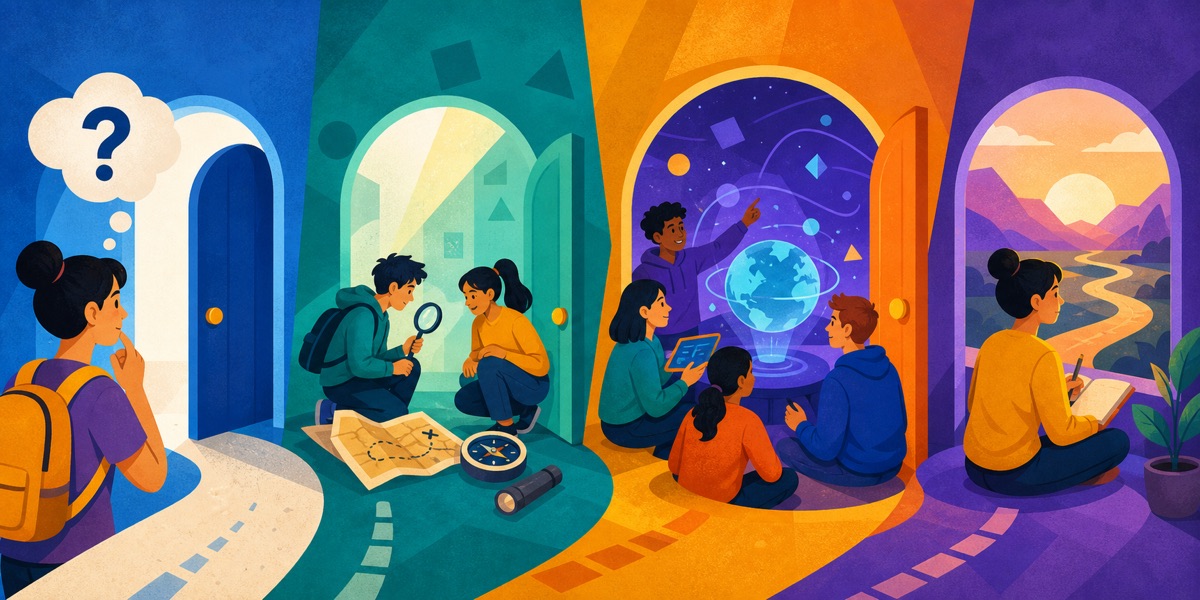
What appears when we leave room
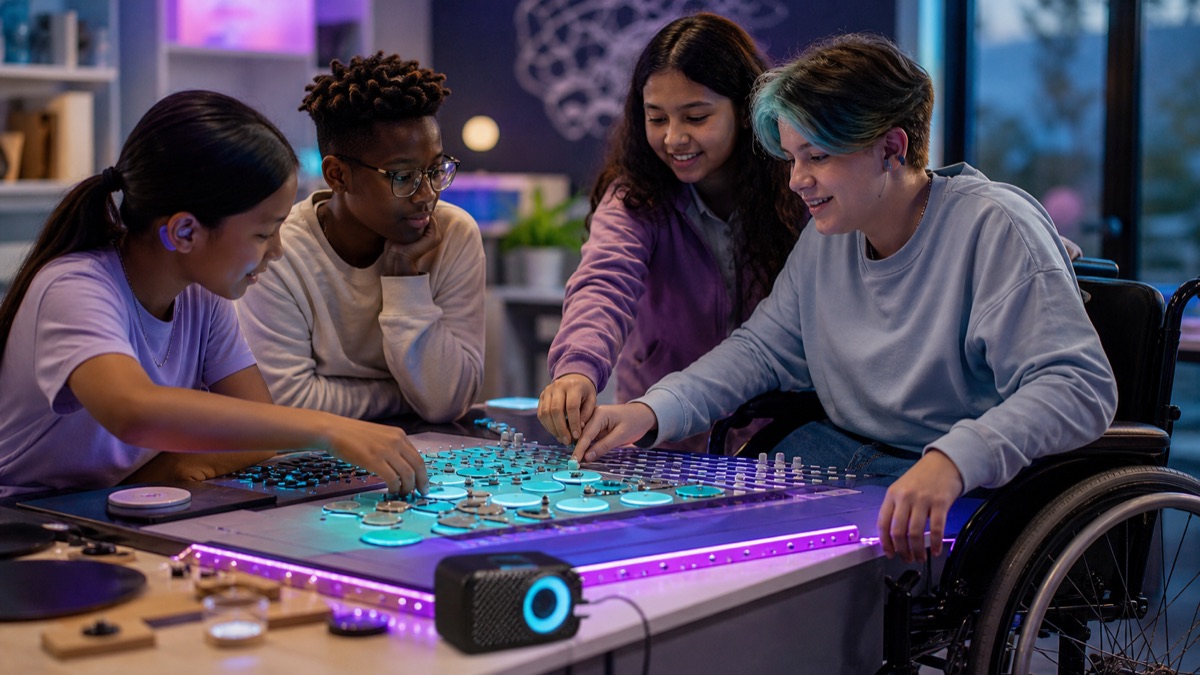
The pause is not just for errors. It serves to detect opportunities that the first answer could not imagine. When reviewing an activity plan, we may find that there is a missing alternative for those who cannot use a screen. When checking an image, we may see that it repeats a stereotype. When reading a recommendation, we may remember a local need that was not written in any instructions.
This type of finding is not a user failure. It is part of the job. Tools work with general patterns; life is full of relevant exceptions. A school, family, neighborhood or team are not an average. They have schedules, accents, memories and limits that only those who are there know.
The context is not a detail that is added at the end: it is what makes sense of the result. If a proposal only works when we ignore people’s circumstances, it is not a solid proposal. Slow revision allows us to make that circumstance visible before it becomes a complaint or an exclusion.
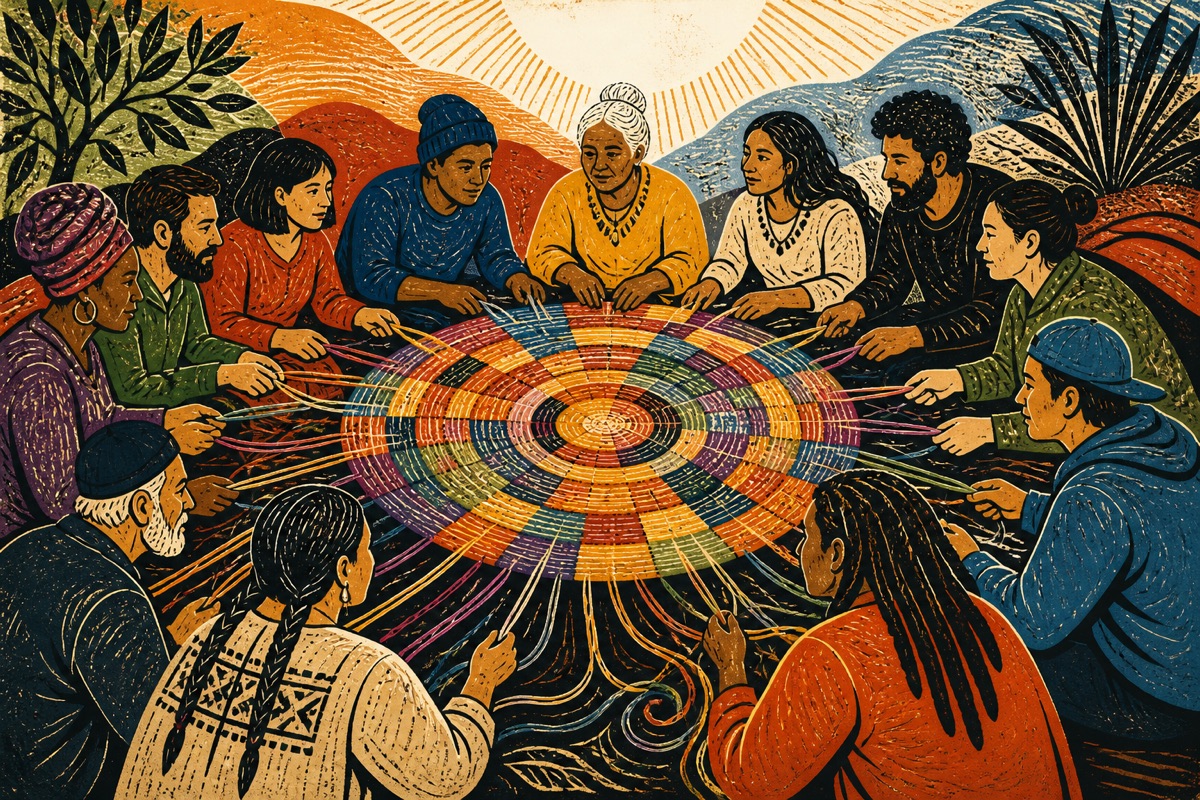
One person reviews the accuracy; another person, the clarity; another may ask how someone outside the project will receive the result. No heavy procedure is needed. It is enough that not everything depends on the same look as the initial request. Diversity of perspectives is a practical form of quality.
Design breaks that do fit in the day
Saying “check more” is useless if no one has time. That’s why pauses should be designed with a purpose and a limit. Before using a tool, agree on what will be checked. Then, book five or ten minutes to look at the result with a short list: facts, tone, personal data, affected people and possibility to correct.
It also helps to separate tasks by risk. An internal draft to sort ideas does not need the same care as a public response, a communication with minors, or a document that conditions a help. The greater the consequence, the greater the space to understand what the tool proposes.
The practical question is simple: if this goes wrong, who will have to fix it? If the answer is a person who did not participate in the decision, it is worth stopping before. Many automations move work rather than eliminating it: they hide it in the inbox of the one who attends incidents or in the patience of the one who receives a wrong answer.
A good test is to ask someone who was not in the process to read the result. If you understand what has been done, what limits it has and how it can ask for a correction, we are on the right track. If you need a long explanation to not misunderstand it, perhaps the system is not yet ready for that situation.
The pause is not the gap between two decisions: it is the place where a decision becomes responsible.
Slow looking also does not mean standing still. It means moving forward without giving up knowing where. Artificial intelligence can make more accessible heavy tasks, open creative possibilities and free attention. But its value is not in making us run, but in helping us to better devote the time we recover.
Next time an answer comes up too fast, let's try a little resistance: not to send it yet, not to publish it yet, not to decide yet. Let's ask what it is missing, who it affects, and what we would do if we had to explain it face to face. Sometimes, those two minutes are the difference between an efficient exit and a well done job.
There is also a less visible gain: the pause allows learning. If we register two or three failures, the instructions improve, expectations are adjusted and the following use needs less correction. Carefully go at first does not slow down learning; it turns cumulative and avoids repeating the same error with a new appearance.
Quality is not about adding endless controls. It is about choosing those who help us answer for what we do. That is a technology that can last: the one that remains defensible when someone asks why that decision was made.