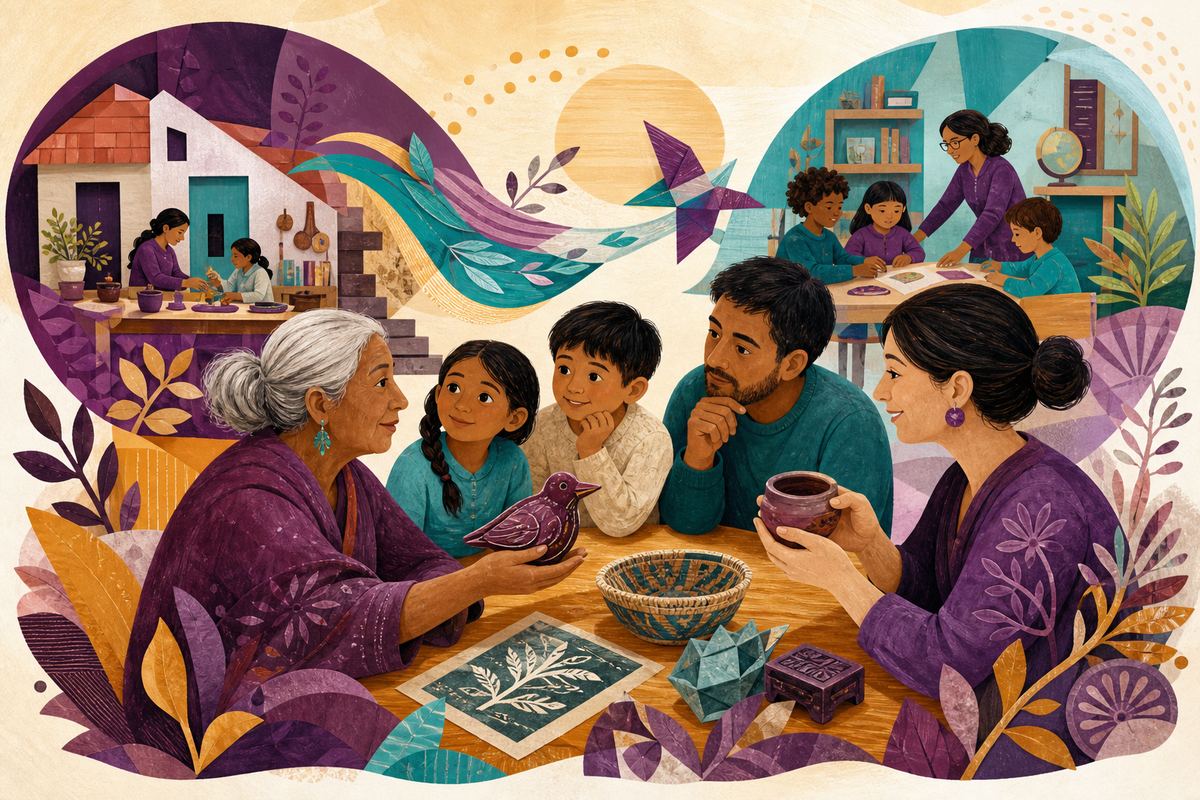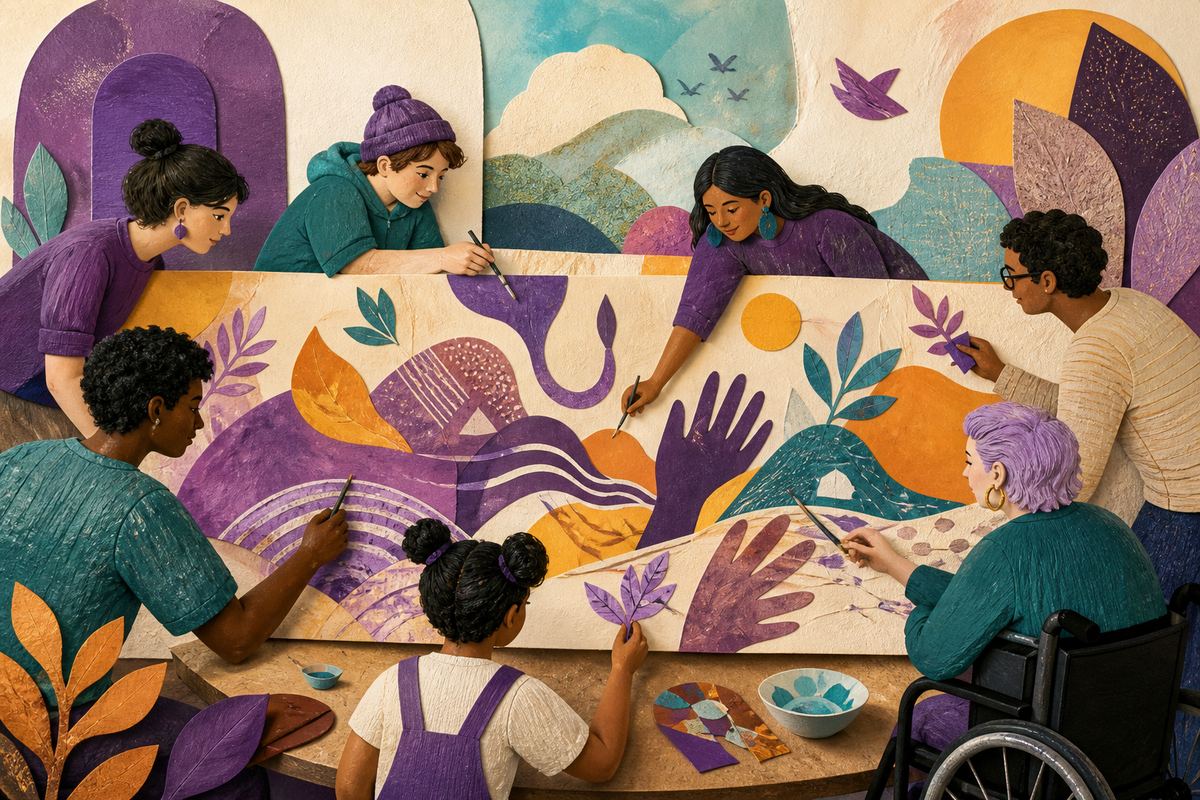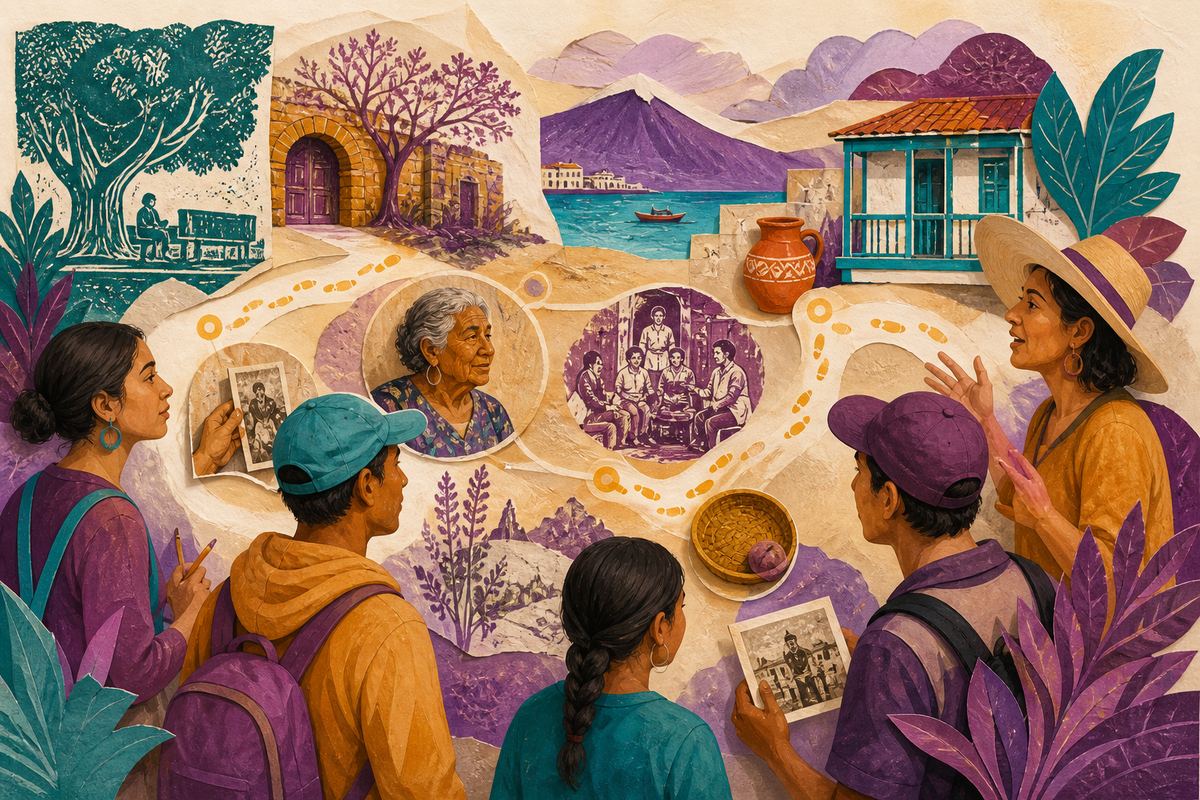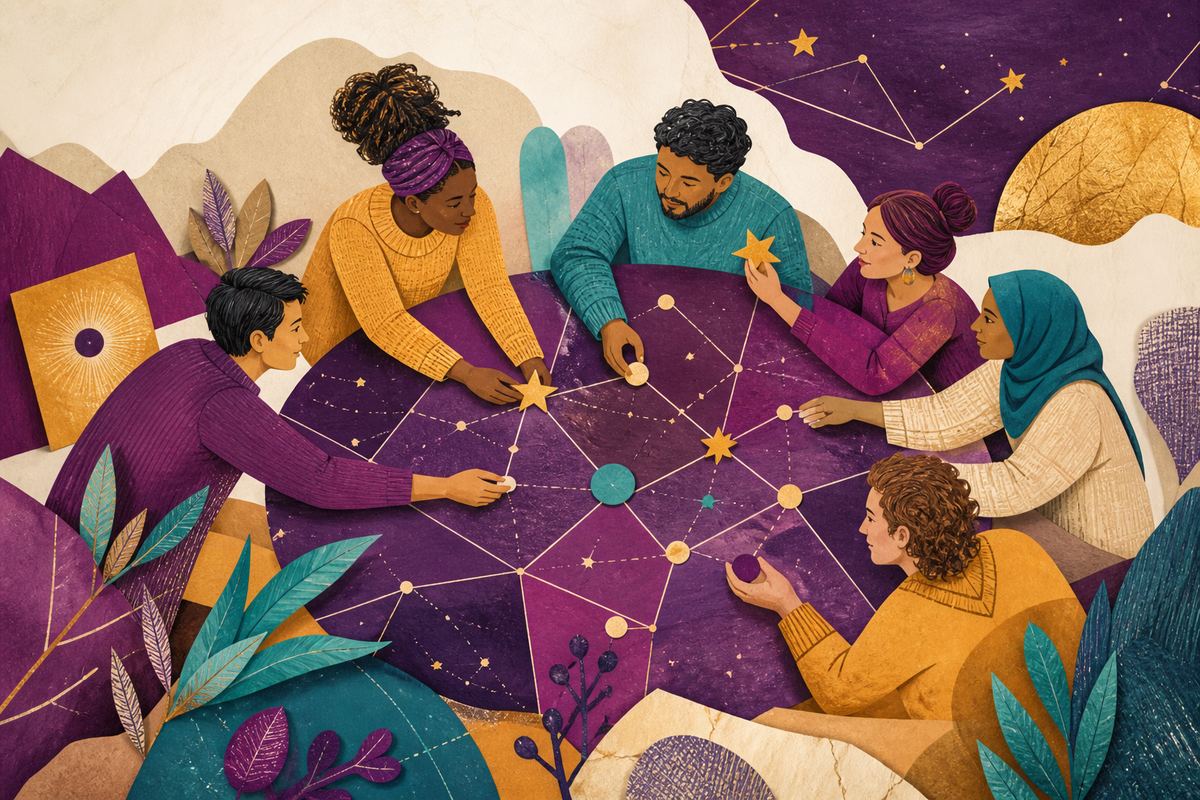
The future of creativity does not begin twenty years from now and it does not depend on a new tool alone. It is being decided through small, present choices: which work a platform recommends, which materials a classroom may use, what data an app collects, who can afford a subscription, and how creators are credited. For children and teenagers, those choices determine whether digital culture becomes a place for participation, learning and expression, or a place where a few voices gain visibility while others are left mainly to consume. Taking this seriously does not require predicting the future; it requires examining the effects of today's rules.
A recommendation is also a cultural decision#
Platforms are not neutral display windows. When they arrange videos, music, images or text, they prioritise signals such as viewing time, reactions, posting frequency, commercial interests or inferred user data. That ordering shapes which references young people encounter and which kinds of creation seem possible. The point is not to demonise algorithms, but to avoid mistaking their selection for quality, truth or cultural importance. A rarely recommended work may be valuable; a highly visible work may mainly reflect an attention dynamic.
Platforms are not neutral display windows. When they arrange videos, music, images or text, they prioritise signals such as viewing time, reactions, posting frequency, commercial interests or inferred user data.
Families and schools can turn this into a reading practice. It helps to ask what appears repeatedly, what never appears, who started a trend, and what interest may sustain it. Automatic recommendations can also be balanced with libraries, public media, cultural associations, archives and local creators. Opening those routes does not impose taste; it broadens the cultural map. UNESCO's work on digital education stresses that meaningful access requires critical capacities, not connection alone. That idea moves discussion from complaining about a screen to talking about choice and diversity.
School decides whether creation means copying or understanding#
A school makes an important choice whenever it sets an assignment. It can request a quick, easily comparable result, or value a process: finding sources, testing versions, crediting an image, explaining a decision and acknowledging an influence. The second approach protects authorship better and teaches that creating is not simply pressing a button. Artificial intelligence, video editors and resource libraries can be part of that process, provided there is transparency about what was used and what the student contributed.
Clear rules reduce both blanket prohibition and unreflective use. A classroom can agree when a tool is suitable for generating ideas, when a quotation needs attribution, when work should not be uploaded because it contains personal data, and how technical support is documented. Such guidance should be understandable, revisable and practised. When a school explains why a rule exists, integrity stops looking like punishment and becomes a form of respect for classmates, authors and audiences.
Unequal access leaves a mark on talent#
Talking about creativity without talking about access gives an incomplete picture. A minor may have interest and ability but lack a quiet space, reliable connection, suitable devices, art materials, training or an accompanying adult. Paid subscriptions, premium tools and private courses can widen that gap further. If visible opportunities are associated only with those who have resources, talent is lost and a less diverse culture becomes normal.
Cultural and educational institutions can respond through equipment loans, free workshops, accessible hours, collective licences, libraries with making spaces, grants and calls that do not require a previous track record. They can also publish understandable selection criteria and reply to people who are not selected. Equity does not promise the same outcome to everyone; it prevents money, postcode or family knowledge from becoming a silent barrier. A small, sustained policy can open more doors than a brief spectacular campaign.
Children's data are not free raw material#
Many creative tools request photographs, voices, drawings, text or video. These materials may contain faces, names, habits, locations, personality traits or information about other people. Accepting a feature sets a standard for what level of exposure is treated as normal. UNICEF has warned that AI systems affecting children need specific safeguards, transparency and risk assessment. Creative interest does not remove the duty to protect privacy.
Before using an application, it is worth checking what it requests, why it says it needs it, how long it retains a file and whether deletion is possible. If a school project includes voices or images of several people, permission must be genuine and understandable rather than a hidden box. Where an alternative works with minimal data, it is usually the more responsible option. This caution does not limit imagination. It prevents experimentation from becoming a permanent transfer of intimate information without anyone noticing.
Authorship is learned in everyday gestures#
Recognising authorship is not a detail reserved for professional artists. It starts when a young person asks where an image came from, quotes a passage, credits a collaboration or understands that a licence has conditions. The World Intellectual Property Organization explains that copyright protects works and supports recognition and reward for creators. In digital culture, this conversation should include classmates' work and small productions that rarely reach a large public.
A simple practice is to add a process note to each project: original materials, external resources, licences consulted, collaborators and tools used. There is no need to turn a school activity into a legal file. It is enough to make visible that a work has a history and relationships. This helps distinguish inspiration, tribute, quotation and copying. It also prepares young people to seek credit when someone reuses their own work. Culture becomes stronger when attribution is no longer seen as an irritating obligation but as justice.
Institutions should model the rules they expect#
Museums, libraries, public bodies, media and youth organisations shape what a community considers acceptable. If they request content from young people without explaining rights, publish images without a clear standard or always select the same profiles, they send a message even without stating it. They can instead model good practice: clear agreements, payment where appropriate, age-aware permissions, removal channels, visible credits and calls that value diverse voices.
Transparency matters particularly when an institution uses automated systems to moderate, recommend or select. Affected people should know which system is involved, what data it uses and how to request human review. Not every decision can be resolved by a general rule. Cultural context, disability, a minority language or experience of discrimination can change the meaning of a post. Keeping a route for listening does not slow a service needlessly; it prevents technical efficiency from replacing public responsibility.
Families need not become cultural police#
Accompanying a young person does not mean watching every screen or deciding which art deserves attention. Families can create more useful conditions: take interest in the process, discuss permissions before publishing, reserve time for activities without metrics and celebrate effort as well as outcome. When a teenager shares a song, drawing or video, questions about what they wanted to say or which part they made usually open more conversation than an immediate judgement about whether it will succeed.
It is also legitimate to set limits where risks exist: sharing images of others, using adult accounts, agreeing to unclear contracts or feeling pressure to produce content constantly. A limit works better when it includes an explanation and an alternative, such as a safer tool, a pseudonym, a smaller sharing space or consultation with a school. The aim is not to protect minors from all frustration. It is to provide a framework for creative decisions without leaving them alone with consequences they cannot yet measure.
Choosing today the culture worth sustaining#
Present decisions do not predetermine one future culture, but they accumulate incentives. Whenever a school teaches citation, a platform explains a recommendation, a library lends equipment or a family respects a minor's authorship, the possibility of dignified participation expands. Whenever data extraction, consequence-free plagiarism or purchased visibility as the only standard becomes normal, that possibility narrows. The future is built through these repeated rules, not through abstract promises.
A useful next step is concrete: review a household app, update a classroom rule, ask an institution to publish its criteria, or add credits to a project. No one measure solves cultural inequality, but each establishes a direction. Young people's creativity deserves settings where they can experiment, make mistakes and learn without giving up privacy, recognition or access. That is a realistic ambition: a more open, careful and responsible digital culture, decided in the present by people and institutions willing to accept their role.
Follow-up is part of education#
Decisions do not end when a tool is installed or a rule is published. Schools and institutions need to observe whether students understand permissions, whether families know where support is available, and whether people without resources can take part. Collecting concerns, listening to experience and reviewing practice at the end of a term makes it possible to correct inequalities that were not visible at the beginning. This follow-up need not create excessive bureaucracy: it can include an open question, a feedback session and a public decision about what will change.
Trust grows when an institution acknowledges a limit, explains a correction and keeps the protection of minors as a criterion. Creation, sharing and learning then do not become subordinate to the latest novelty. They remain connected to responsibility over time, relationships and every young person's right to take part in culture.