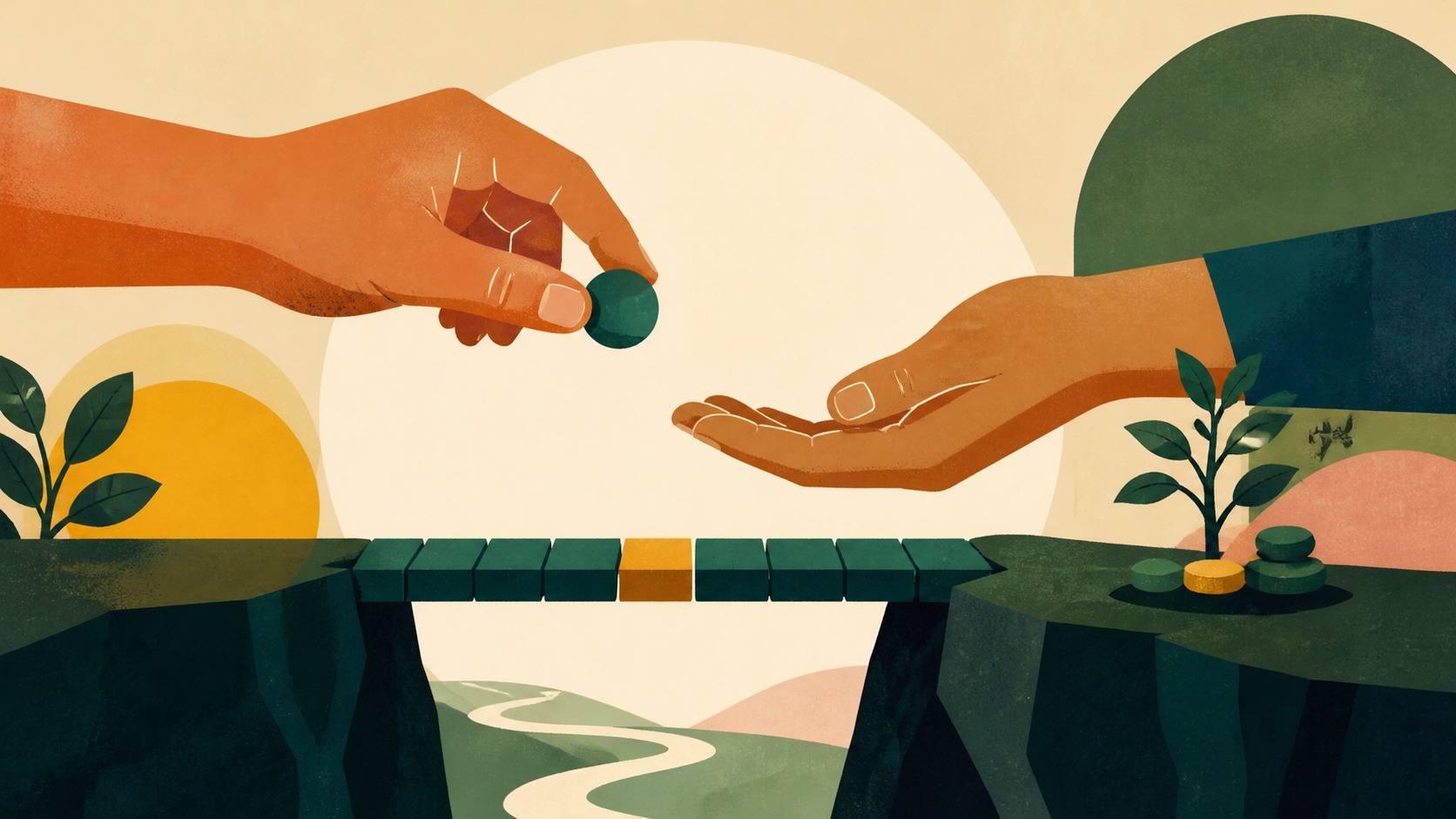
Getting started with equality and the prevention of sexist violence does not require a perfect answer. It requires noticing what happens, naming boundaries clearly and turning care into small decisions that can be sustained. This guide offers a realistic plan for families, schools, youth groups and community organisations: observe without blaming, listen to the person living the situation, intervene when harm appears and review what has been learned.
Start with a scene, not a label#
a joke that reduces someone because of their gender may look like an isolated detail, yet it is a useful place to begin a specific conversation. Instead of looking for a quick explanation or a person to blame, describe the event, listen to how it was experienced and ask what would make the setting safer. Equality is practised when decisions, time, voice and care are not always allocated through stereotypes. Naming the problem does not turn anyone into a label: it opens a possibility for change with clear boundaries.
a joke that reduces someone because of their gender may look like an isolated detail, yet it is a useful place to begin a specific conversation.
Nora hears every day that girls in her class are worse at technology and stops raising her hand. This case does not require heroics or an improvised investigation. It requires a proportionate response: thank the person for sharing, do not minimise what happened, retain only necessary information and agree a step that can be checked. UN Women explains that equality involves changing norms and power relations, not merely marking special dates. When immediate risk, threats or fear are present, safety and access to specialist services come first; an ordinary conversation must never delay urgent protection.
What observable event happened, who experienced it, and which boundary needs protection now? Writing down a brief response, a named responsible person and a review date keeps the agreement from disappearing. It also makes correction possible without shame: if a measure did not protect enough, change it. People offering support should avoid sarcasm and covert device searches, and explain confidentiality limits honestly. The affected person keeps a voice in information about them.
Notice everyday inequality#
an unequal division of tasks and care may look like an isolated detail, yet it is a useful place to begin a specific conversation. Instead of looking for a quick explanation or a person to blame, describe the event, listen to how it was experienced and ask what would make the setting safer. Equality is practised when decisions, time, voice and care are not always allocated through stereotypes. Naming the problem does not turn anyone into a label: it opens a possibility for change with clear boundaries.
Samira notices that her partner asks for locations and passwords as proof of trust. This case does not require heroics or an improvised investigation. It requires a proportionate response: thank the person for sharing, do not minimise what happened, retain only necessary information and agree a step that can be checked. The World Health Organization connects violence prevention with safe settings, support and early responses. When immediate risk, threats or fear are present, safety and access to specialist services come first; an ordinary conversation must never delay urgent protection.
What changes when we listen to the affected person first and do not demand that they justify themselves? Writing down a brief response, a named responsible person and a review date keeps the agreement from disappearing. It also makes correction possible without shame: if a measure did not protect enough, change it. People offering support should avoid sarcasm and covert device searches, and explain confidentiality limits honestly. The affected person keeps a voice in information about them.
Build boundaries people can use#
pressure to send images or accept contact may look like an isolated detail, yet it is a useful place to begin a specific conversation. Instead of looking for a quick explanation or a person to blame, describe the event, listen to how it was experienced and ask what would make the setting safer. Equality is practised when decisions, time, voice and care are not always allocated through stereotypes. Naming the problem does not turn anyone into a label: it opens a possibility for change with clear boundaries.
On a sports team, Iker sees people laughing at a teammates appearance in the changing room. This case does not require heroics or an improvised investigation. It requires a proportionate response: thank the person for sharing, do not minimise what happened, retain only necessary information and agree a step that can be checked. UNICEF recalls that children and adolescents have a right to be heard and protected from every form of violence. When immediate risk, threats or fear are present, safety and access to specialist services come first; an ordinary conversation must never delay urgent protection.
Which adult or peer can act today without spreading unnecessary information? Writing down a brief response, a named responsible person and a review date keeps the agreement from disappearing. It also makes correction possible without shame: if a measure did not protect enough, change it. People offering support should avoid sarcasm and covert device searches, and explain confidentiality limits honestly. The affected person keeps a voice in information about them.
Practise safe conversations#
comments judging clothing, bodies or orientation may look like an isolated detail, yet it is a useful place to begin a specific conversation. Instead of looking for a quick explanation or a person to blame, describe the event, listen to how it was experienced and ask what would make the setting safer. Equality is practised when decisions, time, voice and care are not always allocated through stereotypes. Naming the problem does not turn anyone into a label: it opens a possibility for change with clear boundaries.
A family discovers that caring for a grandmother always falls to the same women. This case does not require heroics or an improvised investigation. It requires a proportionate response: thank the person for sharing, do not minimise what happened, retain only necessary information and agree a step that can be checked. The Council of Europe connects dignity, equality and a life free from violence with concrete prevention duties. When immediate risk, threats or fear are present, safety and access to specialist services come first; an ordinary conversation must never delay urgent protection.
How will we know in one week whether the measure reduced harm and increased safety? Writing down a brief response, a named responsible person and a review date keeps the agreement from disappearing. It also makes correction possible without shame: if a measure did not protect enough, change it. People offering support should avoid sarcasm and covert device searches, and explain confidentiality limits honestly. The affected person keeps a voice in information about them.
Respond to signs of violence#
control of a phone, friendships or schedules may look like an isolated detail, yet it is a useful place to begin a specific conversation. Instead of looking for a quick explanation or a person to blame, describe the event, listen to how it was experienced and ask what would make the setting safer. Equality is practised when decisions, time, voice and care are not always allocated through stereotypes. Naming the problem does not turn anyone into a label: it opens a possibility for change with clear boundaries.
Joel receives persistent messages after saying that he does not want a date. This case does not require heroics or an improvised investigation. It requires a proportionate response: thank the person for sharing, do not minimise what happened, retain only necessary information and agree a step that can be checked. UN Women explains that equality involves changing norms and power relations, not merely marking special dates. When immediate risk, threats or fear are present, safety and access to specialist services come first; an ordinary conversation must never delay urgent protection.
What needs to be repaired by the person who caused harm, and what support does the affected person need? Writing down a brief response, a named responsible person and a review date keeps the agreement from disappearing. It also makes correction possible without shame: if a measure did not protect enough, change it. People offering support should avoid sarcasm and covert device searches, and explain confidentiality limits honestly. The affected person keeps a voice in information about them.
Learn from three concrete cases#
the intervention of people who witness discomfort may look like an isolated detail, yet it is a useful place to begin a specific conversation. Instead of looking for a quick explanation or a person to blame, describe the event, listen to how it was experienced and ask what would make the setting safer. Equality is practised when decisions, time, voice and care are not always allocated through stereotypes. Naming the problem does not turn anyone into a label: it opens a possibility for change with clear boundaries.
A tutor hears that a humiliating video is being shared in the group chat. This case does not require heroics or an improvised investigation. It requires a proportionate response: thank the person for sharing, do not minimise what happened, retain only necessary information and agree a step that can be checked. The World Health Organization connects violence prevention with safe settings, support and early responses. When immediate risk, threats or fear are present, safety and access to specialist services come first; an ordinary conversation must never delay urgent protection.
Are threats, isolation, fear or content-sharing present so that specialist help must be activated? Writing down a brief response, a named responsible person and a review date keeps the agreement from disappearing. It also makes correction possible without shame: if a measure did not protect enough, change it. People offering support should avoid sarcasm and covert device searches, and explain confidentiality limits honestly. The affected person keeps a voice in information about them.
Share responsibility without surveillance#
the procedures of a school, club or association may look like an isolated detail, yet it is a useful place to begin a specific conversation. Instead of looking for a quick explanation or a person to blame, describe the event, listen to how it was experienced and ask what would make the setting safer. Equality is practised when decisions, time, voice and care are not always allocated through stereotypes. Naming the problem does not turn anyone into a label: it opens a possibility for change with clear boundaries.
An association is planning an activity and only boys are offered technical roles. This case does not require heroics or an improvised investigation. It requires a proportionate response: thank the person for sharing, do not minimise what happened, retain only necessary information and agree a step that can be checked. UNICEF recalls that children and adolescents have a right to be heard and protected from every form of violence. When immediate risk, threats or fear are present, safety and access to specialist services come first; an ordinary conversation must never delay urgent protection.
Which rule in the setting is allowing the problem to recur? Writing down a brief response, a named responsible person and a review date keeps the agreement from disappearing. It also makes correction possible without shame: if a measure did not protect enough, change it. People offering support should avoid sarcasm and covert device searches, and explain confidentiality limits honestly. The affected person keeps a voice in information about them.
Review progress and seek support#
the review of an agreement after one week may look like an isolated detail, yet it is a useful place to begin a specific conversation. Instead of looking for a quick explanation or a person to blame, describe the event, listen to how it was experienced and ask what would make the setting safer. Equality is practised when decisions, time, voice and care are not always allocated through stereotypes. Naming the problem does not turn anyone into a label: it opens a possibility for change with clear boundaries.
Lina wants to describe something uncomfortable but fears adults will argue in front of her. This case does not require heroics or an improvised investigation. It requires a proportionate response: thank the person for sharing, do not minimise what happened, retain only necessary information and agree a step that can be checked. The Council of Europe connects dignity, equality and a life free from violence with concrete prevention duties. When immediate risk, threats or fear are present, safety and access to specialist services come first; an ordinary conversation must never delay urgent protection.
Which small commitment can be written down with a named person and a date? Writing down a brief response, a named responsible person and a review date keeps the agreement from disappearing. It also makes correction possible without shame: if a measure did not protect enough, change it. People offering support should avoid sarcasm and covert device searches, and explain confidentiality limits honestly. The affected person keeps a voice in information about them.
A possible next step#
A realistic plan does not measure success by the absence of conflict. It measures it by earlier detection of harm, more caring responses and correction of what did not work. Prevention grows through repeated practices: share speaking turns, challenge humiliating jokes, teach people to ask permission, offer confidential routes and review rules with those who live under them. A brief conversation today can prevent isolation tomorrow.