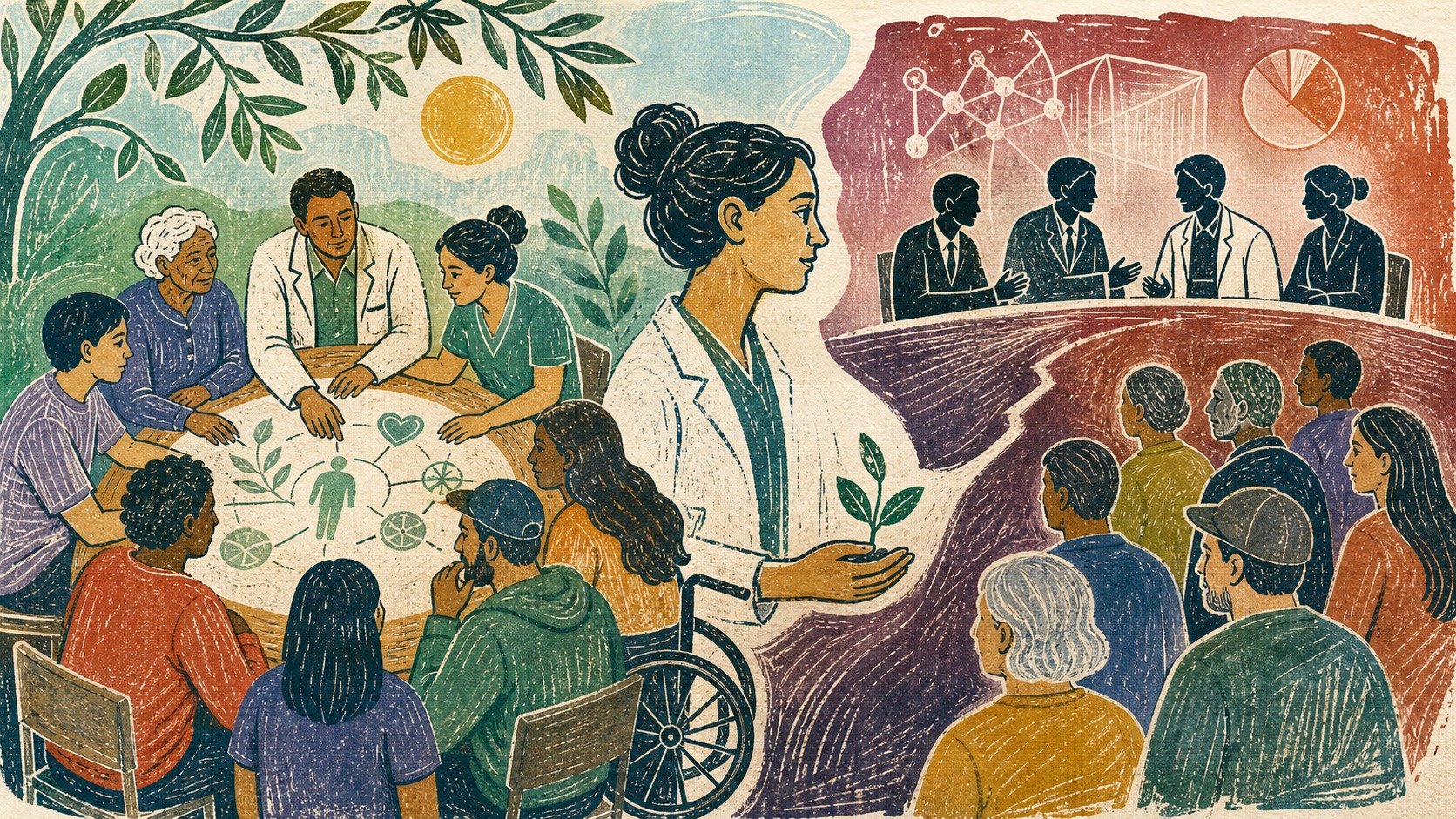
Coordinating oral health means that each person knows their role and can ask for support; it does not mean that someone monitors every action. A family, a school and nearby services can share reminders, access to water and a route to help without turning health into a test.
Coordinate without policing#
Coordinating oral health means that each person knows their role and can ask for support; it does not mean that someone monitors every action. A family, a school and nearby services can share reminders, access to water and a route to help without turning health into a test. Information from the WHO, the Spanish Ministry of Health, the General Council of Dentists and the American Dental Association supports informed conversations; it does not replace clinical assessment. The third step is a proportionate action that can happen today: set out the brush, move the routine, note a symptom or call for information. A concrete action lowers conflict and makes it possible to see whether it helps. Eating, sleeping, speaking and socialising offer clues a mirror may miss. When a person avoids food because of sensitivity, chews on one side or stops smiling from embarrassment, the effect deserves attention even without severe pain. Oral health is not a cosmetic side issue; it affects comfort, nutrition and participation. Sharing these observations with a child’s caregiver, an older relative or a dental team can reveal practical barriers before they become urgent problems. To check information and prepare questions, consult WHO, Spanish Ministry of Health, General Council of Dentists, American Dental Association. These sources support prevention and do not replace an individual assessment. Speaking about these difficulties respectfully is also care. People often offer more useful detail when they know they will not be blamed for consumption, fear or the days when the routine did not happen. The aim is not absolute certainty at home, but enough information to act with care, continuity and timely support. The next step is agreed clearly and adapted when circumstances change.
Coordinating oral health means that each person knows their role and can ask for support; it does not mean that someone monitors every action.
Begin with a visible agreement#
A useful agreement fits in one sentence: which routine will happen, when it will be reviewed and who can answer a question. Putting it on a calendar or shared note prevents decisions from relying on memory or an argument at the end of a long day. Information from the WHO, the Spanish Ministry of Health, the General Council of Dentists and the American Dental Association supports informed conversations; it does not replace clinical assessment. The fourth step is to place support around the decision: visible supplies, an alarm, available water, a supportive person or a note for the appointment. Support helps a plan survive tired days and changing schedules. A short record is more useful than an endless checklist. For seven days, note brushing time, sugary drinks between meals, bleeding, pain from zero to ten and appointments requested. At the end of the week, look for patterns rather than fault. Sensitivity may occur only after a cold drink, for example, or morning brushing may fail on early-travel days. That detail points toward a specific response: carrying a small kit, moving the alarm five minutes earlier or asking about a symptom that continues. To check information and prepare questions, consult WHO, Spanish Ministry of Health, General Council of Dentists, American Dental Association. These sources support prevention and do not replace an individual assessment. The record can include what helped: a quiet alarm, a fixed place for the brush or help from another person. Naming those resources makes them repeatable instead of crediting progress to temporary motivation. The aim is not absolute certainty at home, but enough information to act with care, continuity and timely support. The next step is agreed clearly and adapted when circumstances change.
Share responsibility fairly#
People do not have the same time, money, autonomy or access to care. Fairly sharing responsibility means adapting support: one person prepares supplies, another accompanies an appointment, and the person receiving care takes part in decisions that affect them. Information from the WHO, the Spanish Ministry of Health, the General Council of Dentists and the American Dental Association supports informed conversations; it does not replace clinical assessment. The fifth step is to return to what happened with one clear question: did the difficulty improve, stay the same or get worse? The answer shows whether to continue, simplify the plan or ask for professional assessment. Adjustment is not failure; it is learning from experience. Before buying mouthwash, an electric brush or another toothpaste, check the foundation: frequency, duration, gentle technique and reliable access to water and supplies. A tool can help, but it cannot replace an understandable routine. Where someone has active treatment, pregnancy, medicines that dry the mouth or support needs, advice should be personalised. Asking a clinician which indicator to track—plaque, gum inflammation, caries risk or interdental cleaning—avoids blind spending and makes prevention a workable agreement. To check information and prepare questions, consult WHO, Spanish Ministry of Health, General Council of Dentists, American Dental Association. These sources support prevention and do not replace an individual assessment. Appropriate advice has to fit real life. When a recommendation is too complicated, saying so at an appointment can lead to a simpler, safer version that works alongside daily responsibilities. The aim is not absolute certainty at home, but enough information to act with care, continuity and timely support. The next step is agreed clearly and adapted when circumstances change.
Link school with everyday life#
School can reinforce simple messages about water, hygiene and asking for help, but it should not invade privacy or diagnose. Respectful coordination offers general resources and directs health concerns toward family and appropriate professionals. Information from the WHO, the Spanish Ministry of Health, the General Council of Dentists and the American Dental Association supports informed conversations; it does not replace clinical assessment. A common difficulty is not solved by blame. In this case, a family separated observation from interpretation, recorded when bleeding happened and agreed on an appointment. The plan offered a practical route instead of the same argument every night. Marta noticed blood when she spat and assumed she should brush harder. At a review she learned that pressure could irritate the tissue and that gentle cleaning along the gumline mattered. For two weeks she tracked bleeding and practised with a mirror. It became less frequent but did not disappear, so she took her notes to the next appointment. Her experience offers a useful rule: improvement is good news, yet a persistent sign still deserves assessment; waiting forever is not the only option. To check information and prepare questions, consult WHO, Spanish Ministry of Health, General Council of Dentists, American Dental Association. These sources support prevention and do not replace an individual assessment. Marta’s next observation was specific: whether bleeding followed flossing or brushing. Separating those moments helped her describe the concern accurately and stopped her from changing three habits at the same time. The aim is not absolute certainty at home, but enough information to act with care, continuity and timely support. The next step is agreed clearly and adapted when circumstances change.
Use the community as an entry point#
Health centres, public dentistry, neighbourhood groups, pharmacies and social services may offer information or a first route to care. Identifying these doors before an emergency saves time when pain, fear or a financial barrier appears. Information from the WHO, the Spanish Ministry of Health, the General Council of Dentists and the American Dental Association supports informed conversations; it does not replace clinical assessment. This problem was handled in stages: record the trigger, temporarily avoid the extreme that caused pain and request assessment. The person did not have to decide the cause alone; they arrived at the appointment with useful information. Leo felt a sharp response when he drank cold milk after training. Rather than assuming it was normal, he recorded which teeth reacted, how long it lasted and whether sweet food or warmth also triggered it. He temporarily chose room-temperature water and booked an assessment. The dentist could explore the possible cause without Leo relying on a vague memory of several weeks. Changing the drink eased one situation, while the appointment made it possible to decide which care was appropriate. To check information and prepare questions, consult WHO, Spanish Ministry of Health, General Council of Dentists, American Dental Association. These sources support prevention and do not replace an individual assessment. Leo chose to keep his note with his training gear and complete it when he arrived home. Recording close to the symptom reduced forgotten details and gave him an active role in discussing his health. The aim is not absolute certainty at home, but enough information to act with care, continuity and timely support. The next step is agreed clearly and adapted when circumstances change.
Case 1: a routine carried by one person#
In one home, night brushing stopped whenever the main caregiver arrived late. The household agreed to prepare supplies, use a shared cue and divide support between two adults. The routine no longer depended on one person’s timetable. Information from the WHO, the Spanish Ministry of Health, the General Council of Dentists and the American Dental Association supports informed conversations; it does not replace clinical assessment. When fear, cost or schedules block a review, the first step may simply be finding an entry point and preparing questions. Dividing the task turns a large barrier into actions that fit a real week. A family with two children and different schedules postponed a visit because nobody knew what to ask. They made one page listing painful episodes, products used, the last brush change and each person’s questions. At the appointment they asked for a technique demonstration and agreed on a review date. They left with small tasks rather than an impossible list. Seeking help did not mean they had failed; it meant using professional experience to turn general information into decisions for their daily life. To check information and prepare questions, consult WHO, Spanish Ministry of Health, General Council of Dentists, American Dental Association. These sources support prevention and do not replace an individual assessment. Before leaving, the family photographed their list so every adult could consult it. That coordination avoided conflicting accounts and left more room to hear the clinician’s explanation without rushing. The aim is not absolute certainty at home, but enough information to act with care, continuity and timely support. The next step is agreed clearly and adapted when circumstances change.
Case 2: conflicting messages at school#
A pupil heard different advice from relatives and classmates about drinks and brushing. Her teacher did not try to settle it alone: she shared a general resource, encouraged a family conversation and suggested bringing questions to the next check-up. This protected privacy and decision-making. Information from the WHO, the Spanish Ministry of Health, the General Council of Dentists and the American Dental Association supports informed conversations; it does not replace clinical assessment. A five-step plan includes knowing its limits. If discomfort persists, limits eating or sleep, or there is swelling, fever, a sore that does not heal or an injury, the next action is to contact routine or urgent health care as appropriate. Booking an appointment is sensible for frequent bleeding, recurring pain, sensitivity that limits eating, persistent bad breath, a broken tooth, a sore that does not heal or colour changes. Swelling of the face or neck, fever with dental pain, trouble breathing or swallowing, major injury and bleeding that will not stop need urgent attention. This list does not diagnose. It helps avoid two extremes: ignoring symptoms through fear or treating every minor change as a catastrophe. When unsure, a health service can advise on the appropriate level of care. To check information and prepare questions, consult WHO, Spanish Ministry of Health, General Council of Dentists, American Dental Association. These sources support prevention and do not replace an individual assessment. When access or cost makes an appointment difficult, ask about public, university or community services. Finding an early entry point is often more manageable than waiting until pain forces a decision. The aim is not absolute certainty at home, but enough information to act with care, continuity and timely support. The next step is agreed clearly and adapted when circumstances change.
Case 3: an appointment hard to arrange#
An older neighbour delayed an appointment because transport was difficult and he did not know what to ask. A community network helped find the service, prepare a short list and arrange the trip. Support did not speak for him; it made it possible to arrive with his own priorities. Information from the WHO, the Spanish Ministry of Health, the General Council of Dentists and the American Dental Association supports informed conversations; it does not replace clinical assessment. The end of the plan is not a promise of perfection but a short, kind review. Choosing what to repeat, remove and ask next time turns difficulty into learning and keeps safety at the centre. The next month can use a ten-minute weekly check-in. Week one observes without changing anything; week two strengthens one brushing moment; week three prepares one question for an appointment; week four reviews what was workable. Choosing a personal indicator—less bleeding, more comfort, fewer sugary drinks or a booked consultation—gives the plan direction. When new signs appear, update the record and ask for advice. Sustainable prevention combines autonomy, support and decisions grounded in what is actually happening. To check information and prepare questions, consult WHO, Spanish Ministry of Health, General Council of Dentists, American Dental Association. These sources support prevention and do not replace an individual assessment. A kind plan is reviewed rather than punished. When a measure did not work, that result can shape the next attempt with less friction and professional support whenever it is needed. The aim is not absolute certainty at home, but enough information to act with care, continuity and timely support. The next step is agreed clearly and adapted when circumstances change.
Record what matters, protect what is private#
Noting a date of pain, a routine change or an unanswered question can help; sharing intimate details is not always necessary. The agreement should state what is kept, who sees it and when it is deleted, especially when children are involved. Information from the WHO, the Spanish Ministry of Health, the General Council of Dentists and the American Dental Association supports informed conversations; it does not replace clinical assessment. The first step is to pause the automatic reaction and name one problem: pain while brushing, refusal of the routine, bleeding, repeated sweet drinks or fear of an appointment. Adding date, place and trigger turns a vague worry into a situation that can be addressed without blame. The next step is agreed clearly and adapted when circumstances change.
Review the agreement without blame#
Every two or four weeks, ask what worked, what obstacle appeared and what small adjustment comes next. A kind review sustains trust, corrects unrealistic expectations and keeps prevention as a shared form of care. Information from the WHO, the Spanish Ministry of Health, the General Council of Dentists and the American Dental Association supports informed conversations; it does not replace clinical assessment. The first step is to pause the automatic reaction and name one problem: pain while brushing, refusal of the routine, bleeding, repeated sweet drinks or fear of an appointment. Adding date, place and trigger turns a vague worry into a situation that can be addressed without blame. Useful observation begins with clear questions: does chewing hurt, do gums bleed every time or only sometimes, has breath changed, does one tooth react to cold? Recording date, duration and trigger reduces uncertainty. This is not an invitation to inspect the mouth compulsively or draw conclusions from a photograph. It is a way to gather clear information for adjusting care and, when needed, describing it well at an appointment. Signs have context: a new appliance, medicine, health condition or brushing technique can alter what deserves attention. To check information and prepare questions, consult WHO, Spanish Ministry of Health, General Council of Dentists, American Dental Association. These sources support prevention and do not replace an individual assessment. At the end, choose one observation for tomorrow and leave supplies visible. That small act turns information into a checkable action and keeps care from depending on remembering a whole list at once. The aim is not absolute certainty at home, but enough information to act with care, continuity and timely support. The next step is agreed clearly and adapted when circumstances change.