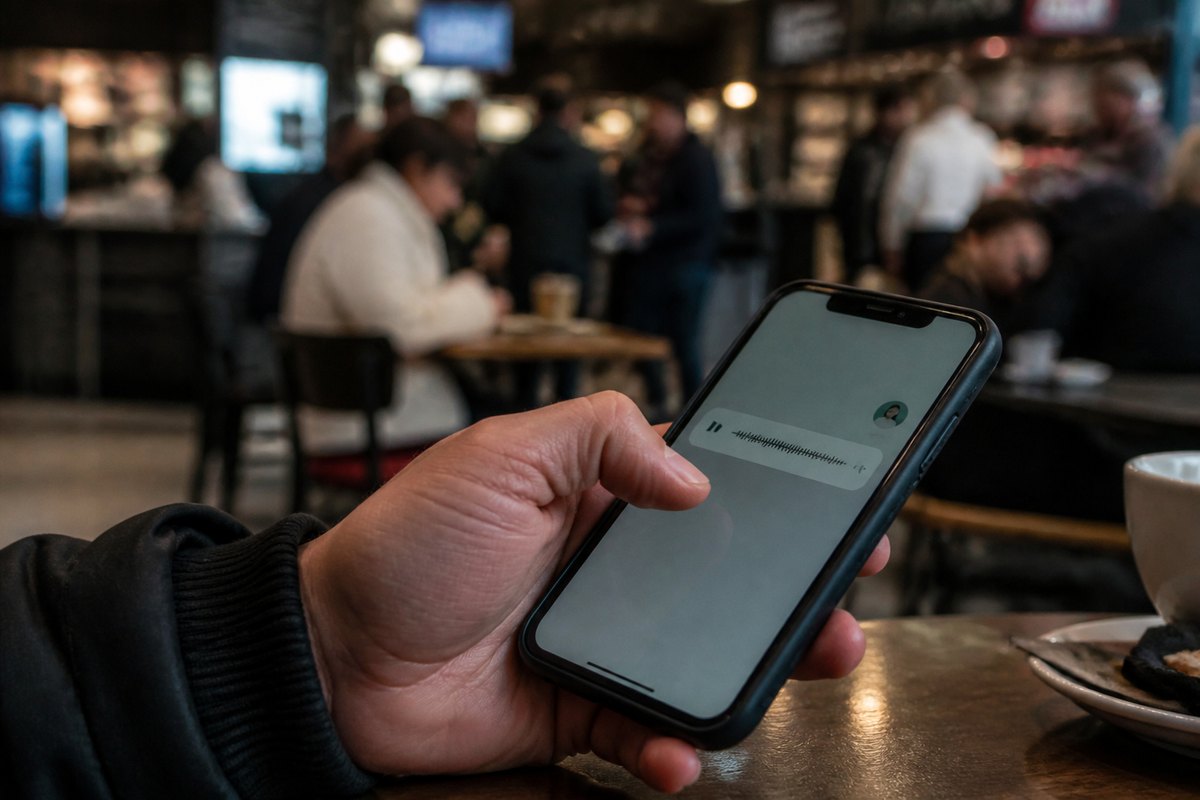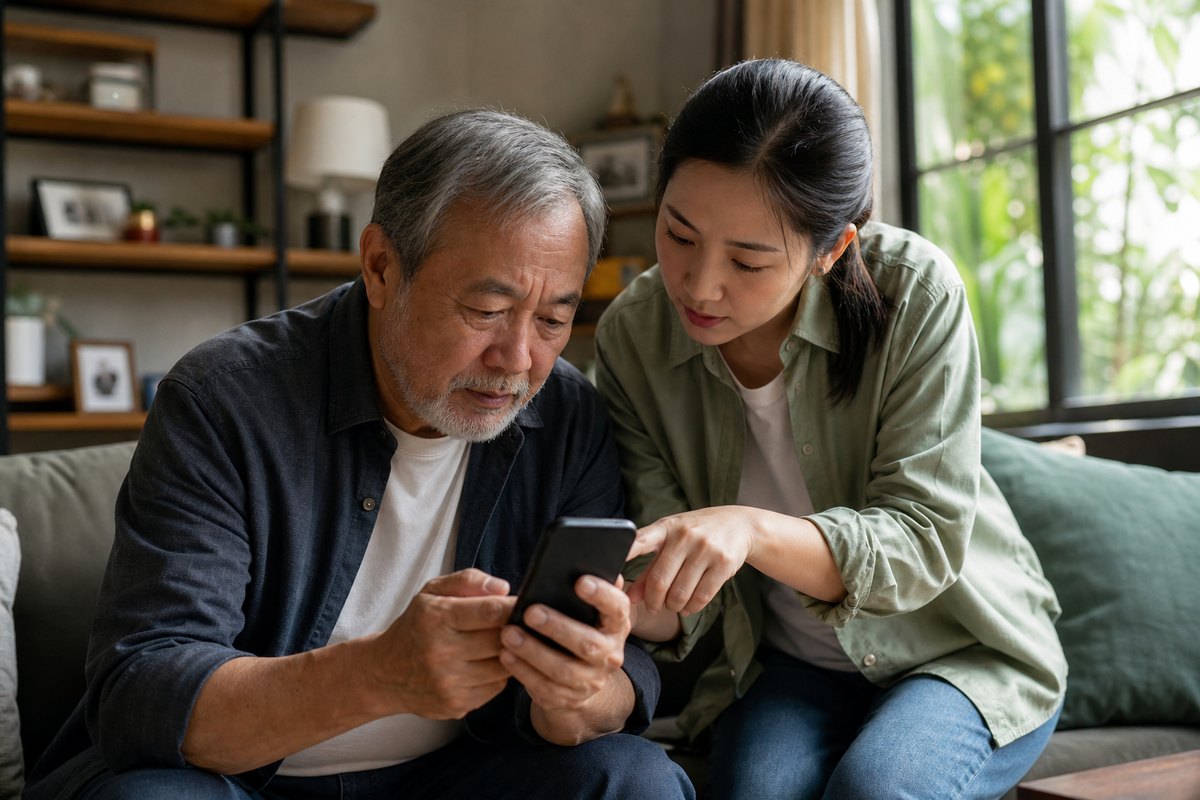
An everyday security conflict often starts before the visible incident: a shared account, an alert nobody understands, an urgent request without a confirmation channel, or a recovery process never rehearsed. Adding an application, console, or screen can provide information, but it does not replace the decisions, agreements, and care that make an activity safe. A responsible response combines prevention, understandable communication, support for affected people, and the ability to resume operations. This combination stops a small friction from becoming a crisis.
A tool is not the complete solution#
A product may filter messages, record access, or warn about a weak configuration. None of these functions decides alone who should receive an alert, what should happen when it arrives, or how an error should be repaired. When every problem receives another screen as its answer, fragmentation grows: several notifications compete for attention, data is scattered, and accountability becomes unclear. Before buying or activating a control, the specific risk, responsible person, process around the tool, and evidence that will show it works should be defined. A useful control reduces a real burden; a poorly integrated one adds work and may conceal the problem beneath attractive indicators.
A product may filter messages, record access, or warn about a weak configuration.
Habits sustain prevention#
Everyday prevention relies on repeatable practices. Keeping systems and applications updated reduces known weaknesses; using individual accounts makes access assignable and removable; protecting important accounts with appropriate verification methods limits the effect of an exposed password. It also matters to separate personal and shared matters, review permissions when a role changes, and retain only necessary information. These measures need neither drama nor permanent surveillance. They need allocated time, accessible instructions, and reviewed exceptions. An organization or household that acts only after an alert ends up living through emergencies. A short review routine, by contrast, makes security a normal part of caring for documents, communications, and services.
Communicate to clarify, not to blame#
Communication determines whether a signal becomes help. A message that accuses, uses jargon, or demands an impossible response encourages people to hide an error. Prudent communication explains what has been observed, what is not yet known, which official channel will confirm updates, and which immediate measure is proportionate. It must include people who use assistive technologies, share devices, or cannot respond quickly. Reporting an unusual message or unexpected access should be simple and free from reproach. Trust does not grow from promising that nothing will happen. It grows from knowing that a concern will be treated respectfully, without amplifying rumours or disclosing details that could enable abuse.
Case one: a community group's shared account#
A neighbourhood association uses one account for registrations, invoices, and social media. When one person stops helping, nobody remembers where the password was stored or which devices retain the session. The immediate reaction is to purchase a new monitoring dashboard. The actual conflict concerns ownership and continuity. The proportionate measure is to create named accounts, limit permissions by task, document who holds recovery responsibility, and review access when the team changes. A copy of essential data and a backup contact complete the process. New software may be useful afterwards, but it cannot resolve responsibility that was never assigned. Prevention appears when an informal agreement becomes a reviewable practice.
Case two: an alert that blocks an urgent appointment#
A service detects an unusual login and automatically locks out a person who is away from their city. The system has applied a reasonable rule, yet the lockout prevents completion of a healthcare appointment. Adding more signals to an algorithm does not guarantee a fair route forward. There must be a human, verifiable, accessible recovery route with clear timelines and records limited to what is necessary. The case should be reviewed to understand false positives and barriers, not to turn the affected person into a suspect. Security improves when account protection coexists with the ability to regain access without humiliation. Recovery is not an awkward exception; it is a requirement of responsible service.
Case three: the supplier's urgent email#
A small retailer receives an email that appears to come from a supplier and announces an urgent payment change. The message triggers a dispute: one side requests a new detection platform while another suggests ignoring all email. Neither position resolves the conflict. A simple procedure does: confirm payment changes through an already known contact, record the query, preserve the message for review, and communicate the result to the team. The confirmation channel must be selected before urgency arises and must not depend on links in the notice itself. This reduces pressure without disclosing financial information or encouraging accusations. The lesson is not to distrust every communication, but to know which independent verification fits a sensitive decision.
Recovery protects people#
Recovery is often forgotten because it does not look impressive on a dashboard. Yet it determines harm when something fails. Backups should be separated from everyday activity and checked through periodic restorations; otherwise there is only hope that a copy exists. Procedures should state which services have priority, who can authorize changes, and how an interruption will be communicated. They should also account for personal data, notification duties, and accessibility needs. Recovery does not mean returning everything to its former state without question. It means restoring essentials with evidence, retaining what is needed to learn, and preventing a rushed response from widening the impact. A calm exercise exposes dependencies no screen will reveal.
Responsible support and proportionate decisions#
People do not have the same time, knowledge, autonomy, or exposure. Responsible support therefore avoids two extremes: leaving someone alone before a technical decision or imposing a solution that removes their control. It may include a designated contact, plain-language guidance, help to recover an account, and a private channel for questions. Anyone administering a system should explain limits and consequences without invading privacy. Where children, older people, or workers handling sensitive information are involved, measures should match the risk and be subject to oversight. Trusted help is neither a back door nor an excuse to share credentials. It is a transparent agreement that reduces dependency and permits dignified action.
Review every friction after it happens#
A minor incident, false alert, or slow recovery provides an opportunity to learn. A review should ask which conditions enabled the problem, which control worked, which communication was missing, and which specific change would prevent recurrence. It does not seek to identify one person as the sole cause. A short summary can separate confirmed facts, uncertainties, impacts, and pending actions. Actions need an owner and review date: update a contact, remove a permission, rehearse a restoration, or clarify a message. Counting incidents alone does not show response quality. It is also useful to observe recovery time, questions resolved, recurring exceptions, and the ease of asking for help. Verifiable improvement is more valuable than a promise of total surveillance.
Sources for a checkable practice#
Recommendations should be checked against public, authoritative sources. ENISA provides European guidance on risk management and cybersecurity culture; CISA publishes protective practices and response resources; NIST maintains the Cybersecurity Framework and risk-management guidance; INCIBE offers support materials for people and organizations in Spain; and the AEPD explains data protection and related responsibilities. These sources do not remove the need for context, but they help distinguish grounded practice from a commercial promise. Consulting them before implementing a control makes it possible to document purpose, limitations, and the way it will be reviewed.
Before a crisis exists#
The sign of mature security is not a collection of screens, but the capacity to resolve disagreements without losing sight of people. Important assets are identified, access is reviewed, verification channels are known, and recovery has been tested. When an anomaly appears, it is communicated precisely, its impact is limited, and learning occurs without blame. Tools still have a place: they provide visibility, automate repetitive work, and preserve evidence. Their value grows when they are integrated into clear habits and responsibilities. Preparing these conditions before a crisis costs less than improvising them under pressure and offers more durable protection for everyday life.
Design a response people can use#
A plan protects only when it can be used on an ordinary day. It should remain available without depending on the service that has failed, name an alternative contact, and describe decisions in an understandable order. It is worth testing with realistic situations: a lost device, a change of responsible person, unexpected access, or doubt about a payment request. The test need not simulate attacks or collect sensitive information; it is enough to check whether contacts can be found, communication is understood, and each step has an accountable person. After the exercise, corrections should be specific. If an instruction requires absent knowledge, a telephone no longer answers, or authorization takes too long, the failure is in the process rather than in the person trying to follow it. Keeping a short list of essential services, verified contacts, and prior decisions reduces pressure. It also clarifies when external support is needed and what minimum information may be shared. Prevention then becomes a collective capability rather than a technological substitute for a difficult conversation.
Balance privacy, evidence, and learning#
Recording an incident may be necessary, but recording everything without a limit creates another risk. Responsible practice establishes which data is needed, how long it is retained, who may consult it, and how it is protected. Records must not become surveillance of private life or an archive of blame. It is better to retain relevant facts, decisions, and proportionate evidence than to accumulate screenshots, messages, or third-party data without a clear purpose. A lesson can describe patterns and improvements without exposing names, credentials, or intimate circumstances. This restraint encourages early reporting. It also allows a check of whether the selected control reduced risk or merely increased data collection. Dignified everyday security protects continuity and privacy. Information has value when it enables responsible action; beyond that purpose, accumulating it can increase harm.
Institutional and primary sources: ENISA; CISA; NIST Cybersecurity Framework; INCIBE; AEPD.