Two classrooms buy the same tablet and obtain opposite results. In one, students compare sources, explain decisions and receive teacher feedback; in the other, they complete closed exercises while the screen records correct answers. The difference is not the device but the pedagogical design. To understand how schools should face technological change, begin with one plain question: what learning do we want to happen, and what evidence will let us recognise it? Only then does it make sense to decide whether an app, a whiteboard or a notebook is the right tool.
This idea helps families, teachers and students escape two equally weak claims: “technology will fix education” and “every screen is harmful”. A digital resource can broaden access to information, provide support or enable creation that was previously difficult; it can also distract, exclude, monitor or turn a rich activity into a mechanical sequence. Its value depends on purpose, age, context, accessibility, guidance and the available alternative. Assessing those elements is harder than counting devices, but it describes what is actually happening far more accurately.
Pedagogy comes first: objective, activity and evidence#
Before opening a platform, a teaching team should complete three sentences: “by the end, students will be able to…”, “they will practise this by…” and “we will know they understand when…”. If the goal is argument, copying a generated answer does not demonstrate learning; comparing explanations, finding errors and defending a conclusion can. If the goal is collaboration, distributing individual questions through an app is not enough either. Technology must support the intellectual activity being sought, not replace it with clicks that are easy to count.
Before opening a platform, a teaching team should complete three sentences: “by the end, students will be able to…”, “they will practise this by…” and “we will know they understand when…”.
Useful planning separates content, process and product. Content is what is learned; process means the mental and social actions required; product is the observable evidence. A tool is chosen because it improves one component without damaging the others. Audio may let a dyslexic student access a complex source, but assessment should check understanding rather than reading speed. A simulator allows hypotheses to be tested, provided students later explain results in their own words and compare them with reality. Accommodation and intellectual challenge can, and should, coexist.
What happens when the tool disappears also matters. A sound learning sequence does not depend completely on a brand, an account or a stable connection. Teachers need a simple alternative, and students must retain essential capabilities: asking questions, reading carefully, calculating, writing, discussing and revising. This “power-off test” reveals hidden dependencies. If a lesson becomes impossible without signing in, infrastructure may have displaced method; if the resource merely adds valuable options, its use is easier to defend.
What families can observe without becoming technicians#
Parents do not need to audit software to ask good questions. Invite a child to show one task and ask: “What were you learning?”, “Which part did you decide?”, “How did you know it was right?” and “What did the teacher do with your work?” The answers reveal more than isolated screen-hour totals. A teenager might spend forty minutes editing a video that requires planning, synthesis and revision, or ten minutes copying a solution. Time, purpose and degree of autonomy need to be read together.
Families can also watch for friction: homework requiring unexpected personal accounts, nighttime notifications, advertising, pressure to purchase a version, data that cannot be downloaded or an inaccessible interface. Document the specific example and approach the school with curiosity: what objective does the tool meet, what data does it collect, how long is it retained, what alternative exists and how was the tool evaluated? A conversation centred on practices is usually more productive than an argument over whether “screens” are good or bad.
When school use invades rest and family life, boundaries should be coordinated with the school. It is unreasonable to request disconnection at home while sending assessed notifications at any hour. A communication window can be agreed, notifications muted, and device-free space protected during meals and sleep. Students should understand the rule and help review it. The aim is not to police every minute but to build habits that distinguish study, leisure, rest and availability to other people.
The professional work required from a school#
Adopting technology does not end with purchasing licences. It requires a small trial, training linked to real tasks, accessible assistance and a review date. During a pilot, collect evidence: work quality, participation, teacher time, incidents, accessibility and the experience of different groups. An average may conceal that a system helps highly independent pupils while obstructing those who share a device, are learning the language or need support. A decision must examine how benefits and burdens are distributed, not only whether the software operated.
The European DigCompEdu framework is valuable because it places teachers' digital competence beyond technical operation: it covers selecting resources, teaching, assessment, empowering learners and developing their digital competence. It can serve as a conversation map, not a checklist for blame. A school might choose one practice each term — accessible feedback, for example — observe it among peers and share examples. Sustainable improvement grows from small, supported cycles rather than one presentation about every feature.
Leadership must make responsibilities explicit. Someone needs to check privacy, security, accessibility, commercial terms and the ability to export work; someone must answer pedagogical incidents; and someone must be empowered to suspend a tool if it causes harm. Consent does not repair an unnecessarily invasive design, and accepting lengthy terms does not make a minor responsible for an institutional decision. Schools should collect only necessary data, give understandable information and avoid making grades depend on surrendering optional personal information.
Artificial intelligence: support without surrendering thought#
Generative AI exposes the central problem clearly. Always banning it prevents students from learning to examine it; allowing every use makes authorship opaque. A workable rule distinguishes moments. AI can generate questions, compare drafts or provide an alternative explanation, but not replace the evidence currently being assessed. A student states which tool was used, what was requested, what was accepted, what was rejected and how claims were verified. The teacher makes part of the process observable through conversation, outlines, sources, revision or an oral defence.
Verification must be taught explicitly. Students need to trace a claim to a reliable source, check date and context, distinguish evidence from opinion, and recognise when something cannot be confirmed. Adding “check the answer” to instructions is insufficient. Teachers model a verification aloud and provide criteria. For personal data, health, conflict or intimate images, the boundary is firmer: do not enter identifiable information and seek adult help. Knowing when to stop is itself digital competence, not a failure to use technology.
Equity, accessibility and the right to an alternative#
The same assignment can impose very different costs. Some households have one computer per person; others share a phone or connection. Some students read an interface comfortably; others need a screen reader, captions, keyboard navigation or additional time. Before making a tool compulsory, a school should test accessibility and provide devices, connectivity and support without stigma. The alternative cannot be an inferior worksheet or a penalty: it must allow the learner to reach the same objective and demonstrate the same learning through another route.
The UNESCO Global Education Monitoring Report on technology in education stresses that technology should serve learners and that benefits are not automatic. This changes the purchasing question from “what can the product do?” to “which demonstrated educational problem does it solve here, for whom and at what cost?” It also requires independent evidence, sustainability, maintenance and vendor dependence to be considered. An impressive demonstration is not the same thing as an everyday improvement, especially when local conditions differ from the sales setting.
A decision protocol for a classroom or school#
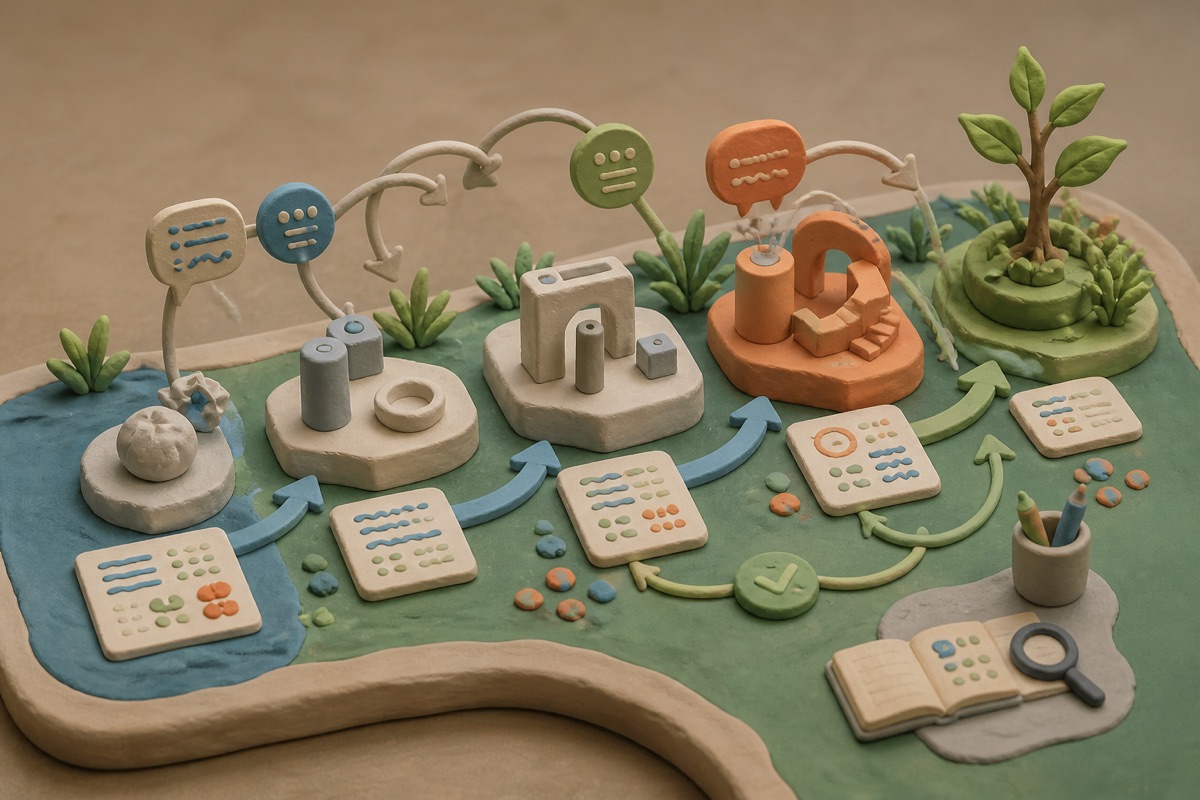
First, describe the problem without naming a solution. Second, specify the learning outcome and evidence. Third, compare digital and non-digital options. Fourth, review privacy, accessibility, cost, support and exit. Fifth, trial with a small group and tell families the purpose and duration. Sixth, collect outcomes and experiences, including dropouts and incidents. Seventh, decide whether to retain, modify or withdraw. The European Commission's Digital Education Action Plan provides broader context for building effective digital ecosystems and capabilities.
A short rubric can score five questions from zero to two: alignment with the objective, student cognitive activity, accessibility, protection of rights and evidence of improvement. A low score does not always require rejection; it shows which condition needs attention first. Add two open questions: “Who is left out?” and “What will we do if it fails?” Recording the answer and reviewing it after six weeks turns a technological preference into a professional decision capable of learning from experience.
When to seek help and how to talk#
A concern should be escalated when an application exposes data, contacts minors without control, blocks assessment because of access problems, enables harassment, persistently damages sleep or demands undisclosed payments. Families preserve screenshots and dates, avoid sharing other pupils' data, and contact the tutor or digital coordinator first; the school responds with a named person and deadline. If there is immediate danger, bullying or sexual content, the relevant safeguarding protocol should be activated rather than holding an informal argument in the class chat.
Students deserve a genuine voice. They can explain which functions help, where time is lost, which instructions confuse them and what strategies support concentration. Listening does not mean transferring safety responsibility to them or accepting every preference. It means adding lived experience to an adult decision. A short meeting using concrete examples — one well-learned piece of work and one mechanical task — will usually produce better agreements than a broad survey asking whether students like technology.
The idea worth keeping#
Schools do not need to choose between past and future, but between practices that foster learning and practices that merely imitate it. Paper, conversation, laboratories, video, calculators and AI are media with possibilities and limits. The expert question remains: what will students do, what will they understand, how will they demonstrate it, who might be excluded and how will we correct course? When families and schools share those questions, technology stops being a symbol of either modernity or threat and becomes a tool governed by purpose, evidence and care.