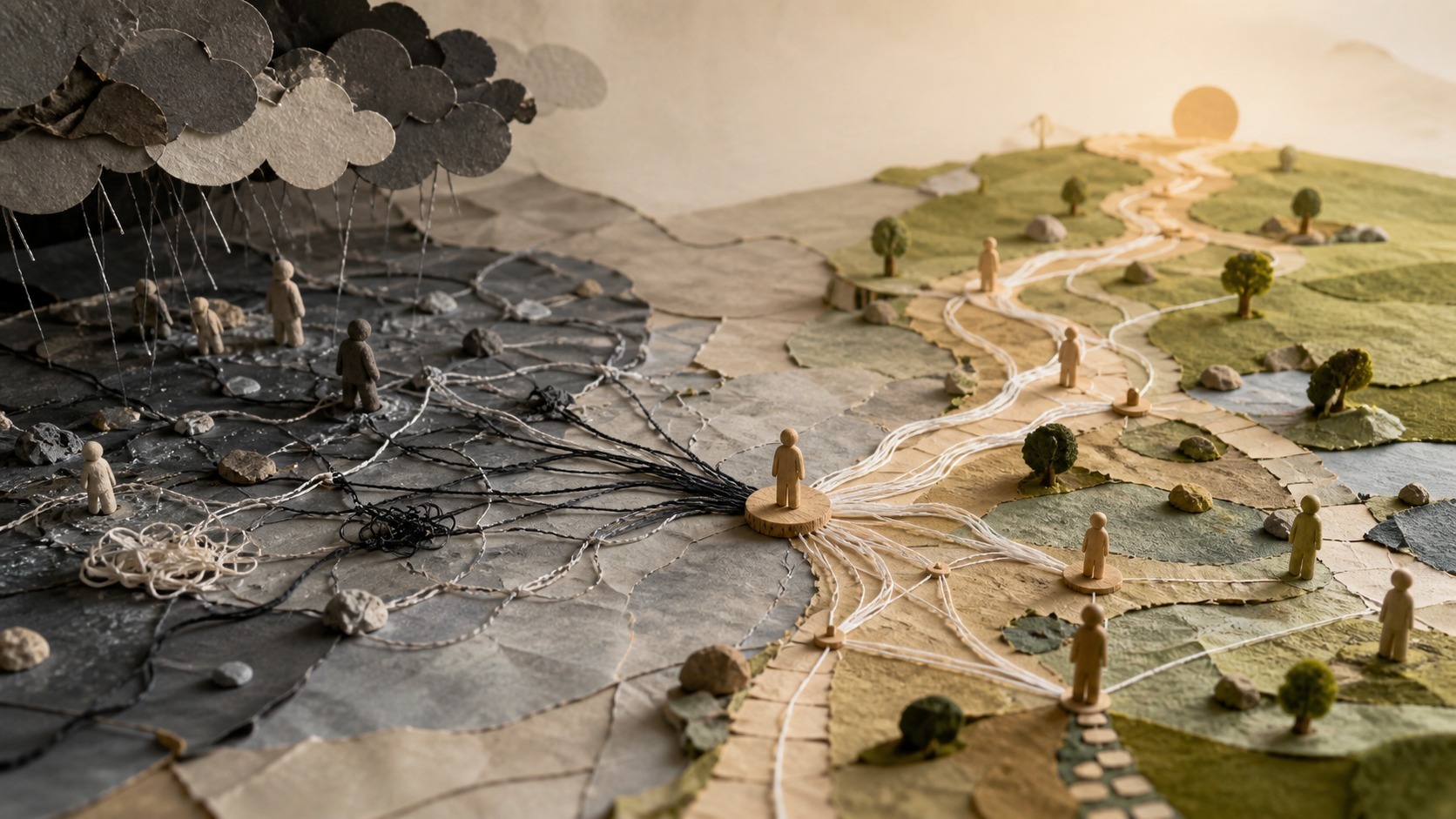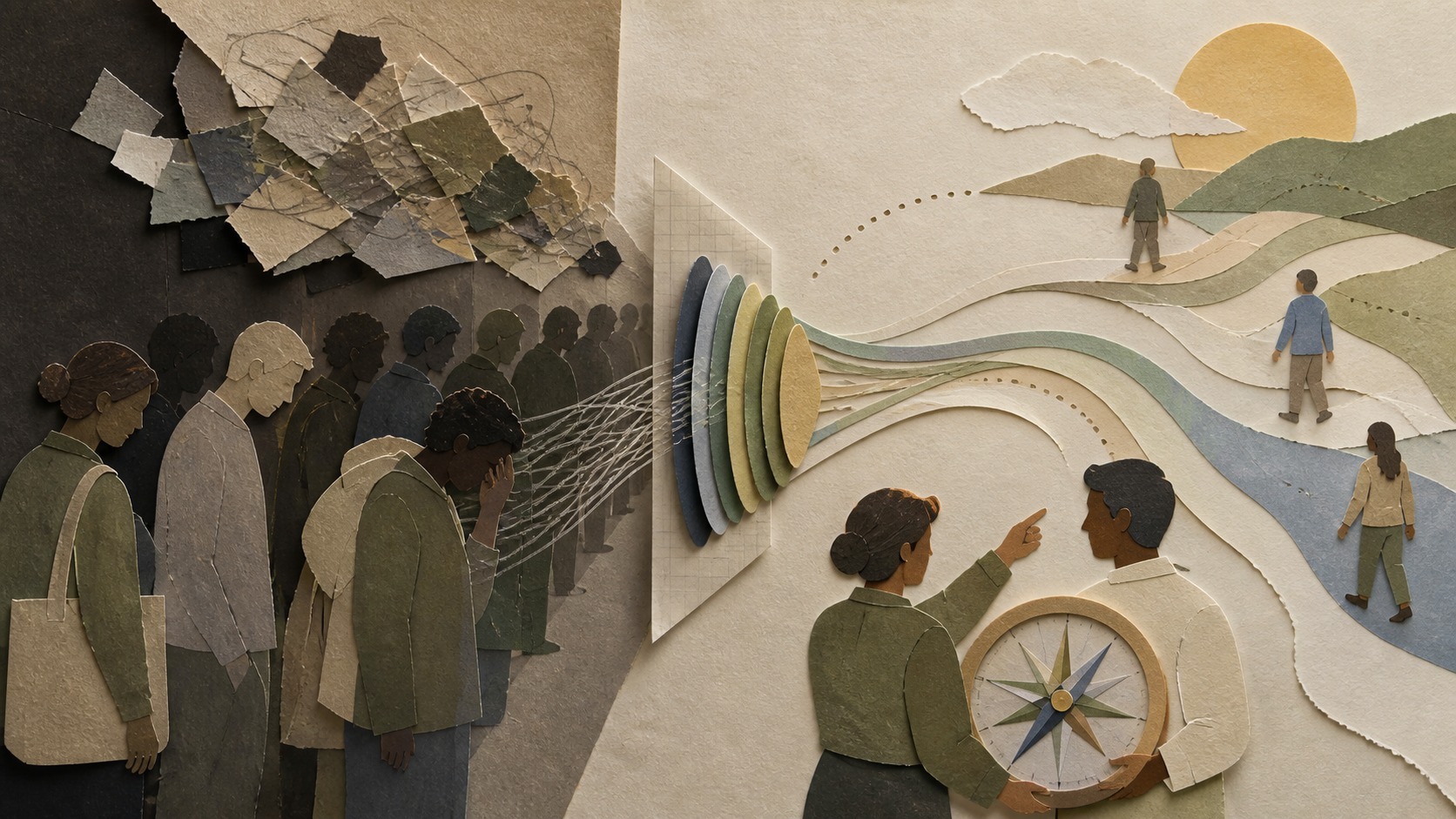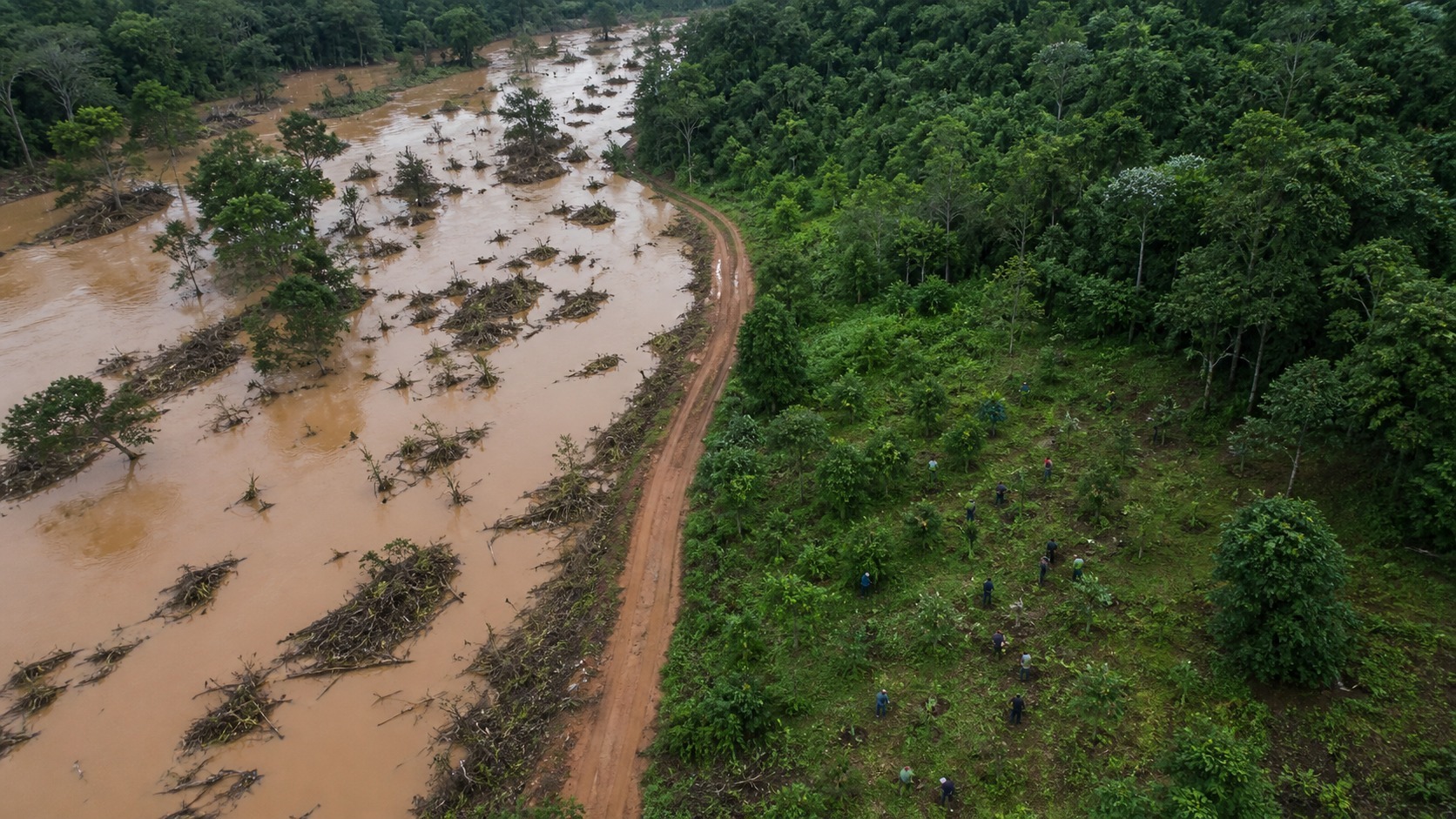
The programming meeting looked easy. A cultural centre wanted to use a tool to suggest activities to newsletter subscribers. The technical lead saw a way to sort proposals; the community mediator feared the suggestions would repeat the same audiences; a visitor asked why the system assumed what she wanted based on her age. For a while, every intervention sounded like an obstacle. Then someone drew four columns on a wall: what is disputed, who carries the error, what evidence is missing, and what is not automated yet. Disagreement stopped being an interruption and became a working map.
AI projects often seek consensus too early. A smooth demonstration creates the impression that critical questions delay an obvious solution. Yet quick agreement can hide the fact that people are describing different problems. A designer may think about accuracy; a public-facing worker about explanations; a recipient about whether they retain a route when the recommendation does not fit. None of those views is enough alone. Naming disagreement does not mean every opinion has equal weight in a sensitive decision. It means the organization knows what it is choosing and which risk it is leaving unresolved.
Making the context clear#
A disagreement map starts by avoiding oversized words. Instead of writing “bias concern,” write a scene: “the course suggestion offers no schedule for someone working afternoons.” Rather than “lack of transparency,” say: “a person does not know why they received this invitation or where to turn it off.” Scenes force attention to consequences instead of empty principles. They also help locate whether the issue belongs to the model, the data, the interface, a service rule, or an expectation no one made explicit.
A disagreement map starts by avoiding oversized words. Instead of writing “bias concern,” write a scene: “the course suggestion offers no schedule for someone working afternoons.”
The second column asks who pays for an error. A poor recommendation may be a small annoyance when it suggests an uninteresting film. It is different when it sorts support requests, changes an appointment, or decides which information a family receives. Cost is not shared evenly. Someone with time, digital confidence, and familiarity may correct a screen or make a complaint. Someone without those resources may accept an unfair result because they assume there is no alternative. Looking at who carries repair helps determine which uses require mandatory human review and which may remain reversible suggestions.
What changes in practice#
The third column collects missing evidence. A team can leave paralysis through small tests: five anonymised cases, a session with service users, a comparison between automated recommendations and professional judgement, or a change log. Evidence is not an excuse to delay a decision forever. It identifies the question that needs an answer before use expands. If a test shows the same group repeatedly bears a problem, there is no need to wait for a perfect metric before setting a boundary.
The final column is the most important: what is not automated yet. Saying “not yet” is not an innovation failure. A centre may use AI to sort frequent questions without letting it send communications about a grant. An association may prepare internal summaries without allowing it to classify urgency. This is a scope decision that protects people while the team learns whether a responsible form of continuation exists.
Deciding with information#
The map works best when it includes voices that usually arrive late. A reception worker knows where forms cause people to stop; a translator notices a word that shifts meaning; a participant can explain why a notification felt invasive. This is not a request for intimate testimony to justify a risk already decided. It is a conversation in which concrete experience can change design. The meeting must return something: an answer to the concern, a visible change, or an honest explanation of why a proposal was not adopted.
Healthy disagreement must be separated from conflict that should not be resolved at a shared table. Where there is violence, discrimination, harassment, a power imbalance, or highly sensitive information, the affected person does not have to debate the decision-maker in order to prove a problem exists. The protection procedure should start and shared information should be limited. A disagreement map helps govern a tool; it does not replace a formal route for repair or a duty of care.
Reviewing and adjusting#
A consumer cooperative used this approach before testing a query classifier. The technical team wanted shorter response times; service staff warned that some questions mixed a billing incident with economic distress. The map produced a clear rule: the system could suggest labels but could never close a query or determine priority when words about service disconnection, debt, or threat appeared. During the pilot, the exception occurred more often than expected. Instead of changing the threshold to perform efficiency, the cooperative strengthened the human shift. The map did not eliminate disagreement; it stopped it from being hidden behind a productivity number.
Before the next deployment, one hour and an empty wall may be enough. Write five decisions the tool could influence and, for each, find one plausible harmful scene, one person who would carry repair, one missing piece of evidence, and one current limit. Then choose a small action: test, change, ask, or do not automate. Keep the map with the project and return to it when an incident occurs. Good judgement is not producing elegant consensus. It is preserving the disagreements that reveal what a bright interface tends to hide.
A map needs a date. Without an agreed review, initial caution can become a forgotten list and initial enthusiasm can harden without evidence. A return date makes it possible to ask whether evidence changed, whether an exception became routine, or whether a limit remains necessary. The options are not only continue or cancel: a team can keep a pilot, narrow it, change the task, open a new consultation, or stop a feature. A mature decision does not defend the original plan. It explains why the current plan still cares better for affected people.
Not every question must be settled before work begins, but every uncertainty should leave a trace. If a team decides to test a tool despite an unresolved risk, it should write down what that risk is, who will revisit it, and what finding would require a change of direction. This discipline keeps a known risk from later becoming a convenient surprise. It also lets new colleagues understand why a boundary exists and how they can propose reviewing it without replaying the entire debate.
A review date can also return a voice to people absent from the first meeting. Before reopening the map, a team can ask an affected person and someone who handles incidents to read two anonymised cases. The point is not to obtain a ceremonial approval. It is to test whether the disagreement was described fairly and whether the cost of correction still falls on the same side. A useful map changes when better reasons appear; it does not merely preserve the signature of the people who first drew it.
This practice creates a durable distinction between consultation and delegation. Consultation brings experience into a decision while the accountable team remains responsible for acting on what it learns. Delegation would ask affected people to solve the design problem with no authority, time, or support. Naming the distinction protects participation from becoming unpaid repair work. It also makes the next decision clearer: the team can state which proposal changed, which uncertainty remains, and when those living with its consequences will be able to question it again.