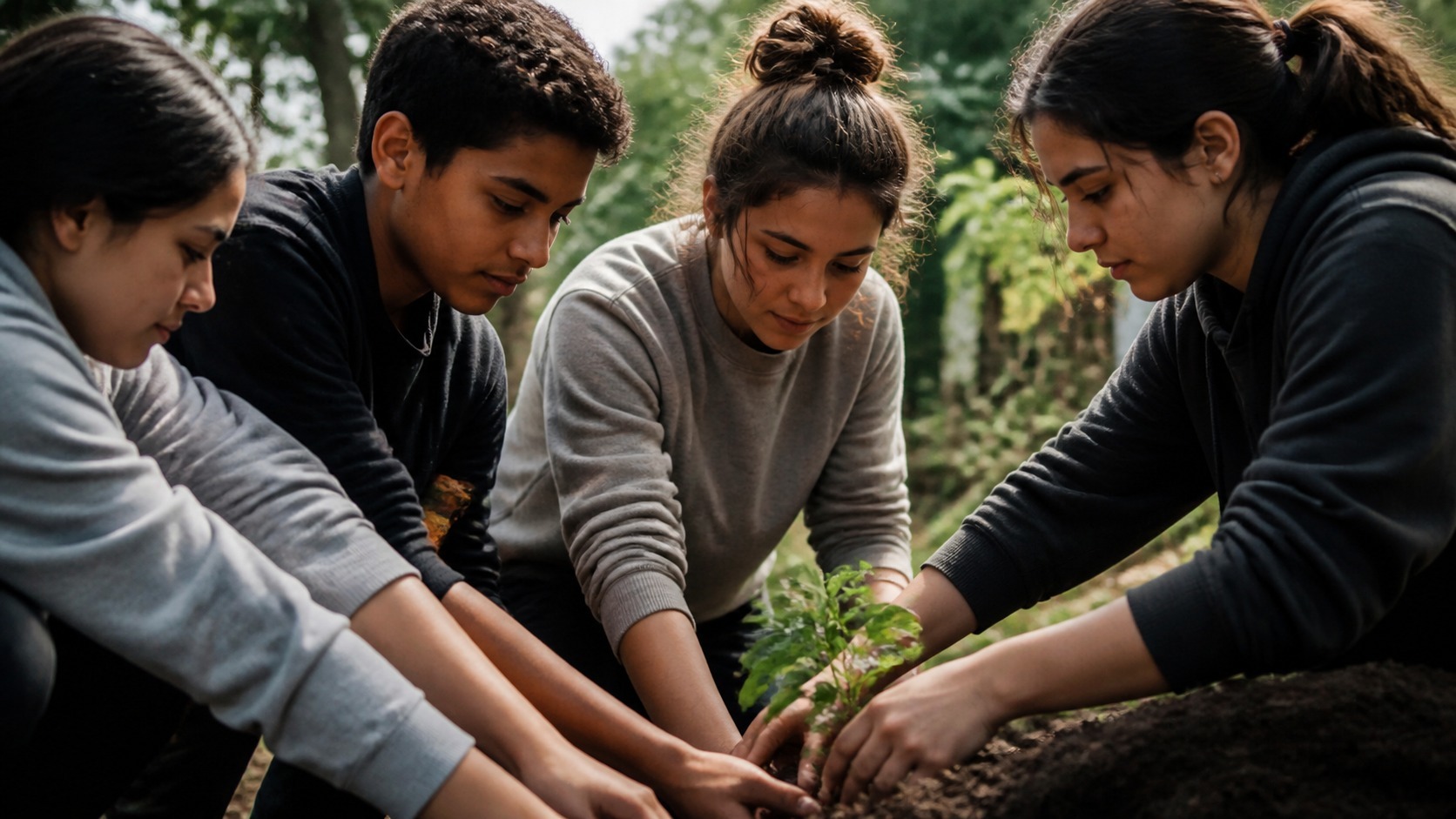
A small business can care for its community without promising the impossible: listen to one specific need, run a low-risk test, explain its limits, and review the outcome with affected people. That approach turns responsibility into everyday decisions that protect the time, money, and trust of customers, staff, and neighbours.
Begin with a verifiable need#
Community is not a slogan or a uniform audience. Before starting an initiative, observe what problem is happening, who is affected, and which part the business can address without replacing public services. A short counter conversation, an accessible survey, and records of repeated questions are often enough to frame a practical question: what small change would make this service easier to use safely and with dignity?
Community is not a slogan or a uniform audience. Before starting an initiative, observe what problem is happening, who is affected, and which part the business can address without replacing public services.
A realistic plan with ownership and limits#
A responsible plan names a contact person, review date, maximum budget, and route for reporting problems. It also states what it cannot solve. A café, for instance, can share information on support resources during a heatwave, but it cannot diagnose or manage an emergency; it should direct people to health and emergency services. Clarity prevents a good intention from becoming a confusing promise.
Three adaptable cases#
Case 1: a bookshop notices that older customers do not know whether an event needs registration; it adds phone information, reserves places by call, and counts repeated questions. Case 2: a neighbourhood shop agrees a weekly quiet hour with staff, announces it in advance, and asks whether it improves access for people with sensory sensitivity. Case 3: a repair workshop publishes indicative prices, repair conditions, and a process for correcting mistakes, then reviews disputes without exposing personal data. Each case is limited, reversible, and assessed through evidence.
Clear, accessible, respectful information#
Responsibility also appears in how information is collected and shared. Asking only for necessary data, explaining its purpose, offering a non-digital route, and replying within a reasonable time reduce barriers. Guidance from the Spanish Data Protection Agency supports personal-data handling; W3C accessibility guidance supports understandable signs, forms, and web pages; and consumer-protection guidance helps businesses state prices and conditions without misleading small print.
Questions that turn an incident into learning#
A review should separate facts from interpretations: which notice was sent, who could open it, which deadline applied, what alternative was offered, and what effect followed. Precise questions prevent diffuse blame. The team can record a response date, responsible contact, and confidential route for completing information without requiring anyone to master a digital tool.
Repair before closing#
Repair can mean reopening a deadline, correcting data, arranging an appointment, or explaining a decision in plain language. Case 1: an inaccessible link excluded an application; the council reopened the process and tested the form with screen-reader users. Case 2: an automatic category incorrectly flagged families; the school corrected data and added human review. Case 3: a library simplified a form and measured fewer help calls.
Start with a shared purpose#
An agreement should start with a simple question: which real problem is being solved, and for whom. It may concern reporting an absence, applying for a grant, booking educational support, or learning about a municipal activity. When the purpose is written in one sentence, it is easier to prevent a platform from collecting irrelevant data or sending contradictory messages. Set a verifiable outcome, a review date, and a named contact person.
Families, schools, libraries, social services, and councils work better together when each party knows its boundary. A school can explain educational processes; a family can provide context and consent where appropriate; a public service must identify its basis, deadline, and complaint channel. Important decisions should not be delegated to a messaging group. A short responsibility chart reduces misunderstanding and protects trust.
Before opening a tool, decide which data are essential, who can consult them, how long they are kept, and how they are deleted. An email address does not authorise sharing diagnoses, grades, or family documents. An institutional account, role-based permissions, and a change log offer stronger safeguards than forwarding screenshots. People must also be told how to access, correct, or request restriction of the use of their information.
Clear notices prevent inequality from being hidden behind an automated notification. Every message should state what happened, what action is expected, by when, what follows from no response, and where support is available. Language should be direct, translatable, and readable on a phone. Testing a draft with a family and a community-support worker before sending it exposes questions a technical team may not see.
Public technology can never be the only door. An in-person appointment, telephone line, support office, accessible form, or library mediation keeps a service universal. The agreement should explain how to request that alternative without having to justify a lack of device, connectivity, or digital skills. Once an incident is recorded, a deadline must not count against someone who reported it in time and requested a workable route.
Name responsibilities without mixing roles#
An agreement should start with a simple question: which real problem is being solved, and for whom. It may concern reporting an absence, applying for a grant, booking educational support, or learning about a municipal activity. When the purpose is written in one sentence, it is easier to prevent a platform from collecting irrelevant data or sending contradictory messages. Set a verifiable outcome, a review date, and a named contact person.
Families, schools, libraries, social services, and councils work better together when each party knows its boundary. A school can explain educational processes; a family can provide context and consent where appropriate; a public service must identify its basis, deadline, and complaint channel. Important decisions should not be delegated to a messaging group. A short responsibility chart reduces misunderstanding and protects trust.
Before opening a tool, decide which data are essential, who can consult them, how long they are kept, and how they are deleted. An email address does not authorise sharing diagnoses, grades, or family documents. An institutional account, role-based permissions, and a change log offer stronger safeguards than forwarding screenshots. People must also be told how to access, correct, or request restriction of the use of their information.
Clear notices prevent inequality from being hidden behind an automated notification. Every message should state what happened, what action is expected, by when, what follows from no response, and where support is available. Language should be direct, translatable, and readable on a phone. Testing a draft with a family and a community-support worker before sending it exposes questions a technical team may not see.
Public technology can never be the only door. An in-person appointment, telephone line, support office, accessible form, or library mediation keeps a service universal. The agreement should explain how to request that alternative without having to justify a lack of device, connectivity, or digital skills. Once an incident is recorded, a deadline must not count against someone who reported it in time and requested a workable route.
Agree on minimum data and safe channels#
An agreement should start with a simple question: which real problem is being solved, and for whom. It may concern reporting an absence, applying for a grant, booking educational support, or learning about a municipal activity. When the purpose is written in one sentence, it is easier to prevent a platform from collecting irrelevant data or sending contradictory messages. Set a verifiable outcome, a review date, and a named contact person.
Families, schools, libraries, social services, and councils work better together when each party knows its boundary. A school can explain educational processes; a family can provide context and consent where appropriate; a public service must identify its basis, deadline, and complaint channel. Important decisions should not be delegated to a messaging group. A short responsibility chart reduces misunderstanding and protects trust.
Before opening a tool, decide which data are essential, who can consult them, how long they are kept, and how they are deleted. An email address does not authorise sharing diagnoses, grades, or family documents. An institutional account, role-based permissions, and a change log offer stronger safeguards than forwarding screenshots. People must also be told how to access, correct, or request restriction of the use of their information.
Clear notices prevent inequality from being hidden behind an automated notification. Every message should state what happened, what action is expected, by when, what follows from no response, and where support is available. Language should be direct, translatable, and readable on a phone. Testing a draft with a family and a community-support worker before sending it exposes questions a technical team may not see.
Public technology can never be the only door. An in-person appointment, telephone line, support office, accessible form, or library mediation keeps a service universal. The agreement should explain how to request that alternative without having to justify a lack of device, connectivity, or digital skills. Once an incident is recorded, a deadline must not count against someone who reported it in time and requested a workable route.
Design notices people can understand#
An agreement should start with a simple question: which real problem is being solved, and for whom. It may concern reporting an absence, applying for a grant, booking educational support, or learning about a municipal activity. When the purpose is written in one sentence, it is easier to prevent a platform from collecting irrelevant data or sending contradictory messages. Set a verifiable outcome, a review date, and a named contact person.
Families, schools, libraries, social services, and councils work better together when each party knows its boundary. A school can explain educational processes; a family can provide context and consent where appropriate; a public service must identify its basis, deadline, and complaint channel. Important decisions should not be delegated to a messaging group. A short responsibility chart reduces misunderstanding and protects trust.
Before opening a tool, decide which data are essential, who can consult them, how long they are kept, and how they are deleted. An email address does not authorise sharing diagnoses, grades, or family documents. An institutional account, role-based permissions, and a change log offer stronger safeguards than forwarding screenshots. People must also be told how to access, correct, or request restriction of the use of their information.
Clear notices prevent inequality from being hidden behind an automated notification. Every message should state what happened, what action is expected, by when, what follows from no response, and where support is available. Language should be direct, translatable, and readable on a phone. Testing a draft with a family and a community-support worker before sending it exposes questions a technical team may not see.
Public technology can never be the only door. An in-person appointment, telephone line, support office, accessible form, or library mediation keeps a service universal. The agreement should explain how to request that alternative without having to justify a lack of device, connectivity, or digital skills. Once an incident is recorded, a deadline must not count against someone who reported it in time and requested a workable route.
Guarantee non-digital alternatives#
An agreement should start with a simple question: which real problem is being solved, and for whom. It may concern reporting an absence, applying for a grant, booking educational support, or learning about a municipal activity. When the purpose is written in one sentence, it is easier to prevent a platform from collecting irrelevant data or sending contradictory messages. Set a verifiable outcome, a review date, and a named contact person.
Families, schools, libraries, social services, and councils work better together when each party knows its boundary. A school can explain educational processes; a family can provide context and consent where appropriate; a public service must identify its basis, deadline, and complaint channel. Important decisions should not be delegated to a messaging group. A short responsibility chart reduces misunderstanding and protects trust.
Before opening a tool, decide which data are essential, who can consult them, how long they are kept, and how they are deleted. An email address does not authorise sharing diagnoses, grades, or family documents. An institutional account, role-based permissions, and a change log offer stronger safeguards than forwarding screenshots. People must also be told how to access, correct, or request restriction of the use of their information.
Clear notices prevent inequality from being hidden behind an automated notification. Every message should state what happened, what action is expected, by when, what follows from no response, and where support is available. Language should be direct, translatable, and readable on a phone. Testing a draft with a family and a community-support worker before sending it exposes questions a technical team may not see.
Public technology can never be the only door. An in-person appointment, telephone line, support office, accessible form, or library mediation keeps a service universal. The agreement should explain how to request that alternative without having to justify a lack of device, connectivity, or digital skills. Once an incident is recorded, a deadline must not count against someone who reported it in time and requested a workable route.
Prepare explainable automated decisions#
An agreement should start with a simple question: which real problem is being solved, and for whom. It may concern reporting an absence, applying for a grant, booking educational support, or learning about a municipal activity. When the purpose is written in one sentence, it is easier to prevent a platform from collecting irrelevant data or sending contradictory messages. Set a verifiable outcome, a review date, and a named contact person.
Families, schools, libraries, social services, and councils work better together when each party knows its boundary. A school can explain educational processes; a family can provide context and consent where appropriate; a public service must identify its basis, deadline, and complaint channel. Important decisions should not be delegated to a messaging group. A short responsibility chart reduces misunderstanding and protects trust.
Before opening a tool, decide which data are essential, who can consult them, how long they are kept, and how they are deleted. An email address does not authorise sharing diagnoses, grades, or family documents. An institutional account, role-based permissions, and a change log offer stronger safeguards than forwarding screenshots. People must also be told how to access, correct, or request restriction of the use of their information.
Clear notices prevent inequality from being hidden behind an automated notification. Every message should state what happened, what action is expected, by when, what follows from no response, and where support is available. Language should be direct, translatable, and readable on a phone. Testing a draft with a family and a community-support worker before sending it exposes questions a technical team may not see.
Public technology can never be the only door. An in-person appointment, telephone line, support office, accessible form, or library mediation keeps a service universal. The agreement should explain how to request that alternative without having to justify a lack of device, connectivity, or digital skills. Once an incident is recorded, a deadline must not count against someone who reported it in time and requested a workable route.
Include accessibility from the first meeting#
An agreement should start with a simple question: which real problem is being solved, and for whom. It may concern reporting an absence, applying for a grant, booking educational support, or learning about a municipal activity. When the purpose is written in one sentence, it is easier to prevent a platform from collecting irrelevant data or sending contradictory messages. Set a verifiable outcome, a review date, and a named contact person.
Families, schools, libraries, social services, and councils work better together when each party knows its boundary. A school can explain educational processes; a family can provide context and consent where appropriate; a public service must identify its basis, deadline, and complaint channel. Important decisions should not be delegated to a messaging group. A short responsibility chart reduces misunderstanding and protects trust.
Before opening a tool, decide which data are essential, who can consult them, how long they are kept, and how they are deleted. An email address does not authorise sharing diagnoses, grades, or family documents. An institutional account, role-based permissions, and a change log offer stronger safeguards than forwarding screenshots. People must also be told how to access, correct, or request restriction of the use of their information.
Clear notices prevent inequality from being hidden behind an automated notification. Every message should state what happened, what action is expected, by when, what follows from no response, and where support is available. Language should be direct, translatable, and readable on a phone. Testing a draft with a family and a community-support worker before sending it exposes questions a technical team may not see.
Public technology can never be the only door. An in-person appointment, telephone line, support office, accessible form, or library mediation keeps a service universal. The agreement should explain how to request that alternative without having to justify a lack of device, connectivity, or digital skills. Once an incident is recorded, a deadline must not count against someone who reported it in time and requested a workable route.
Create an incident protocol#
An agreement should start with a simple question: which real problem is being solved, and for whom. It may concern reporting an absence, applying for a grant, booking educational support, or learning about a municipal activity. When the purpose is written in one sentence, it is easier to prevent a platform from collecting irrelevant data or sending contradictory messages. Set a verifiable outcome, a review date, and a named contact person.
Families, schools, libraries, social services, and councils work better together when each party knows its boundary. A school can explain educational processes; a family can provide context and consent where appropriate; a public service must identify its basis, deadline, and complaint channel. Important decisions should not be delegated to a messaging group. A short responsibility chart reduces misunderstanding and protects trust.
Before opening a tool, decide which data are essential, who can consult them, how long they are kept, and how they are deleted. An email address does not authorise sharing diagnoses, grades, or family documents. An institutional account, role-based permissions, and a change log offer stronger safeguards than forwarding screenshots. People must also be told how to access, correct, or request restriction of the use of their information.
Clear notices prevent inequality from being hidden behind an automated notification. Every message should state what happened, what action is expected, by when, what follows from no response, and where support is available. Language should be direct, translatable, and readable on a phone. Testing a draft with a family and a community-support worker before sending it exposes questions a technical team may not see.
Public technology can never be the only door. An in-person appointment, telephone line, support office, accessible form, or library mediation keeps a service universal. The agreement should explain how to request that alternative without having to justify a lack of device, connectivity, or digital skills. Once an incident is recorded, a deadline must not count against someone who reported it in time and requested a workable route.
Review deadlines and urgent situations#
An agreement should start with a simple question: which real problem is being solved, and for whom. It may concern reporting an absence, applying for a grant, booking educational support, or learning about a municipal activity. When the purpose is written in one sentence, it is easier to prevent a platform from collecting irrelevant data or sending contradictory messages. Set a verifiable outcome, a review date, and a named contact person.
Families, schools, libraries, social services, and councils work better together when each party knows its boundary. A school can explain educational processes; a family can provide context and consent where appropriate; a public service must identify its basis, deadline, and complaint channel. Important decisions should not be delegated to a messaging group. A short responsibility chart reduces misunderstanding and protects trust.
Before opening a tool, decide which data are essential, who can consult them, how long they are kept, and how they are deleted. An email address does not authorise sharing diagnoses, grades, or family documents. An institutional account, role-based permissions, and a change log offer stronger safeguards than forwarding screenshots. People must also be told how to access, correct, or request restriction of the use of their information.
Clear notices prevent inequality from being hidden behind an automated notification. Every message should state what happened, what action is expected, by when, what follows from no response, and where support is available. Language should be direct, translatable, and readable on a phone. Testing a draft with a family and a community-support worker before sending it exposes questions a technical team may not see.
Public technology can never be the only door. An in-person appointment, telephone line, support office, accessible form, or library mediation keeps a service universal. The agreement should explain how to request that alternative without having to justify a lack of device, connectivity, or digital skills. Once an incident is recorded, a deadline must not count against someone who reported it in time and requested a workable route.
Learn from three concrete cases#
Case 1. A mother received a grant notice only through an app she could not open. The school confirmed the incident, the municipal office registered the request by phone, and the deadline remained open. Case 2. A secondary school shared documents through an informal group; after review, it moved to a permission-based space and explained rights to families. Case 3. A library found that a form failed with a screen reader, offered assistance, and published the planned correction date.
Measure whether the agreement works#
An agreement should start with a simple question: which real problem is being solved, and for whom. It may concern reporting an absence, applying for a grant, booking educational support, or learning about a municipal activity. When the purpose is written in one sentence, it is easier to prevent a platform from collecting irrelevant data or sending contradictory messages. Set a verifiable outcome, a review date, and a named contact person.
Families, schools, libraries, social services, and councils work better together when each party knows its boundary. A school can explain educational processes; a family can provide context and consent where appropriate; a public service must identify its basis, deadline, and complaint channel. Important decisions should not be delegated to a messaging group. A short responsibility chart reduces misunderstanding and protects trust.
Before opening a tool, decide which data are essential, who can consult them, how long they are kept, and how they are deleted. An email address does not authorise sharing diagnoses, grades, or family documents. An institutional account, role-based permissions, and a change log offer stronger safeguards than forwarding screenshots. People must also be told how to access, correct, or request restriction of the use of their information.
Clear notices prevent inequality from being hidden behind an automated notification. Every message should state what happened, what action is expected, by when, what follows from no response, and where support is available. Language should be direct, translatable, and readable on a phone. Testing a draft with a family and a community-support worker before sending it exposes questions a technical team may not see.
Public technology can never be the only door. An in-person appointment, telephone line, support office, accessible form, or library mediation keeps a service universal. The agreement should explain how to request that alternative without having to justify a lack of device, connectivity, or digital skills. Once an incident is recorded, a deadline must not count against someone who reported it in time and requested a workable route.
Sources for a responsible review#
To check these agreements, consult the Spanish Data Protection Agency, the Ministry for Digital Transformation and Public Administration, the Ministry of Education, Vocational Training and Sports, the Royal Board on Disability, the Spanish Ombudsman, and the competent local authority. Always verify current requirements on official websites.