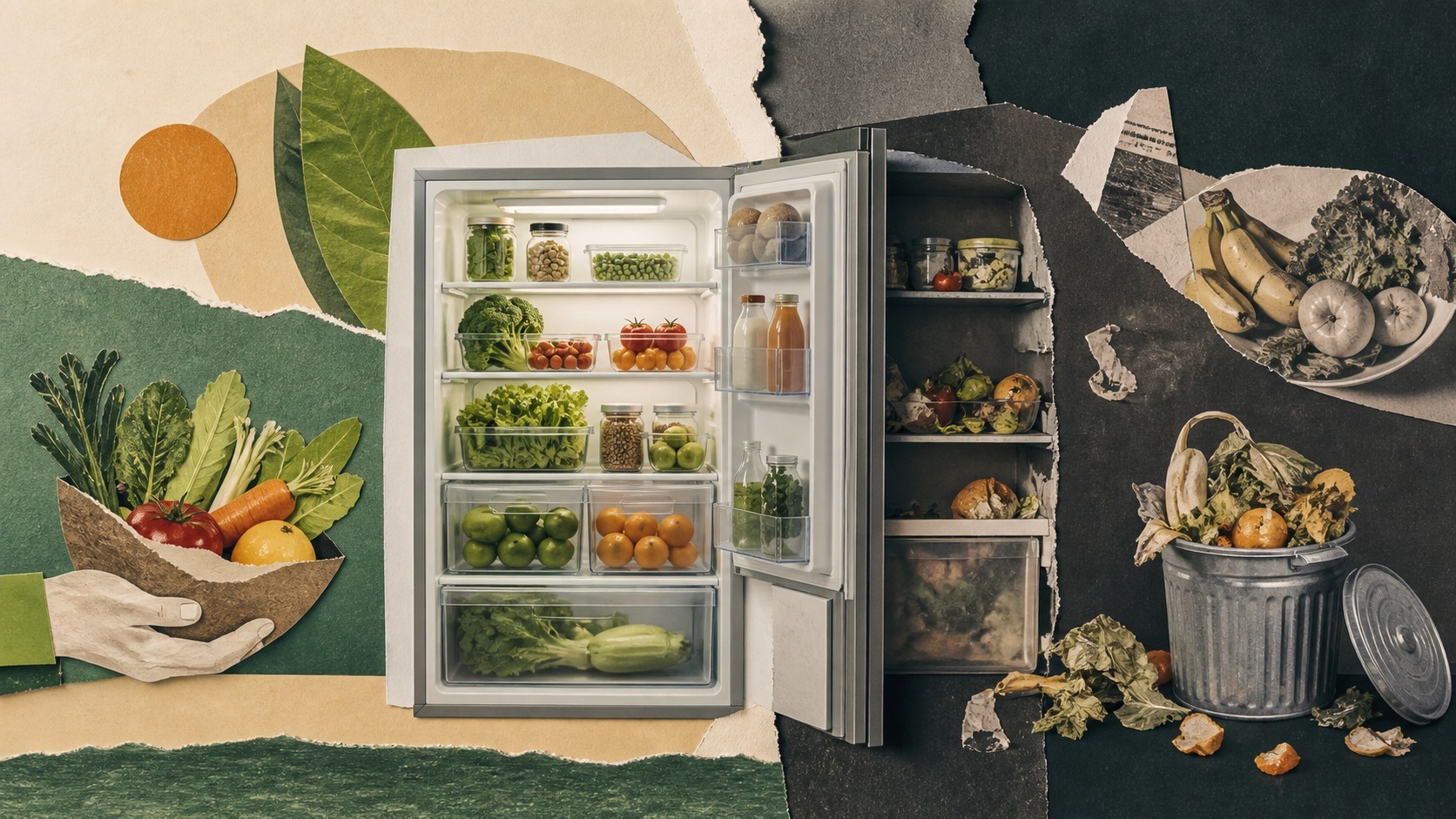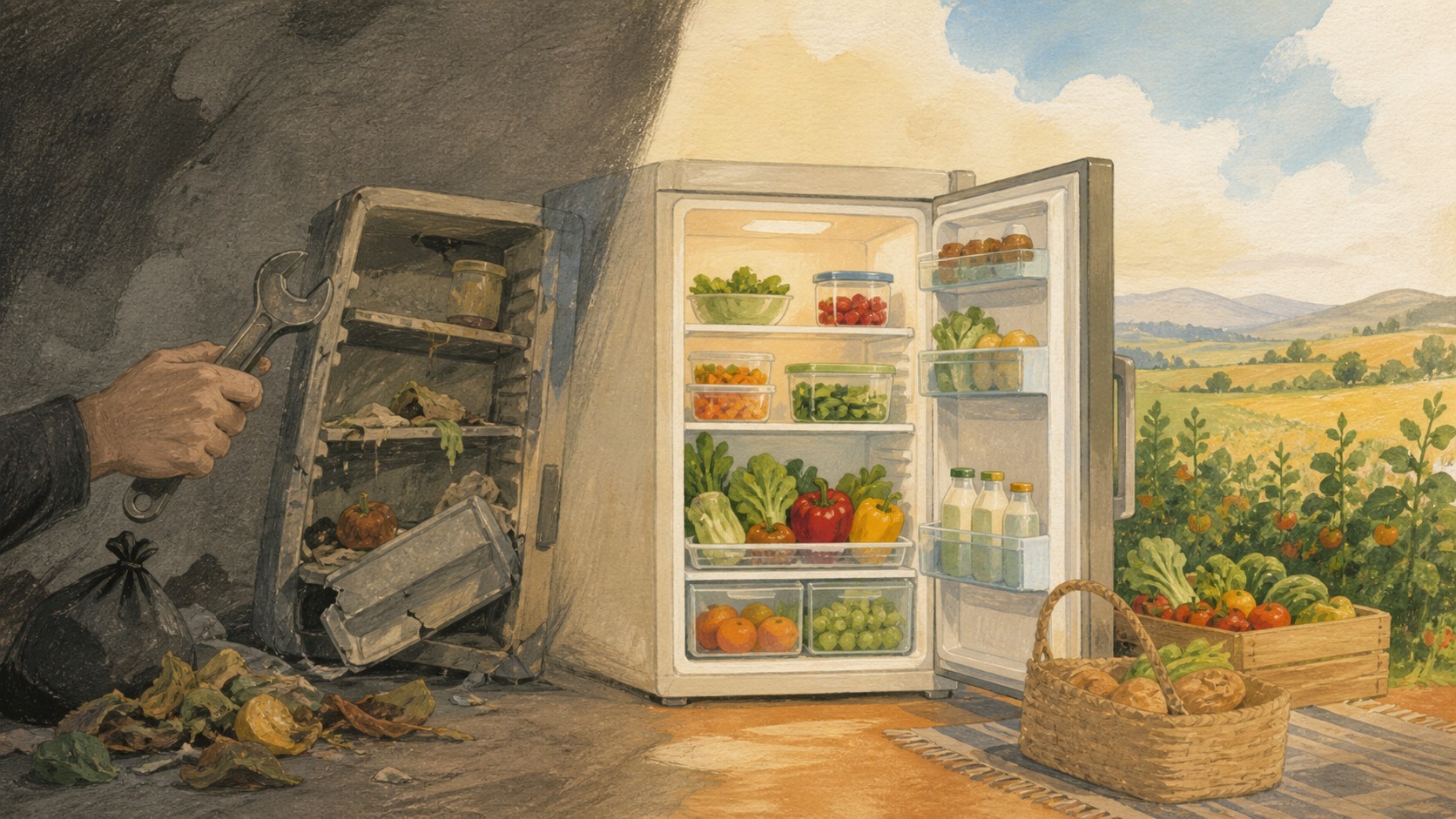
Ethical consumption does not require a perfect life or expensive choices. It means noticing what we buy, use, and discard so that the next step respects a budget, other people, and the environment.
Deciding what enough means#
A realistic decision begins with a specific situation, not with a label. In this area, choose one ordinary moment and make a list before leaving home. Name the need, the money available, the time involved, and the effect of choosing again next week. This turns a broad value into an observable habit and leaves room for changing course when the result is inconvenient.
A realistic decision begins with a specific situation, not with a label. In this area, choose one ordinary moment and make a list before leaving home.
Useful information is concrete. Before deciding, keep a receipt and note what worked and distinguish a verified fact from an attractive claim. Price matters, but so do maintenance, transport, waste, accessibility, and the people affected along the way. A small note on the phone can record the reason for the choice, making the next decision easier rather than more restrictive.
Set a proportionate next step: reuse what is already at home first, then review it after use. The aim is not purity or a catalogue of forbidden products; it is a practice that can be sustained with real schedules and responsibilities. If an option is not possible today, identify the barrier and keep one question for the next purchase.
Starting with one frequent purchase#
A realistic decision begins with a specific situation, not with a label. In this area, choose one ordinary moment and compare two alternatives that solve the same need. Name the need, the money available, the time involved, and the effect of choosing again next week. This turns a broad value into an observable habit and leaves room for changing course when the result is inconvenient.
Useful information is concrete. Before deciding, consult a public source before sharing data or accepting an offer and distinguish a verified fact from an attractive claim. Price matters, but so do maintenance, transport, waste, accessibility, and the people affected along the way. A small note on the phone can record the reason for the choice, making the next decision easier rather than more restrictive.
Set a proportionate next step: delay a non-urgent purchase for twenty-four hours, then review it after use. The aim is not purity or a catalogue of forbidden products; it is a practice that can be sustained with real schedules and responsibilities. If an option is not possible today, identify the barrier and keep one question for the next purchase.
Reading information without getting lost#
A realistic decision begins with a specific situation, not with a label. In this area, choose one ordinary moment and ask about lifespan, origin, or repairability. Name the need, the money available, the time involved, and the effect of choosing again next week. This turns a broad value into an observable habit and leaves room for changing course when the result is inconvenient.
Useful information is concrete. Before deciding, reuse what is already at home first and distinguish a verified fact from an attractive claim. Price matters, but so do maintenance, transport, waste, accessibility, and the people affected along the way. A small note on the phone can record the reason for the choice, making the next decision easier rather than more restrictive.
Set a proportionate next step: talk with someone close about a shared option, then review it after use. The aim is not purity or a catalogue of forbidden products; it is a practice that can be sustained with real schedules and responsibilities. If an option is not possible today, identify the barrier and keep one question for the next purchase.
Budget and everyday consistency#
A realistic decision begins with a specific situation, not with a label. In this area, choose one ordinary moment and keep a receipt and note what worked. Name the need, the money available, the time involved, and the effect of choosing again next week. This turns a broad value into an observable habit and leaves room for changing course when the result is inconvenient.
Useful information is concrete. Before deciding, delay a non-urgent purchase for twenty-four hours and distinguish a verified fact from an attractive claim. Price matters, but so do maintenance, transport, waste, accessibility, and the people affected along the way. A small note on the phone can record the reason for the choice, making the next decision easier rather than more restrictive.
Set a proportionate next step: make a list before leaving home, then review it after use. The aim is not purity or a catalogue of forbidden products; it is a practice that can be sustained with real schedules and responsibilities. If an option is not possible today, identify the barrier and keep one question for the next purchase.
Durability, repair, and a second life#
A realistic decision begins with a specific situation, not with a label. In this area, choose one ordinary moment and consult a public source before sharing data or accepting an offer. Name the need, the money available, the time involved, and the effect of choosing again next week. This turns a broad value into an observable habit and leaves room for changing course when the result is inconvenient.
Useful information is concrete. Before deciding, talk with someone close about a shared option and distinguish a verified fact from an attractive claim. Price matters, but so do maintenance, transport, waste, accessibility, and the people affected along the way. A small note on the phone can record the reason for the choice, making the next decision easier rather than more restrictive.
Set a proportionate next step: compare two alternatives that solve the same need, then review it after use. The aim is not purity or a catalogue of forbidden products; it is a practice that can be sustained with real schedules and responsibilities. If an option is not possible today, identify the barrier and keep one question for the next purchase.
Food with a wider view#
A realistic decision begins with a specific situation, not with a label. In this area, choose one ordinary moment and reuse what is already at home first. Name the need, the money available, the time involved, and the effect of choosing again next week. This turns a broad value into an observable habit and leaves room for changing course when the result is inconvenient.
Useful information is concrete. Before deciding, make a list before leaving home and distinguish a verified fact from an attractive claim. Price matters, but so do maintenance, transport, waste, accessibility, and the people affected along the way. A small note on the phone can record the reason for the choice, making the next decision easier rather than more restrictive.
Set a proportionate next step: ask about lifespan, origin, or repairability, then review it after use. The aim is not purity or a catalogue of forbidden products; it is a practice that can be sustained with real schedules and responsibilities. If an option is not possible today, identify the barrier and keep one question for the next purchase.
Energy and household use#
A realistic decision begins with a specific situation, not with a label. In this area, choose one ordinary moment and delay a non-urgent purchase for twenty-four hours. Name the need, the money available, the time involved, and the effect of choosing again next week. This turns a broad value into an observable habit and leaves room for changing course when the result is inconvenient.
Useful information is concrete. Before deciding, compare two alternatives that solve the same need and distinguish a verified fact from an attractive claim. Price matters, but so do maintenance, transport, waste, accessibility, and the people affected along the way. A small note on the phone can record the reason for the choice, making the next decision easier rather than more restrictive.
Set a proportionate next step: keep a receipt and note what worked, then review it after use. The aim is not purity or a catalogue of forbidden products; it is a practice that can be sustained with real schedules and responsibilities. If an option is not possible today, identify the barrier and keep one question for the next purchase.
Technology worth keeping#
A realistic decision begins with a specific situation, not with a label. In this area, choose one ordinary moment and talk with someone close about a shared option. Name the need, the money available, the time involved, and the effect of choosing again next week. This turns a broad value into an observable habit and leaves room for changing course when the result is inconvenient.
Useful information is concrete. Before deciding, ask about lifespan, origin, or repairability and distinguish a verified fact from an attractive claim. Price matters, but so do maintenance, transport, waste, accessibility, and the people affected along the way. A small note on the phone can record the reason for the choice, making the next decision easier rather than more restrictive.
Set a proportionate next step: consult a public source before sharing data or accepting an offer, then review it after use. The aim is not purity or a catalogue of forbidden products; it is a practice that can be sustained with real schedules and responsibilities. If an option is not possible today, identify the barrier and keep one question for the next purchase.
Clothes and personal items#
A realistic decision begins with a specific situation, not with a label. In this area, choose one ordinary moment and make a list before leaving home. Name the need, the money available, the time involved, and the effect of choosing again next week. This turns a broad value into an observable habit and leaves room for changing course when the result is inconvenient.
Useful information is concrete. Before deciding, keep a receipt and note what worked and distinguish a verified fact from an attractive claim. Price matters, but so do maintenance, transport, waste, accessibility, and the people affected along the way. A small note on the phone can record the reason for the choice, making the next decision easier rather than more restrictive.
Set a proportionate next step: reuse what is already at home first, then review it after use. The aim is not purity or a catalogue of forbidden products; it is a practice that can be sustained with real schedules and responsibilities. If an option is not possible today, identify the barrier and keep one question for the next purchase.
Mobility and trip decisions#
A realistic decision begins with a specific situation, not with a label. In this area, choose one ordinary moment and compare two alternatives that solve the same need. Name the need, the money available, the time involved, and the effect of choosing again next week. This turns a broad value into an observable habit and leaves room for changing course when the result is inconvenient.
Useful information is concrete. Before deciding, consult a public source before sharing data or accepting an offer and distinguish a verified fact from an attractive claim. Price matters, but so do maintenance, transport, waste, accessibility, and the people affected along the way. A small note on the phone can record the reason for the choice, making the next decision easier rather than more restrictive.
Set a proportionate next step: delay a non-urgent purchase for twenty-four hours, then review it after use. The aim is not purity or a catalogue of forbidden products; it is a practice that can be sustained with real schedules and responsibilities. If an option is not possible today, identify the barrier and keep one question for the next purchase.
Gifts, celebrations, and social pressure#
A realistic decision begins with a specific situation, not with a label. In this area, choose one ordinary moment and ask about lifespan, origin, or repairability. Name the need, the money available, the time involved, and the effect of choosing again next week. This turns a broad value into an observable habit and leaves room for changing course when the result is inconvenient.
Useful information is concrete. Before deciding, reuse what is already at home first and distinguish a verified fact from an attractive claim. Price matters, but so do maintenance, transport, waste, accessibility, and the people affected along the way. A small note on the phone can record the reason for the choice, making the next decision easier rather than more restrictive.
Set a proportionate next step: talk with someone close about a shared option, then review it after use. The aim is not purity or a catalogue of forbidden products; it is a practice that can be sustained with real schedules and responsibilities. If an option is not possible today, identify the barrier and keep one question for the next purchase.
Advertising, impulses, and waiting time#
A realistic decision begins with a specific situation, not with a label. In this area, choose one ordinary moment and keep a receipt and note what worked. Name the need, the money available, the time involved, and the effect of choosing again next week. This turns a broad value into an observable habit and leaves room for changing course when the result is inconvenient.
Useful information is concrete. Before deciding, delay a non-urgent purchase for twenty-four hours and distinguish a verified fact from an attractive claim. Price matters, but so do maintenance, transport, waste, accessibility, and the people affected along the way. A small note on the phone can record the reason for the choice, making the next decision easier rather than more restrictive.
Set a proportionate next step: make a list before leaving home, then review it after use. The aim is not purity or a catalogue of forbidden products; it is a practice that can be sustained with real schedules and responsibilities. If an option is not possible today, identify the barrier and keep one question for the next purchase.
Three cases to put the plan into action#
A realistic decision begins with a specific situation, not with a label. In this area, choose one ordinary moment and consult a public source before sharing data or accepting an offer. Name the need, the money available, the time involved, and the effect of choosing again next week. This turns a broad value into an observable habit and leaves room for changing course when the result is inconvenient.
Useful information is concrete. Before deciding, talk with someone close about a shared option and distinguish a verified fact from an attractive claim. Price matters, but so do maintenance, transport, waste, accessibility, and the people affected along the way. A small note on the phone can record the reason for the choice, making the next decision easier rather than more restrictive.
Set a proportionate next step: compare two alternatives that solve the same need, then review it after use. The aim is not purity or a catalogue of forbidden products; it is a practice that can be sustained with real schedules and responsibilities. If an option is not possible today, identify the barrier and keep one question for the next purchase.
Reviewing the plan without turning it into blame#
A realistic decision begins with a specific situation, not with a label. In this area, choose one ordinary moment and reuse what is already at home first. Name the need, the money available, the time involved, and the effect of choosing again next week. This turns a broad value into an observable habit and leaves room for changing course when the result is inconvenient.
Useful information is concrete. Before deciding, make a list before leaving home and distinguish a verified fact from an attractive claim. Price matters, but so do maintenance, transport, waste, accessibility, and the people affected along the way. A small note on the phone can record the reason for the choice, making the next decision easier rather than more restrictive.
Set a proportionate next step: ask about lifespan, origin, or repairability, then review it after use. The aim is not purity or a catalogue of forbidden products; it is a practice that can be sustained with real schedules and responsibilities. If an option is not possible today, identify the barrier and keep one question for the next purchase.
Fuentes y conversación informada#
The Ministry for Ecological Transition, the Institute for Energy Diversification and Saving, the Spanish consumer and food-safety agency, the European Commission, consumer organisations, and municipal waste services publish guidance that helps people check commercial claims and consumer rights.
Case one: Marta needs a bottle for work and compares a reusable bottle with several single-use ones for a month; she calculates the cost, tests cleaning, and keeps the option she actually uses. Case two: Oscar receives a phone offer, checks whether the battery can be replaced, and chooses to repair his current device after requesting a quote. Case three: Leila hosts a family meal, buys measured quantities, offers containers for leftovers, and records what remained to improve the next celebration.