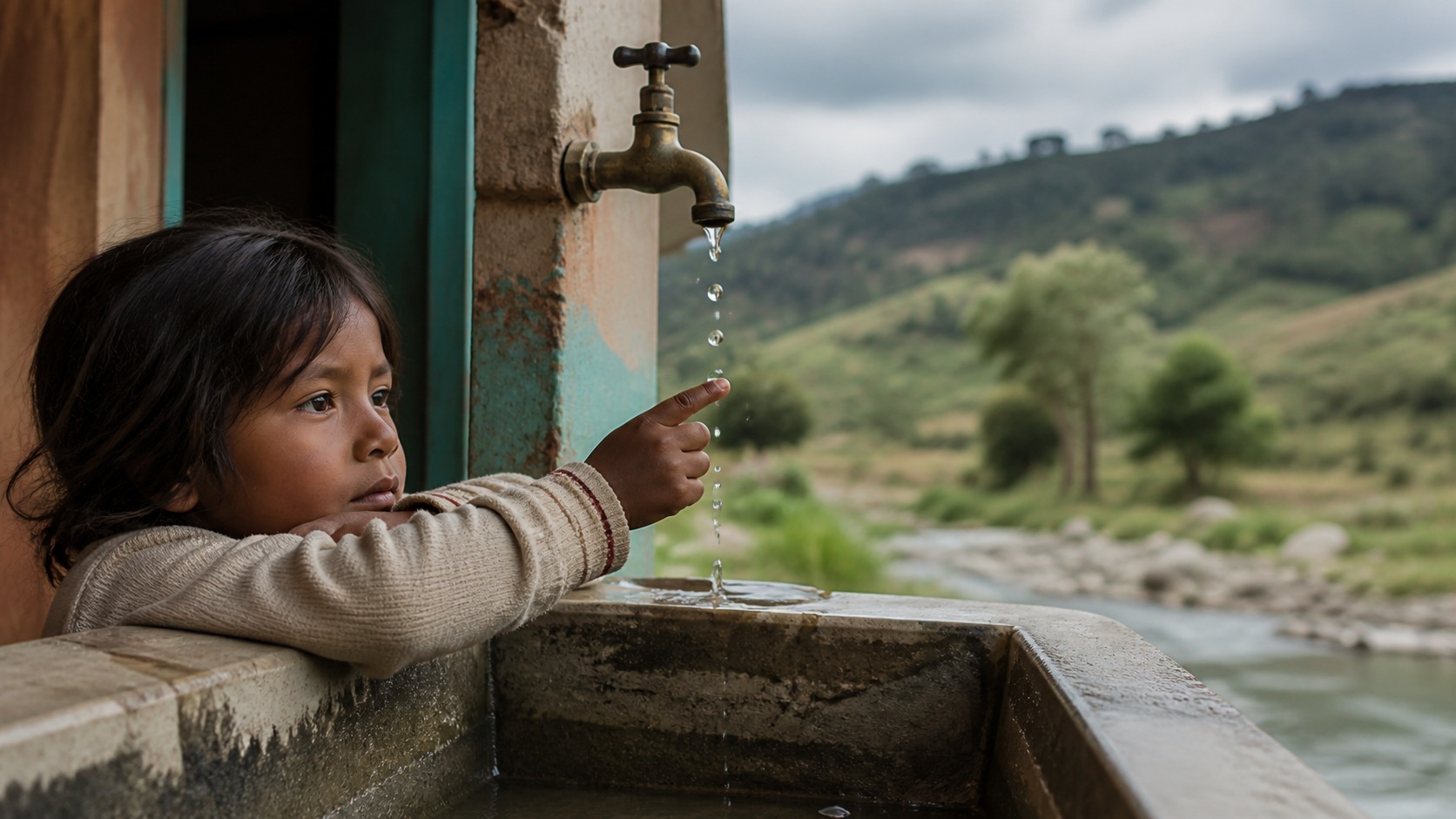
Supporting family languages and cultural identity does not mean multiplying conversations. It means agreeing who will do what, what information may be shared and when to review whether support is working. A short, consent-based and understandable plan reduces misunderstanding and leaves room for the person to take part in decisions that affect them.
Begin with a shared outcome#
The first agreement should describe an observable outcome, not a label. Rather than promising that everything will improve, it might propose arriving at school three days, replying to a tutor’s message or attending an appointment with support. Family members bring everyday knowledge, staff know the school setting and community resources explain available services. Writing down the outcome prevents each party from working with a different version of the belonging challenge. Sharing tasks protects people from overload. One person may request an appointment, another confirm times and another review classroom support. The agreement needs a date and a fallback if someone cannot complete it. Cooperation does not mean a family must disclose intimate details to everyone. It means responsibilities are clear, proportionate and open to review when circumstances change.
The first agreement should describe an observable outcome, not a label. Rather than promising that everything will improve, it might propose arriving at school three days, replying to a tutor’s message or attending an appointment with support.
Sharing tasks protects people from overload. One person may request an appointment, another confirm times and another review classroom support. The agreement needs a date and a fallback if someone cannot complete it. Cooperation does not mean a family must disclose intimate details to everyone. It means responsibilities are clear, proportionate and open to review when circumstances change. Health, social and educational information deserves care. Before sharing it, ask which detail is needed, for what purpose, who will receive it and for how long. Informed consent is not a one-time form; it is a conversation that can change. Spain’s data-protection authority provides practical privacy guidance, while local public services can explain the appropriate channels for a particular situation.
Health, social and educational information deserves care. Before sharing it, ask which detail is needed, for what purpose, who will receive it and for how long. Informed consent is not a one-time form; it is a conversation that can change. Spain’s data-protection authority provides practical privacy guidance, while local public services can explain the appropriate channels for a particular situation. A useful meeting ends with decisions: one action, one responsible person, one date and one way to check the result. A one-page note is often enough. The World Health Organization promotes care centred on people and their contexts; that principle keeps coordination from becoming a chain of ownerless messages. If an agreement cannot be explained in plain language, it is not yet ready to use.
A useful meeting ends with decisions: one action, one responsible person, one date and one way to check the result. A one-page note is often enough. The World Health Organization promotes care centred on people and their contexts; that principle keeps coordination from becoming a chain of ownerless messages. If an agreement cannot be explained in plain language, it is not yet ready to use. Case 1: Lucía began missing school on Mondays. Her father, the counsellor and a neighbourhood educator agreed to observe the journey, rest and first class for two weeks. Their action was not to punish absence; it was to adjust arrival and provide a named adult. Review showed that transport, not motivation, was the barrier, so they changed support without disclosing unnecessary information.
Case 1: Lucía began missing school on Mondays. Her father, the counsellor and a neighbourhood educator agreed to observe the journey, rest and first class for two weeks. Their action was not to punish absence; it was to adjust arrival and provide a named adult. Review showed that transport, not motivation, was the barrier, so they changed support without disclosing unnecessary information. Case 2: Karim needed follow-up after a health appointment. His family wanted to help, but he asked to decide what would be shared with school. They agreed to communicate only practical adjustments: breaks, one contact person and a process for appointment notices. Staff respected that boundary. The Convention on the Rights of the Child and UNICEF guidance both show that listening to children and teenagers is part of effective protection.
Set responsibilities people can keep#
Sharing tasks protects people from overload. One person may request an appointment, another confirm times and another review classroom support. The agreement needs a date and a fallback if someone cannot complete it. Cooperation does not mean a family must disclose intimate details to everyone. It means responsibilities are clear, proportionate and open to review when circumstances change. Health, social and educational information deserves care. Before sharing it, ask which detail is needed, for what purpose, who will receive it and for how long. Informed consent is not a one-time form; it is a conversation that can change. Spain’s data-protection authority provides practical privacy guidance, while local public services can explain the appropriate channels for a particular situation.
Health, social and educational information deserves care. Before sharing it, ask which detail is needed, for what purpose, who will receive it and for how long. Informed consent is not a one-time form; it is a conversation that can change. Spain’s data-protection authority provides practical privacy guidance, while local public services can explain the appropriate channels for a particular situation. A useful meeting ends with decisions: one action, one responsible person, one date and one way to check the result. A one-page note is often enough. The World Health Organization promotes care centred on people and their contexts; that principle keeps coordination from becoming a chain of ownerless messages. If an agreement cannot be explained in plain language, it is not yet ready to use.
A useful meeting ends with decisions: one action, one responsible person, one date and one way to check the result. A one-page note is often enough. The World Health Organization promotes care centred on people and their contexts; that principle keeps coordination from becoming a chain of ownerless messages. If an agreement cannot be explained in plain language, it is not yet ready to use. Case 1: Lucía began missing school on Mondays. Her father, the counsellor and a neighbourhood educator agreed to observe the journey, rest and first class for two weeks. Their action was not to punish absence; it was to adjust arrival and provide a named adult. Review showed that transport, not motivation, was the barrier, so they changed support without disclosing unnecessary information.
Case 1: Lucía began missing school on Mondays. Her father, the counsellor and a neighbourhood educator agreed to observe the journey, rest and first class for two weeks. Their action was not to punish absence; it was to adjust arrival and provide a named adult. Review showed that transport, not motivation, was the barrier, so they changed support without disclosing unnecessary information. Case 2: Karim needed follow-up after a health appointment. His family wanted to help, but he asked to decide what would be shared with school. They agreed to communicate only practical adjustments: breaks, one contact person and a process for appointment notices. Staff respected that boundary. The Convention on the Rights of the Child and UNICEF guidance both show that listening to children and teenagers is part of effective protection.
Case 2: Karim needed follow-up after a health appointment. His family wanted to help, but he asked to decide what would be shared with school. They agreed to communicate only practical adjustments: breaks, one contact person and a process for appointment notices. Staff respected that boundary. The Convention on the Rights of the Child and UNICEF guidance both show that listening to children and teenagers is part of effective protection. Case 3: A neighbourhood association offered activities for Elena while school proposed another intervention at the same time. Instead of competing, the groups made one calendar and selected one priority activity for a month. Her family tracked attendance, fatigue and wellbeing with a simple scale. Coordination worked because each resource accepted a limit and because review allowed a change of plan without describing it as failure.
Share information with consent#
Health, social and educational information deserves care. Before sharing it, ask which detail is needed, for what purpose, who will receive it and for how long. Informed consent is not a one-time form; it is a conversation that can change. Spain’s data-protection authority provides practical privacy guidance, while local public services can explain the appropriate channels for a particular situation. A useful meeting ends with decisions: one action, one responsible person, one date and one way to check the result. A one-page note is often enough. The World Health Organization promotes care centred on people and their contexts; that principle keeps coordination from becoming a chain of ownerless messages. If an agreement cannot be explained in plain language, it is not yet ready to use.
A useful meeting ends with decisions: one action, one responsible person, one date and one way to check the result. A one-page note is often enough. The World Health Organization promotes care centred on people and their contexts; that principle keeps coordination from becoming a chain of ownerless messages. If an agreement cannot be explained in plain language, it is not yet ready to use. Case 1: Lucía began missing school on Mondays. Her father, the counsellor and a neighbourhood educator agreed to observe the journey, rest and first class for two weeks. Their action was not to punish absence; it was to adjust arrival and provide a named adult. Review showed that transport, not motivation, was the barrier, so they changed support without disclosing unnecessary information.
Case 1: Lucía began missing school on Mondays. Her father, the counsellor and a neighbourhood educator agreed to observe the journey, rest and first class for two weeks. Their action was not to punish absence; it was to adjust arrival and provide a named adult. Review showed that transport, not motivation, was the barrier, so they changed support without disclosing unnecessary information. Case 2: Karim needed follow-up after a health appointment. His family wanted to help, but he asked to decide what would be shared with school. They agreed to communicate only practical adjustments: breaks, one contact person and a process for appointment notices. Staff respected that boundary. The Convention on the Rights of the Child and UNICEF guidance both show that listening to children and teenagers is part of effective protection.
Case 2: Karim needed follow-up after a health appointment. His family wanted to help, but he asked to decide what would be shared with school. They agreed to communicate only practical adjustments: breaks, one contact person and a process for appointment notices. Staff respected that boundary. The Convention on the Rights of the Child and UNICEF guidance both show that listening to children and teenagers is part of effective protection. Case 3: A neighbourhood association offered activities for Elena while school proposed another intervention at the same time. Instead of competing, the groups made one calendar and selected one priority activity for a month. Her family tracked attendance, fatigue and wellbeing with a simple scale. Coordination worked because each resource accepted a limit and because review allowed a change of plan without describing it as failure.
Case 3: A neighbourhood association offered activities for Elena while school proposed another intervention at the same time. Instead of competing, the groups made one calendar and selected one priority activity for a month. Her family tracked attendance, fatigue and wellbeing with a simple scale. Coordination worked because each resource accepted a limit and because review allowed a change of plan without describing it as failure. Institutional sources can guide action but cannot replace professional assessment. The World Health Organization, UNICEF, UNESCO and local health and education services publish materials on participation, inclusion and wellbeing. With immediate danger, violence, thoughts of self-harm or an inability to meet basic needs, ordinary agreements give way to emergency services and close support. Seeking help early is a practical act of care.
Turn conversations into decisions#
A useful meeting ends with decisions: one action, one responsible person, one date and one way to check the result. A one-page note is often enough. The World Health Organization promotes care centred on people and their contexts; that principle keeps coordination from becoming a chain of ownerless messages. If an agreement cannot be explained in plain language, it is not yet ready to use. Case 1: Lucía began missing school on Mondays. Her father, the counsellor and a neighbourhood educator agreed to observe the journey, rest and first class for two weeks. Their action was not to punish absence; it was to adjust arrival and provide a named adult. Review showed that transport, not motivation, was the barrier, so they changed support without disclosing unnecessary information.
Case 1: Lucía began missing school on Mondays. Her father, the counsellor and a neighbourhood educator agreed to observe the journey, rest and first class for two weeks. Their action was not to punish absence; it was to adjust arrival and provide a named adult. Review showed that transport, not motivation, was the barrier, so they changed support without disclosing unnecessary information. Case 2: Karim needed follow-up after a health appointment. His family wanted to help, but he asked to decide what would be shared with school. They agreed to communicate only practical adjustments: breaks, one contact person and a process for appointment notices. Staff respected that boundary. The Convention on the Rights of the Child and UNICEF guidance both show that listening to children and teenagers is part of effective protection.
Case 2: Karim needed follow-up after a health appointment. His family wanted to help, but he asked to decide what would be shared with school. They agreed to communicate only practical adjustments: breaks, one contact person and a process for appointment notices. Staff respected that boundary. The Convention on the Rights of the Child and UNICEF guidance both show that listening to children and teenagers is part of effective protection. Case 3: A neighbourhood association offered activities for Elena while school proposed another intervention at the same time. Instead of competing, the groups made one calendar and selected one priority activity for a month. Her family tracked attendance, fatigue and wellbeing with a simple scale. Coordination worked because each resource accepted a limit and because review allowed a change of plan without describing it as failure.
Case 3: A neighbourhood association offered activities for Elena while school proposed another intervention at the same time. Instead of competing, the groups made one calendar and selected one priority activity for a month. Her family tracked attendance, fatigue and wellbeing with a simple scale. Coordination worked because each resource accepted a limit and because review allowed a change of plan without describing it as failure. Institutional sources can guide action but cannot replace professional assessment. The World Health Organization, UNICEF, UNESCO and local health and education services publish materials on participation, inclusion and wellbeing. With immediate danger, violence, thoughts of self-harm or an inability to meet basic needs, ordinary agreements give way to emergency services and close support. Seeking help early is a practical act of care.
Institutional sources can guide action but cannot replace professional assessment. The World Health Organization, UNICEF, UNESCO and local health and education services publish materials on participation, inclusion and wellbeing. With immediate danger, violence, thoughts of self-harm or an inability to meet basic needs, ordinary agreements give way to emergency services and close support. Seeking help early is a practical act of care. The first agreement should describe an observable outcome, not a label. Rather than promising that everything will improve, it might propose arriving at school three days, replying to a tutor’s message or attending an appointment with support. Family members bring everyday knowledge, staff know the school setting and community resources explain available services. Writing down the outcome prevents each party from working with a different version of the belonging challenge.
Three cases that show the method#
Case 1: Lucía began missing school on Mondays. Her father, the counsellor and a neighbourhood educator agreed to observe the journey, rest and first class for two weeks. Their action was not to punish absence; it was to adjust arrival and provide a named adult. Review showed that transport, not motivation, was the barrier, so they changed support without disclosing unnecessary information. Case 2: Karim needed follow-up after a health appointment. His family wanted to help, but he asked to decide what would be shared with school. They agreed to communicate only practical adjustments: breaks, one contact person and a process for appointment notices. Staff respected that boundary. The Convention on the Rights of the Child and UNICEF guidance both show that listening to children and teenagers is part of effective protection.
Case 2: Karim needed follow-up after a health appointment. His family wanted to help, but he asked to decide what would be shared with school. They agreed to communicate only practical adjustments: breaks, one contact person and a process for appointment notices. Staff respected that boundary. The Convention on the Rights of the Child and UNICEF guidance both show that listening to children and teenagers is part of effective protection. Case 3: A neighbourhood association offered activities for Elena while school proposed another intervention at the same time. Instead of competing, the groups made one calendar and selected one priority activity for a month. Her family tracked attendance, fatigue and wellbeing with a simple scale. Coordination worked because each resource accepted a limit and because review allowed a change of plan without describing it as failure.
Case 3: A neighbourhood association offered activities for Elena while school proposed another intervention at the same time. Instead of competing, the groups made one calendar and selected one priority activity for a month. Her family tracked attendance, fatigue and wellbeing with a simple scale. Coordination worked because each resource accepted a limit and because review allowed a change of plan without describing it as failure. Institutional sources can guide action but cannot replace professional assessment. The World Health Organization, UNICEF, UNESCO and local health and education services publish materials on participation, inclusion and wellbeing. With immediate danger, violence, thoughts of self-harm or an inability to meet basic needs, ordinary agreements give way to emergency services and close support. Seeking help early is a practical act of care.
Institutional sources can guide action but cannot replace professional assessment. The World Health Organization, UNICEF, UNESCO and local health and education services publish materials on participation, inclusion and wellbeing. With immediate danger, violence, thoughts of self-harm or an inability to meet basic needs, ordinary agreements give way to emergency services and close support. Seeking help early is a practical act of care. The first agreement should describe an observable outcome, not a label. Rather than promising that everything will improve, it might propose arriving at school three days, replying to a tutor’s message or attending an appointment with support. Family members bring everyday knowledge, staff know the school setting and community resources explain available services. Writing down the outcome prevents each party from working with a different version of the belonging challenge.
The first agreement should describe an observable outcome, not a label. Rather than promising that everything will improve, it might propose arriving at school three days, replying to a tutor’s message or attending an appointment with support. Family members bring everyday knowledge, staff know the school setting and community resources explain available services. Writing down the outcome prevents each party from working with a different version of the belonging challenge. Sharing tasks protects people from overload. One person may request an appointment, another confirm times and another review classroom support. The agreement needs a date and a fallback if someone cannot complete it. Cooperation does not mean a family must disclose intimate details to everyone. It means responsibilities are clear, proportionate and open to review when circumstances change.
Review, adapt and seek help#
Case 2: Karim needed follow-up after a health appointment. His family wanted to help, but he asked to decide what would be shared with school. They agreed to communicate only practical adjustments: breaks, one contact person and a process for appointment notices. Staff respected that boundary. The Convention on the Rights of the Child and UNICEF guidance both show that listening to children and teenagers is part of effective protection. Case 3: A neighbourhood association offered activities for Elena while school proposed another intervention at the same time. Instead of competing, the groups made one calendar and selected one priority activity for a month. Her family tracked attendance, fatigue and wellbeing with a simple scale. Coordination worked because each resource accepted a limit and because review allowed a change of plan without describing it as failure.
Case 3: A neighbourhood association offered activities for Elena while school proposed another intervention at the same time. Instead of competing, the groups made one calendar and selected one priority activity for a month. Her family tracked attendance, fatigue and wellbeing with a simple scale. Coordination worked because each resource accepted a limit and because review allowed a change of plan without describing it as failure. Institutional sources can guide action but cannot replace professional assessment. The World Health Organization, UNICEF, UNESCO and local health and education services publish materials on participation, inclusion and wellbeing. With immediate danger, violence, thoughts of self-harm or an inability to meet basic needs, ordinary agreements give way to emergency services and close support. Seeking help early is a practical act of care.
Institutional sources can guide action but cannot replace professional assessment. The World Health Organization, UNICEF, UNESCO and local health and education services publish materials on participation, inclusion and wellbeing. With immediate danger, violence, thoughts of self-harm or an inability to meet basic needs, ordinary agreements give way to emergency services and close support. Seeking help early is a practical act of care. The first agreement should describe an observable outcome, not a label. Rather than promising that everything will improve, it might propose arriving at school three days, replying to a tutor’s message or attending an appointment with support. Family members bring everyday knowledge, staff know the school setting and community resources explain available services. Writing down the outcome prevents each party from working with a different version of the belonging challenge.
The first agreement should describe an observable outcome, not a label. Rather than promising that everything will improve, it might propose arriving at school three days, replying to a tutor’s message or attending an appointment with support. Family members bring everyday knowledge, staff know the school setting and community resources explain available services. Writing down the outcome prevents each party from working with a different version of the belonging challenge. Sharing tasks protects people from overload. One person may request an appointment, another confirm times and another review classroom support. The agreement needs a date and a fallback if someone cannot complete it. Cooperation does not mean a family must disclose intimate details to everyone. It means responsibilities are clear, proportionate and open to review when circumstances change.
Sharing tasks protects people from overload. One person may request an appointment, another confirm times and another review classroom support. The agreement needs a date and a fallback if someone cannot complete it. Cooperation does not mean a family must disclose intimate details to everyone. It means responsibilities are clear, proportionate and open to review when circumstances change. Health, social and educational information deserves care. Before sharing it, ask which detail is needed, for what purpose, who will receive it and for how long. Informed consent is not a one-time form; it is a conversation that can change. Spain’s data-protection authority provides practical privacy guidance, while local public services can explain the appropriate channels for a particular situation.