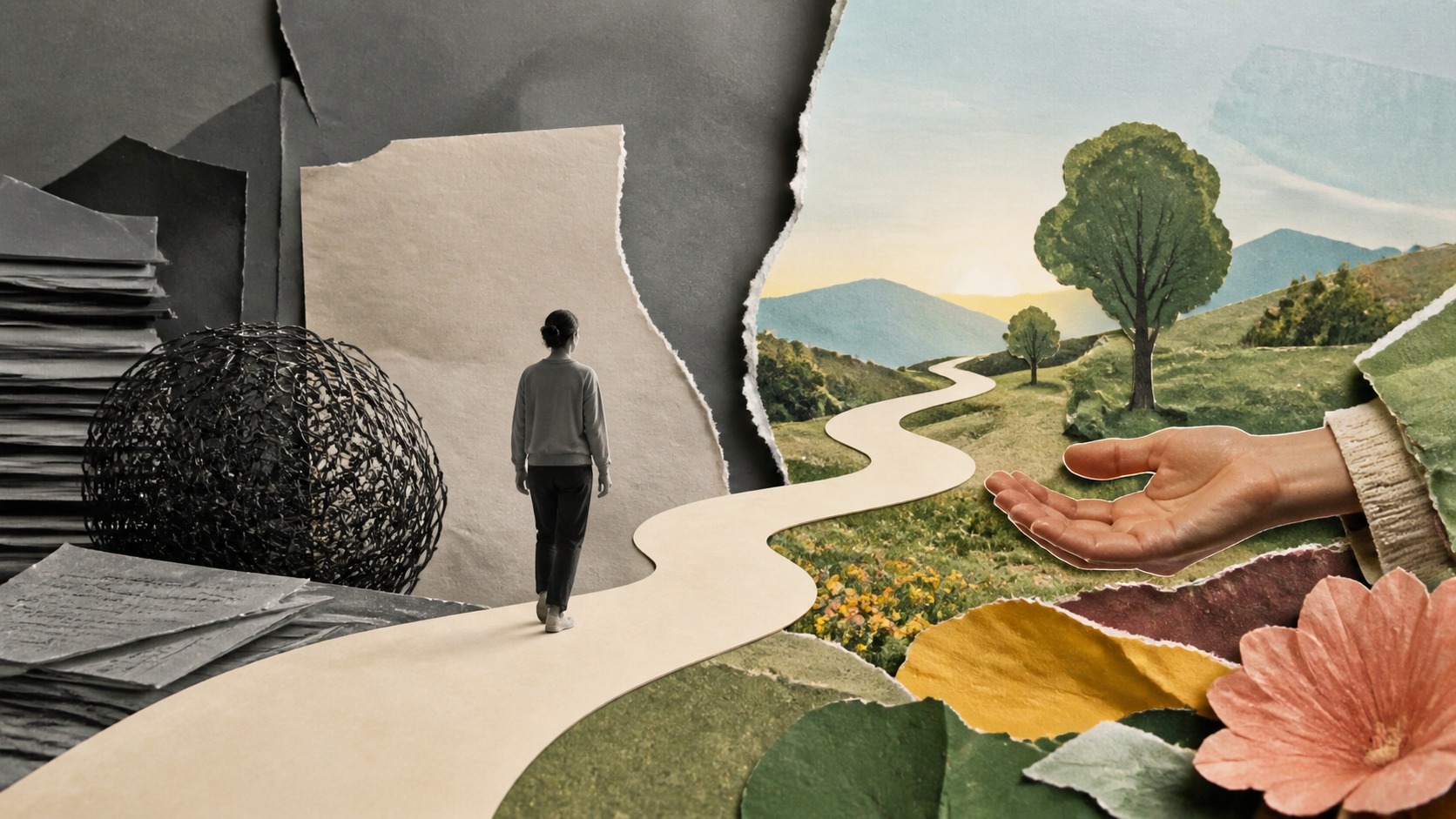
Community sport can open a route to belonging when it is organised so people can arrive, stay, and contribute. It does not require turning every afternoon into training or competing for performance. A five-step plan begins by noticing available time, neighbourhood barriers, and the kind of relationship people hope to build. This guide offers small decisions that turn good intentions into safe, open, and sustainable practice.
Step one: name the difficulty without blame#
Before looking for an activity, name one simple need: walk with company twice a week, regain movement after a pause, meet neighbours, or play without competitive pressure. The World Health Organization notes that all physical activity counts and that reducing sedentary time brings benefits. The goal is not to perform a perfect sporting identity. It is to choose something compatible with health, schedules, and caring responsibilities. Writing down the expectation also makes it easier to notice when the plan needs to change.
Before looking for an activity, name one simple need: walk with company twice a week, regain movement after a pause, meet neighbours, or play without competitive pressure.
Step two: check safety and barriers#
Proximity often matters more than an impressive offer. A sports centre within walking distance, a well-lit square, or an accessible route makes repeating more likely. Check transport, price, changing rooms, shade, water, and timing before committing. Municipal and public sport services commonly publish facilities and programmes; asking about reduced fees or trial sessions keeps money from silently deciding who belongs. Belonging starts when returning does not require impossible logistics.
Case one: walking with a neighbour#
Marta wanted to move more, but running groups felt too fast. She asked a neighbour to walk for thirty minutes on Tuesday and Thursday after the school drop-off. They chose a route with benches and agreed to send a short message if either could not come. After a month they invited another person and kept the habit without buying equipment. This shows how a small, visible, kind agreement can be more sustainable than an ambitious intention without company.
Step three: listen and agree a response#
An open group should explain the first session: duration, meeting point, equipment, cost, level, and contact person. Learning a name, introducing two participants, and offering a simple task reduce the sense of arriving late to an already closed community. UNESCO and the Council of Europe emphasise removing barriers and protecting dignity in participation. Nobody should need to defend their body, age, background, or experience in order to join.
Case two: football with shared rules#
At a neighbourhood court, an informal match was losing people because the same players chose teams and argued over every foul. The group rotated captains, mixed ages, limited the score, and kept five minutes to discuss conflicts. It also agreed that a newcomer would play in the first substitution. Differences did not disappear, yet the activity stopped rewarding only existing skill. Rules became a tool of care rather than a list used to punish people.
Step four: act with limits and support#
Safe physical activity adjusts intensity, stops when pain persists, and seeks health advice where there are questions or prior conditions. The Ministry of Health and health services offer general guidance, although they do not replace individual clinical assessment. In a group, care also means never forcing touch, photographs, or personal disclosures. Offering lower-intensity options and treating rest as normal makes participation possible without proving endurance.
Case three: an accessible dance class#
A cultural association ran weekly dance, but several people stopped attending because instruction moved quickly and music was too loud. One participant suggested sending the basic sequence beforehand, lowering volume at certain times, and placing chairs at the side. Another volunteered to repeat steps slowly. Attendance grew because the change did not demand talent; it recognised different ways of learning and being present. Listening to one precise barrier created immediate improvement.
Step five: review and sustain the agreement#
Sport does not have to solve every social problem to create useful support. A greeting, information about a sports grant, accompanying someone to the centre, or celebrating progress can strengthen ties. The European Sports Charter links practice with wellbeing, education, and community. Do not let the group become a social obligation, though: people need to be able to enter and leave respectfully. A healthy network offers connection without controlling anyone’s life.
Make an honest budget. Include transport, footwear if it is genuinely needed, fees, water, and possible childcare. Then explore public options, borrowed equipment, or exchange before taking on costs. Having less money is not a lack of interest; naming it helps a group design an alternative and request support without shame.
Review who is not arriving. A late schedule can exclude carers, digital-only communication can leave out older residents, and constant competition can push away someone returning after injury. Asking without demanding personal explanations supplies information for adjusting the plan. Inclusion is tested through experience, not through a poster.
Name a clear contact for questions and conflict. That person need not carry everything, but can remind people of agreements, refer a serious matter, and make sure a concern receives an answer. For activities involving children, use the safeguarding procedures of the responsible organisation or public body. Improvisation is not enough where safety is at stake.
Measure progress with human signs as well as minutes or results: coming back next week, learning a new name, being able to request a break, or feeling entitled to suggest a rule. These signs show whether sport is creating belonging. A short monthly note can reveal what should be kept and what needs adjustment.
Celebrate without comparison. Thanking someone who opens the space, shares a route, or welcomes a newcomer recognises different contributions. Sporting achievements can be shared, but should not become the only currency of value. A group lasts when many capacities count.
When the plan fails, make it smaller before abandoning it. Change an hour, choose a shorter route, rotate responsibilities, or pause for a season. Evaluation is not blame; it is observing which conditions make continuation possible. Flexibility protects health as well as the relationship with the group.
Reliable information helps people decide without turning an activity into an improvised medical consultation. Before following a challenge seen on social media, compare it with guidance from health bodies and with your own body. Promises of rapid change often hide risks or assumptions that do not fit everyone. In a community group, a careful conversation about pace, water, and rest matters more than pressure to copy someone who trains differently. Where dizziness, severe pain, or persistent discomfort appears, stopping and seeking advice is a responsible choice.
It is also worth agreeing how messages and images are used. A group can have one channel for schedules and notices, another for ideas, and a clear rule on photographs: ask before posting and accept a refusal without demanding reasons. This is particularly important with children and people who have safety reasons not to be visible. Trust does not grow from sharing everything. It grows from knowing that the group protects each participant’s boundaries and that a request to remove something will receive an answer.
A mix of ages can enrich practice when it is not used to infantilise people or demand expertise. A young person may explain a route app; an older resident may know quiet paths or the history of the area. Design pairs or turns that allow exchange, while letting everyone choose what they want to take on. Mutual learning breaks down when somebody is permanently assigned the role of teacher or the person who needs help. Asking before assuming is both a sporting and a community practice.
Local organisations can expand a plan without taking away its autonomy. Libraries, community centres, schools, resident associations, and health services can point to spaces, activities, or support already available. Before asking for collaboration, explain the purpose, approximate number of participants, and actual needs. Afterwards, report back: what worked, which support was used, and what remains unfinished. This transparent relationship avoids treating community resources as scenery and helps build alliances that last beyond one event.
Where capacity differs, adapt the task rather than exclude the person. A bike outing can include a short and a long route; a strength session can offer seated or lower-load options; a game can rotate the roles of scorer, referee, or companion. Offering choices from the beginning prevents someone having to request a special favour in front of everyone. Adaptation does not reduce the value of participation. It makes clear that the group expects different bodies and different rhythms.
Finally, review the plan at the end of each month. Three questions are enough: what made us return, what made participation difficult, and what small change will we try now? Share a short conclusion and appoint someone to check it, while rotating that responsibility. The project then does not depend on one tireless figure. Continuity comes when care, information, and decisions are distributed, and when any participant can suggest an improvement without feeling that they are a nuisance. Keep simple agreements in an accessible place as well: the usual day, an alternative route, a contact, and a criterion for cancelling. This practical memory helps a new person contribute and lets the group restart after a pause. Written rules do not need to be rigid; they prevent the commitment from relying on one person remembering everything or speaking for everyone. Share them at the start of each season to support autonomy and prevent avoidable misunderstandings.
An agreement that makes continuation possible#
A five-step plan for handling difficulties does not promise to transform life in a week. It offers one possible next meeting, understandable rules, and room to adapt. With public resources, professionals when they are needed, and participants who listen, movement can become an everyday practice of shared care.