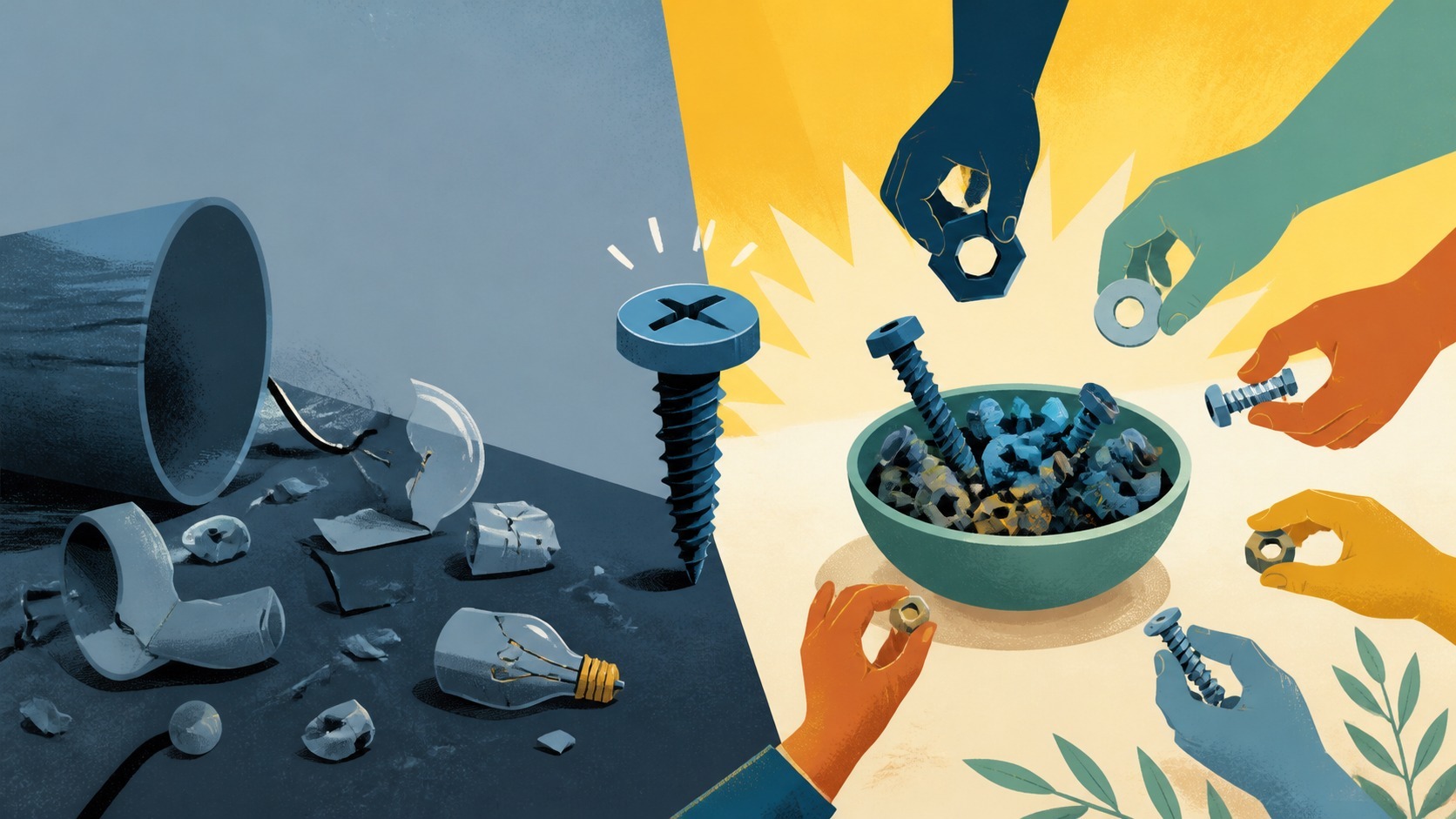
Preventing alcohol-related harm is not a one-off talk delivered by a family, school, or local service. It is a set of everyday agreements that make it possible to ask for help, get home safely, and discuss difficult experiences without shame. Different roles can become a strength when they are clear, respectful, and reviewed together.
Choose a shared outcome#
The first meeting should ask what a young person should be better able to do in three months: recognise peer pressure, arrange a safe journey, and talk about a difficult moment are useful outcomes. Each partner then names a contribution: listening at home, wellbeing check-ins at school, safe leisure options in the community, and health guidance when needed.
The first meeting should ask what a young person should be better able to do in three months: recognise peer pressure, arrange a safe journey, and talk about a difficult moment are useful outcomes.
Assign roles without building blame#
A short written map can say who informs, listens, supports, and reviews. Families set household boundaries; schools can notice attendance or wellbeing changes without labelling; community services can explain youth and health resources. Share only information needed for care, and explain its purpose. Trust comes from appropriate boundaries, not from everyone knowing everything.
Make agreements easy to repeat#
An agreement should fit into a two-minute conversation: “If alcohol is present at a party, call us; we will solve getting home safely first and talk tomorrow.” It should also name firm limits: driving, or entering a vehicle driven by someone who has been drinking, is not negotiable. Asking for collection or safe transport is a behaviour adults should actively support.
Case 1: the party without transport#
Sixteen-year-old Maya calls because a friend is very unwell and the group planned to ride home on a motorbike. Her parent confirms the location, collects them, and thanks her for calling. The next day they discuss signs of intoxication, peer pressure, and transport choices. With Maya’s permission, her tutor only receives a request to revisit safe-return plans. The response is not a punishment-free shortcut; it is learning that keeps the help channel open.
Use short meetings and observable facts#
Twenty minutes can be enough when meetings follow four steps: observable facts, impact, available support, and a review date. “He missed two mornings” is a fact; “he is irresponsible” is a label. Asking what changed and what help might be acceptable leads to better decisions. Record two actions, one named person for each, and a date to check progress.
Case 2: late on Mondays#
A pastoral lead notices that Leo arrives tired on several Mondays. They do not assume alcohol use. A private conversation explores sleep, leisure, and transport; Leo says he spends time with older peers and struggles to say no. His parent agrees a collection time, the school rehearses exit phrases, and a youth worker offers alternative activities. Three modest supports replace one large accusation.
Use accurate health information#
The World Health Organization explains that alcohol creates health risks, with particular concern for underage use and driving. Spain’s Ministry of Health and National Plan on Drugs provide prevention resources based on skills and protective environments. Loss of consciousness, slow breathing, repeated vomiting, or confusion require urgent help through 112. A person who may be intoxicated should not be left alone or “sobbered up” with coffee or cold showers.
Case 3: conflicting messages at a sports club#
At a sports club, coaches sometimes joked about drinking after matches while the school taught prevention. Families, young players, and coaches met without targeting individuals. They agreed that underage celebrations would not include alcohol, water and food would be available, and team posts would not normalise drunkenness. A youth representative suggested an anonymous feedback channel. The message became consistent across the week.
Privacy, equity, and review#
Coordination does not permit phone surveillance or rumours. The Spanish Data Protection Agency stresses limiting data to a legitimate purpose and appropriate access. Partners should also ask about real barriers: work hours, language, disability, transport cost, or fear of judgement. Every four to six weeks, review whether the young person knows whom to call, understands the boundaries, and received help in time. Clear limits, authoritative sources such as WHO, the Ministry, the National Plan on Drugs, 112, and AEPD, and adults willing to listen turn prevention into a dependable network.
Prepare the conversation before a problem appears#
Agreements work best when they are made in a calm moment rather than after an argument. A family can set aside one evening each month to look ahead at parties, journeys, and upcoming activities. A school can include a short question about safety and support in pastoral time without turning it into an interrogation. The community can make a simple resource map visible: health centre, youth service, local groups, late transport, and 112. Preparation does not assume that something will go wrong; it means no one has to improvise under pressure if it does.
It is also worth rehearsing language that protects the relationship. Instead of saying, “Do not let me down,” an adult can say, “If you are worried, I would rather you call me even if you think I will be angry.” Rather than blaming friends, they can ask what feels hardest when a group decides to drink. Open questions provide information without demanding a confession and help distinguish curiosity, pressure, occasional use, emotional distress, or a need for specialist support.
Create a safe-return plan that people will use#
A safe-return plan should be short and available both on a phone and at home. It can include three contacts, a code word for asking for help without explaining everything by text, a transport alternative, and a clear rule that nobody drives after drinking. It should also state what the adult will do: answer, confirm the location, arrange a safe collection, and postpone the educational conversation until everyone is safe. That order reduces fear of punishment and makes asking for help more likely.
Schools and youth organisations can reinforce this plan before celebrations, trips, or local festivals. They do not need to collect personal stories. It is enough to remind people that staying with someone who is unwell, contacting an adult, and calling emergency services when severe signs appear are responsible choices. Information from 112 and health services makes clear that immediate safety comes before embarrassment, reputation, or a later disagreement.
Explain a professional referral with care#
Coordination does not replace health or social services when risk continues. Repeated intoxication, intense anxiety, major mood changes, violence, persistent absence, or difficulty staying safe should lead to an offer of professional support. The offer should sound like care, not a threat: “We are concerned about how you are doing and want you to speak with someone experienced in this.” Spain’s Ministry of Health, primary care, and regional resources can explain local routes for support.
Before information is shared, adults should say what is known, what is not known, and why help is being requested. When a minor is involved, their age, maturity, and right to be heard matter. A brief record of facts, agreements, and dates can provide continuity, but it must not become a file of rumours. Guidance from the Spanish Data Protection Agency helps partners handle personal information proportionately and restrict access to people who actually need to act.
Check whether the environment is consistent#
Good evaluation does not only count how many talks were delivered. It asks whether young people can name a safe exit, whether rules are applied predictably, and whether adults respond without humiliation. A school can use a three-question anonymous survey; a club can review its social-media messages; a family can check whether contact details and curfews remain realistic. If answers reveal confusion, the agreement should be adjusted and explained again through familiar examples.
Equity needs checking too. A plan that relies on a family car does not work equally for someone without transport, someone caring for siblings, or someone afraid to disclose what is happening at home. That is why support needs several entry points: tutor, counsellor, outreach worker, health centre, cultural mediator, or community resource. Good coordination expands safe options without intruding on private life.
A network that learns from mistakes#
Mistakes can improve the system. If a call came too late, check whether the number was accessible; if an agreement felt punitive, change the language; if a school and family gave conflicting advice, clarify who communicates each part. This practical review avoids both blame and false reassurance. Effective prevention combines firm boundaries, listening, reliable information, and the willingness to correct course.
The final aim is not to control every choice. It is for each young person to recognise risk, ask for help, and find a consistent response. Families, professionals, and communities do not have to be perfect. They need to maintain clear agreements, consult authoritative sources when unsure, and act promptly in an emergency. That everyday continuity is what makes prevention a dependable network.
Make sure agreements reach everyone#
An agreement is only useful when the people expected to follow it can understand and question it. A meeting can end with a simple card: whom to call, what I will not do, what support I can ask for, and when the plan will be reviewed. If a family uses another language, if reading is difficult, or if a young person cannot attend in person, an accessible alternative is needed. Translation, a short phone call, or a visual summary is not administrative decoration; it prevents prevention work from excluding people.
Young people should also be asked what they would change. They often notice schedules, spaces, or adult messages that do not fit their reality. A student council, youth-group meeting, or pastoral conversation can turn those observations into practical adjustments: a more visible collection point, a trusted contact, or an alcohol-free weekend activity. When participation produces a visible result, an agreement stops feeling imposed and becomes a shared responsibility.
Use sources to keep decisions current#
Local decisions should not be based on rumours or social-media claims. The World Health Organization provides evidence on alcohol-related risks and public-health policy; Spain’s Ministry of Health and National Plan on Drugs publish prevention resources; 112 explains emergency action; and the Spanish Data Protection Agency offers privacy guidance. Checking these sources before a campaign, meeting, or referral helps partners correct myths and explain boundaries calmly. If information is uncertain, it is better to say that it will be checked than to fill the gap with alarm.
Coordination becomes more credible when each partner knows where a recommendation comes from and can review it again. Families, schools, and communities then do not compete to have the final word. They share a practical standard of care, safety, and dignity that can be adapted to the circumstances of each person.