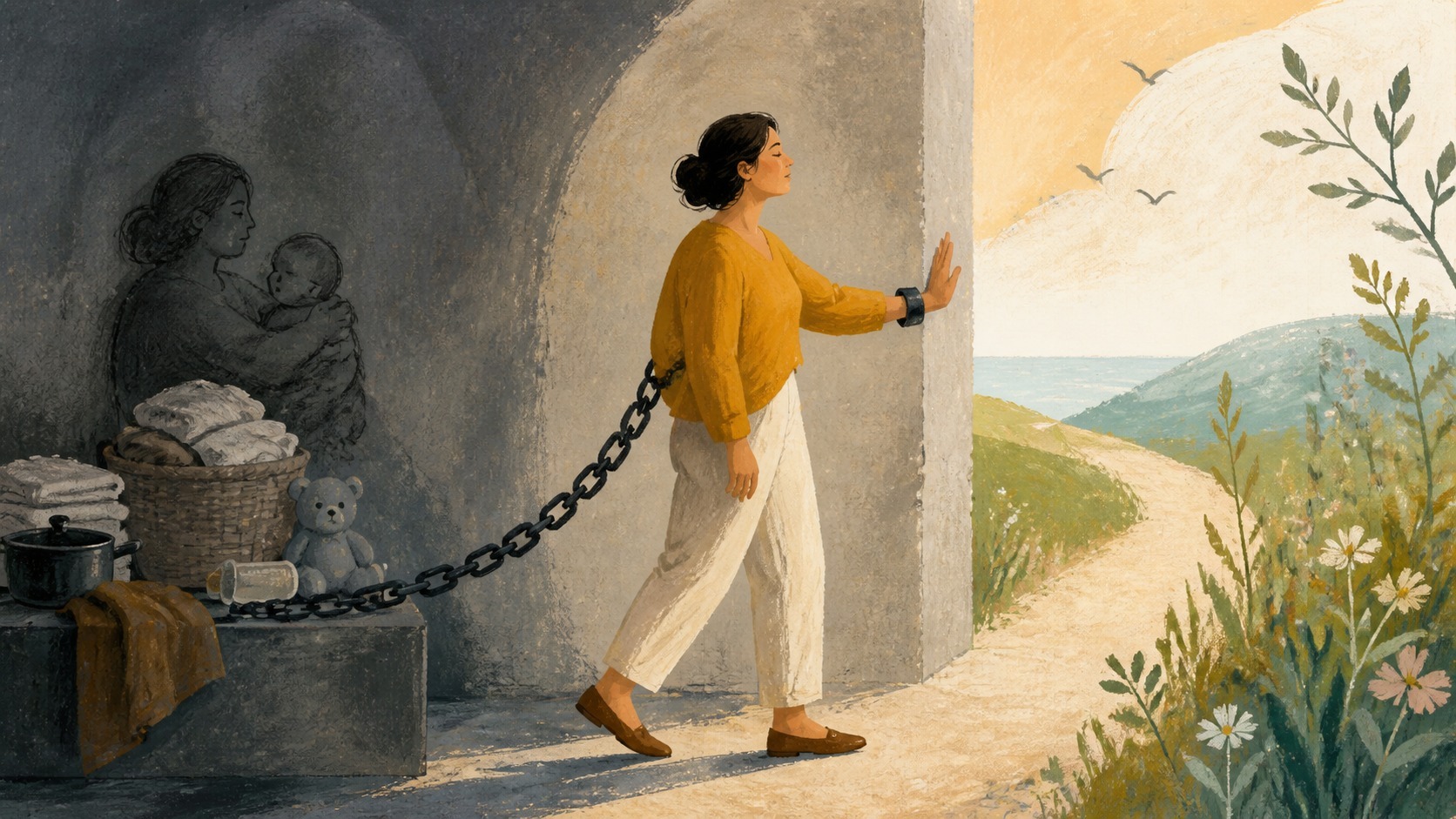
On Monday afternoon, Irene arrived at the library with a box of recycled-notebook samples and an unfinished conversation on her phone. Her mother wanted to know how much money had already gone into the idea. The teacher lending her a table at the school fair needed a materials list. A neighbourhood association offered publicity, but asked for photographs of participants. Irene felt that every person was helping and that every offer created a new obligation. The problem was not a lack of drive. It was the lack of a shared map for making decisions without trapping the project in messages, favours, and expectations.
Coordination among family, school, and community should not become permanent supervision. Its job is to make the boundaries that protect autonomy visible: who can approve a cost, which information stays private, when a promise is reviewed, and what happens when the plan changes. A short agreement does not weaken creativity. It stops a young person from inventing three different answers for three people who each believe they are solving the same issue.
Begin with a scene rather than a label#
Saying that young people need entrepreneurial support often produces friendly meetings and vague decisions. Bring a specific scene instead. For example: twenty notebooks are due on Friday, six covers are missing, and the printer asks for payment in advance. That scene makes it possible to ask what is needed today, what can wait, and who is affected. It also keeps the conversation from drifting into judgments about maturity, personality, or ambition.
Saying that young people need entrepreneurial support often produces friendly meetings and vague decisions.
A situation card can fit on half a page. Include the date, immediate objective, available resources, visible risks, and one answerable question. Irene wrote: “Can I deliver fourteen units on Friday without using personal savings or publishing buyer information?” She did not write: “My project is out of control.” The second sentence mixes embarrassment with diagnosis. The first lets every participant contribute checkable information.
A responsibility board that does not replace the creator#
The most useful agreement separates four roles. The young person proposes options and decides within the project limits. Family can review spending, safety, and time load. The school can clarify space rules, permissions, and schedules. A community group can offer a network, a venue, or technical experience. None of these roles needs to become the owner of the idea.
Write an observable action beside every role. “Family supports” says little; “an adult will check payments above fifty euros before they are sent” is usable. “School accompanies” is vague; “the tutor will confirm classroom use by Wednesday” prevents confusion. When a task has an owner, date, and simple proof of completion, people are less likely to keep asking who said what.
In Irene’s case, she chose to reduce the order and offer two delivery dates. Her mother checked that the supplier had a contact address and written quote. The teacher confirmed that the fair accepted a smaller table. The association agreed to share a photograph of notebooks rather than faces or names. The outcome was not a perfect plan. It was a division of decisions that nobody had to guess.
Budget as a conversation about limits#
Many conflicts begin because the word money arrives too late. An initial budget needs four columns: money coming in, money going out, possible costs, and money that cannot be lost. That final column matters especially for a young person. It may include personal savings, borrowed materials, a client deposit, or study hours. Not every available resource is authorised to carry risk.
A helpful rule separates a cost from a commitment. Buying card for ten euros is a cost. Promising ten workshops, accepting payment before knowing costs, or using a family account to collect money is a commitment. Family can help spot the difference without choosing what the young person must sell. Asking “what happens if nobody registers?” teaches more than simply saying “do not do it.”
Irene agreed not to spend more than thirty euros without a second review and not to accept payments through private messages. Anyone reserving received a note with price, approximate date, and a refund option. That small piece of transparency protected buyers and Irene alike. If materials were delayed, she would not need to improvise a different explanation for each customer.
Privacy means deciding what does not need to travel#
A support network can become unsafe when it shares data by habit. Organising an activity rarely requires an association to receive personal telephone numbers, addresses, school grades, or screenshots of conversations. Before sending a list, ask what it will be used for, how long it will be stored, and who can see it. If the answer is unclear, offer an alternative: a project email, a form asking for minimum data, or one designated contact person.
Images need an agreement too. Photographing a fair can look harmless until a recognisable minor, name badge, or open order screen appears in the frame. Irene suggested one rule: before publishing, look at the photo as though a stranger might see it five years later. If it showed more than was needed, they chose another angle. Caution does not reduce visibility. It makes visibility reversible.
Fifteen-minute meetings with a clear exit#
There is no need to call everyone whenever something changes. A short weekly meeting works when it starts with three facts: what was completed, what is blocked, and which decision is needed. Then open actions are reviewed and the next check is set. A meeting should finish with a sentence anyone can repeat: “Irene buys material on Thursday; her mother checks the receipt; the teacher confirms the table; on Saturday they compare the real cost with the estimate.”
The record can be a five-line shared message. It should not contain personal details or turn into a diary of opinions. Its purpose is to let someone absent know what they may do and what they should not assume. When people disagree, the record also reduces the urge to reinterpret an uncomfortable conversation days later.
Design disagreements before they arrive#
Coordination does not mean everyone will agree. Family may consider a cost too high. School may refuse a room. A group may ask for publicity that the young person does not want to provide. The agreement needs a way to pause. For example, no new commitment is confirmed for twenty-four hours when it affects money, personal data, safety, or study. During that pause, the option, cost, benefit, and possible harm are written down.
It also helps to distinguish three kinds of disagreement. Preference disagreements concern colour or a publicity channel. Information disagreements arise when a licence cost is unknown. Safety or rights disagreements involve requests for sensitive data. The first kind can use a small test; the second needs research; the third requires stopping and finding an adult, institutional, or professional reference. This distinction prevents people from debating a design choice with the same intensity as a warning sign.
Community as a testing place, not a compulsory stage#
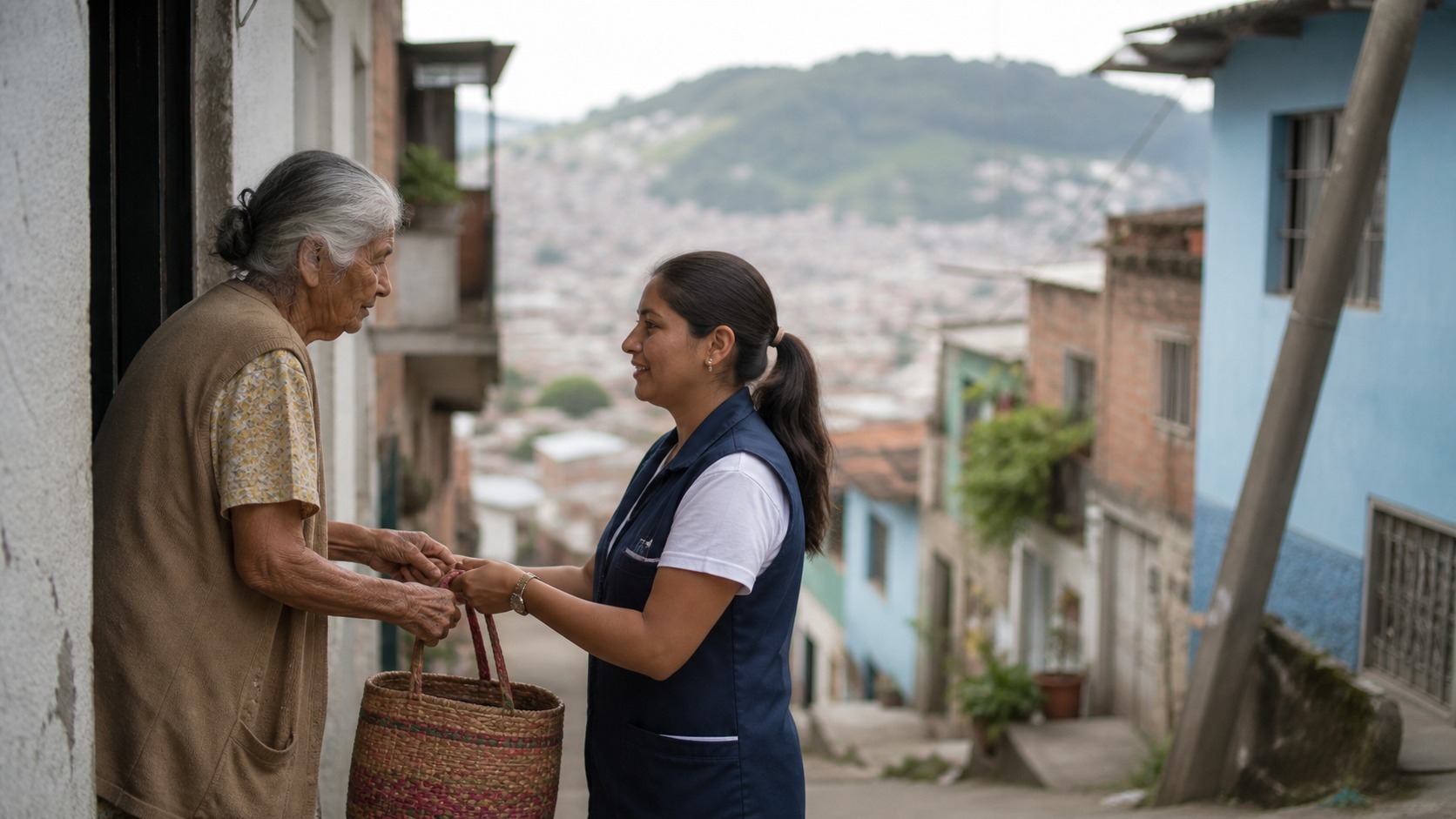
A library, neighbourhood group, or local market can help test an idea without demanding that it become a success story. The most valuable contribution may be lending a table, introducing three potential users, or explaining a consumer rule. Asking the community to “share everything” often creates pressure and expectations that cannot be sustained. Ask for something bounded instead: a pilot session, an accessibility review, or an introduction to one experienced person.
When Irene took three notebook models to the association, she did not ask for applause or orders. She asked five people to choose the easiest model to use and explain why. She learned that the smaller size worked better for notes and that the string closure was inconvenient. That evidence changed her next batch more than a post with many likes. The community had offered information, not an inflated promise.
Learning to report an error#
A responsible project needs a prepared sentence for setbacks. It might say: “I found that I cannot meet the original date. I can deliver this part on Friday or return the payment. I will confirm your choice before six.” The sentence names the fact, offers real options, and gives a follow-up time. It does not blame a supplier, family, or school before the whole situation is known.
After an error, the group does not need to punish or rescue immediately. It can ask which signal was missing. Did the budget lack a margin? Did nobody confirm permission? Was a request accepted because saying no felt like losing an opportunity? The correction should become a process change. Irene added a materials list with two suppliers and a deadline for stopping orders. The error then left a useful trace instead of becoming a label about her ability.
A conclusion that leaves one small decision#
Autonomy does not mean working without questions or protection. It means understanding which decision belongs to which person, which limits have been accepted, and when to ask for help without surrendering direction. Family, school, and community can build that ground if they talk about concrete actions rather than abstract ideals.
This week, choose one real situation and write a one-page agreement. Include a seven-day goal, a maximum cost, a privacy rule, three responsible people, and a review date. Share it only with those who need to act. If nobody can explain what they will do tomorrow after reading it, simplify it. A good agreement does not prove that a project is large. It proves that it can move without confusing help with control.