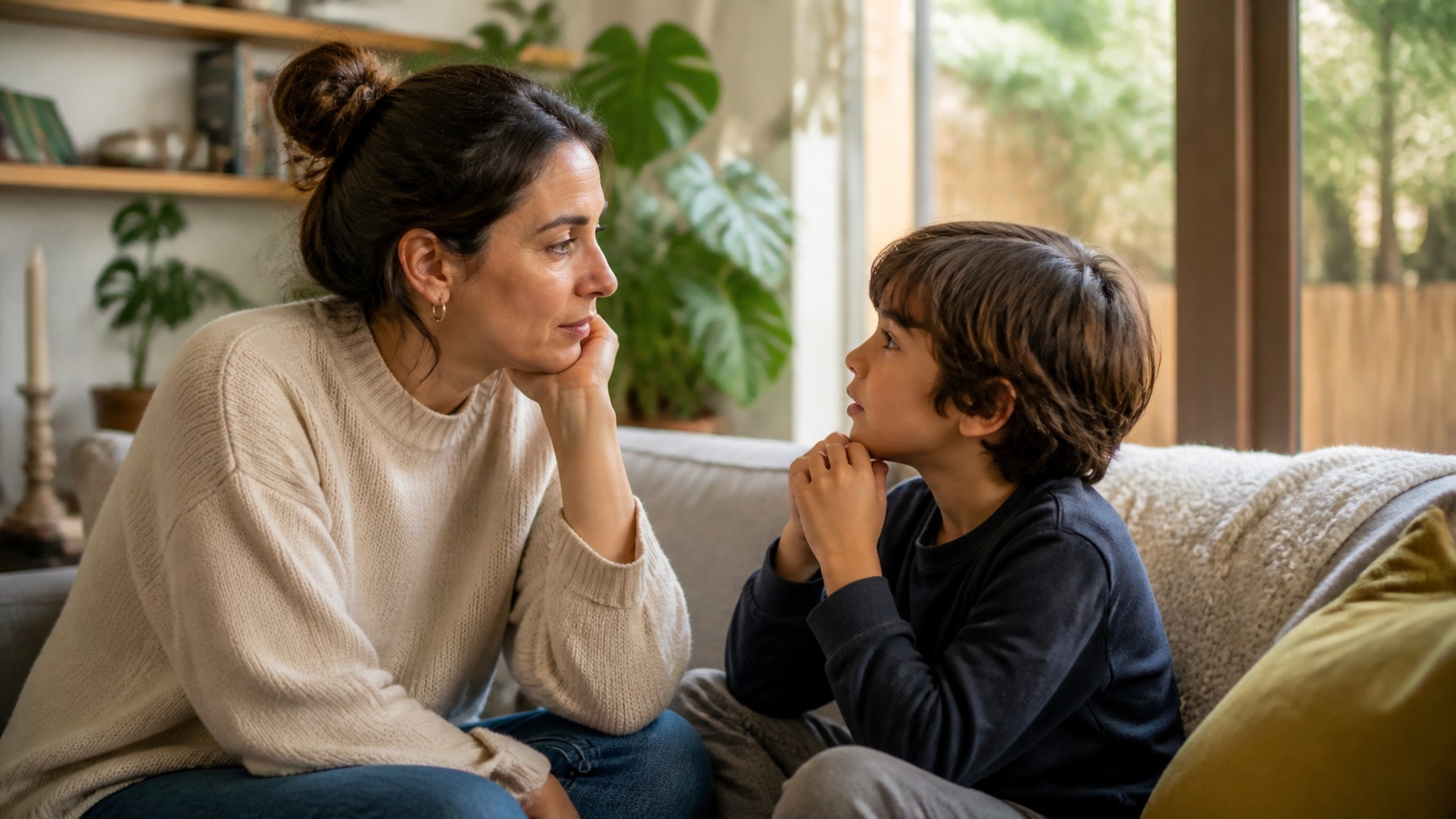
Revisar l'accessibilitat d'una biblioteca o d'un servei cultural no consisteix a assenyalar qui es va equivocar. Consisteix a escoltar què va passar, reconèixer l'impacte, reparar allò possible i decidir un pas següent que permeti participar millor. Aquesta guia proposa preguntes útils, evidències senzilles i casos per transformar una incidència en una millora compartida.
Revisar sense buscar culpables#
L accessibilitat cultural millora quan persones usuàries, equip i comunitat comparteixen informació sense obligar ningú a repetir la seva història. Un revisió útil no és una declaració genèrica: indica una necessitat, una acció, una persona responsable, una data i una manera de comprovar el resultat. La Convenció de l ONU sobre els Drets de les Persones amb Discapacitat situa la participació cultural com un dret. La pregunta inicial no és qui farà un favor, sinó què ha de canviar en el servei perquè la participació sigui possible i previsible.
L accessibilitat cultural millora quan persones usuàries, equip i comunitat comparteixen informació sense obligar ningú a repetir la seva història.
Repartir funcions sense traslladar la càrrega#
La família coneix preferències i senyals importants, però no ha de ser intèrpret permanent ni responsable de resoldre cada barrera. L escola pot anticipar objectius i suports de comunicació; la biblioteca aporta coneixement de l edifici, la col lecció i la programació; una entitat comunitària pot facilitar mediació o formació. La IFLA recomana planificar serveis inclusius amb les persones usuàries. Una taula breu evita missatges contradictoris: qui confirma la reserva, qui prepara el material, qui rep el grup i qui revisa el que ha passat.
Documentar només allò necessari#
Un registre breu protegeix la continuïtat quan canvia el personal. Ha d incloure activitat, barreres, suports revisióats, contacte de referència, data de revisió i consentiment per compartir dades. No necessita etiquetes mèdiques irrellevants. UNESCO recorda que la inclusió combina accés als continguts, participació i respecte per la diversitat. Enviar el resum pel canal que triï la família permet corregir malentesos abans de la visita i deixa clar que les mesures previstes són responsabilitat del servei.
Cas: un carnet i una primera visita#
La Marta vol anar amb el seu fill Leo, que fa servir un comunicador, a la biblioteca del barri. L escola ja treballa una seqüència visual per a sortides, però la biblioteca no sap quin és l horari més tranquil. En una trucada de deu minuts revisióen enviar fotos de l entrada i del taulell, reservar una taula lateral i tramitar el carnet sense cua. La tutora incorpora les imatges a la seqüència i la bibliotecària confirma l revisió per correu. Després de la visita, Leo vol tornar. El resultat no depèn que la seva mare ho expliqui tot de nou, sinó d una revisió compartida senzilla i comprovable.
Cas: club de lectura amb veus diferents#
Un institut proposa un club de lectura intergeneracional i una alumna amb baixa visió avisa que el llibre no arribarà a temps en format accessible. La coordinadora no li trasllada el problema. Consulta el catàleg, contacta amb la xarxa de préstec i fixa un calendari que permet escollir l obra amb sis setmanes de marge. El Tractat de Marràqueix administrat per l OMPI ofereix un marc per a l accés a obres publicades en formats accessibles. El club incorpora fragments en àudio i torns moderats; les mesures beneficien tot el grup.
Cas: una activitat comunitària canvia el pla#
Una associació veïnal prepara una sessió de memòria oral. Dos dies abans, una família comunica que una persona necessita un espai de calma i una explicació prèvia del so. L equip comparteix un plànol senzill, habilita una sala contigua i revisióa un senyal per sortir sense donar explicacions. L escola informa que no actuarà com a acompanyant i la família decideix quina informació vol compartir. En acabar, l associació anota que les invitacions futures inclouran un contacte d accessibilitat. L adaptació va ser una decisió concreta amb responsables i aprenentatge.
Revisar amb preguntes concretes#
Una setmana després cal preguntar si la mesura es va fer, si va permetre participar, quin obstacle continua i qui té la següent acció. Les respostes han de partir de fets, no de judicis sobre la persona. Si un suport no funciona, es corregeix la reserva, la senyalització, el format o la formació. Les directrius de la IFLA, els recursos d UNESCO, la Convenció de l ONU i el Tractat de Marràqueix orienten la solució; l revisió local els dona valor quan esdevé una pràctica observable.
Una rutina que sosté la confiança#
Cada col laboració pot acabar amb un full d una pàgina: objectiu, persones implicades, accions, data, canal i revisió. És millor actualitzar-lo que acumular correus o dependre de la memòria. L equip ha d explicar què pot fer avui i què requerirà pressupost o reforma; una alternativa temporal no és una solució definitiva. Quan biblioteca, comunitat i serveis aliats coneixen el límit i el pas següent, la confiança creix. Coordinar no és decidir per la persona: és crear condicions perquè pugui decidir, participar i tornar.
Before every activity, confirm the agreed support in plain language and invite a correction without asking for personal explanations.
Keep one named contact available so that a question does not travel through several unrelated offices.
Describe the next decision and its date, because an unanswered request is not a reliable accessibility measure.
Check whether the arrangement works for the participant, rather than assuming that delivery alone proves success.
Share learning with the whole team so that access does not depend on one especially informed staff member.
Use accessible formats in the invitation itself, since participation begins before a person reaches the building.
Before every activity, confirm the agreed support in plain language and invite a correction without asking for personal explanations.
Keep one named contact available so that a question does not travel through several unrelated offices.
Una fitxa breu per tancar l'aprenentatge#
En acabar la revisió, n'hi ha prou amb una fitxa accessible: quina barrera s'ha observat, a qui ha afectat, què s'ha reparat avui, qui comprovarà el canvi i quan es tornarà a preguntar. La fitxa no substitueix una avaluació professional quan cal, però evita que l'experiència quedi en una conversa oblidada. Compartir-la en lectura fàcil, amb llenguatge clar i per un canal escollit per la persona afectada converteix la transparència en una pràctica de cura.
L'indicador més valuós no és una llista perfecta d'ajustos, sinó la possibilitat real de tornar, triar i gaudir de la cultura sense haver de justificar contínuament les necessitats pròpies. Si la resposta és negativa, la revisió continua oberta; si és positiva, l'equip documenta què ha fet possible aquest avenç per poder-lo repetir.